We are pleased to announce the winners for the 2023 Andrew T. Nadell Prize for Book Collecting. The submitted collections were creative and inspiring and the judges found it challenging to select the winners.
In the Undergraduate category, Javah Xie, a Computer Science and Philosophy major, won first place for their collection “A Philosopher’s Collection; Or, A Collector’s Philosophy.” Second place went to Lily Elman, a Trinity Program II major studying Disabled Bodies as Minority Bodies in Theory and Practice, for her collection “The Wounded Storyteller: Disability, Illness, and Memoir.” And Rebecca Schneid, an English major, won honorable mention for her collection “Barely Hidden, Yet Always Here: Queer Poetics and Queer Poetic Influences.”
In the Graduate/Professional Schools category, first place went to Joshua Shelly, a doctoral candidate in the Carolina-Duke German Studies Program, for his collection “Alte Bücher in Haifa: (Re)building a German Jewish Library in the 21st Century.” Merlin Ganzevoort, also a doctoral candidate in the Carolina-Duke German Studies Program, won second place for his collection “Turbayne, Morris, and Thomson: A Collection of Victorian Book Art.”
In addition to cash prizes ($1,500 for first, $750 for second, $500 for honorable mention), all six winners will receive any in-print Grolier Club book of their choice and a three-year membership in the Bibliographical Society of America.
Since 1947, the Duke University Libraries have awarded the prize in alternate years to promote reading for enjoyment and the development of students’ personal libraries. In recent years, winners of the Andrew T. Nadell Prize for Book Collecting have gone on to place highly at the National Collegiate Book Collecting Contest, hosted by the Library of Congress. The Andrew T. Nadell Prize for Book Collecting is named for Dr. Andrew T. Nadell M’74, who began collecting rare books when he was a student at Duke. He now collects early books and manuscripts on the learned professions and skilled trades, an expansion of his earlier interest in medicine as a profession. With his wife, Eleanore Edwards Ramsey, he also collects the nineteenth-century Gothic Revival. He credits his interest in rare books to two of his mentors at Duke, Professor of Medical Bibliography G.S.T. Cavanagh and Professor of the History of Medicine Gert H. Brieger. We greatly appreciate Dr. Nadell’s support of this prize.
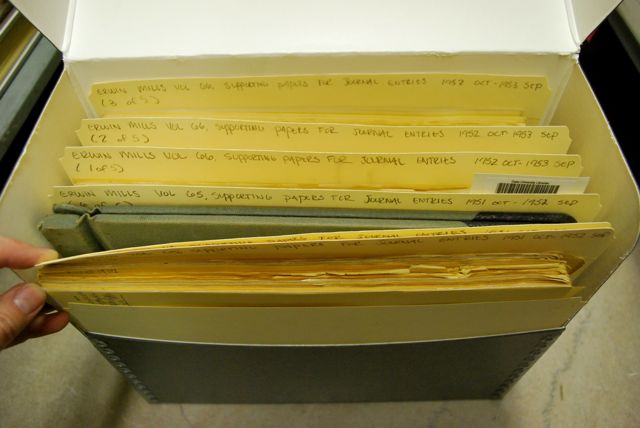
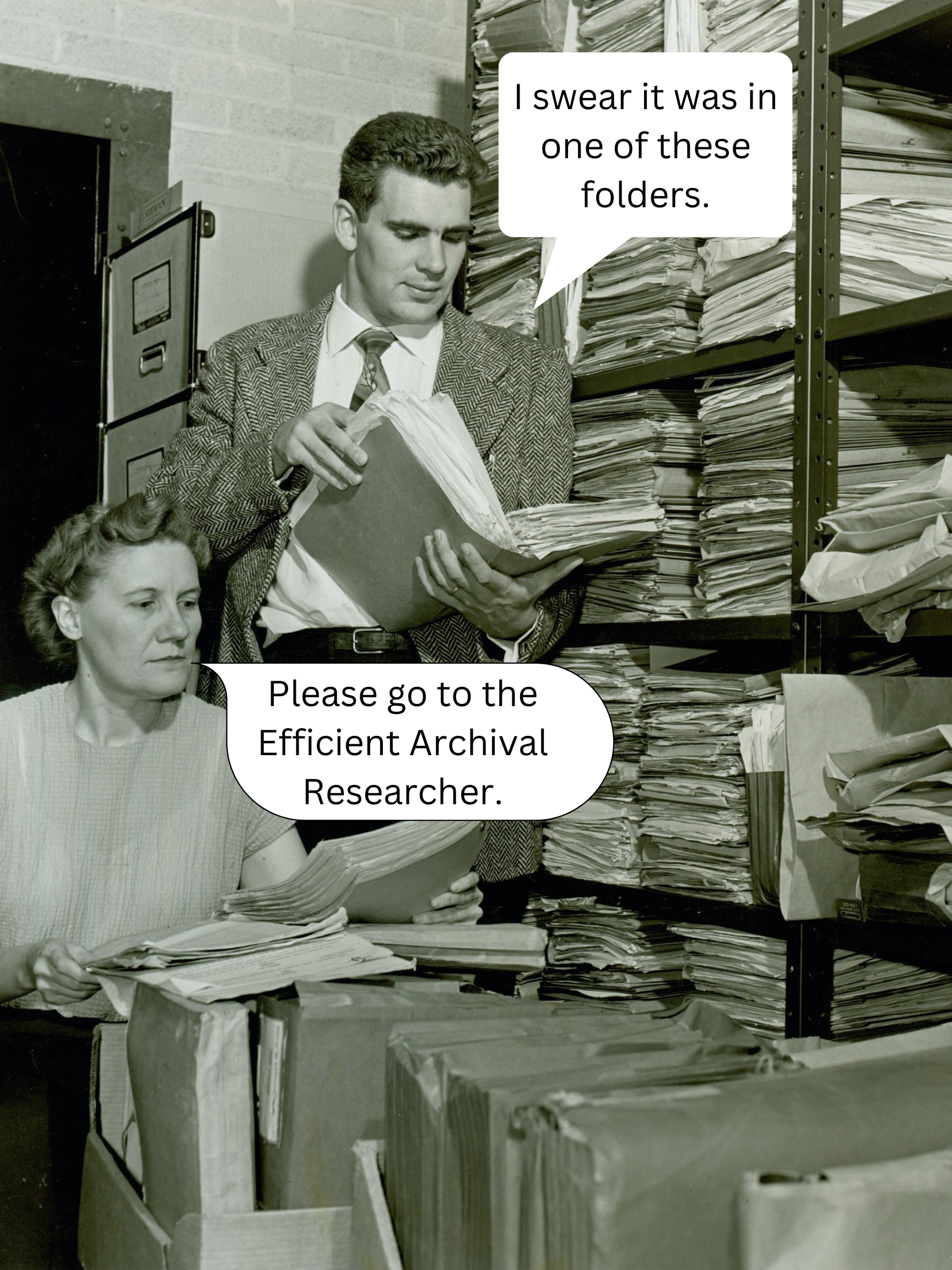
In this workshop, explore the challenges of working with published and unpublished archival materials. Learn how to find appropriate archives for your research and how to plan a research visit, including for international research. Develop strategies for managing the many files and images you will collect when doing archival research. This session will also cover legal and ethical issues that surround accessing, using, and reproducing rare materials.
The workshop will end with a lunch panel of graduate students who will share the challenges and opportunities of their work in archives and special collections.
In the workshop you will:
Gain skills tolocate, use, cite, and manage information related to special collections and archival materials at Duke and elsewhere
Learn about key ethical, legal, and scholarly communication-related issues pertinent to special collections research
Develop information management best practices and increase your knowledge of tools and expertise available to help you build an information management strategy
The Duke University Libraries are proud to present the 2023 Andrew T. Nadell Prize for Book Collecting. The contest is open to all students enrolled in an undergraduate or graduate/professional degree program at Duke, and the winners will receive cash prizes.
Winners of the contest will receive any in-print Grolier Club book of their choice, as well as a three-year membership in the Bibliographical Society of America.
You don’t have to be a “book collector” to enter the contest. Past collections have varied in interest areas and included a number of different types of materials. Collections are judged on adherence to a clearly defined unifying theme, not rarity or monetary value.
Post contributed by Michelle Wolfson, Josiah Charles Trent History of Medicine Intern.
The History of Medicine special collection houses many exciting—and, dare we say, sexy—artifacts that draw the interest of students, staff, and researchers. The carved ivory memento mori is a thing of beauty. The amputation set invites people to picture themselves on a battlefield during the Civil War. Anatomy and dissection are contemplated as one looks at flapbooks and manikins.
But what draws me in? The written word. The books, the pamphlets, the zines—they are the voices echoing to me through time.
With abortion constantly in the news at this cataclysmic time, and with a young child with many questions about puberty, I threw myself into the History of Medicine Collections as its latest intern, wanting to know, “What do we say about puberty? About menstruation? About abortion? What do doctors say? What do mothers say? What does corporate America say? For heaven’s sake, what do we tell the children?!” Here is a small sampling of what the special collection offers.
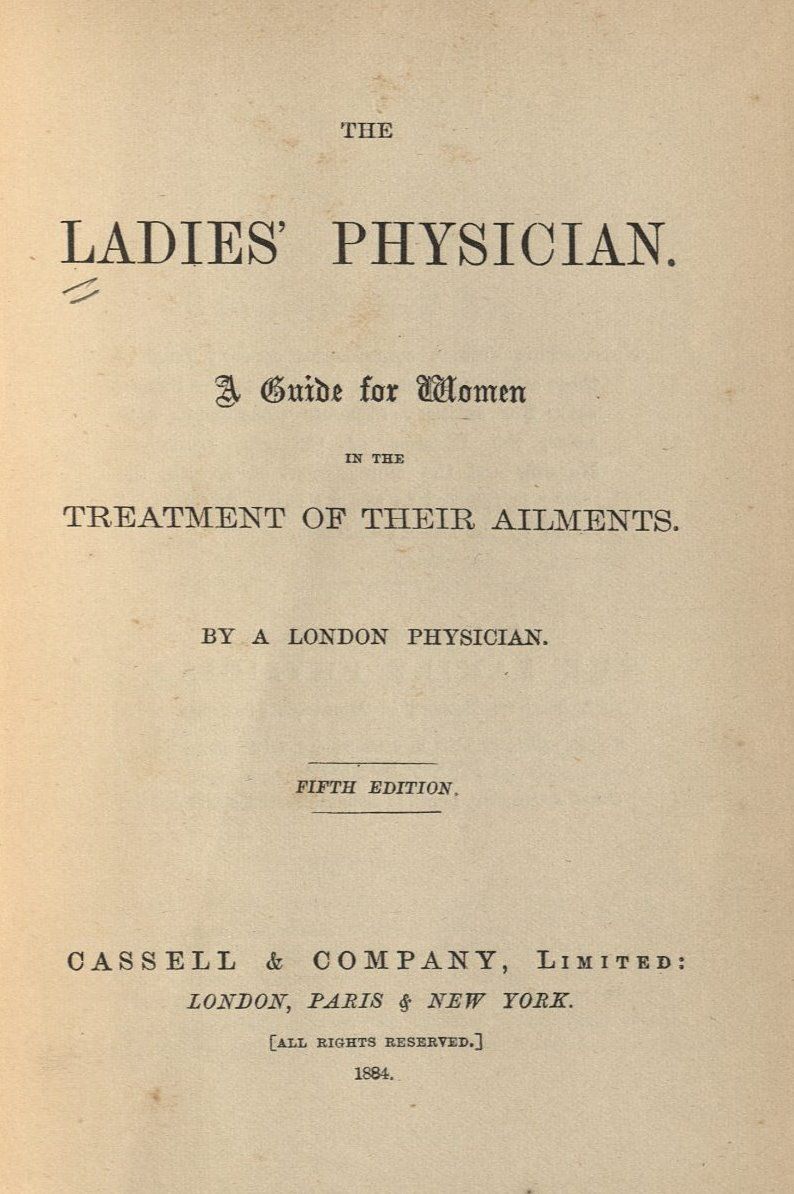
Title page from The Ladies’ Physician: A Guide for Women in the Treatment of their Ailments.
The Ladies’ Physician: A Guide for Women in the Treatment of their Ailments by a London Physician is a book from 1884. This guide has several redeeming factors. It makes clear that it is the mother’s duty to inform their daughters of what to expect before menstruation begins. While not always feasible (what does one do when there is not a maternal figure in the child’s life?), I generally like the attitude that we do not leave young girls and women in the dark regarding their health. In some ways, the text is very thorough in covering many common issues that women might experience, including the more benign, such as leukorrhea (“the whites”, or simply, vaginal discharge), to the more serious, such as tumors and endometritis. This was somewhat shocking to me as, anecdotally, I hear from many women that their endometritis was ignored by health providers for many years before being properly diagnosed. Pregnancy and many of the possibilities an expectant mother might experience as the body changes are also covered—from varicose veins to constipation to neuralgia of the face.
The section on pregnancy begins with a quick history of how much has been discovered recently—such as how physicians can now say with certainty that a person is pregnant by using a stethoscope and auscultation. Only sixty years ago, our London Physician tells us, did a woman claim to be pregnant by the Holy Ghost and had many followers who believed her, including people in the medical field. (Actually, the London Physician says “medical men”, and I wondered if midwives were at all involved.) Different signs of pregnancy are written about, but we are also told that there may not be any signs at all, at which point, a story is told about a Mrs. G—–, which feels straight out of a modern showing of “I Didn’t Know I Was Pregnant”. Neither Mrs. G—– nor the neighborhood physician ever guessed she was pregnant, and indeed she was in labor and they still did not suspect that she was giving birth. Ten hours into labor, another doctor examined her and realized what was happening, though the expectant parents still did not believe it. The story has a happy ending—healthy mom, healthy and loved daughter. The London Physician also tells us that the opposite can occur, when a person thinks they are pregnant when they are not, whether it is due to false signs from tumors, an abnormal menstrual cycle, or simply gas or muscles twitching.
As one might expect, The Ladies’ Physician has its problems and questionable moments, too. The causes of puberty and menstruation are written about obtusely—I could not guarantee that a person without some prior knowledge of menstruation would completely understand what the book is saying happens during “the process which marks woman as woman.” (I will not even get into how this is not how we define “woman” anymore because now we know not all women experience menstruation.) The text also does not include visuals. At another time, the London Physician gives somehow not enough information by giving us too much information. We are initially told the average pregnancy is about nine or ten months, but the London Physician goes on for a distressing couple of pages about how some countries and cultures think that the duration of pregnancy lasts longer–three hundred days, or even going into years, the most being four years. (FYI: Elephants have the longest pregnancies of any land mammal, somewhere between eighteen to twenty-three months.) I do not know if this was simply an interesting point about varying belief systems, or to go back to the point about how physicians have recently learned more about pregnancy, or to cover all the bases of how long one might be pregnant in case somebody is incorrect.
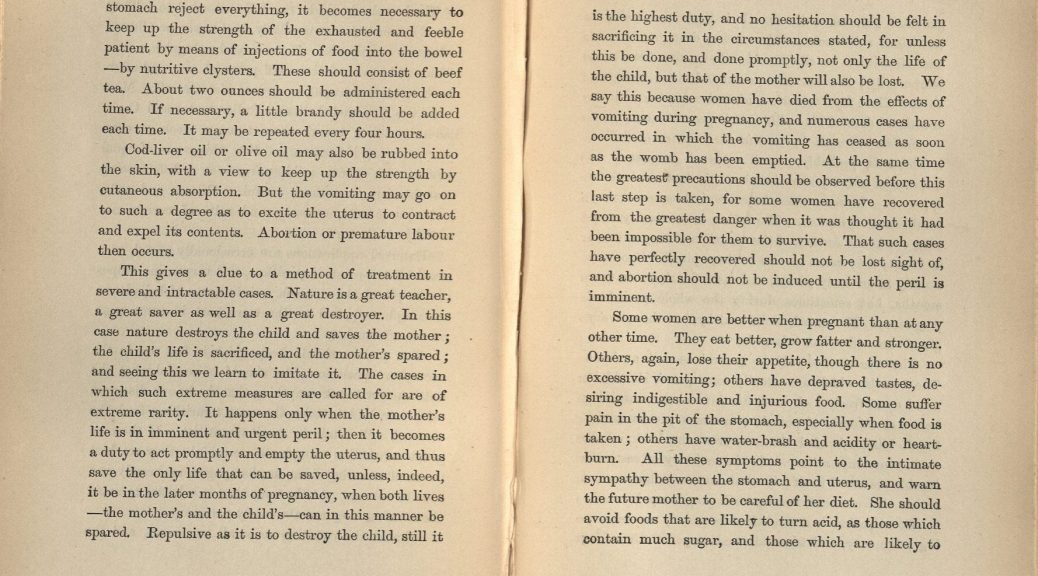
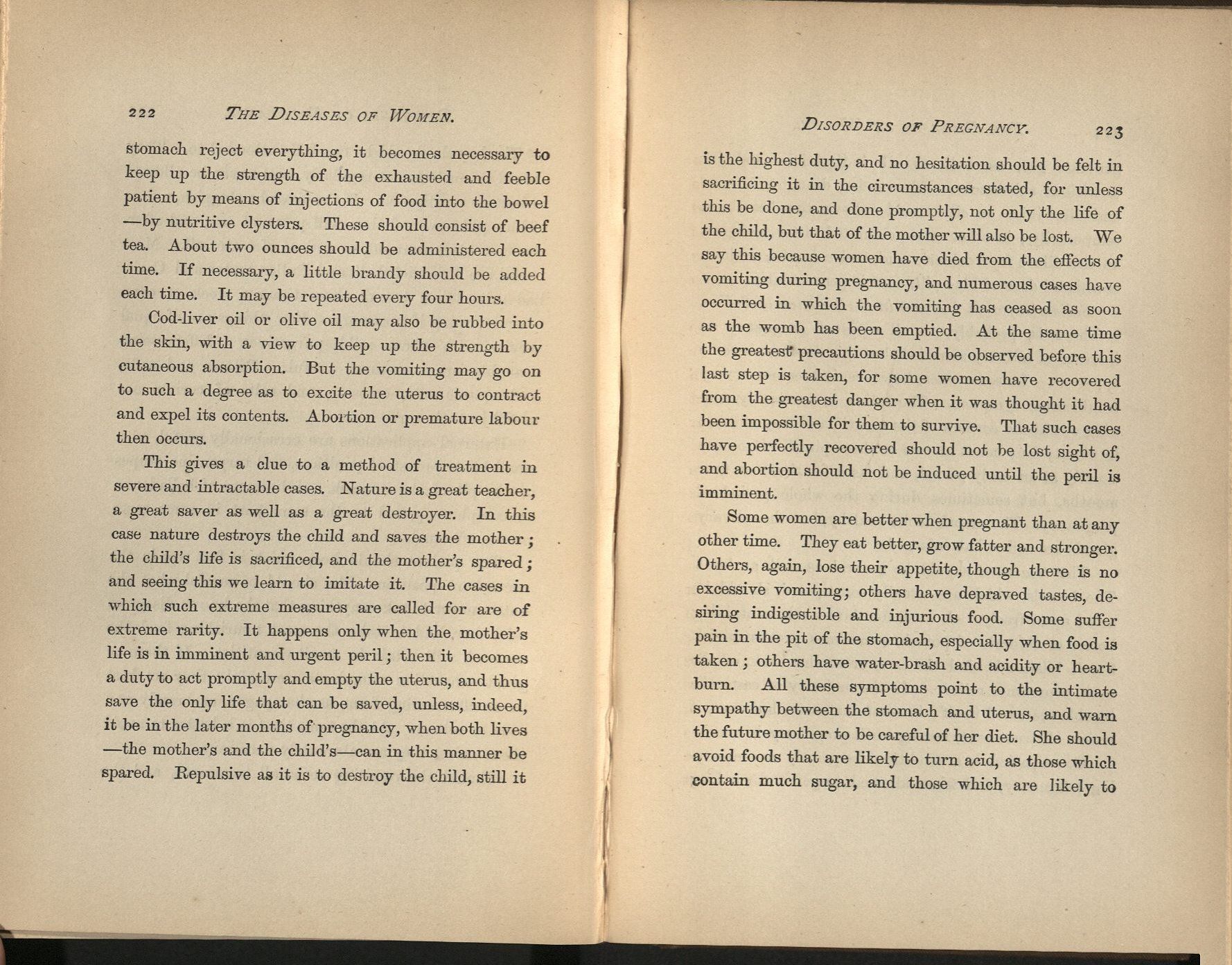
One section regarding abortion was interesting to me, and I feel the need to quote it to get it exactly right. From pages 222-223, regarding severe cases of illness:
Pages 222-223 from The Ladies’ Physician
The cases in which such extreme measures are called for are of extreme rarity. It happens only when the mother’s life is in imminent and urgent peril; then it becomes a duty to act promptly and empty the uterus, and thus save the only life that can be saved, unless, indeed, it be in the later months of pregnancy, when both lives—the mother’s and the child’s—can in this manner be spared. Repulsive as it is to destroy the child, still it is the highest duty, and no hesitation should be felt in sacrificing it in circumstances stated, for unless this be done, and done promptly, not only the life of the child, but that of the mother will also be lost.
Another section about quickening was of interest from page 196. The London Physician does not think this is the moment a child is considered alive, instead that the
…embryo is alive from the first, though its life is a lower form of life than it is after the fifth or sixth month, just as the life of a child an hour before birth is a lower form of life than that it possesses an hour after birth.
They do not know when the child possesses a soul but
…[l]et it suffice here to say that from the time of conception there is life in the embryo, simple though it be when compared with the higher life of a born child or an adult man, yet too complex to be solved by the greatest philosopher.
Page 196 from The Ladies’ Physician
I think the London Physician dropped the mic there, so I will end here as well.
Some of this blog post was written tongue-in-cheek, but that does not discount how I think on this book. In 1884, women had something to refer to that gave them reassuring and helpful information regarding their bodies. The information is given in a matter-of-fact manner, not sensationalized or hidden in shame (though we could work on some bits for clarification). It still leaves me with many questions—how many people had access to this book? Who was the London Physician? What did people do if they did not have access to a book like this? I am assuming they sought other women for advice, or at least I am hoping they did.
Post contributed by Rachael Brittain, Harry H. Harkins, Jr. Intern for the Duke Centennial at the Duke University Archives.
As the Harry Harkins Intern, I have been working with the Duke Photography collection to rehouse materials; assist on reference questions; create timestamps for archival films; and help identify collections at Duke related to its early history. My primary focus has been the Duke Photography Job Numbers Collection. which contains original photographs taken by Duke Photography from 1960 until 2018.
Capturing unique images and perspectives of Duke University as well as operating as a hired service to photograph faculty, staff, and student headshots, Duke Photography was present at many major university events, including basketball, lacrosse, football, and other athletics; visiting lecturers and guest speakers; building construction and grand openings; campus scenes, and other aspects of campus life at Duke. The time frame that Duke Photography was active means that there is a mix of analog and digital files, switching to primarily digital in the early 2000s.
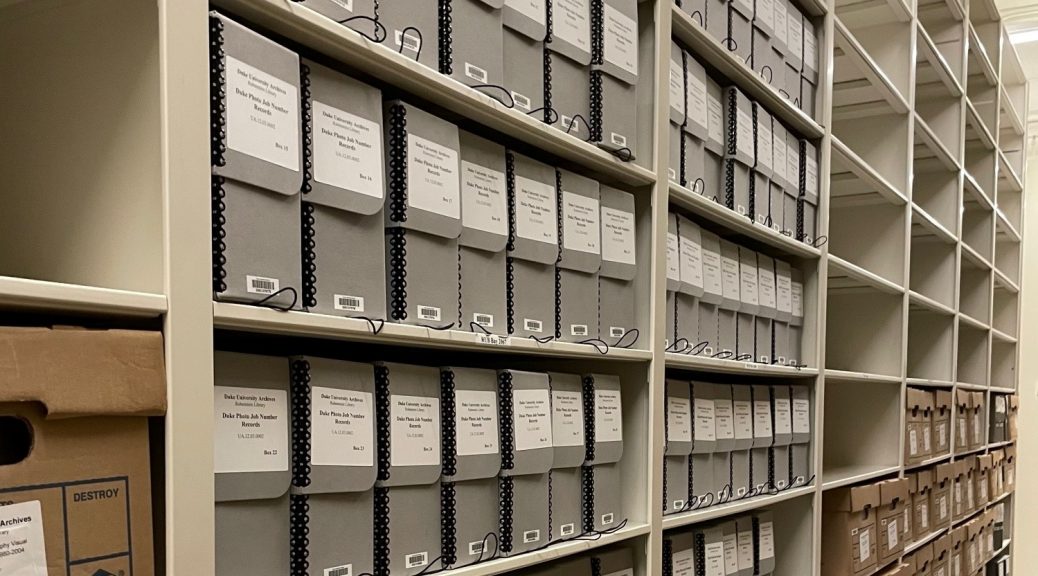
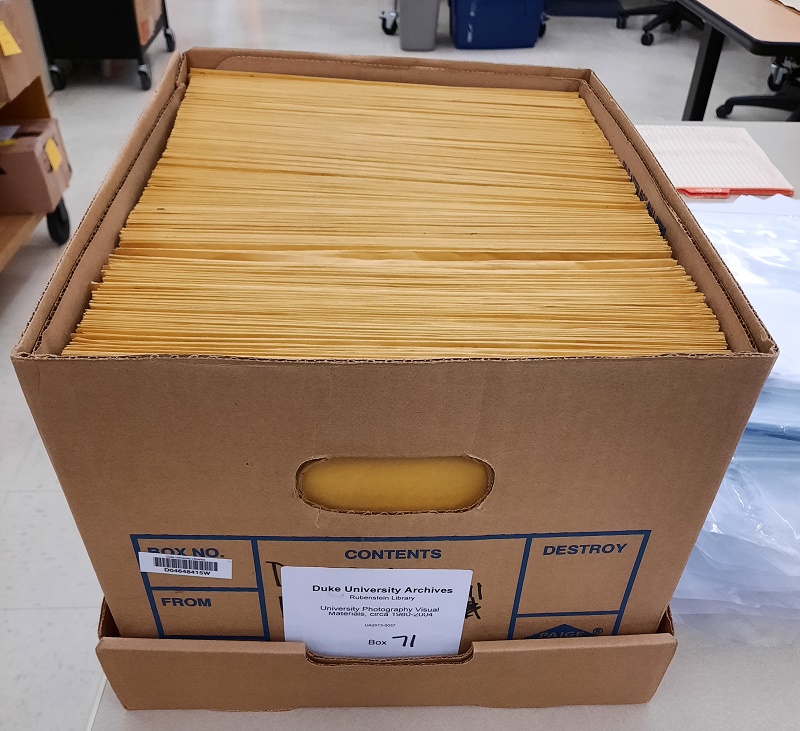
The Duke Photography Job Numbers Collection before processing. Look at all those manila envelopes!
As the University prepares for the 2024 Duke Centennial, we wanted to make sure our photograph collections were as accessible as possible. The years between 1988 and 1994 have presented a unique challenge as many of the images are stored in old manila envelopes, some of which are missing. The manila envelopes are a less than ideal way of storing photographs and negatives due to the amount of acid present in the envelopes. Eventually, this would cause the images to yellow. The items stored in these envelopes must be rehoused into safer, archival materials. Across 28 boxes and over 11,000 manila envelopes, I have found 35 mm, 120 mm, 4 x 5″ negatives, contact sheets, prints, and occasionally slide film.
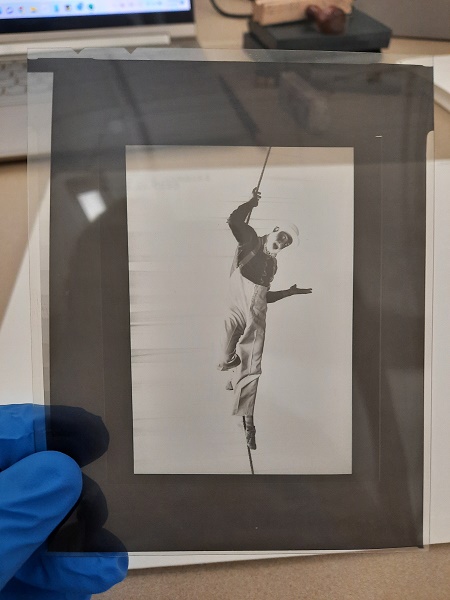
A negative of Avner the Eccentric performing at Duke in 1990.
The variety of materials used by the photographers largely depended on the purpose and printing needs of the subjects. 35 mm film, both black and white and color, was standard for most events due to its ease of use and availability. 120 mm film, also in black and white and color, produced a larger negative allowing the photographers to print larger, with greater detail, and with less film grain (a granular texture that is left on film when over enlarged). 4 x 5” negatives created an even larger negative and were frequently used to make copies of images. Once an image was printed from 35- or 120-mm film and corrected properly, it was faster for photographers to photograph the final image and print from the new negative, creating a copy negative, these make it faster and easier for an image to be reprinted at different sizes and at a consistent quality.
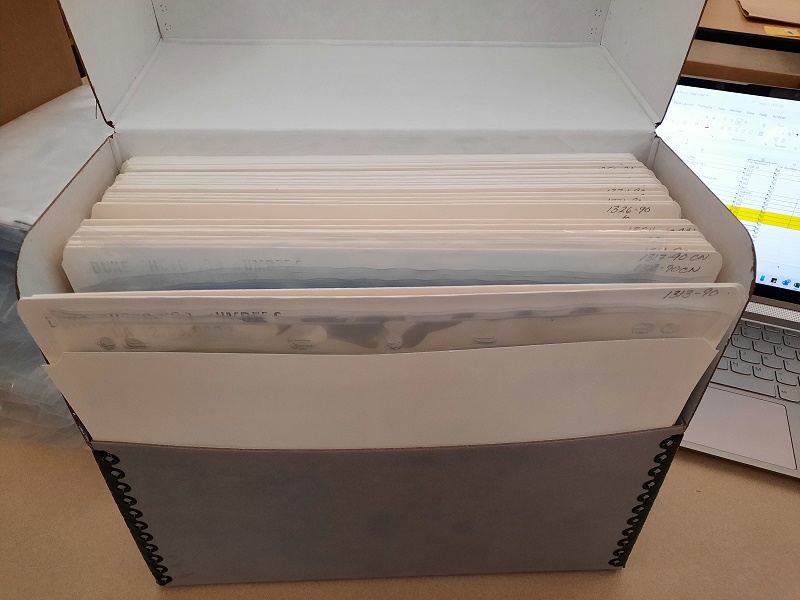
Negatives need to be stored in specialized plastic sleeves to keep them organized, protect them from fingerprints, dust, and getting scratched, all of which would permanently damage the images and make future use more difficult. Contact sheets—which were created by laying an entire roll of film across a page and helped the photographers to get a quick glance at what photos were on the roll of film and determine which they wanted to print—are being transferred to acid free folders. When more than one page or print is in an envelope, plastic sleeves are used to keep them separated and prevent scratches. This will also make it easier for future researchers and library staff to use the folders without having to use gloves to handle the materials. The Duke University photographers would make contact prints and send them to the different Duke departments so the subjects themselves could select which images they wanted printed.
As I’ve processed the collection, I’ve noted that not every envelope contains prints, as the prints were usually sent off to whichever department requested them. However, there are occasionally black and white prints, done in-house by Duke as well as envelopes full of 3.5 x 5” color prints that came from specialized color printing labs. Occasionally, there are notes left in with the photos, stating who is in each frame, what the event was for, letters requesting images, and notes scribbled on the back of event programs. By capturing events, staff, and students, this collection provides visual documentation of Duke’s recent history and will be made accessible through improved storage and descriptions.
After processing: the work of Duke photographers, stored in archival sleeving and folders.
Post contributed by Roger Peña, Trent History of Medicine Intern for 2021-2022, and Rachel Ingold, Curator of the History of Medicine Collections.
Roger Peña, Trent History of Medicine Intern, stands by the exhibit “Good Vibrations” that he curated.
Tell us a bit about yourself.
I’m Roger, and I grew up in the Boston area. I attended Syracuse University as an undergraduate and earned a Master’s degree in education at Lesley University in Massachusetts. I moved down to North Carolina in 2013 and have served as an educator in private and public schools. I’m currently in my last year at UNC Greensboro’s MLIS program with a specialization in special collections and archives.
My wife and I have two children—ages 3 and 2 months—and we live in Durham. I love all things history and our house is filled with books and magazines related to several historic topics. I really love to cook and try new recipes. We are HUGE Boston sports fans so you will usually find us watching one of my sports teams on TV.
What interests you in working in a library setting, specifically in the History of Medicine Collections?
I’m 35 and a career changer. I had always thought about going back to school to earn an MLIS but never thought I had the time. The COVID-19 pandemic, school closures, and having some extra time to think about career goals rekindled my interest in earning my degree. I’ve always wanted to work in special collections and archives and hope to continue this work after graduation.
As a teenager, I “lived” at libraries and museums in my hometown of Boston. I love studying all things history and being able to handle old artifacts and primary sources—holding history in my hand! I’m that person at museums and historic sites asking questions, trying to touch everything and reading as many labels as possible. Being a history teacher, sharing stories of the past, and having students research and explore topics that interest them has always been important to me.
I love reading, instruction and all things history so I jumped at the chance to work at the Rubenstein Library. The history of medicine is always present when studying other historic topics and the History of Medicine (HoM) collection encompasses that. Even after months as the HoM intern, I’m still blown away by how vast and diverse the History of Medicine collection is and how much it has to offer. I’ve been able to hold manuscripts, artifacts, and books that are centuries old. There’s a special feeling when you pick up these resources; and you can’t help but feel a connection to the past and the individuals who used or created these materials.
The Josiah C. Trent HoM Internship has allowed me to explore the research aspect of special collections; and I’ve also been able to create and plan exhibits, helped with reference services and instructional support, and collaborated with other collections at the Rubenstein Library! It’s been a fantastic learning experience.
Can you share a memorable experience from your internship?
It’s really hard to choose just one memorable experience. I’ve enjoyed getting to know other Rubenstein Library staff and meeting researchers from across the world. Walking into the stacks makes me feel right at home and I always have to take a step back and appreciate how special the collection is. Being able to immerse yourself with the material and learning the ins and outs of academic libraries has been especially rewarding.
Participating and helping to coordinate Anatomy Day and researching and curating physical and online exhibits, like Good Vibrations, have been just a few of my favorite moments. Helping with instructional support is always fun as I was able to combine my past experience as an educator and help students interact with primary sources. It’s always fun to see a student’s reaction when something has caught their interest.
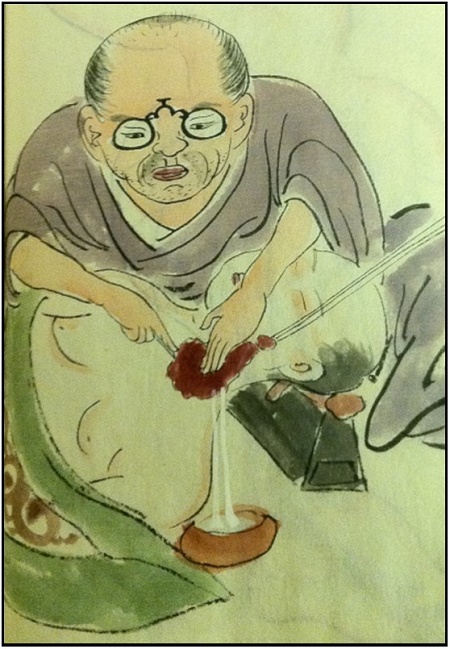
Hand colored illustration from Shunrinken kasho in the Japanese medical manuscript notebooks collection.
Do you have a favorite item you would like to share?
Again, hard to choose just one. The anatomical flap books and the Four Seasons are quite a sight to see and exemplify how people have always had a curiosity to touch and personally interact with materials. I really loved the East Asian medical books featured at Anatomy Day: Shunrinken kasho (Shunrinken school family book)from the Japanese medical manuscripts notebooks and Shinkan Geka Seisō新刊外科正宗. The illustrations in these books are phenomenal.
The amputation set from the mid-19th centuryhas probably been the item I spent the most time with. It’s one of those artifacts that you can’t help but want to learn more about. Being a student of American history and an aficionado of learning about the Civil War, the amputation set from the mid 19th century called my name. I first came across the saw when I was assisting Dr. Jeff Baker and Brooke Guthrie with a History of Surgery class and Dr. Baker asked me if I could handle student questions related to Civil War medicine – which I was more than happy to do!
I was fortunate enough to have a blog post published on The Devil’s Tale and Duke Daily where I was able to investigate the history of the saw and its origins. Holding the amputation saw in your hand, you can easily imagine a world where physicians grappled with decisions regarding the need for an amputation and the thousands of soldiers whose lives were forever changed by the war and surgical procedure. It was an eye-opening experience and allowed me to explore the unique but very complicated role that North Carolina played in the Civil War.
Post contributed by Kelsey Zavelo, Doctoral Candidate in History and Eleonore Jantz Reference Intern 2021-2022.
Chapter 2: Digging Deeper
In my previous post on this blog, I wrote about finding an 1847 letter written by Jacob Chiles, a formerly enslaved person, in the Joseph Ingram Sr. Family papers here at the Rubenstein Library. In his letter, Chiles explains what slavery and freedom meant to him and his family.
This week I dig deeper into Chiles’s story by exploring what other documents in and beyond the Ingram papers can tell us about him.
Donated to the Duke University Library’s Manuscript Department (now the Rubenstein Library) in 1953, the Joseph Ingram Sr. papers includes approximately 1130 items covering 2.5 linear feet. The bulk of the collection consists of family, business, and transactional correspondence as well as bills and receipts, arranged chronologically, primarily dating to the first half of the nineteenth century.
Chiles, Thomas, bill of sale to Joseph Ingram, Sr., 13 June 1803, Anson County, North Carolina, Folder 2, Box 5, Joseph Ingram Sr. papers, 1795-1935 and undated, David M. Rubenstein Rare Book & Manuscript Library, Duke University.
Based on his reference to having spent “some three score years” in bondage, Chiles may have been around sixty years old by the time of his writing. With Chiles’s possible age and surname in mind, a bill of sale dated June 13, 1803 could be the beginning of his paper trail in the Ingram papers.
The bill details the purchase by Joseph Ingram, Sr. of Anson County, “two certain negroes named Jacob and, other named Ruth, and one horse named Ball for the sum of six hundred Dollars” from a friend of the family, Thomas L. Chiles. The purchase agreement included a clause that essentially boils down to a rent-to-buy-back scheme: Chiles agreed to pay Ingram $60/year to hire Jacob and Ruth on an annual basis, with the understanding that if he were to do this for at least 10 years, thereby paying Ingram up to the original $600, Ingram would “return the said negroes to the said Chiles.” It is likely that Jacob Chiles continued to live in close proximity to both families after 1803, which might explain why he kept Chiles as a surname. In his Last Will and Testament dated 1820, Thomas L. Chiles reaffirmed his agreement to sell Jacob to Joseph Ingram, stating, “It is my will and desire that the Bills of sale I gave Jos. Ingram Sr. for Jacob…to stand good…” Perhaps it was only after this time that Jacob came to live permanently on the Ingram plantation.
The John Hope Franklin Center has digitized scores of similar bills of sale and other items documenting the sales, escapes, and emancipations of enslaved people from colonial times through the Civil War. Browse the American Slavery Documents Collection.
In his letter, Chiles mentions that his two sons, one named Walter, started attending Harveysburg High School during their first winter in Ohio. Founded by Quakers Jesse and Elizabeth Harvey—the latter of whom was also an abolitionist—the Harveysburg School was established in 1831 as the first free school for African Americans in Ohio. Since 1977, it has been listed in the National Register of Historic Places as “Harvey, Elizabeth, Free Negro School.” In addition to telling us something about his dreams for his children’s future and possible educational training prior to leaving North Carolina, Chiles’s naming of the school provides a solid foundation upon which historians and others might dig deeper into the historical record to find more traces of him and his family after slavery.
Post contributed by Elliot Mamet, Ph.D. Candidate in Political Science at Duke and Archival Processing Intern at the Rubenstein Library.
What does it feel like to be a fly on the wall at the Nuremberg Trials? The papers of Robert P. Stewart, recently donated to the Rubenstein Library, provide an answer.
Stewart was an attorney and Duke alumnus who served as a legal aide to Judge John J. Parker at the Nuremburg Trials in 1945 and 1946. There, 24 Nazi political and military leaders were indicted and tried with waging aggressive war, war crimes, and crimes against humanity. 19 were found guilty, and 12 were sentenced to death.
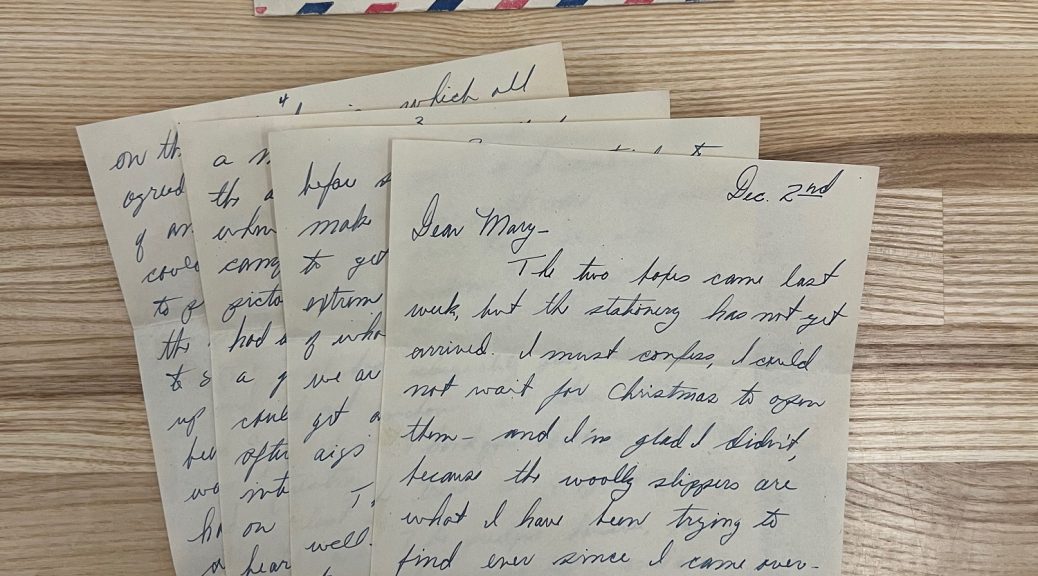
An overriding theme of Stewart’s correspondence is the emotional toll that the evidence of Nazi crimes took on the jurists. His letters tell of film evidence taken by the U.S. army when they first encountered the Nazi concentration camps. “It really was an awful pictorial display of what the Nazis had done—and it upset Judge [Parker] a great deal. The English judges could not even eat.”[1] Judge Parker, Stewart says, became depressed from hearing so much terrible evidence.[2] Compounding this emotional toll was the homesickness felt by the American legal contingent.
Also in Stewart’s letters is discussion of the secret 1939 non-aggression pact between Nazi Germany and the USSR—an agreement first disclosed at Nuremberg. Writes Stewart, “perhaps the most interesting bit behind the scenes lately is the way one of the defense lawyers is trying to introduce a document which purports to be a photostat copy of a secret treaty between Germany and Russia in 1939.”[3] That non-aggression pact paved the way for the Nazi invasion of Poland on September 1, 1939.
Outside of court, Stewart encountered colorful characters during his service at Nuremberg. For instance, he lunched with General Dwight Eisenhower at Eisenhower’s Frankfurt villa, calling Eisenhower “a remarkable man—strictly down to earth,” and noting it was “probably the first time during this war that anyone so lowly as a major sat down to break bread with him.”[4]
Some 35 years after returning from the Nuremberg Trials, Stewart reflected on his service in a profile in The Asheville Citizen. “The most dramatic part of the trials,” Stewart said, “was the evidence on the persecution of the Jews. The films shown and the stories told were horrendous, unbelievable. If I hadn’t been there I would never have believed it.”[5] He was there, and his papers at the Rubenstein help us feel what it was like.
Footnotes:
[1] Letter from Robert P. Stewart to Beverly G. Moss, December 2, 1945. Folder 2, Robert P. Stewart papers, David M. Rubenstein Rare Book & Manuscript Library, Duke University.
[2] Letter from Robert P. Stewart to Plummer Stewart, January 12, 1946. Folder 2, Robert P. Stewart papers, David M. Rubenstein Rare Book & Manuscript Library, Duke University.
[3] Letter from Robert P. Stewart to Plummer Stewart, May 30, 1946. Folder 3, Robert P. Stewart Papers, David M. Rubenstein Rare Book & Manuscript Library, Duke University.
[4] Letter from Robert P. Stewart to Plummer Stewart, November 7, 1945, and letter from Robert P. Stewart to C. C. Gabel, November 7, 1945. Folder 1, Robert P. Stewart papers, David M. Rubenstein Rare Book & Manuscript Library, Duke University.
[5] Tony Brown, “Stewart Had Important Role at Nuremberg,” The Asheville Citizen, September 8, 1981, pg. 9. Oversize Folder 1, Robert P. Stewart papers, David M. Rubenstein Rare Book & Manuscript Library, Duke University.
Date: April 7, 2021 Time: 3:00 pm ET Location: Zoom Register Here
Interested in archival and library work? Come learn about the internships being offered at the Rubenstein Library in Fall of 2021!
On April 7th at 3:00pm Rubenstein Library staff will be hosting an information session and open house where you can learn about the Rubenstein Library, meet the intern supervisors, get details on the internship projects, and ask questions.
The following internships available at the Rubenstein Library in the coming academic year:
Consumer Reports Processing Intern: The Consumer Reports Processing Intern will primarily arrange and describe archival materials held in the Consumer Reports Archives collections, part of the John W. Hartman Center for Sales, Advertising, and Marketing in the Rubenstein Library. The intern may also participate in outreach, programming, and instruction activities, depending on opportunities and the intern’s abilities and interests.
Josiah Charles Trent Internship: Working closely with the History of Medicine Collections, this position will provide support for public services and collection development activities of the History of Medicine.
Human Rights Archive, Marshall T. Meyer Intern: Working with RL Technical Services and Research Services staff, you will primarily provide support for research services, technical services, and collection development activities of the Human Rights Archive.
John Hope Franklin Research Center Internship: The John Hope Franklin Research Center for African and African American History and Culture seeks a reliable candidate to fill the position of Franklin Research Center intern. Working closely with the center’s director, you will provide support for public services and collection development activities. This internship provides an opportunity to work closely with the center’s collections which include rare books, personal papers and manuscripts, oral histories, audiovisual, and ephemeral materials that document the African and African Diaspora experience from the 16th century to present day.
Post contributed by Josh Rubin, a first-year student at Duke University from Gaithersburg, Maryland. Rubin is majoring in biology with potential minors in chemistry and linguistics.
As a part of the MedRen Focus program this fall, I was able to participate in the Cabinet of Curiosity activity. This activity, along with Lorraine Daston’s chapter on “Marvelous Particulars” in Wonders and the order of nature, exposed me to, what I believe to be, one of the most interesting Renaissance concepts: wonder.
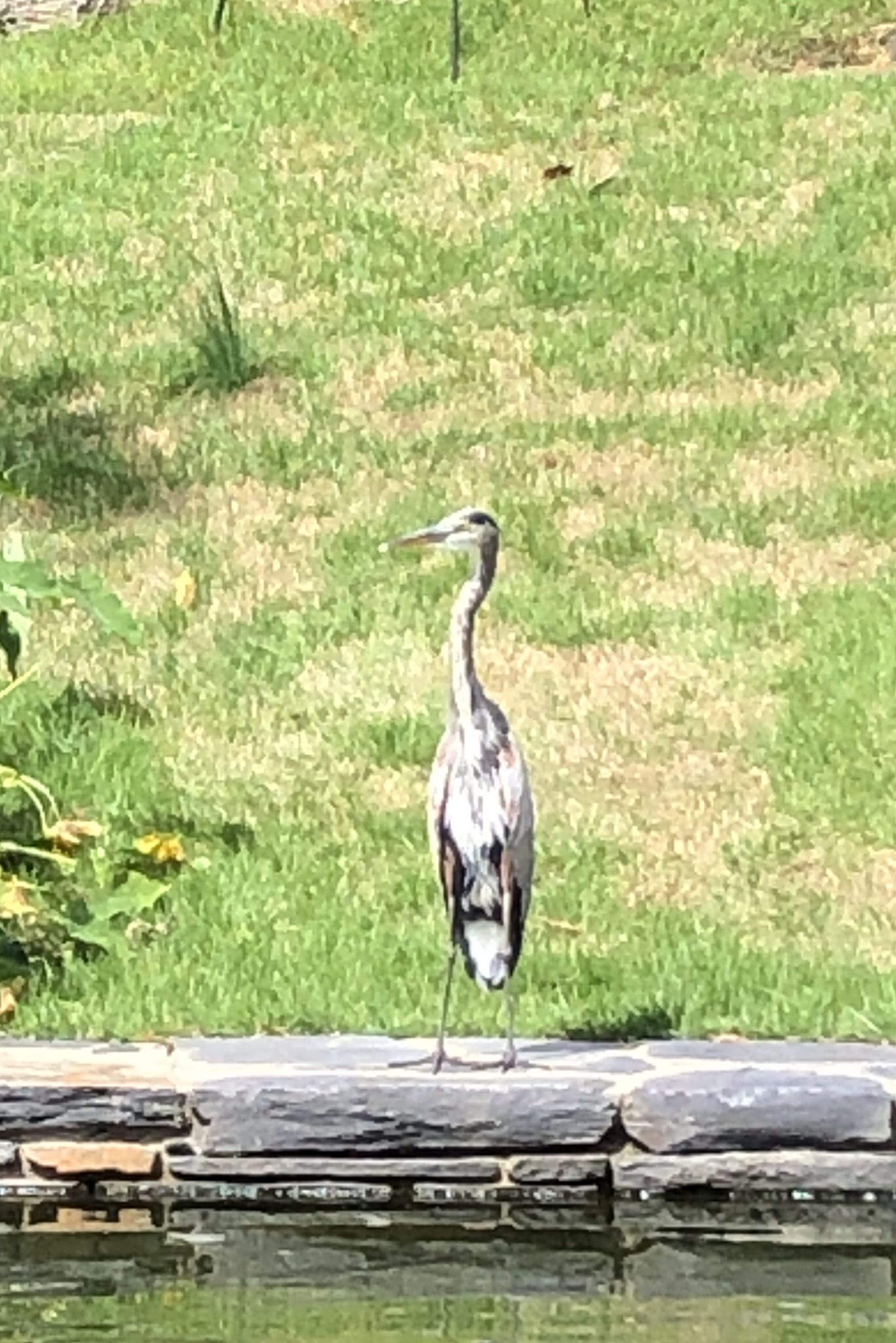
Object of wonder
For this Cabinet of Curiosity activity, I was required to find an item in nature, describe it using only sensory vocabulary, and attempt to classify it based on categories I would create myself. These categories were not intended to reflect the knowledge we possess today. I was supposed to embody a Renaissance naturalist and organize what I found in nature based on characteristics from direct observation. I ended up taking a stroll through Duke Gardens with another member of my focus cluster to begin my search. It didn’t take long for us to pass the Koi pond and walk by the most elegant type of bird. We ended up staying about half an hour just to watch its behavior and actions. I decided to take a picture of it and, inevitably, it became my object for the activity. I described it as being a blueish gray color, having expandable appendages, and as something which possessed the marvelous ability to fly. If I were to have a cabinet of curiosities of my own, it would be centered around exotic creatures, with this creature in particular being classified as an aviation animal, one with the occult ability to lift itself off of earth’s bounds.
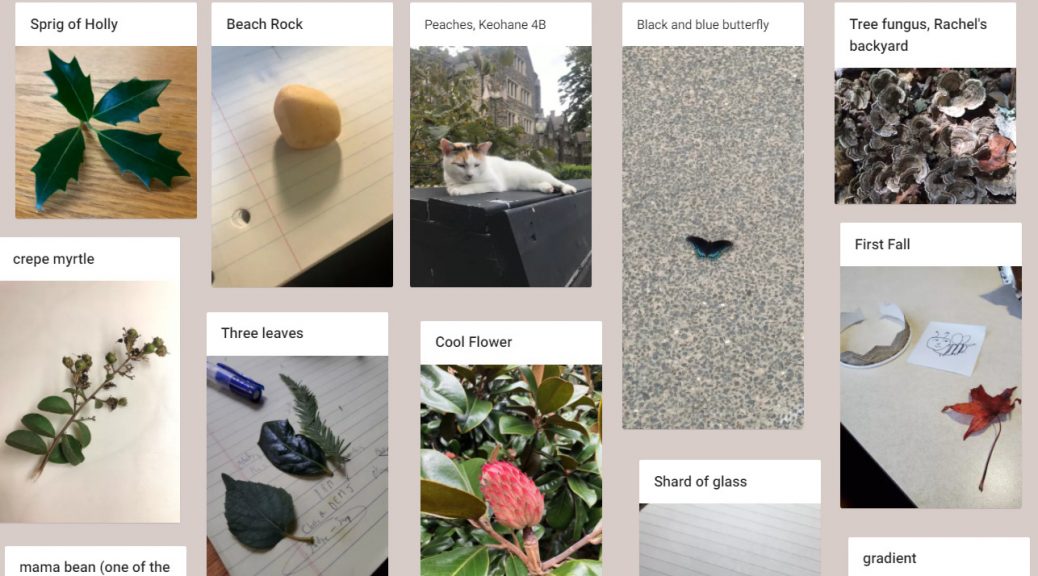
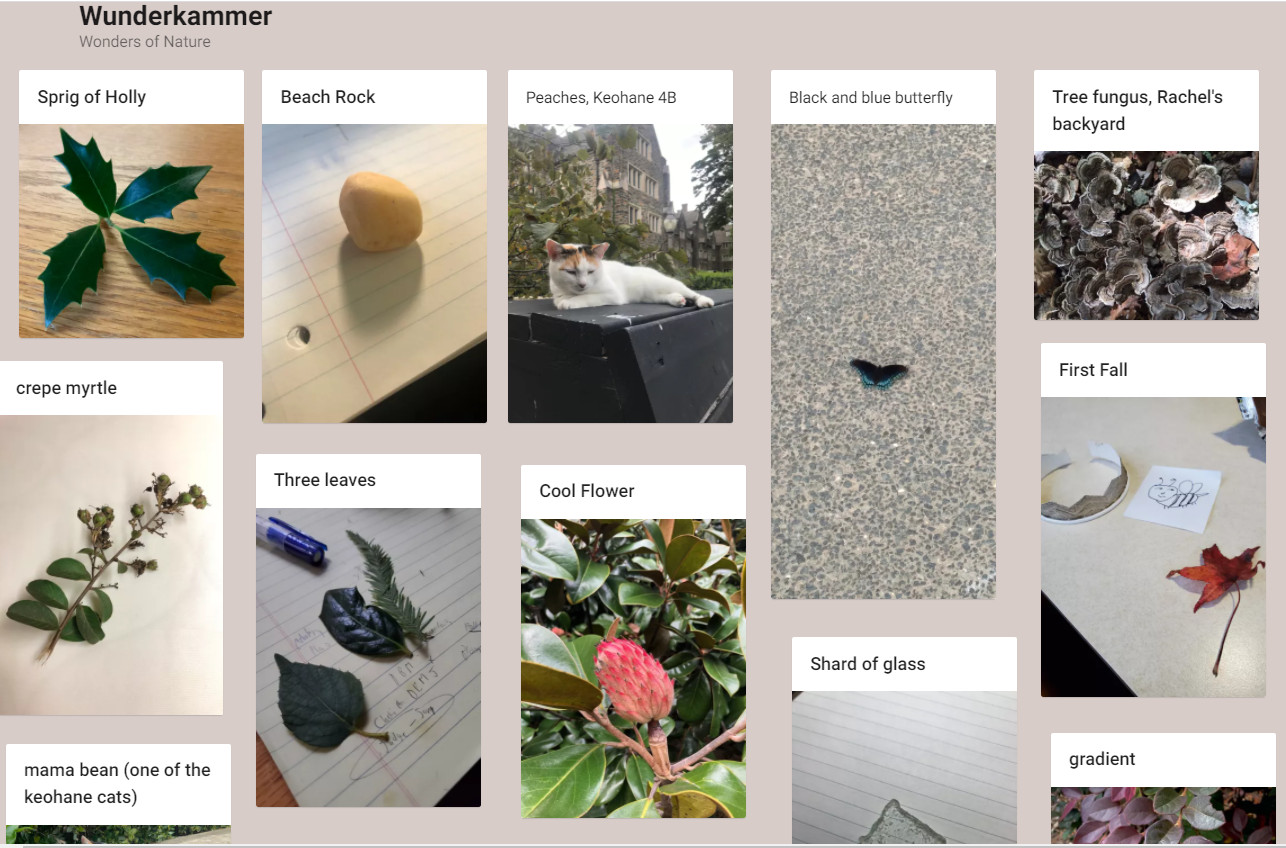
Examples that students in the MedRen Focus program chose for the “Create Your Own Cabinet of Curiosity” activity.
For several interrelated reasons during the Renaissance, the distinct discipline of wonder–the careful examinations of natural marvels–provided a means of elaborating on the inquiries which developed about the unknown. The studies by Renaissance naturalists and physicians like Giovanni Dondi and Michele Savonarola explained the reasons natural marvels were able to satisfy such queries. First, it was speculated that “most marvels… derived their wonderful properties from occult properties… Second, their intrinsic fascination and charisma set them apart from mundane phenomena,” and third, the mere expansion into the New World further broadened the heterogeneity of marvels simply given their novelty (Daston 136). Thus, a “marvel” or “natural wonder” was a label for an entity with captivating, inexplicable, and unfamiliar physical and functional properties. Such a determination relied on that fact that the emergent study of wonder was empirical and collaborative. To the former, a marvel’s intrinsic properties could not have been recognized from their superficial features but had to be deduced from the senses which were viewed as infallible. To the latter, many of the mysterious properties of marvels had to be described for the first time by Europeans, requiring diverse expert knowledge to generate complex associations as a way to classify such unusual phenomena. In light of the unknown, wonder differed from traditional natural philosophy because it embraced “the emotion of wonder itself” (Daston 144). Characterized by the sense of awe, studying the marvel provided a way to comfort the limitations of the human mind and satisfy the need to regain human control of the unknown. Some additional aspects of wonder worth mentioning include its focus on diversity as opposed to universality and the notion that the people who studied the marvelous were deemed wonders themselves.
Dispatches from the David M. Rubenstein Rare Book and Manuscript Library at Duke University