Post contributed by Cameron Byerly, a rising junior at St. John’s College in Annapolis, Maryland. He helped process the Paula Green papers through St. John’s Hodson Internship Program during Summer 2017.

It’s not the size of the budget
It’s the ferocity of the idea
–Paula GRRRRReen
Paula Green’s papers amounted to nearly 100 boxes of print documents, photographs and audiovisual materials, which is intimidating for a first archival processing project.
My relief was immediate when I discovered these boxes contained dozens of awards, fascinating drafts and edits to ads, pleasant correspondence, articles explaining an honest and steadfast worldview, and above all, a character who I came to deeply respect the voice and intents of through a long and successful career.

The central theme I would use to describe Paula Green’s work is ‘cause-driven’. Paula’s speeches and correspondence make it clear she chose clients she personally believed in, including the local jobs offered by the International Ladies Garment Workers Union (ILGWU), and the work she did to fight breast cancer with the U.S. government’s Public Health Service and the American Cancer Society. Perhaps her largest success was her part in creating the “Look for the Union Label” song for the ILGWU in the 70’s. The song’s importance became more tangible to me when reading President Jimmy Carter’s quote “Sometimes I have a hard time deciding which I like best, ‘Hail to the Chief’ or ‘Look for the Union Label,’” and the subsequent parodies from newspaper comics, South Park and Saturday Night Live. The song represented an enormous collective effort of the American fight for local jobs. As I pieced together Paula’s insistence on visiting local factories, employing real workers for TV spots, and saying “please buy from us” rather than “don’t buy from foreigners,” I realized that she applied her own moral standard to the work she believed in.

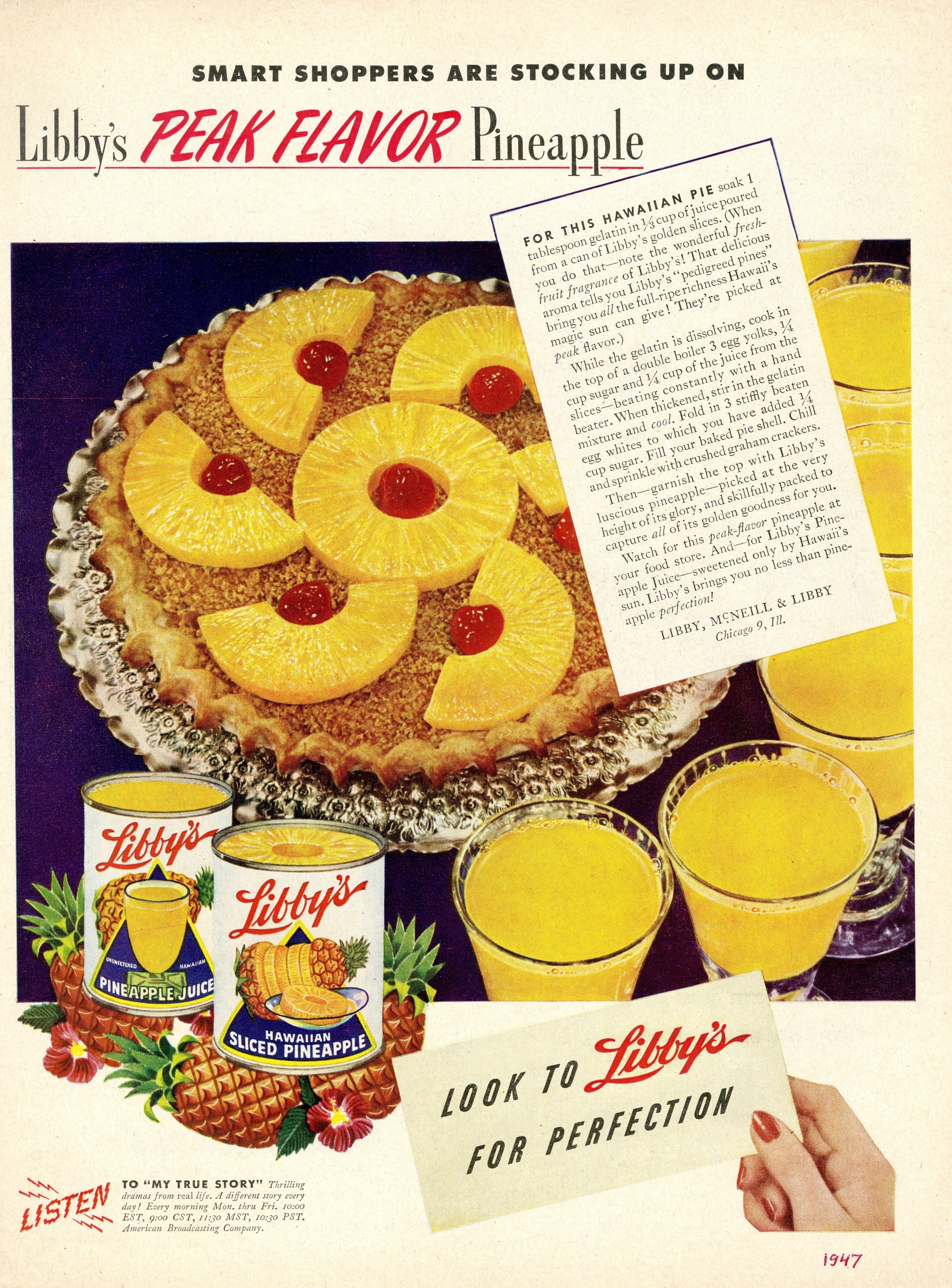
The second notable theme in Paula Green’s work is intelligence. Her early success at Doyle Dane Bernbach with the ‘We’re No. 2’ advertising campaign for Avis car rental allowed her the economic power to create her own advertising agency in 1975, and demonstrated her intelligence in engaging with the audience. I consider how well her methods would work in today’s more image-driven and crowded advertising landscape. Records of her work include hundreds of edits of reasoned arguments and recipes used to include in her marketing of food products. She often argued against a more deceptive world of associating lifestyles with products, and instead cleanly focused on the merits of her products. Her copywriting involved well-written sentences to back up her buzz-words and intelligent methodology in expressing her ideas. Continue reading ‘We Try Harder’ and Other Famous Ad Campaigns by Paula Green








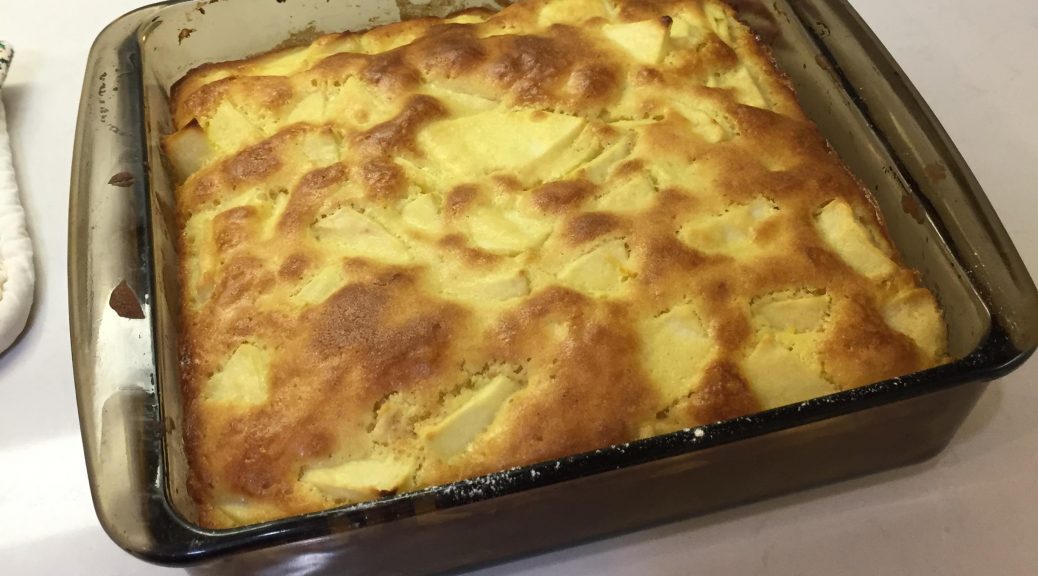
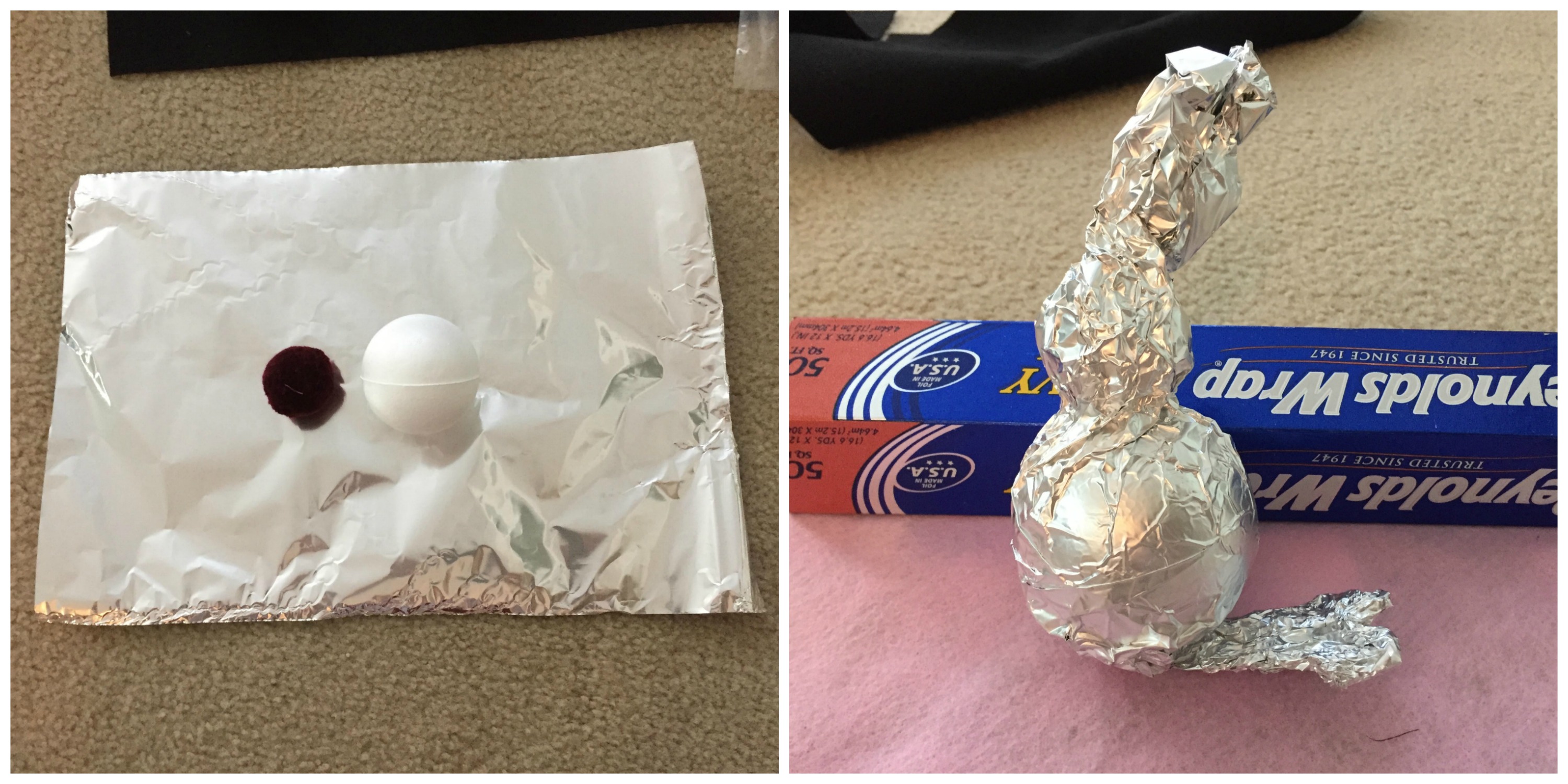
 But then, as I was browsing our library catalog, I came across 401 Party and Holiday Ideas from ALCOA (Aluminum Company of America, 1971) in our
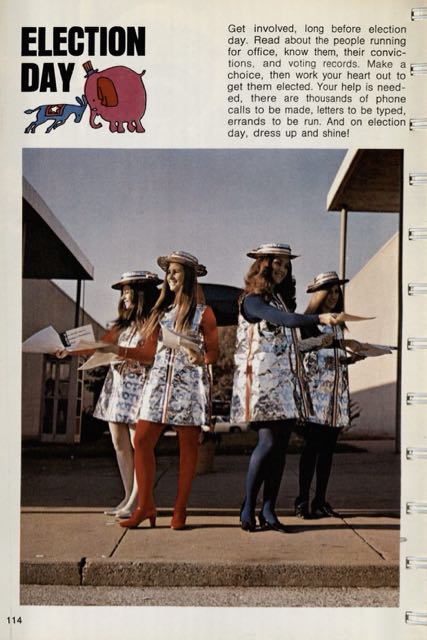

 But this 1971 recipe just called for an 8-inch cake pan in a regular oven, and that’s what I used. I was making this in my mom’s kitchen, so I got to use the sifter that had belonged to her mom. Mom told me we had relatives from County Kerry, too.



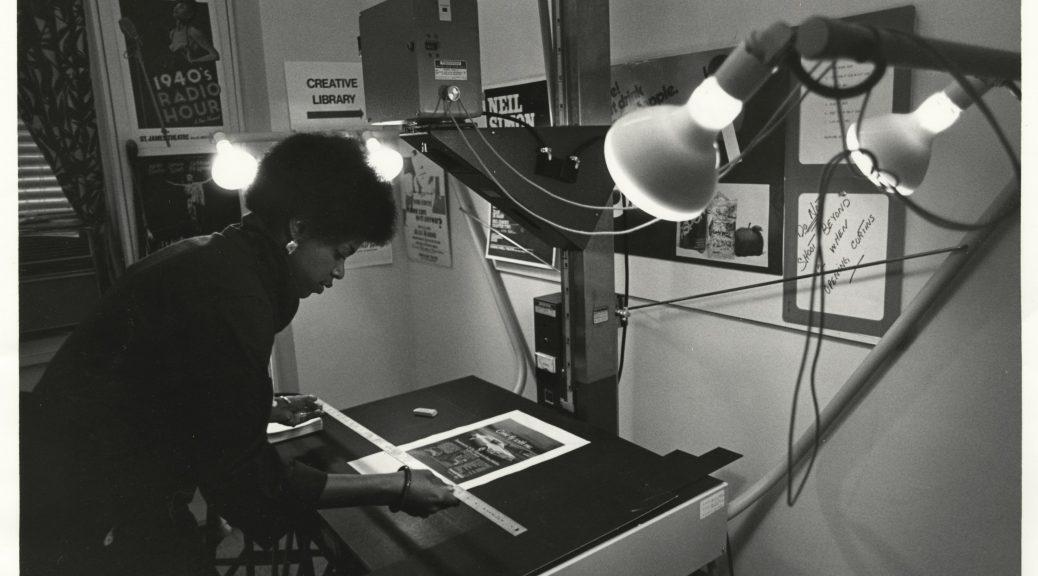
 Dr. Judy Foster Davis of Eastern Michigan University’s College of Business will present on her research into the history of African-American women who have worked in the advertising industry. She has recently published a new book on this topic,