Post contributed by Laurin Penland, Library Assistant for Technical Services
Update: Coming Out Day has been postponed due to rain and will be happening October 27th.
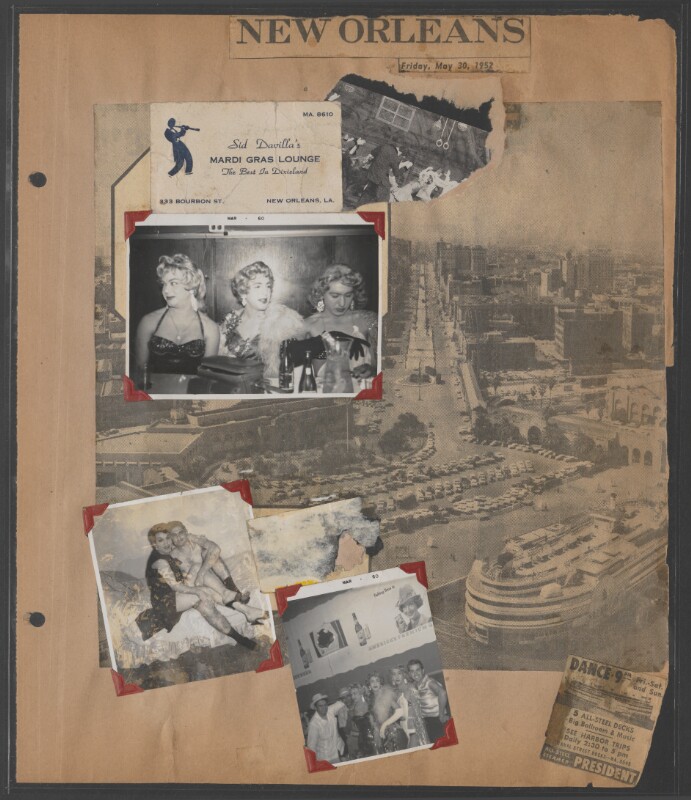
A page in the scrapbook dedicated to nightlife in New Orleans.
In celebration of Coming Out Day on October 11th, I would like to introduce our blog readers to a special scrapbook. Recently, the Rubenstein Library acquired and digitized the Joe H. Hernandez scrapbook. We do not know many biographical details about Hernandez. My esteemed colleague Allie Poffinberger cataloged the scrapbook and discovered that Hernandez “was born in 1924 and worked in the San Antonio General Depot between 1951-1954.” Other facts: he was an Army veteran; he attended night clubs and dance halls; he dressed in feminine and masculine clothing (I am using male pronouns here, though I do not know what this person’s preference might have been); he was probably a member of the LGBTQ and Hispanic communities.
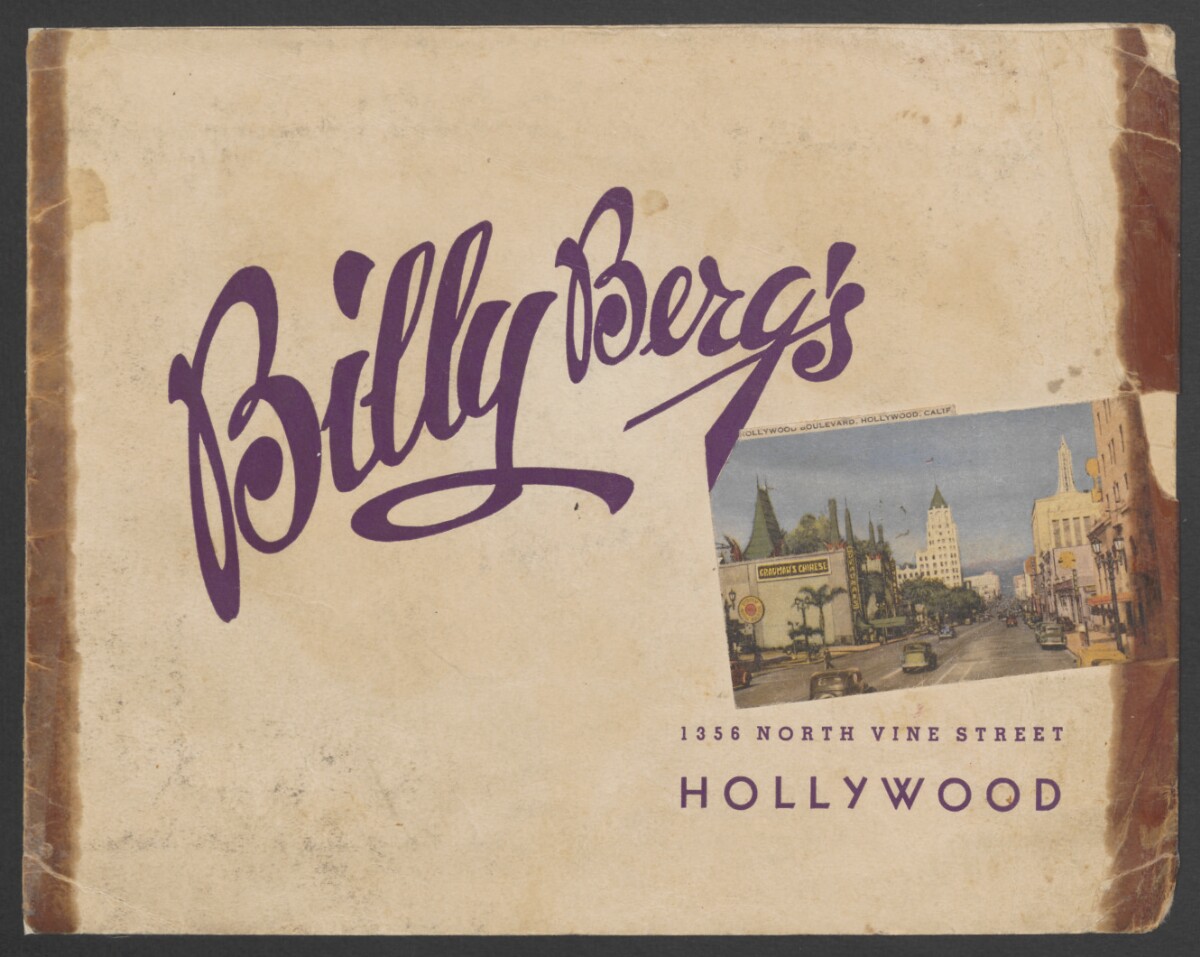
Billy Berg’s flyer, 1948.
Hernandez’s scrapbook is both intimate and wide in its scope. It shows a life full of friendship, romance, glamour, and travel. Early on in the scrapbook there is a souvenir flyer from Billy Berg’s, a night club in Hollywood. The flyer is dated 1948 and signed by musician and showman Slim Gaillard. After a little sleuthing, I found out that the club was known for being racially integrated and for being the first club on the West Coast to host Dizzy Gillespie and Charlie Parker. Billy Holiday also performed there.
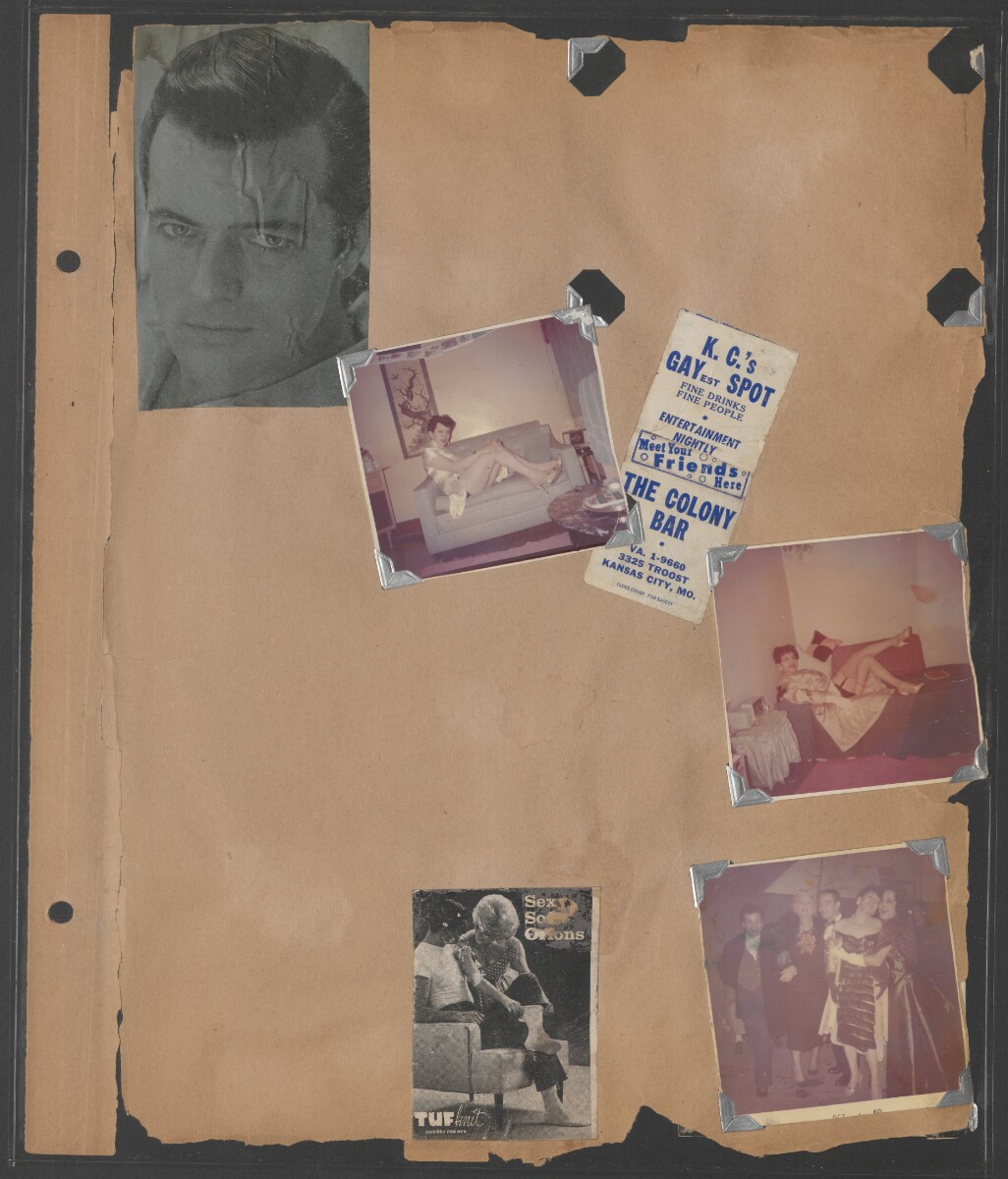
A page in the scrapbook that features The Colony Bar in Kansas City.
Another souvenir in the scrapbook is a matchbook from The Colony Bar, an openly gay bar that existed in Kansas City, Missouri in the 1960s. It was the kind of place that threw Tea Dances and flashed the lights on and off when they were about to get busted. Oh, how I wish I knew more!
The ticket stubs, matchbooks, flyers, and signed photographs are enough to create a national map of LGBTQ life in the U.S. from the late 1940s to the 1960s. I wish that I had the time to create this map and to describe the nightlife in detail. I also want to know more about Joe H. Hernandez and his friends and family. So, if anyone’s out there, reading this, and you would like to do further research on this scrapbook, please do and please share your findings!
Also, I want to take a moment to appreciate all of my colleagues who acquired, described, preserved, and digitized this scrapbook. Thanks to you all, this scrapbook is now available for anyone in the world (who has internet access and/or can visit the reading room) to research.
And, Happy Coming Out Day! To learn more about the Rubenstein Library’s LGBTQ materials, please stop by and say hello at our table at the Bryan Center.
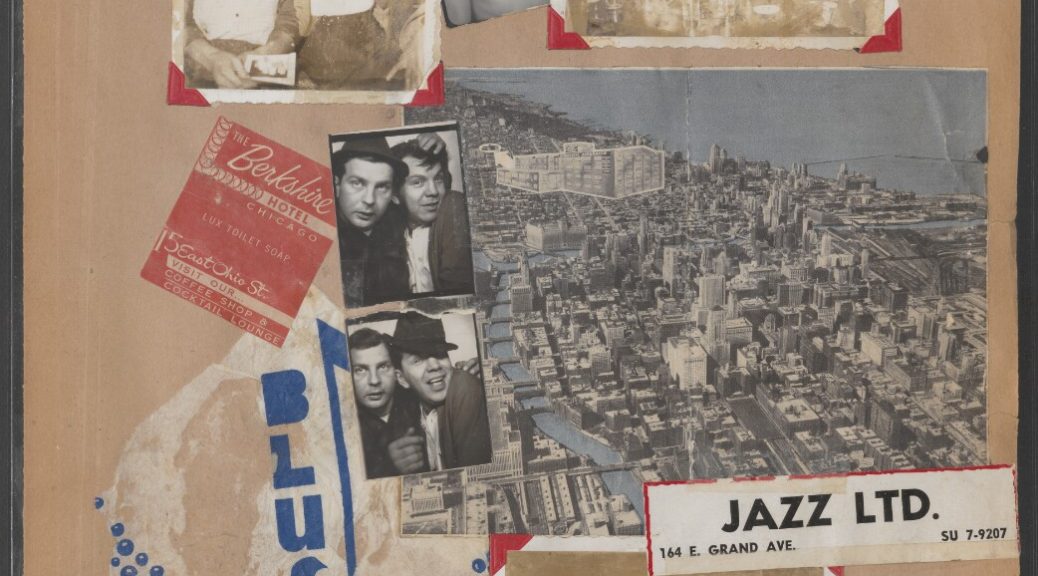
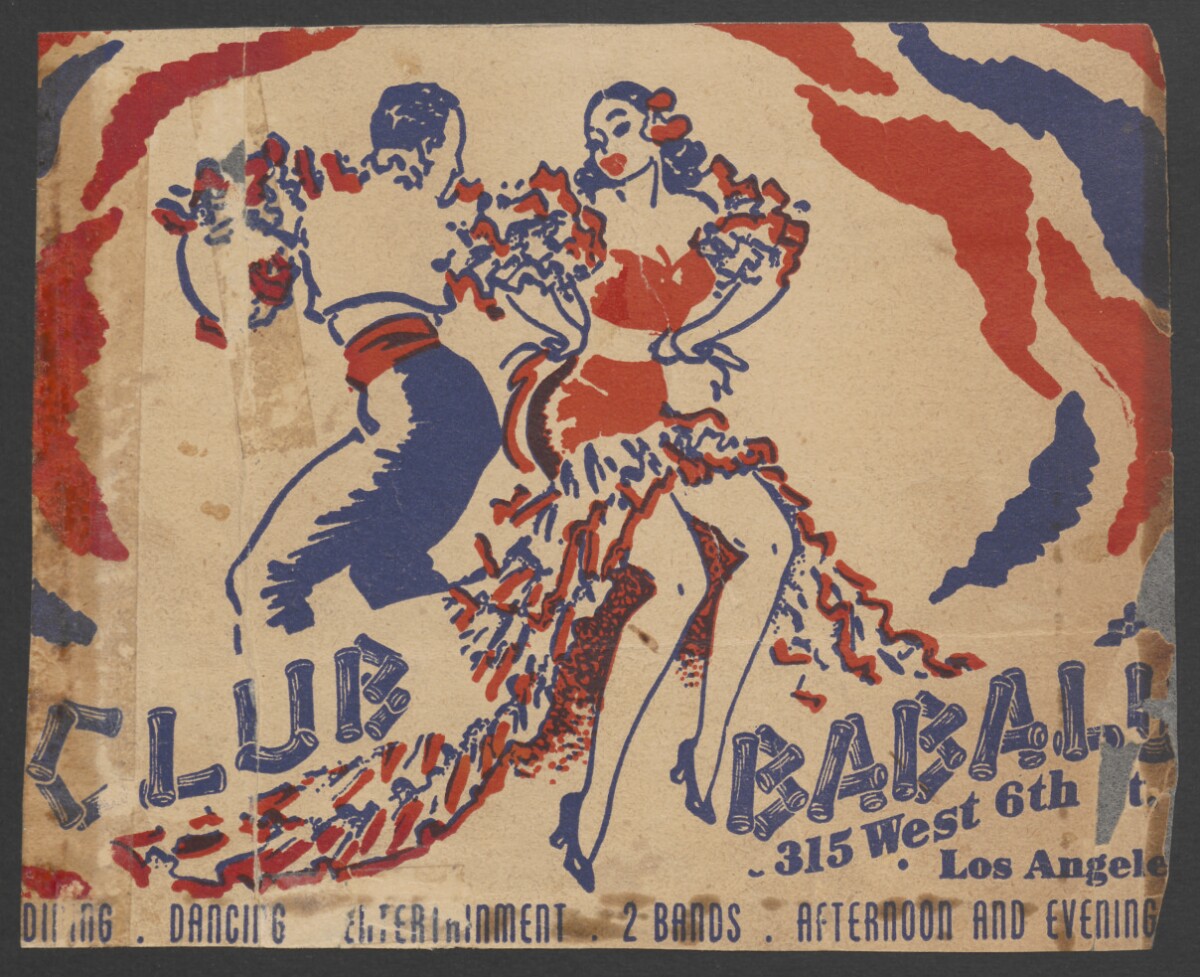
A flyer from Club Babalu in Los Angeles.A page in the scrapbook dedicated to Los Angeles.
The Devil’s Tale turns nine today! Since those first blog posts in 2009, our online and social media outreach has grown a bit, to Facebook, Twitter, Tumblr, and Instagram, but the blog is our first and dearest, and we’ll take any excuse we can get to make cupcakes.
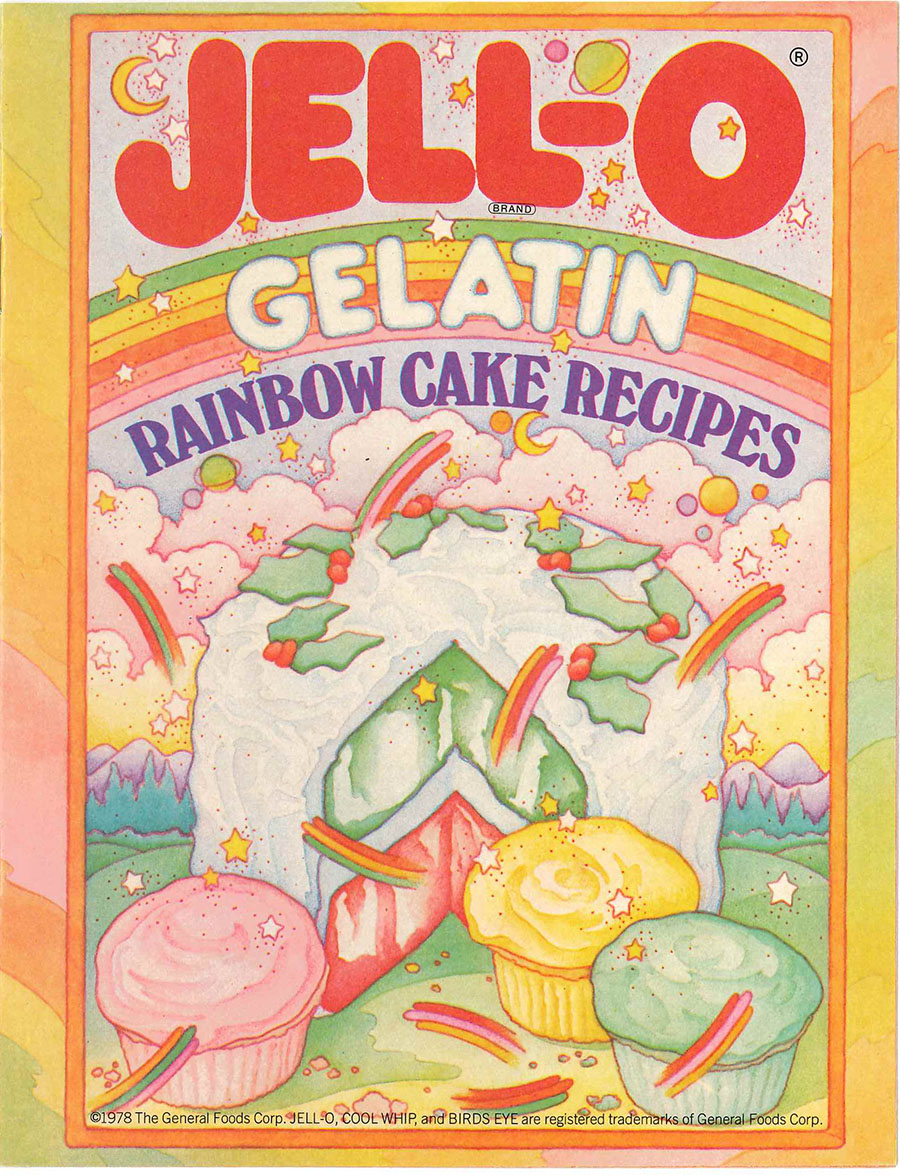
This little promotional cookbook contains a recipe for Pastel Clouds, cupcakes made from vanilla cake mix and flavored with Jell-O. Which is about all of the cooking energy I can muster on a Sunday afternoon. Here’s the recipe:
I have not visited the Jell-O section of a grocery store in many years and . . . there are so many flavors of Jell-O! I may have gone a little overboard: I got strawberry, raspberry, lemon, and peach and decided I’d make strawberry cupcakes with lemon icing and peach cupcakes with raspberry icing. Which, since I planned to make only one batch of cupcakes, meant dividing lots of things in half, but I managed. And it’s finally October, so I also had a chance to use my spooky Halloween baking cups (which might not fit with the “pastel clouds” vibe, but oh well).
Somewhere along the way in making the cupcakes, I realized things weren’t really developing into one of our normal Test Kitchen posts, with arcane measures and techniques and curious ingredients. Jell-O is still as weird and wiggly as when I was a kid, the strawberry is still the best, and the lemon is still . . . way too reminiscent of school cafeterias. This recipe, while not quite how I’d make cupcakes normally, still holds up forty years later. We’ll see if The Devil’s Tale makes it to that milestone!
Happy birthday, Devil’s Tale and thanks for reading, everyone!
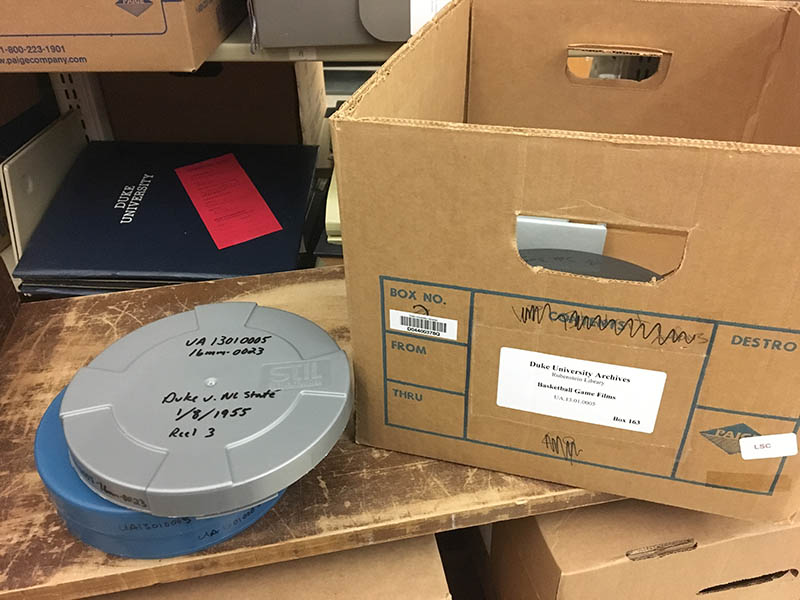
Duke University Archives is very proud to announce that select films of football games made by Duke Athletics are now available for viewing on the web!
This is exciting news for us, and we hope you will be excited, too. The digitized films are available in two different ways: within the complete collection guide and directly from the Duke Digital Repository.
Not all of the films are available, unfortunately, as not all have been digitized yet. Only the football game films that have been requested by our users and digitized within the last ten years or so can now be viewed by anyone. The story of how these films became available is a bit complicated, and demonstrates why making digitized content of archival materials is never as easy as folks might think.
The football game films have been in the archives since the 1980s, with additions coming in occasionally. The older films are all actual films – 16mm films, to be more precise. Later films were made on video, including Betacam and DVCam. In total, there are about 2,500 films representing more than 80 years of football games at Duke.
Staff have made copies of some game films for people to view since the originals first came the Archives, and as time went on the format of these copies changed: we have use copies of films on VHS, Betacam, DVD, and digital files.
To keep an inventory of these films, Archives staff created an Access database in the mid-2000s, which includes both football and basketball films. This database included the date of the game, the opponent Duke played, and the outcome of the game, as well as how many films had been made of the game and what boxes they were in. The database was later made available onlineso people could search it and find games they were interested in seeing, and also included some information about use copies.
A screenshot of the Sports Films Access database
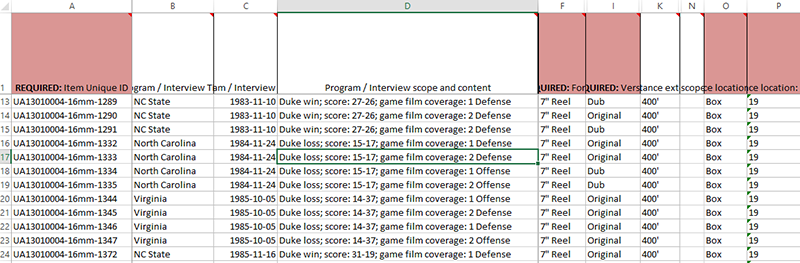
Unfortunately, the database was difficult, and then impossible, to update. We received more films from Duke Athletics, and more use copies were made, but the database didn’t include these new items. Also, our methods of keeping track of individual films changed. Our current archival practice for handling sound and motion picture recordings is to give each item a unique number so we can track it, and track any copies made of it. The database was made before we assigned these unique IDs to the films, so staff created a spreadsheet with information from the database plus the unique ID assigned to each film.
Screenshot of the Excel spreadsheet with information about the football game films
What’s more, we now manage all of the information about all of our collections in a separate, much larger database, ArchivesSpace. The sports film database could not talk to ArchivesSpace, and the spreadsheet version with the unique IDs wasn’t formatted to go into ArchivesSpace, either.
By 2016, we had well over a hundred boxes holding a couple thousand films of football games (and a similar situation with basketball films), and we had quite a lot of description about the games divided across several places, plus use copies of films and a few dozen digital files of games that people had requested, none of which were easily accessible to the public.
We know people want to see these films. We want people to see these films! So we set to work to figure out how to get a full list of all the games we had, in the same place and format where we keep all the information about our collections; how to let people know which ones have been digitized already; and also let people actually watch the ones that have been digitized.
First I had to get all the metadata about the films together into one place, formatted consistently, with the unique IDs we use to track them included. This involved lots and lots of spreadsheets. I used the original Access database, two different Excel spreadsheets that had been created to assign unique IDs and format data, and OpenRefine. I spent a lot of time cleaning up dates, moving things around, and just so much copying and pasting. I also had to figure out how to organize the films in a way that made sense both to human beings looking at the lists and the way ArchivesSpace stores and displays description. Finally, after months of wrangling spreadsheets, I got the description for football films from the 1930s through 1993 organized by opponent, in chronological order, with any other description we had (final score, what part of the game an individual film covered), and into ArchivesSpace. We created a collection guide that was available online, showing all this information, hooray!
Screenshot of the football films entered in ArchivesSpace
After that, there was still a lot of work to do to get the digitized films available for streaming online. I worked closely with Craig Breaden, the Audiovisual Archivist, to figure out what had been digitized and where those files were. Craig and I also worked extensively with Molly Bragg and Moira Downey in the Digital Production Center to get the digitized films into the Duke Digital Repository, the home of our digital collections. Moira did a ton of work and was very patient with me while we worked out how to do this, since it involved once again making sure the metadata we had was formatted in a way that worked with the DDR systems, that we knew what and where the files were, and many other steps.
Once Moira did the bulk of the work in getting the films into the DDR, there were still a few steps I and my colleague Noah Huffman needed to do to make sure the films would be visible within the collection guide. We were able to make sure metadata from the DDR went into ArchivesSpace, then once Molly’s team published the digital collection, reposted the collection guide. And voila!
Screenshot of Football Game Film Collection guide showing streaming 1984 Duke vs. UNC game film
Getting digitized archival material available for almost seamless viewing by the public takes a lot of preparation and work behind the scenes. The technologies we use to make copies of recordings, the methods we use to keep track of our materials, and the way we store and display materials online all change rapidly and frequently, so any endeavor like this, even one that seems simple, takes multiple people, multiple systems, and a surprising amount of time. So far, there are 38 films from the Football Game Films Collection available online, but there is still a lot of work to be done with this collection: there are more films to add to the collection guide, and other copies made of films that we hope to make available.
The staff of University Archives is very excited to make the digitized football films available, and we’re glad all our work went in to something we think a lot of people will enjoy. I’m currently working on repeating this process with the Basketball Films, so stay tuned!
What did people know about the anatomy of our eyes and the causes of eye diseases in Europe in the sixteenth and seventeenth centuries? How did they understand vision and think about the sense of sight? My dissertation “Dissecting Sight: Eye Surgery and Vision in Early Modern Europe” tries to answer these questions. Thanks to a generous History of Medicine travel grant, I could consult the wonderful collections at the David M. Rubenstein Rare Book & Manuscript Library to support my project.
The absolute highlight of my visit is the book Ophthalmodouleia, das ist Augendienst by the German surgeon Georg Bartisch, published in 1583 in Dresden. It is one of the earliest publications on eye diseases and eye surgery, and is written in vernacular German. Bartisch was a man of modest upbringing who never received university medical training, yet he was appointed oculist to the Elector of Saxony late in his life.
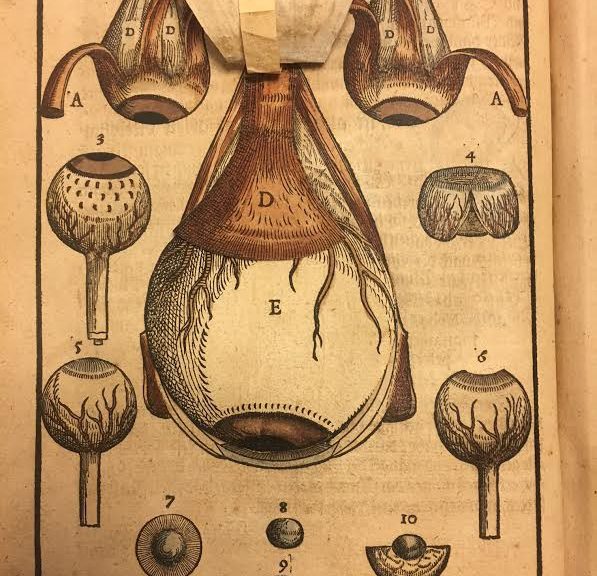
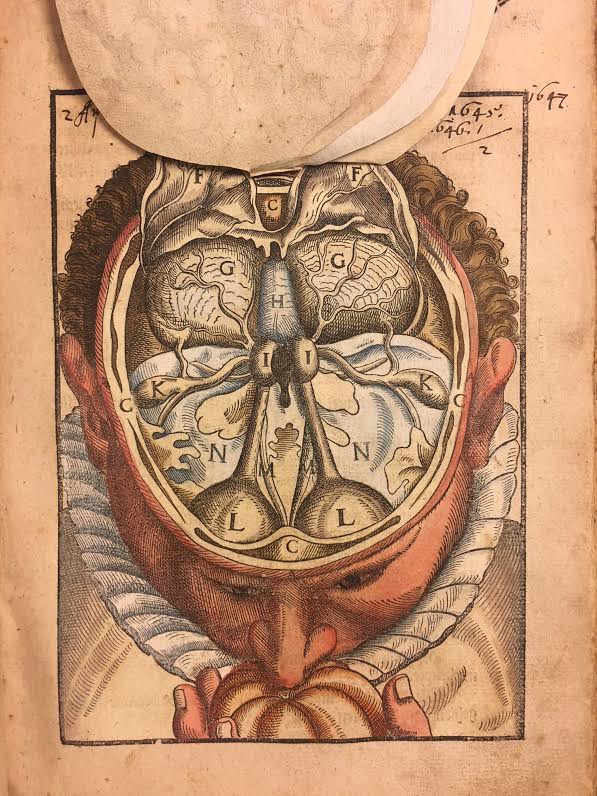
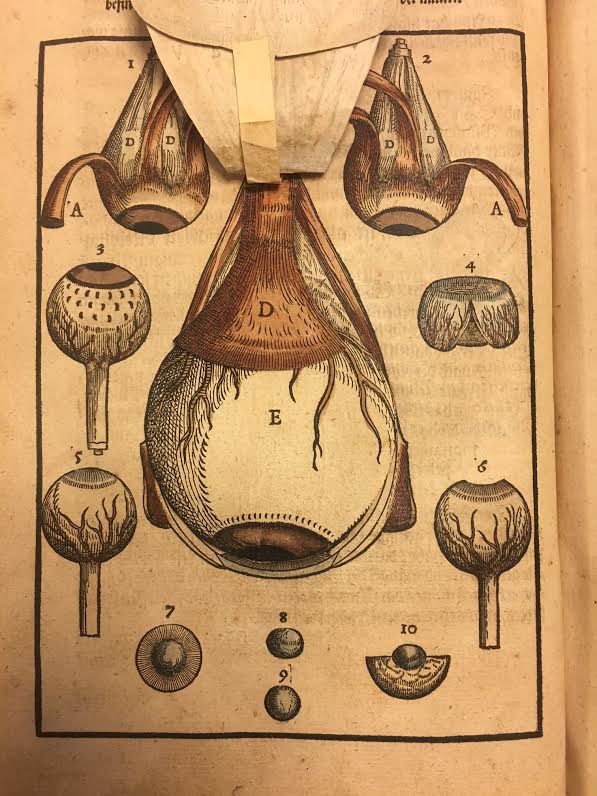
Bartisch’s treatise is about the mechanism of seeing, but also enacts an experience of seeing. The most striking feature of this book is the great number of finely-executed illustrations alongside the texts. These woodcuts depict various subjects related to ocular disorders and surgical techniques. The Rubenstein Library has one of the very few hand-colored copies of this treatise. While I have already seen this edition in black and white elsewhere, examining this beautiful hand-colored copy was a very different experience and brought new insights.
Two sets of the illustrations are movable flaps, representing the internal structure of the head and the anatomy of the eye respectively. The red blood vessels, light brown iris, and the meticulous shading and cross-hatching help distinguish different parts of the eye. They evoke the ocular surgical procedure, and prompt the readers to ponder their own faculty of vision when they lift these sheets layer by layer.
Some of the images representing surgical tools were even heightened by gold and silver, such as this pair of scissors, thereby accentuating their intricate and elegant design.
Bartisch’s Ophthalmodouleia represents an emergent interest in the anatomy and physiology of the eye from the late sixteenth century. It also serves as a great example of how medical knowledge could be visualized and communicated at that time.
Post contributed by Esther Cyna, doctoral student in History and Education at Teachers College, Columbia University, a recipient of a 2018 Marshall T. Meyer Research Travel Grant.
How did advocates for equal educational opportunities for children in North Carolina shift their legal strategies when desegregation battles became increasingly difficult to wage in the mid-1970s? It is with this research question in mind that I explored the American Civil Liberties Union of North Carolina (NCCLU) records, which are part of the Human Rights Archive at the David M. Rubenstein Rare Book & Manuscript Library. I spent a week exploring this rich collection to get a better understanding of civil rights attorneys’ thinking.
One case in particular captures many of the tensions that my work seeks to disentangle: Leandro v. State of North Carolina, the major school finance case in the state, tackles issues of educational inequalities in the state and sheds light on structural inequities exacerbated by an inequitable funding formula, and provides a fascinating example of how legal strategy changed over time.[1]
While at Duke University, I had the honor of interviewing a leading scholar and attorney in the field, Prof. John Charles Boger, former Dean of the UNC Law School, whose name appeared in the NCCLU papers on several occasions, and who was involved in writing amici briefs for the Leandro case in the 1990s and 2000s.[2] I was immersed in the NCCLU papers, and then had a long conversation with Prof. Boger in the Von der Hayden Pavilion, just a few feet away from the archival research room, in a wonderful dialogue between written sources and human accounts.
One of the major themes in this research is the relationship between funding inequities and test scores, and implications for poor students’ opportunities. The period that I study witnessed the rise of standards-based reform and standardized testing, most notably promoted by Governor Jim Hunt. Attorneys in the Leandro case underlined the disturbing correlation between low-wealth—and therefore low funding, since school funding relies on property tax—and low achievement as measured by standardized tests. The following excerpts from the initial Leandro complaint points out that students in poor, rural counties in the state often failed on the state’s own standards because of a chronic lack of resources in their districts.[3] Attorneys claimed this was evidence of the state’s failure to honor its constitutional obligation to provide a sound basic education to all children in the state:
“The inadequacies of the educational opportunities for schoolchildren in the plaintiff districts may also be seen from the State’s designation of the school systems of Halifax, Hoke, Robeson, and Vance Counties as being on either low performing or warning status for 1991, 1992, and 1993.” (Complaint draft, Leandro v. State, May 25, 1994, p. 21)
“A further indication of the inadequate educational opportunities available to schoolchildren in the plaintiff districts is student performance on the State’s own standardized tests.” (Complaint draft, Leandro v. State, May 25, 1994, p. 76)
Delving into these issues thus provides us with necessary context to understand what many have called the “achievement gap,” as well as labels such as “low performing” and “failing,” which became increasingly used to designate poor, struggling school districts at the end of the 20th century.
In the Common Sense Foundation records of the Human Rights Archive, I found that in 2001, a commission sponsored by the Durham Public Education Network studied the discrepancy between test scores of white students and black and Hispanic students in the public schools of Durham, North Carolina. 90% of white and Asian students performed at or above grade level in reading and math, compared to 60% of African American students. The report included the following sentence in bold, capital letters: “the achievement gap is no one’s fault, but it’s everyone’s responsibility.”[4] The statement suggests that differences in test scores between students could not be traced to the decisions and policies of historical actors. The commission agreed that the difference should be addressed, but it presented it as a disembodied reality: the “achievement gap”—as measured by standardized testing in 2001—had no history, no context, and no fixed meaning. Yet understanding the history of unequal funding and chronic disadvantage for poor school districts and poor students sheds light on a true, documented opportunity gap.
The Marshall T. Meyer travel grant allowed me to delve into archival sources that will be the backbone of a chapter on legal strategy in my dissertation, and I want to thank Patrick Stawski and the entire staff at the library for their support. Not only did I gather important archival sources, but I was also able to really gain a much better understanding of the legal and economic context of the period I am investigating. I left the library with a lot of pictures, but more importantly with a deeper and much more nuanced understanding of people’s actions, discourse, and beliefs.
[1] American Civil Liberties Union of North Carolina Records, Box 323, Folder: “Paralegal Office Cases, Leandro (4 of 14), Complaint / Super Ct.,” David M. Rubenstein Rare Book & Manuscript Library, Duke University.
[2] See for example NCCLU papers, Box 284, Folder: Legal Committee Meeting Minutes, 1987, July 17-1997, Dec. 6. Prof. Boger’s work was praised in a NCCLU meeting document: “Leandro v. State – amicus brief was filed at the NC Supreme Court. Kudos were given to Ann Hubbard and Jack Boger for their fantastic job on the brief.”
[3] Complaint draft of Leandro v. State, May 25, 1994, American Civil Liberties Union of North Carolina Records, Box 323, Folder: “Paralegal Office Cases, Leandro (4 of 14), Complaint / Super Ct,” David M. Rubenstein Rare Book & Manuscript Library, Duke University.
[4] “Closing the Achievement Gap Through Community Action” Spring 2001, Common Sense Foundation Records, Box 14, Folder: “Achievement Gap,” David M. Rubenstein Rare Book & Manuscript Library, Duke University. I also found a copy of this document in the Theresa El-Amin papers. “Closing the Achievement Gap Through Community Action” Spring 2001, Box 4, Folder “Durham Public Schools: Education+Testing,” sub-folder “Closing the Achievement Gap,” Theresa El-Amin papers, David M. Rubenstein Rare Book & Manuscript, Duke University.
We’re starting the school year off w/ lots of interest in Duke’s complex history, which warms (and engages) our archivist hearts. So here’s a handy compilation of ways to learn more about Duke history at the University Archives!
Travel through 178 years of Duke history with this nifty timeline.
Or grab your coffee & head to the permanent Duke University history exhibit outside the Gothic Reading Room.
Learn more about the workers who built the Duke campuses & their working conditions on the website created by this past summer’s Story+ project, “Stone by Stone: Who Built the Duke Chapel?”
Ourresearch guideswill point you to key resources on popular topics, like athletics & student activism.
Or you can browse our online exhibits! Integration, Duke during World War II, Duke’s queer history—find them here!
The Duke Chronicle, Duke’s student-run newspaper, is a fantastic historical resource. We’ve digitized the very first issue (December 19, 1905) through Feb 1989 and you can read/search through them here. 1990s issues will be available this fall!
103 years of the Chanticleer (Duke’s yearbook) are also browsable online. So many retro hairstyles!
Post contributed by Tanya Thomas, Radio Haiti Student Assistant
Student Assistant Tanya Thomas.
As a Haitian-American raised in Miramar, FL and Petit-Goâve, Haiti, moving to Durham, NC in 2013 for my freshman year at Duke was a culture shock. For one thing, I learned the hard way that ordering patties from a restaurant menu meant getting the ground beef portion of a burger, not a deliciously deep-fried, meat-filled Caribbean staple. As I began to settle into life at Duke and in Durham as a pre-med student majoring in International Comparative Studies with a focus on Latin America and the Caribbean, I started working on the Rubenstein Library’s Radio Haiti Archive project. The main part of my job was to listen to interviews from Haiti’s first independent radio station, Radio Haiti-Inter, a station that ran from the early 1970s to 2003, finally closing a few years after the assassination in spring 2000 of the station’s director, the agronomist-turned-journalist Jean Dominique. Working on the Radio Haiti project was my work-study job, but the job meant so much more to my Duke experience than extra cash. It gave me the opportunity to explore and understand the history of my homeland, which is why when I graduated in 2017, I wanted to keep working on the project, even while applying to medical school and working as a medical scribe in Miami.
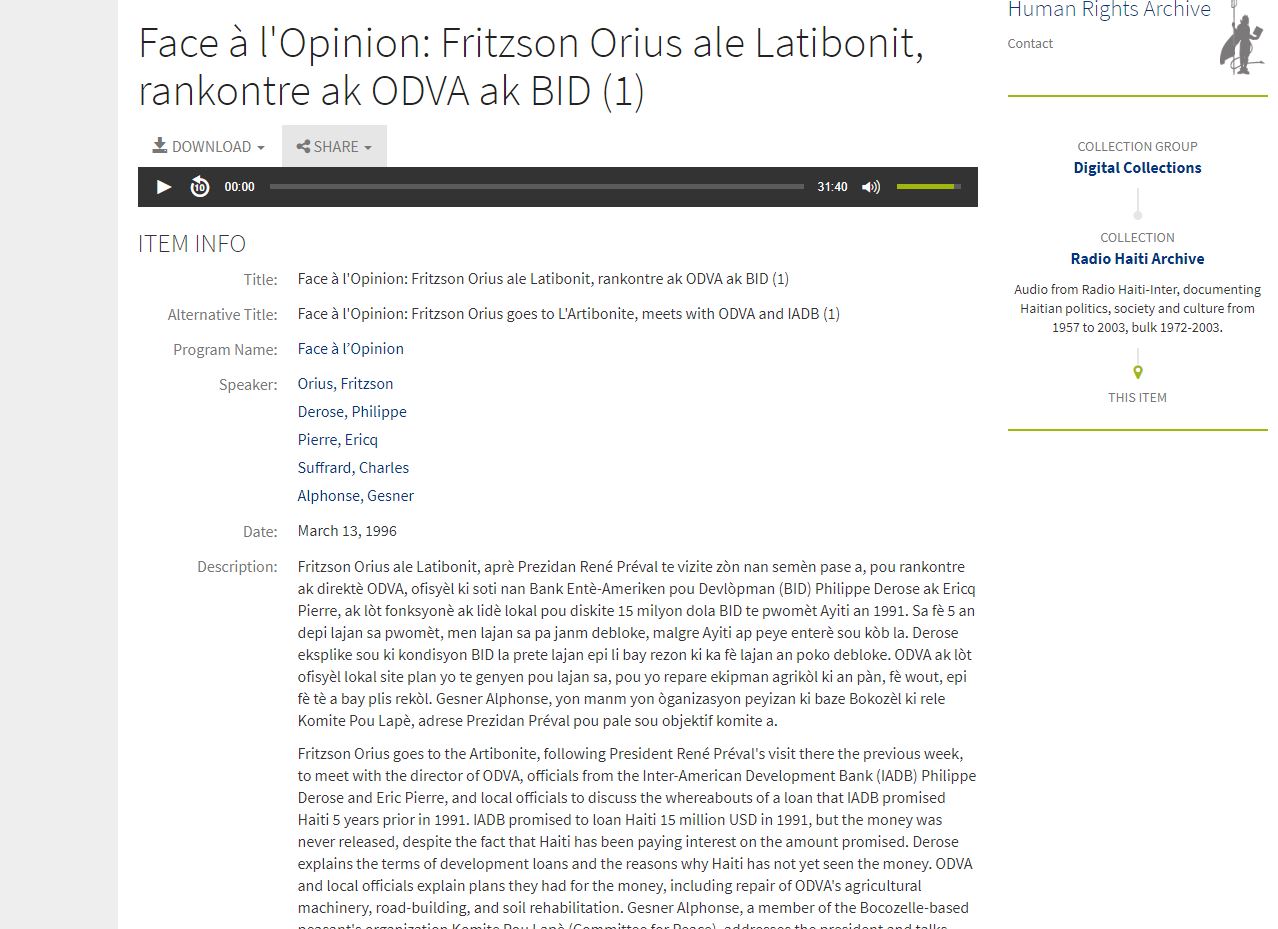
A screenshot of an interview described by Tanya Thomas in the Radio Haiti Archive.
As an assistant for the Radio Haiti Archive, part of what I do is listen to Jean Dominique’s daily Face à l’Opinon interviews. I then describe these interviews in English and Haitian Creole so that anyone, from academics who study Haitian history to someone curious about twentieth century Haitian life, can browse and learn. I tag the relevant topic, place, and name labels to go with the descriptions. What made Radio Haiti special was the fact that Jean Dominique interviewed peasant farmers and grassroots activists just as often as he did political leaders and members of the intellectual and economic elite. It’s one thing for a renowned journalist to interview a member of parliament about how a policy affects peasants. It’s another to interview a rice farmer and local activist about how government organizations are actually impacting their livelihoods. No social position was too small to be heard on Radio Haiti. Listening to hundreds of these interviews helped me gain skills and insights that I will use moving forward as a doctor who aims to provide care to underserved populations.
Tanya Thomas working with Laura Wagner, Radio Haiti Project Archivist.
As a medical scribe, I work in the consult room as the patient is being seen by the doctor. I listen to their health concerns in real-time and type their symptoms and relevant information about their life circumstances into their electronic medical record. In the summarizing sections of the notes, I condense the entire visit to the patient’s most pressing symptoms. I also record what the doctor tells me that she or he finds during the physical examination, and the treatment plan they decided on with the patient. I write these notes not only for the doctor’s own reference, but also for anyone with access to the patient’s record. For example, this could be a paramedic taking a seriously ill patient to the hospital, or a judge in a court of law if the visit were to come up in a medical malpractice lawsuit.
In that respect, medically scribing a patient encounter is quite like describing Radio Haiti recordings. In both these jobs, my notes must be clear enough to lay out the situation so that someone reading what I wrote for the first time can be caught up enough to know what the most pressing thing that happened was, and what related issues can be investigated for further context. Though I am a subjective human being, I must faithfully and dispassionately communicate what happened and who said it with as little subjective input as possible. Whether listening to descriptions of injustice and human rights violations in the Radio Haiti materials, or creating a record of the pain and suffering of a patient in the clinic, it can be difficult to keep my emotions from clouding my understanding of events, but critical distance remains crucial to the work at hand. Moreover, the patients we served in the Miami clinic were, like many of the people Jean Dominique interviewed at Radio Haiti, people who are excluded from the political process or silenced in clinical encounters: immigrants, undocumented people, people who do not speak English, and poor people. I have learned to balance the processing of personal information with the larger social responsibility of providing a service to the marginalized, and this skill is something I will keep nurturing throughout medical school and beyond. As I reflect on this past year and prepare to start medical school this month, I realize that by working as a medical scribe and an assistant for the Radio Haiti Archive the most important skill I have learned this year has been listening. As one of Radio Haiti’s old jingles went, “Radyo Ayiti: anvan nou pale, nou koute w!” (“Radio Haiti: before we speak, we listen to you!”)
The Rubenstein Library staff, and particularly the Radio Haiti team (Laura Wagner, Craig Breaden, Patrick Stawski, Sarah Schmidt, and Naomi Nelson) would like to congratulate Tanya on starting medical school at the University of Miami Miller School of Medicine this week! We are proud of you, we appreciate everything you’ve done for this project, and we wish you bon chans as you undertake this next exciting step.
The processing of the Radio Haiti Archive and the Radio Haiti Archive digital collection were made possible through grants from the National Endowment for the Humanities.
Post contributed by William R. Benner, Assistant Professor in the Department of English, Speech, and Foreign Languages at Texas Woman’s University, a recipient of a 2018 Marshall T. Meyer Research Travel Grant.
“Bet-el pamphlet 1984”, Marshall T. Meyer Papers, Box 14, David M. Rubenstein Rare Book & Manuscript Library, Duke University.
How do we fight for truth and justice in a market driven present? This is an ethical question that is central to my current research on the post-dictatorship generation’s brand of activism in the Southern Cone and it is a question that drew me to the Marshall T. Meyer papers in the Human Rights Archive housed in the David M. Rubenstein Rare Book and Manuscript Library at Duke University. My trip was made possible by a generous Marshall T. Meyer Research Travel Grant. I would like to thank Patrick Stawski and Eric Meyers for their expertise and enthusiasm in my research. I would also like to thank the staff at the Rubenstein and Perkins Libraries for their professionalism.
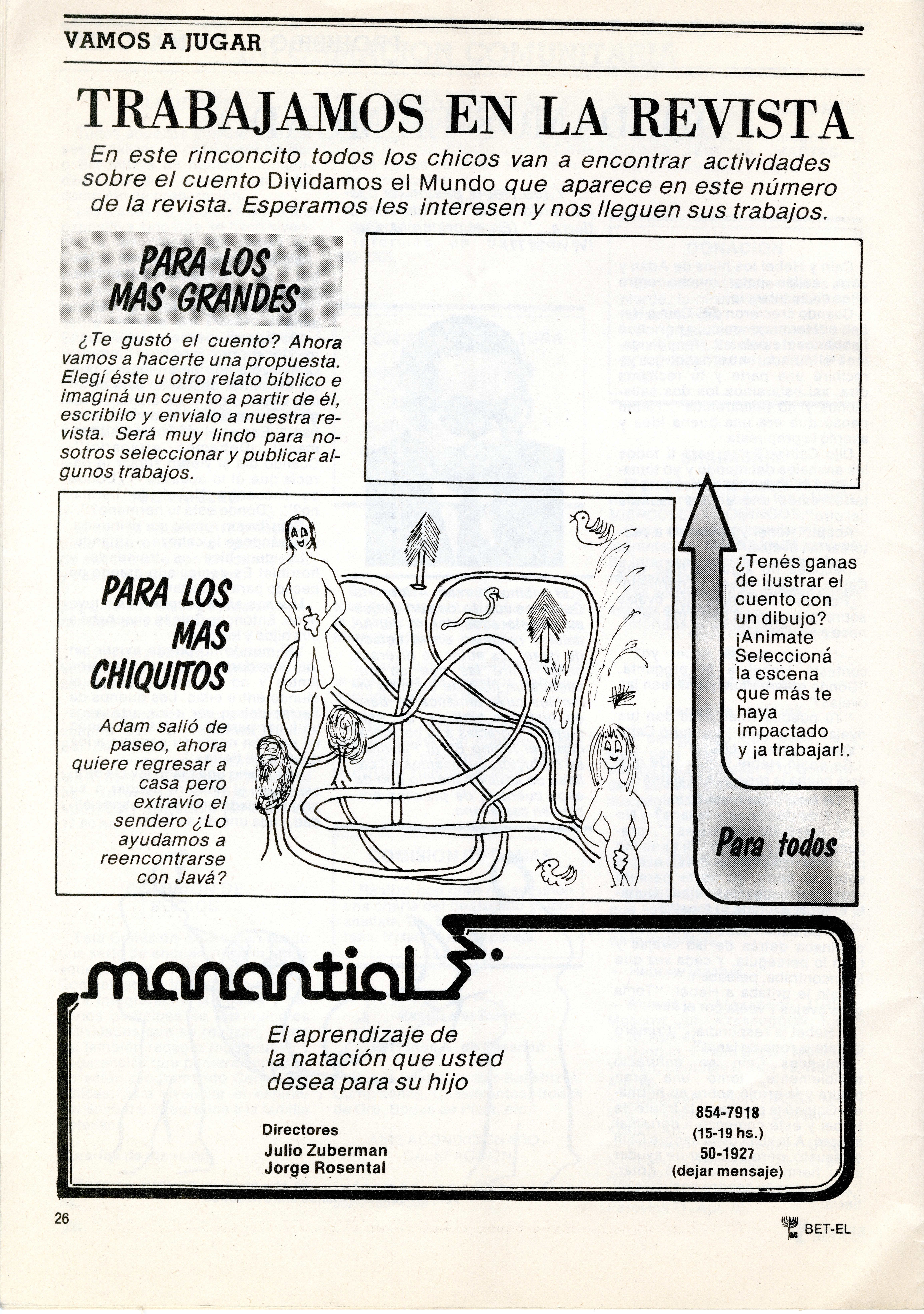
After a week of diving into the Marshall T. Meyer and the Abraham Joshua Heschel archives, I began to notice a curious difference between Heschel’s and Meyer’s usage of synagogue pamphlets. While Heschel’s pamphlets emphasize the progressive vision of Jewish life within the current cultural, philosophical and political atmosphere, Meyer’s Bet El pamphlets include a wider range of local and international political and cultural topics. Further, Bet El’s pamphlets were clearly written for adolescents as there is a section at the back that asks the youth about a variety of topics. Interestingly, Meyer even included advertising for local companies whose employees supported the synagogue. When asked in the magazine Nueva presencia about the success of the Bet El synagogue during the repressive military dictatorship in Buenos Aires (1976-1983), Marshall Meyer responded by insisting “éxito” or “success” was an inappropriate term to describe the growth of Bet El. He explained that the term is used for commercial reasons and puts synagogues in competition with each other. Instead, Meyer states that it is the congregation’s collective search for an authentic spiritual identity that has encouraged the community to grow.
“Bet-el pamphlet 1984”, Marshall T. Meyer Papers, Box 14, David M. Rubenstein Rare Book & Manuscript Library, Duke University.
I am currently working on an article examining Meyer’s use of pamphlets to distribute his progressive vision of religious activism. Meyer’s ‘success’ and his discomfort with the notion of commercial success is a conflict that I observe in the recent artistic productions by the post-dictatorship generation in Argentina. For example, in the blog Diario de una princesa montonera, the author and child of the disappeared Mariana Eva Perez confesses “Luchás por la identidad y la justicia y al mismo tiempo acumulás millas/ You fight for truth and justice and at the same time you accumulate [frequent flyer] miles”. Perez, like Meyer before her, struggles with the idea that she is in some way profiting off of the suffering of others. In the future, I hope to incorporate my archival work on Marshall T. Meyer in a larger book project that will attempt to articulate different practices of human rights activism during and after the last dictatorship in Argentina and how these practices addressed the ethical issue of ‘success’.
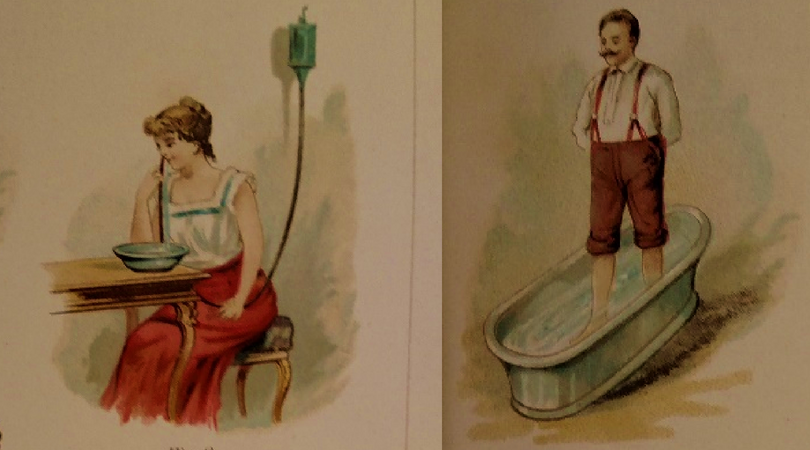
“Methods of Applying Water” from New Curative Treatments of Disease… vol. 1, (1901) Fig. 1 – Exercising in a cold bath, Fig. 2 – Nasal douche, Fig. 3 – Foot bath, Fig. 4 – Head bath
What is that rash? What should you do if you have a snakebite? Are carrots really good for one’s health? What does chicken pox look like?
Long before WebMD and other online tools existed, popular medicine guides were created and consulted to answer such questions. In the United States, there is a long tradition of such home health guides designed to help the common person diagnose and treat illnesses. These guides, often physician-approved and authored, included ways to prevent illness and injury while offering instructions and remedies.
Home health guides offered laypeople (assuming they could read) information on a range of topics: basic anatomy, symptoms of illnesses, exercises for good health, “cures” by water or electricity, sexual education, and much more. These popular medicine guides continued well into the twentieth century with works like Our Bodies, Our Selves. Such works are still printed today in the digital age.
An exhibit featuring a sample of these popular medicine guides from our History of Medicine Collections is currently on display. You can visit the exhibit What You Can Do Yourself: Home Health Guides in the History of Medicine in the Josiah Charles Trent History of Medicine Room from July 24 – October 13, 2018.
Post contributed by Molly Brookfield, a Ph.D. candidate in the departments of History and Women’s Studies at the University of Michigan. She is writing a dissertation about the history of sexual harassment in public places in the United States. Her research at the Sallie Bingham Center was generously funded with a Mary Lily Research Grant.
Imagine you are a young woman walking down the street on a sunny summer day in New York City. The sidewalk is crowded with people and you are thinking about the day ahead. You’re so absorbed in your thoughts that the shouted remark from a fellow passer-by jolts you unpleasantly back to your surroundings. The remark comes from a man who is also hurrying down the sidewalk. Maybe he shouts, “Looking good, honey!” or “How’s it going, sweetheart?” The specifics of the remark aren’t what’s important; it’s enough to know that he’s tried to grab your attention in a loud and public way that has startled you and forced you to acknowledge his presence. Annoyed, you turn to face the man, reach into your bag, and grab hold of a stack of cards you’ve had made for this occasion. You hand a card to the catcaller, and his eyebrows arch as he reads the first lines: “Brother, I feel insulted and oppressed by your comment. You and men like you make it unpleasant and difficult for all of us women, including your mothers, sisters and daughters, to leave our houses alone. Why are you constantly harassing us on the street?”
This was the tactic taken by New York feminist Marigold Arnold in 1971. That summer, Arnold handed mimeographed cards to men who harassed her in the street and the Women’s Health and Abortion Project published the full text in their newsletter—which is where I found it, while visiting the Sallie Bingham Center on a Mary Lily Research Grant. According to her mimeographed card, Arnold wanted men who catcalled to know that they “interrupt … [women’s] train of thought when we are walking alone, acting as though simply because you are a male we will be honored by your talking to us.” But Arnold was adamant, “We don’t feel honored.” In distinctly 1970s-flavored rhetoric, Arnold’s card declares, “The road of true liberation for all people is for each of us to struggle against oppressing our brothers and sisters. No more oppressive comments to women on the street.”
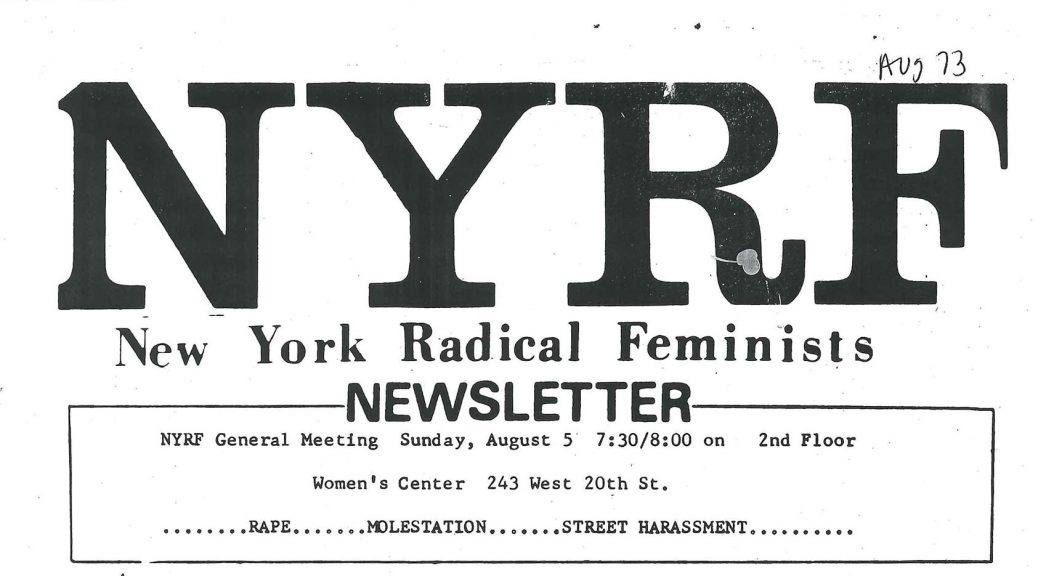
Arnold’s mimeographed statement was just one way that New York women resisted sexual harassment on the street in the 1970s. The New York Radical Feminists (NYRF) had a Street Harassment Committee that held self-defense workshops. Women raised awareness of street harassment with poems, stories, and cartoons in the group’s newsletter (see image). In 1976, members organized a Women’s Walk Against Rape, similar to the more recent Take Back the Night marches. When one of their members was harassed in Zabar’s, a deli on Broadway, the NYRF even started a blacklist of New York businesses where male employees harassed women.
These documents illustrate that women have experienced sexual harassment in public places since at least the 1970s (and my dissertation will show it has been a problem for much longer). While the New York Radical Feminists did not completely succeed in eradicating street harassment, their work can be viewed as a precursor and inspiration to groups like Hollaback! or Stop Street Harassment, work that is increasingly relevant as we continue to grapple with the pervasiveness of sexual harassment in American society.
All materials cited here can be found in the New York Radical Feminists Records, Box 1 at the Sallie Bingham Center for Women’s History and Culture.
Dispatches from the David M. Rubenstein Rare Book and Manuscript Library at Duke University





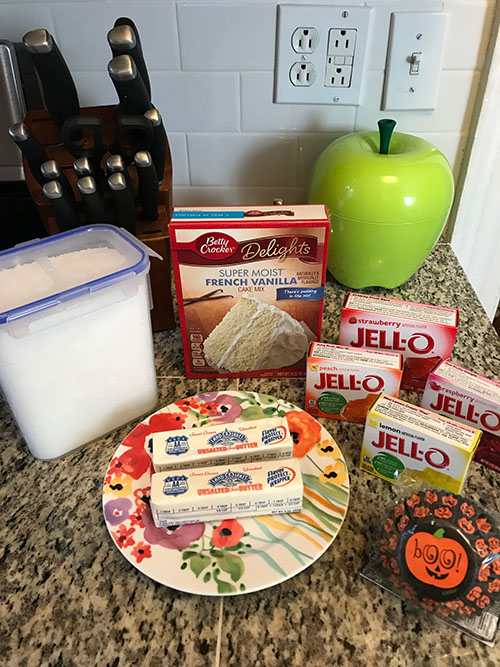 I have not visited the Jell-O section of a grocery store in many years and . . . there are so many flavors of Jell-O! I may have gone a little overboard: I got strawberry, raspberry, lemon, and peach and decided I’d make strawberry cupcakes with lemon icing and peach cupcakes with raspberry icing. Which, since I planned to make only one batch of cupcakes, meant dividing lots of things in half, but I managed. And it’s finally October, so I also had a chance to use my spooky Halloween baking cups (which might not fit with the “pastel clouds” vibe, but oh well).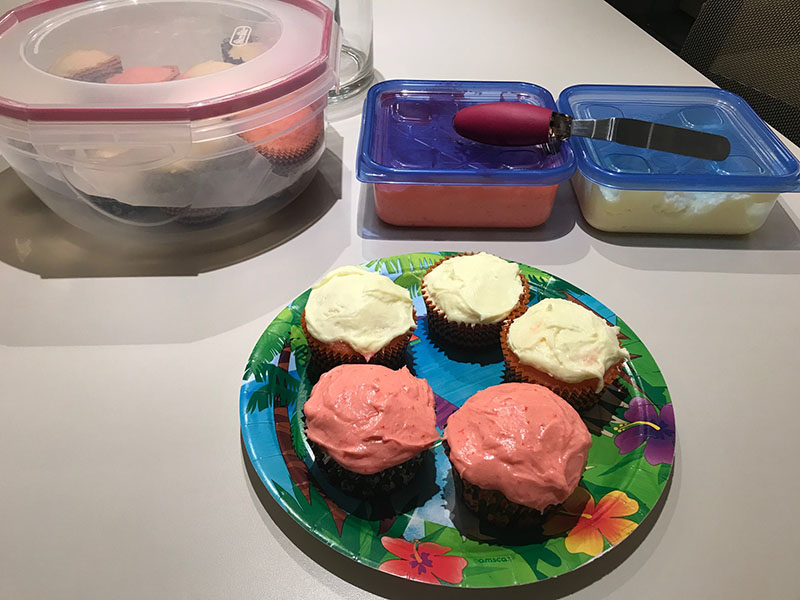




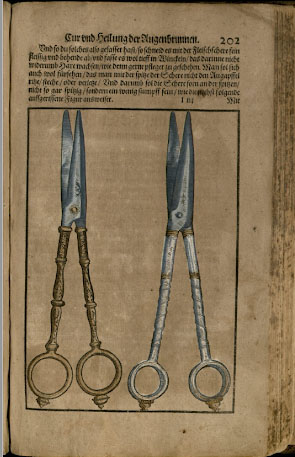 Some of the images representing surgical tools were even heightened by gold and silver, such as this pair of scissors, thereby accentuating their intricate and elegant design.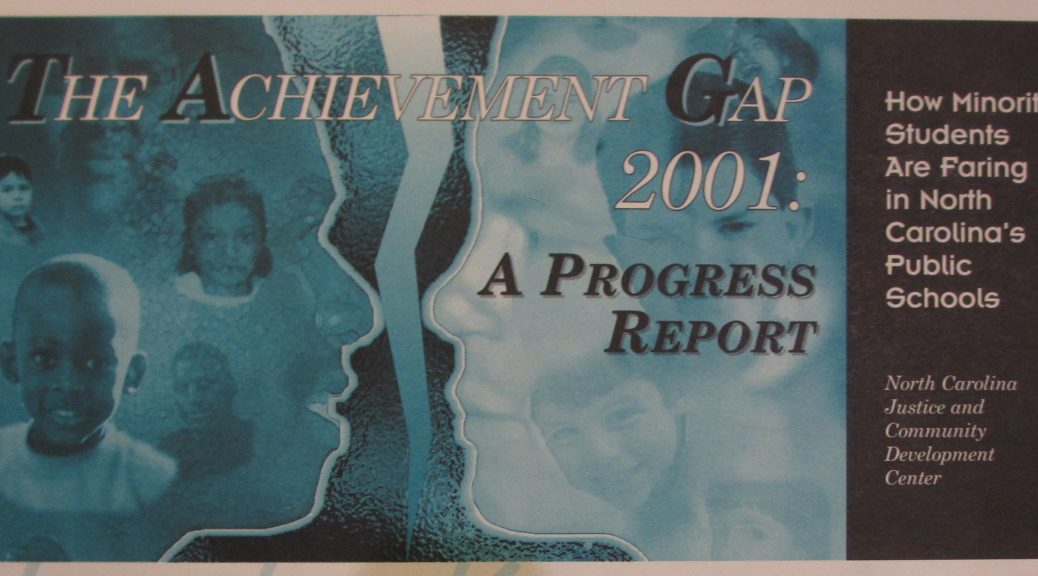






 Arnold’s mimeographed statement was just one way that New York women resisted sexual harassment on the street in the 1970s. The New York Radical Feminists (NYRF) had a Street Harassment Committee that held self-defense workshops. Women raised awareness of street harassment with poems, stories, and cartoons in the group’s newsletter (see image). In 1976, members organized a Women’s Walk Against Rape, similar to the more recent Take Back the Night marches. When one of their members was harassed in Zabar’s, a deli on Broadway, the NYRF even started a blacklist of New York businesses where male employees harassed women.