Identity Crisis

Our manuscripts cataloger, Alice Poffinberger, recently showed me a merchant’s daybook from Normal College, Randolph County, NC. For those unfamiliar with the history of Duke, Normal College was renamed Trinity College in 1859, which was renamed Duke University in 1924. The Normal College daybook dates from 1852 to 1853, and includes the names of the school’s students and faculty, including its president, Braxton Craven, and Enoch Faw.
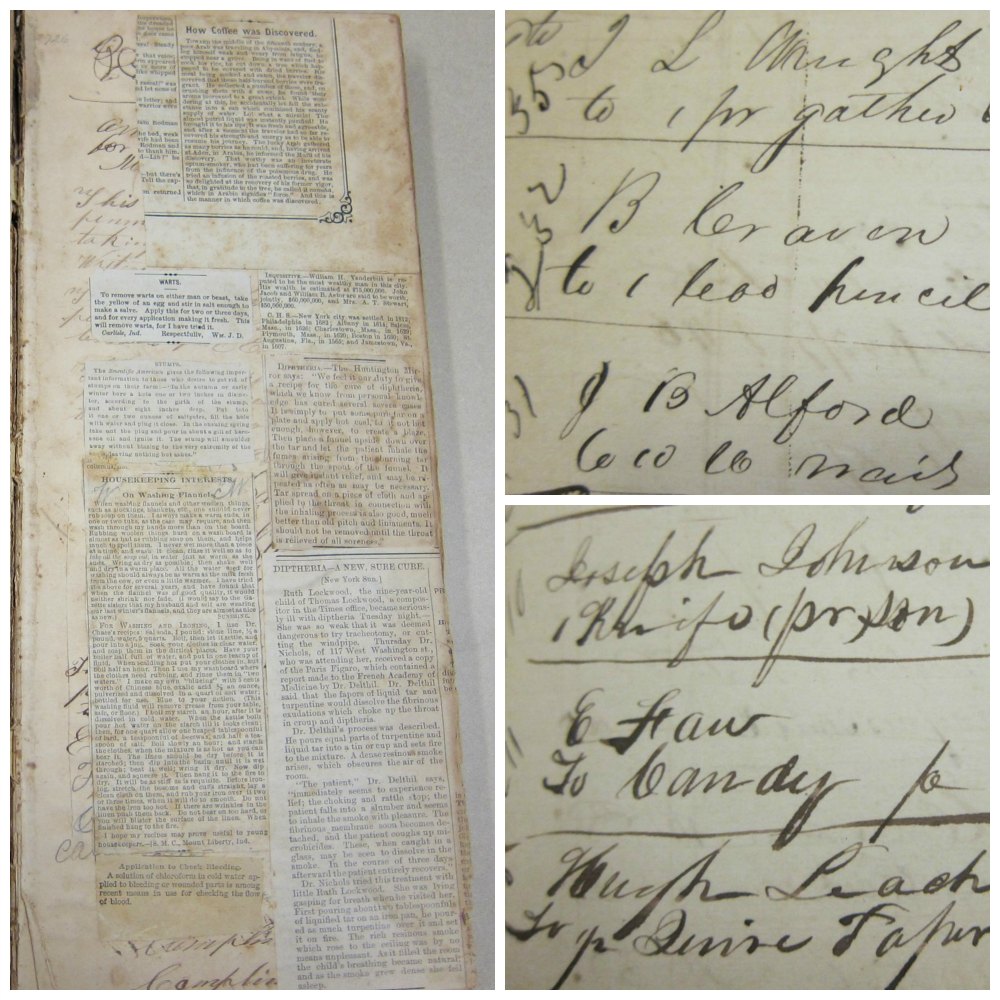
Inside the daybook, including entries mentioning Braxton Craven and Enoch Faw.

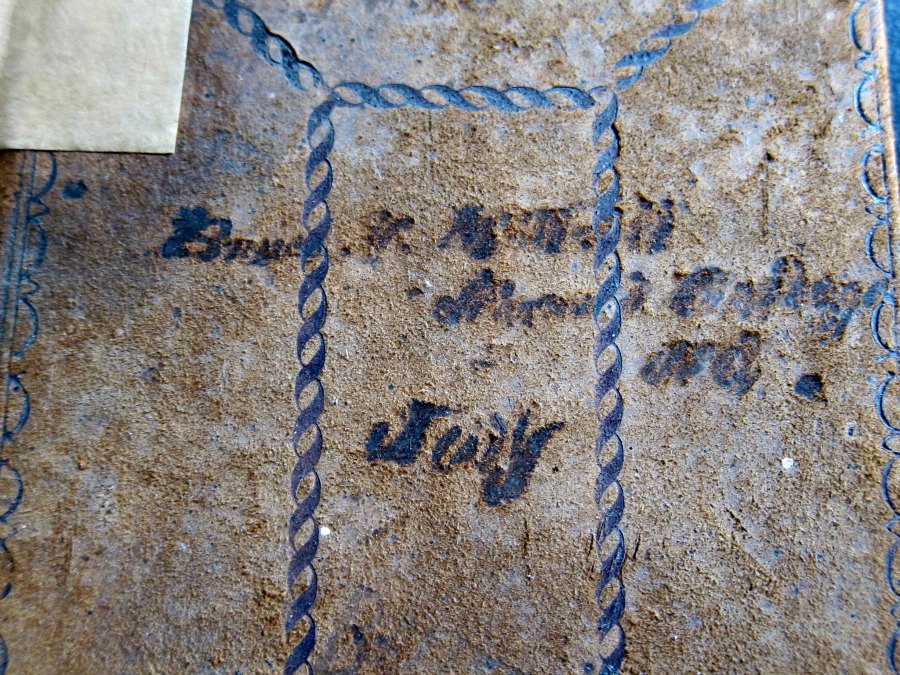
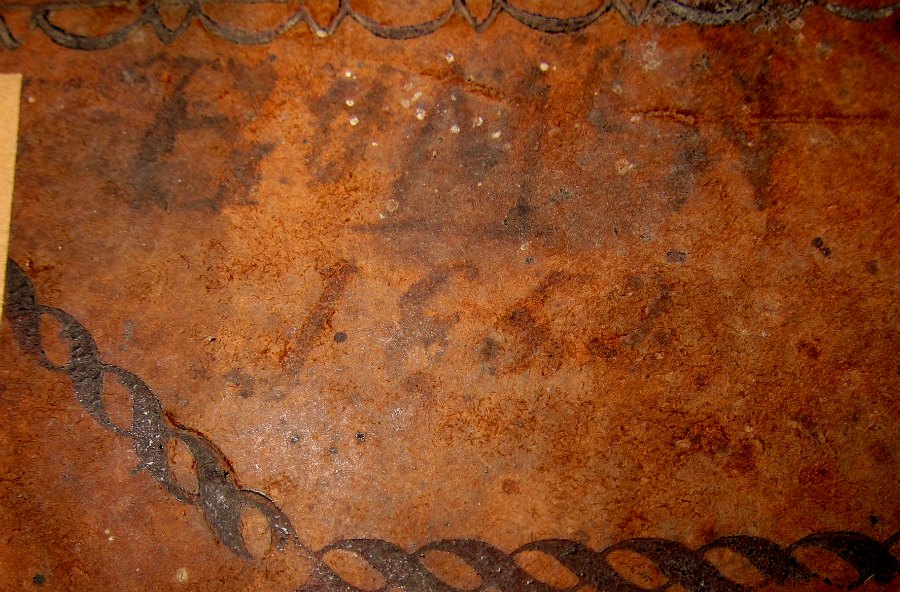
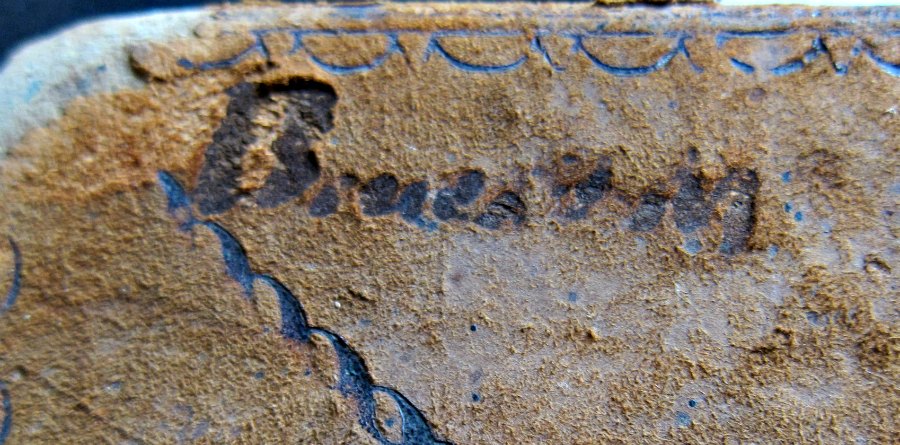
Identifying the name of the merchant or store, however, has proven to be a challenge. It was first cataloged in the 1940s as the S. C. Bruce Daybook, even though Bruce’s name appears prominently as a customer, not the merchant. Later attempts to trace the origin of the daybook culminated in consulting the 1850 census. They deduced that because both William Moffett and N. D. Bain were listed at households no. 6 and no. 8, respectively, and because both were listed as merchants, that the daybook likely belonged to the firm of Bain & Moffett. Also, on the upper left corner of the daybook’s front cover are the letters B and M with what was thought to be an ampersand between them.
IMG_0709
The upper left corner of the daybook’s front cover.
Upper left corner of the daybook's back cover.
Upper left corner of the daybook’s back cover.

While the item is cataloged as the “Bain & Moffett [?] Daybook,” Alice and I remain unconvinced that this is its true identity. It may be difficult to tell from the photographs, but in person, the branding on the cover looks more like Bruce than Bain and what is thought to be Moffett looks like it could be McNeill. What’s been assumed to be an ampersand looks more like an H or N.
Branding on the front cover of the daybook.

The North Carolina Digital Heritage Center’s DigitalNC site provides access to city directories from across the state. Unfortunately, the earliest available issue for Randolph County was published in 1894, making our wish to positively identify the daybook’s original owner a bit more difficult. We will continue to pursue this item’s identity as time allows. We will also graciously accept any help or insight.

What do you think? Is it Bain & Moffett, or something completely different?

Post contributed by Kimberly Sims, Technical Services Archivist for Univeristy Archives.
Dr. John Hope Franklin, Honoris Causa

One of the most interesting batch of records I’ve worked with in the ongoing processing of the John Hope Franklin Papers are the Honorary Degrees, a subseries of Franklin’s Honors and Awards. In the course of his life, Franklin collected over 130 honorary degrees from colleges and universities all over the United States. Franklin appeared to cherish these awards, never turning one down unless it conflicted with a pre-existing engagement. By the 1970s and 1980s, Franklin’s weekends in May and June were booked — so booked that he would occasionally receive one degree on a Saturday, and another on a Sunday. Franklin also delivered the commencement addresses at many of these ceremonies, sometimes serving as the school’s first African American commencement speaker.

IMG_0680
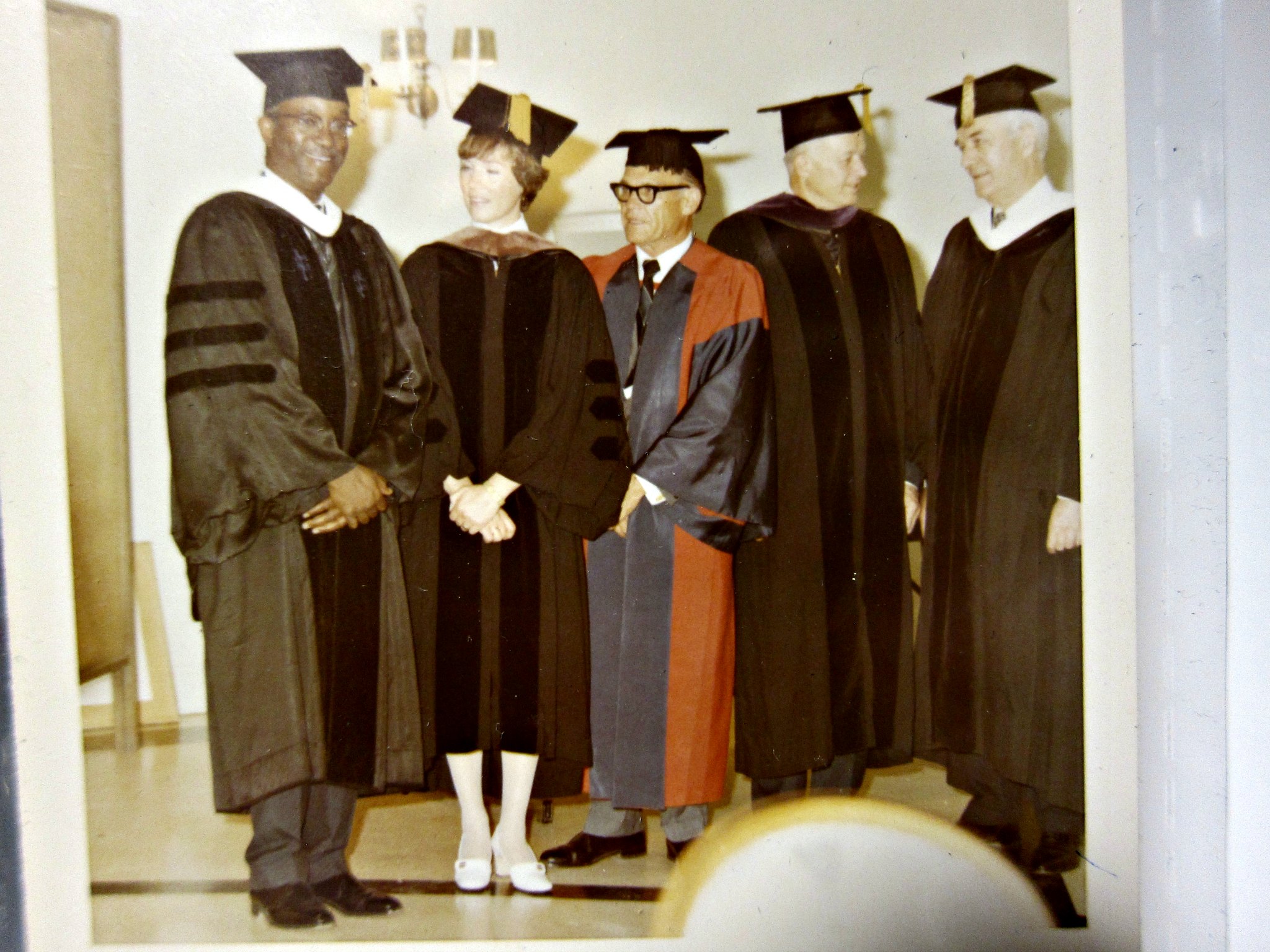
Honorary degree recipients John Hope Franklin, Julie Andrews, Edwin Gott, and Logan Wilson with University President Wilson Elkins at the University of Maryland commencement on June 6, 1970.

There is more to this series than a bunch of diplomas (although there are plenty of those, too). The pomp and circumstance occasionally overshadow the tense relationships between historically white university administrations and the growing numbers of African American faculty and students campaigning for civil rights in the United States. For example, before receiving his honorary degree at the University of Maryland (alongside Mary Poppins herself, Julie Andrews), Franklin was contacted by the campus’s Democratic Radical Union of Maryland and informed that the campus was still “effectively segregated” and under “virtual Marshall law.” The group of about 50 faculty urged him “not to help the administration at Maryland legitimize their power by taking part in one of their ceremonies on their terms, but rather to attend and stand with us against the political and racial repression that exists at this university” (telegram, June 3, 1970). Franklin went ahead with the ceremony, much to the frustration of the DRUM. He was the school’s first black honorary degree recipient.

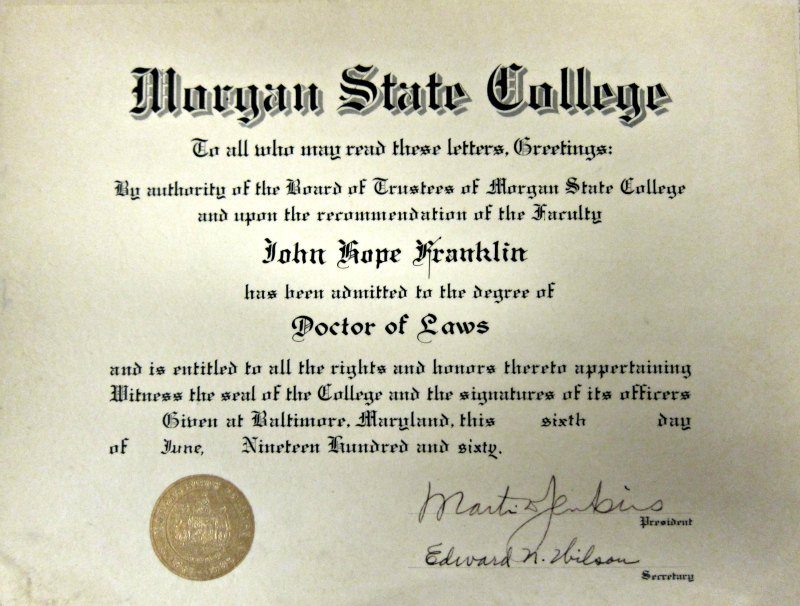
Franklin’s honorary degrees also reveal the wide-sweeping connections he established over the course of his life in scholarship. Many of his early honorary degrees were from historically black colleges, allowing him to further engage with leaders of the civil rights movement. In 1960, Franklin delivered the commencement address at the Morgan State ceremony that honored both him and W.E.B. Du Bois with honorary degrees, shortly before Du Bois moved to Ghana. This was only one of several occasions when the two men interacted with each other. In 1961, Franklin received an honorary degree from Lincoln University at a commencement addressed by Martin Luther King, Jr. He later joined King on the march to Selma.

Franklin's honorary degree from Morgan State College, 1960.
Franklin’s honorary degree from Morgan State College, 1960.

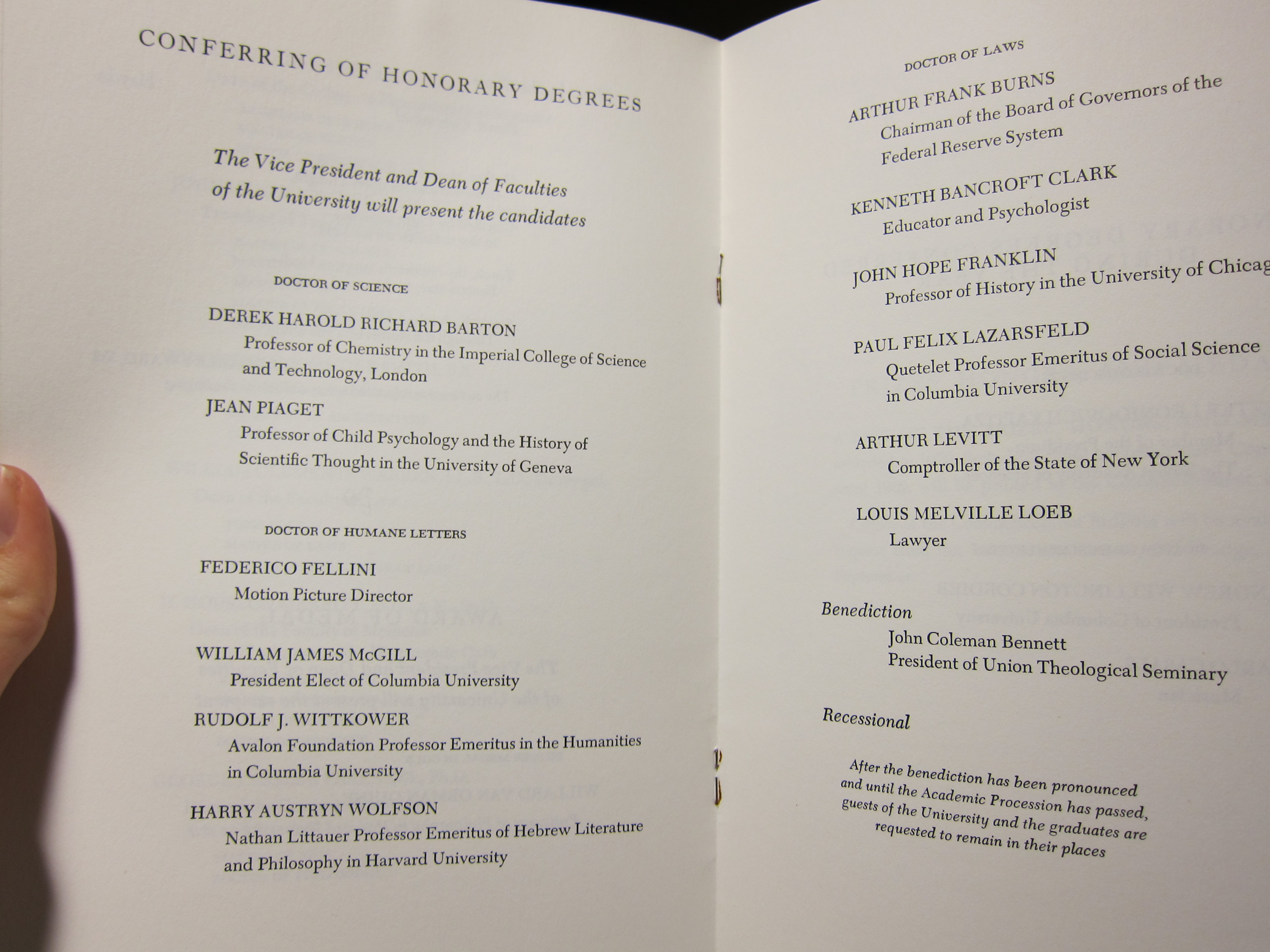
Later degrees attest to the random connections and coincidences of academic life. For example, at the Yale commencement in 1977, Franklin was honored alongside President Gerald Ford and musician B.B. King. He received his 1970 honorary degree from Columbia University with Arthur Burns, an economist and former chairman of the Federal Reserve whose papers are held at Duke. A 1984 ceremony at the University of Connecticut honored him alongside Marian Anderson, celebrated contralto.

Commencement program for Columbia University, June 2, 1970.

I was curious how John Hope Franklin’s 130+ degrees compared to other honorary degree holders — so I did some online searching. Most people come nowhere close to Franklin. Sir David Attenborough, scientist and documentary filmmaker behind the epic Planet Earth series, holds the record in the United Kingdom for the most honorary degrees: 31. Maya Angelou, U.S. Poet Laureate and one of Franklin’s close friends, has also received over 30 honorary degrees. Two Nobel Peace Prize winners come closer to Franklin’s total: the Dalai Lama has received at least 70 honorary degrees, including two last month from the University of Maryland and Maitripa College. Another Nobel laureate, Elie Wiesel, cannot remember how many honorary degrees he’s received, but reckons they number over 100. But, lest you think we have a record-holder at the Rubenstein, Franklin’s degrees pale in comparison to Daisaku Ikeda, a Buddhist philosopher and educator who has received over 300 honorary degrees and professorships from universities and colleges around the world. One can only imagine what Ikeda’s weekends look like.

Post contributed by Meghan Lyon, Technical Services Archivist.

Mad Men Monday, Episode 10

Mad Men Mondays logo

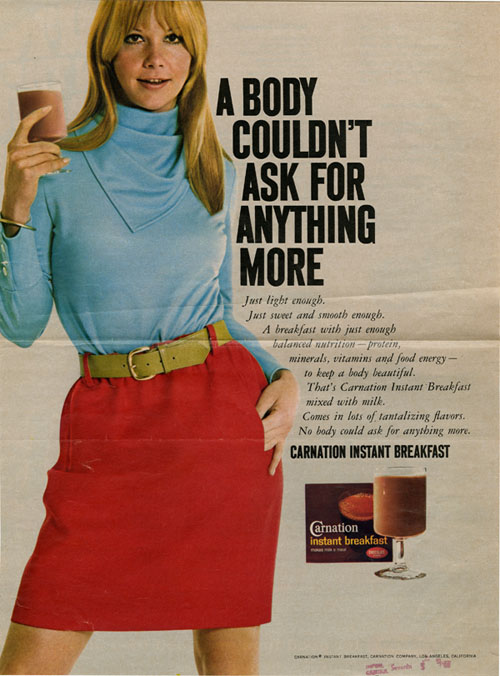
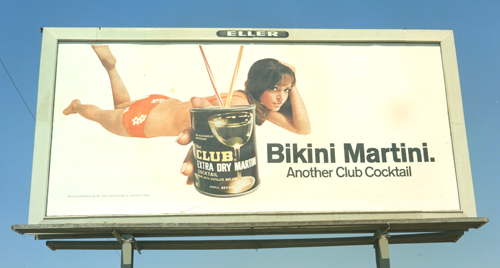
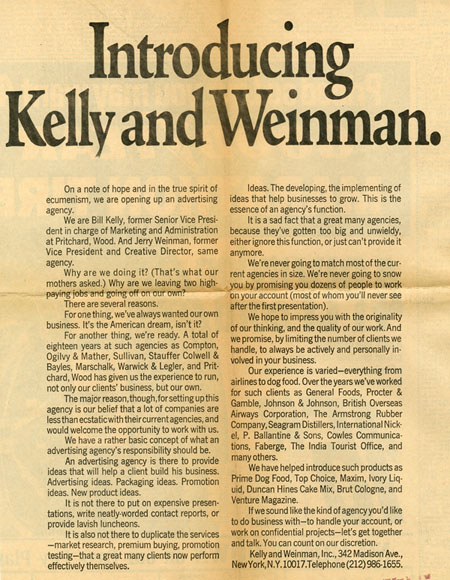
The riots and politics of the 1968 Democratic Convention in Chicago continually weave in and out of Episode 10, through media and discussions. The partners begin discussing changing the agency’s name. Don, Roger, and Harry travel to LA for client presentations, including Carnation. Harry drives Don and Roger to a party in the Hollywood Hills. Starlets and stoned hippies roam poolside. Don is invited to share a hit from a hookah. His hallucination ends with him seeing himself face down in the swimming pool. He comes to on the deck, wet and coughing, with a soaked and out-of-breath Roger telling everyone he’s fine.

At the office, Ginsberg confronts Jim, calling him a fascist. Jim tells Ted they should fire all SCDP staff, beginning with Ginsberg. Jim asks Bob Benson to take Ginsberg to the Manischewitz meeting. Joan’s blind date ends up being with Avon’s new Head of Marketing who is looking for a new agency. She praises the company and picks up the check. Wary of Pete, Joan sets up a lunch meeting with just herself, Avon, and an unknowing Peggy. Ted’s tells Jim Chevy has signed off on their work. Bob interrupts with news Manischewitz has put them in review. Jim rewards Bob for “handling this like a man” with a spot on the Chevy team. Avon sends samples to the agency. Pete blows up, reprimands Joan, and calls Ted in to deliver the final blow. Peggy listens in, and sends in the secretary with a fake note that Avon has called for Joan. Ted gives Joan the go-ahead, over-riding a seething Pete. All partners but Joan meet in Don’s office. Ted shares news of Chevy and Avon, and Cooper reveals Ted and Jim’s suggestion for an agency name: Sterling Cooper & Partners.

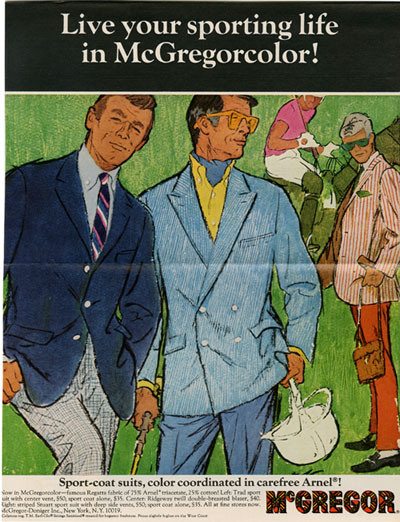
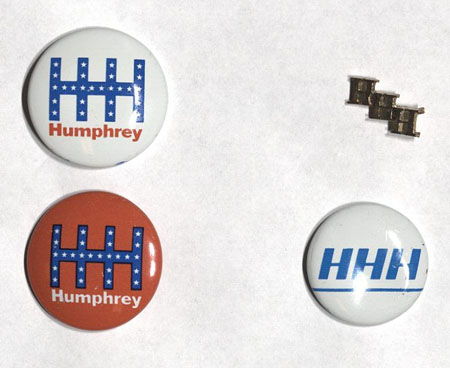
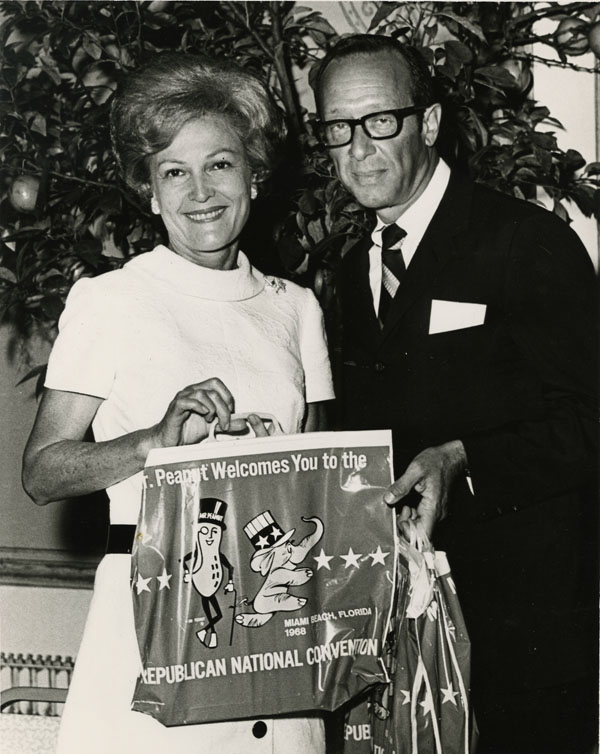
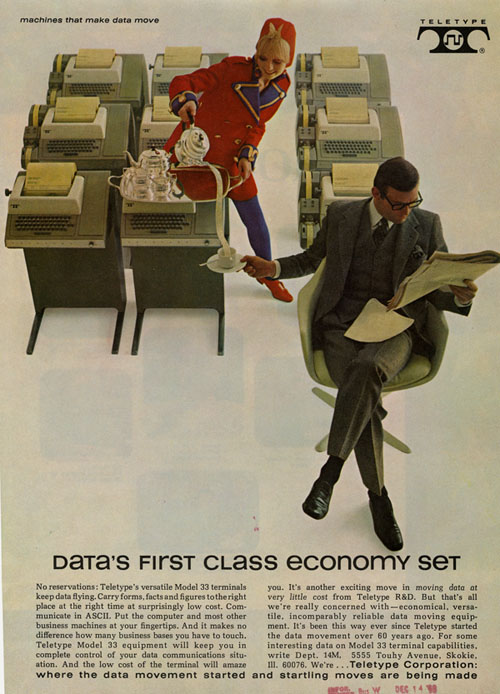
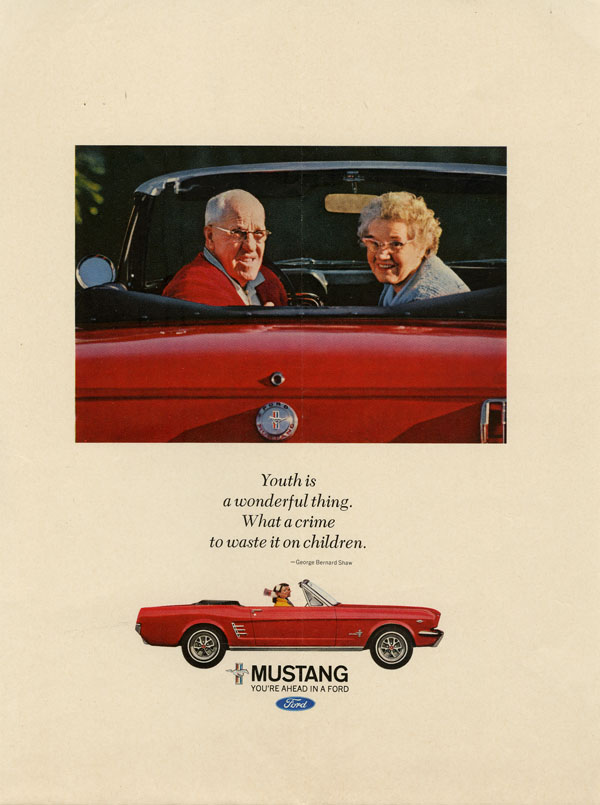
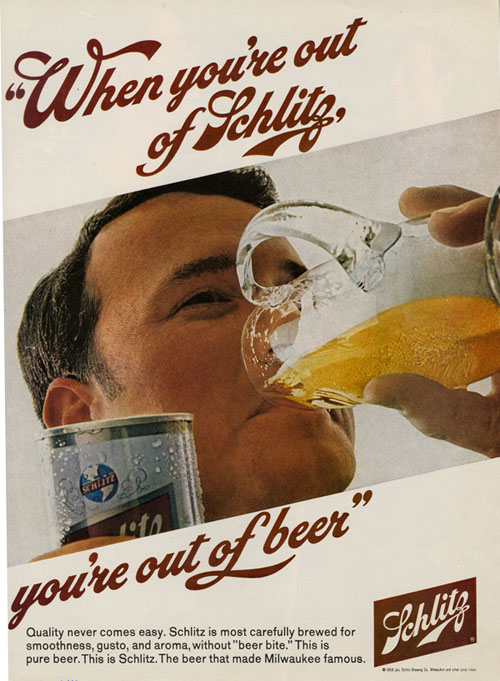
Episode 10 referred to Carnation Instant Breakfast, Life Cereal, computers in business, renaming an agency, men wearing ascots, and Schlitz beer, among others. Here is a selection of ads that illustrate some of the products and cultural references mentioned in Sunday night’s Mad Men. A gallery of our highlighted images may also be found on Pinterest and Flickr.

campaign buttons - Blog

Carnation - Blog

RNC - Pat Nixon - Mr Peanut - Blog

Life - Blog

Teletype - Blog

BBB3353-3-blog

Kelly and Weinman - Blog

mustang - Blog

McGregor - Blog

Schlitz - Blog

A Birthday Present for Walt Whitman

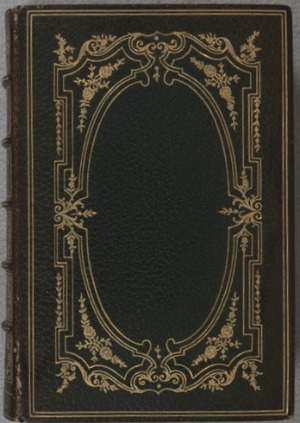
ExtraIllFrontBoardresizedToday, 31 May 2013, is the 194th birthday of Walt Whitman.  The Trent Collection of Whitmaniana in the Rubenstein Library is one of the largest collections of Whitman’s manuscripts and printed works in the world.  Just in time to celebrate the Good Gray Poet’s birthday, a beautifully “wrapped” new addition to the collection is available for research.

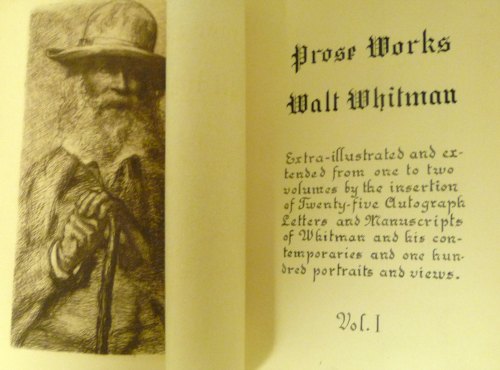
From an otherwise unremarkable edition of Whitman’s Prose Works, the copy newly arrived at the Library was lavishly extra-illustrated and expanded into two leather-bound volumes by an early owner, with the addition of 26 autograph letters and manuscripts and one hundred portraits and views.  Extra-illustration, also known as Grangerization, involves the addition by a collector of separately produced items such as portraits and manuscripts to a printed text.  Controversial today because it involves dismantling and transforming books, the practice was quite popular in the nineteenth century; this example is from the early twentieth century, perhaps the 1920s.

ExtraIllTitle
Added title page and frontispiece etching of Whitman in Prose Works.

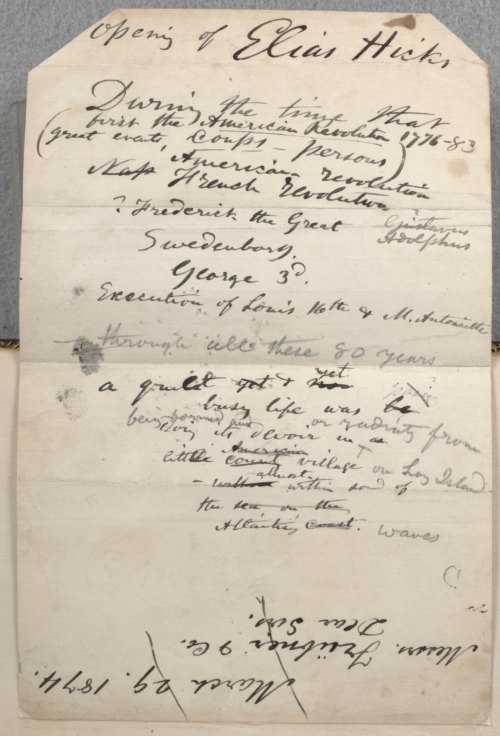
Many of the added items are of interest, including a manuscript slave deed and letters by Whitman friends and notables such as John Burroughs, John Swinton, William Cullen Bryant, Henry Wadsworth Longfellow, and General William T. Sherman.  Most importantly for Whitman scholars, the first volume contains a page of Whitman’s manuscript notes on the Quaker preacher Elias Hicks.   The manuscript had fallen into three pieces due to being folded into the binding; thanks to the work of Conservator for Special Collections Erin Hammeke, it has been repaired and remounted.

ExtraIllHicksEssayAfterresized

While we cannot say with certainty who created these extra-illustrated volumes, the second volume bears the bookplate of Mary Young Moore, a Papal countess for whom a high school on Staten Island, New York is named.  Given the connections of both Whitman and Hicks to New York City, this manuscript fragment may have especially appealed to Countess Moore.

Post contributed by Will Hansen, Assistant Curator of Collections, Rubenstein Library.

The Great Art Move, or, How Few Can Really Be More

This week marked the final chapter of the Rubenstein Library relocation project of 2013, when the Library’s portrait collection was relocated from the Gothic Reading Room to the Rubenstein Library’s temporary space on the third floor of Perkins.   It was a poignant and, at moments, spirited end to a process that began many months ago.

GothicBlog

The portrait collection has been with the Gothic since the very beginning. Upon the library’s opening in 1930, the well-known artist Douglas Chandor was commissioned to paint portraits of The Duke Endowment trustees, Mary Duke Biddle and Nanaline Duke, and the architect and builder of the campus, Horace Trumbauer. These portraits were completed between 1930 and 1932 and hung in the Gothic, then functioning as the library’s general reference room.  Over the years, portraits of the University’s founders and presidents were added, along with those of other notable figures in the University’s history.  By the time of our move, 32 auspicious figures awaited the careful attention of the professional art handlers we brought in for this assignment.

Because of the scale of the room, scaffolding was needed to even reach the pictures.  After that came rebacking the canvases, vacuuming the gilded frames, and replacing the hanging hardware.  Finally, the portraits were ready for their voyage across the library and to their new spots, all purposefully selected to allow for their safe storage during the time of the Gothic’s renovation. 

While most of them are now in staff-only spaces, visitors who wish to see a particular portrait can do so by contacting the Rubenstein Library to make an appointment. Portraits of Washington, James B., and Benjamin N. Duke are hanging outside the Rubenstein classroom, and are viewable during regular Rubenstein hours without an appointment.

FewBlog

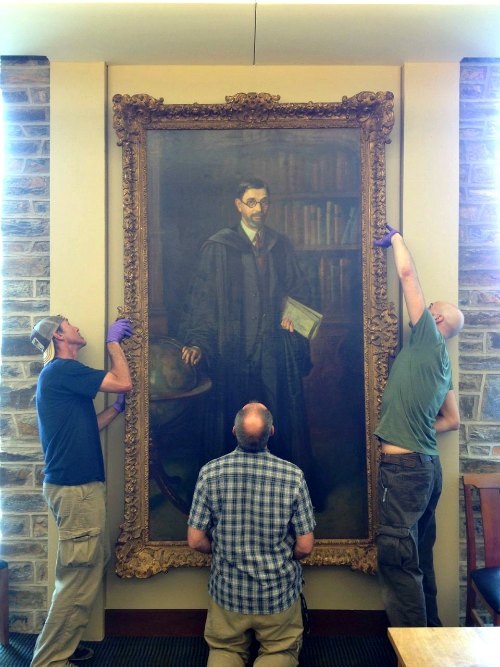
One painting, however, did not go so quietly to storage—a life-size, full-body portrait of President Few. It took scaffolding, ladders, and five people to remove him from his long-time rest, and once on the ground it became immediately clear that the portrait is nearly a half foot taller than the ceilings on the third floor of Perkins, where he was headed.  An alternative spot was needed and quick!  Thanks to the University Librarian, a suitable location was soon found.  President Few now greets guests on the main floor of the Library, immediately behind the Perkins reference desk.  It is perhaps fitting that the visage of the man who presided over the Gothic Room’s opening in 1930 was the last and most dramatic to take his leave from this room.

Post contributed by Kat Stefko, Head of Technical Services, Rubenstein Library.

Mad Men Monday Tuesday, Episode 9

Mad Men Mondays logo

A number of characters faced choices between two people, while others faced rejection or criticism.  Peggy is encouraged to choose between Ted and Don’s ideas for Fleischmann’s margarine. Megan’s performance as twins is criticized. Arlene tries to console Megan, but her sexual advances are spurned. Betty’s slimmed down figure gets a lot of attention from a man at a dinner party, which excites Henry. In frustration, Pete consults with headhunter Duck Phillips about alternative positions. Ted tells Peggy that he has feelings for her, but also that he regrets kissing her. Betty and Don visit Bobby at summer camp.  They reconnect in a happy family moment over lunch and later spend the night together. Don is nostalgic and sentimental about Betty, while she is frank about his shortcomings.  The next morning she happily eats breakfast with Henry, while Don eats alone as if nothing ever happened. Joan and Bob go to the beach with her son, Kevin.  Roger tries to reconnect with Joan with a gift for Kevin, but she rebuffs him.  Roger is also reprimanded by his daughter after taking his grandson to see Planet of the Apes. Peggy is fearful of the crime in her new neighborhood. After a rock is thrown through their apartment window, she arms herself with a knife and accidentally stabs Abe in the abdomen.  In the ambulance Abe breaks up with Peggy, calling her the enemy because of her advertising career. The next day Peggy tells Ted that she and Abe broke up, but Ted seems unmoved by the news and wishes her well in finding someone new.

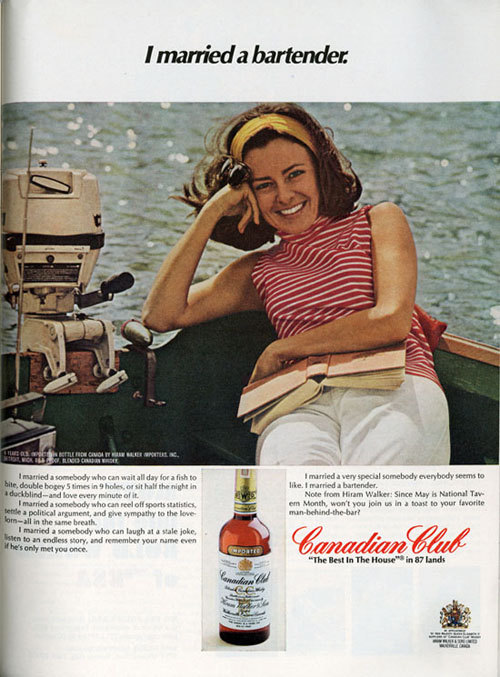
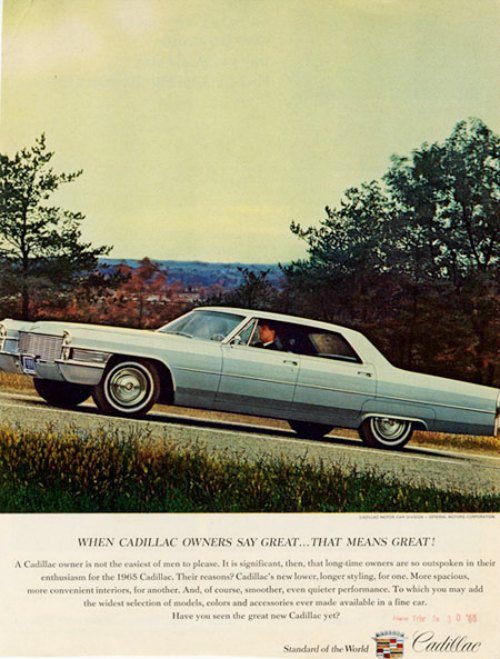
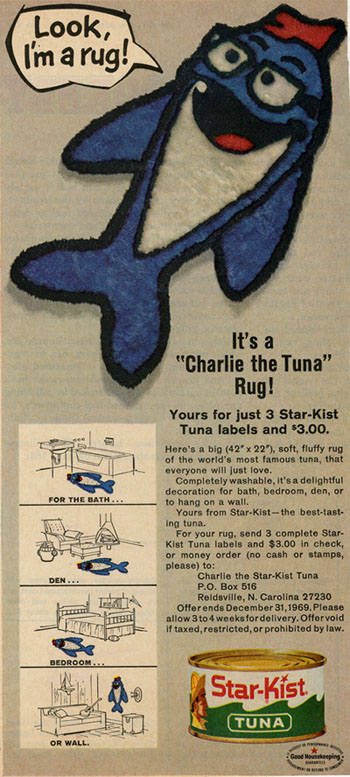
Episode nine’s plot referred to Esso gasoline, menthol cigarettes, knives, 1965 Cadillacs, and chef salads, among other things.  Here is a selection of ads that illustrate some of the products and cultural references mentioned in Sunday night’s Mad Men.  A gallery of our highlighted images may also be found on Pinterest and Flickr.

Cadilliac - BlogResized

Esso - BlogResized

air conditioner - Blog

winston menthol - Blog

Canadian club - Blog

Cutco knives - BlogResized

Paying My Respects

During a recent visit to Philadelphia, I paid my respects to two of my favorite people from the history of Duke University: Julian Abele and Horace Trumbauer. Trumbauer’s architecture firm was hired to design the new campuses of Duke University, which were constructed between 1925 and 1932.

Abele was the first African-American graduate of the University of Pennsylvania’s School of Architecture (1902). As Trumbauer’s chief designer, he designed Duke Chapel. In addition to Duke, Abele’s work can be seen at the Free Library of Philadelphia and the Philadelphia Museum of Art.

Trumbauer never received a formal education in architecture but designed some of the grandest residential homes of the Gilded Age, and later hotels and office buildings. One of his clients was James B. Duke, who hired Trumbauer to design his Fifth Avenue mansion in NYC (construction was completed in 1912). The success of the project likely led to Trumbauer’s firm receiving the commission to design Duke University.

Julian Abele is buried in the Lehman section of Eden Cemetery, designated the oldest African-American cemetery in the United States.

Kim Sims visits Julian Abele's grave.

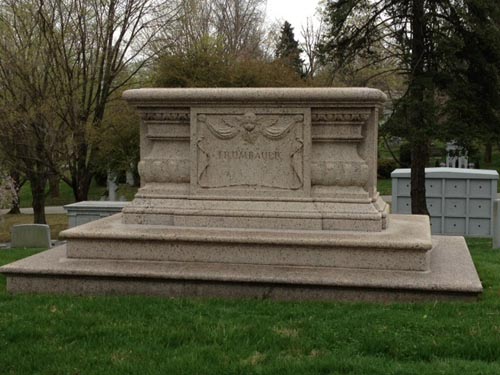
Horace Trumbauer is buried in the Franconia section of West Laurel Hill Cemetery.

Photo of Horace Trumbauer's grave.

You can track the progress of the construction of Abele’s designs for Duke’s East and West Campuses in our digital collection, “The Construction of Duke University, 1924-1932.”

Post contributed by Kim Sims, Technical Services Archivist for the Duke University Archives.
Mad Men Monday, Episode 8

Mad Men Mondays logo

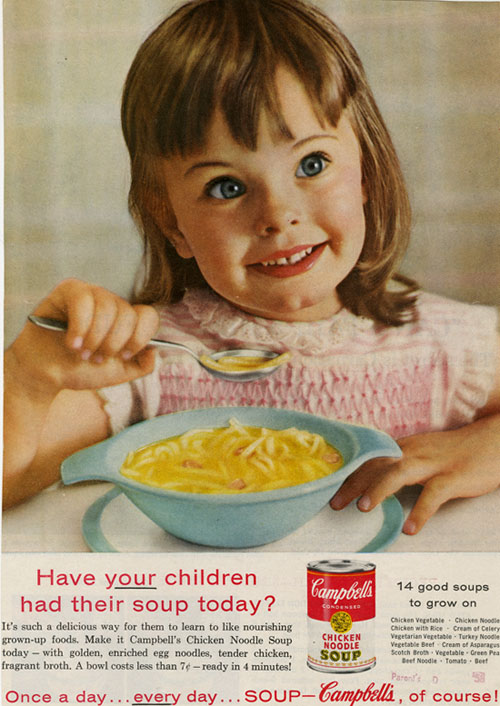
The Chevy executives in Detroit aren’t happy with any ad campaigns the merged agency is submitting. Don asks them to work all weekend to come up with new ideas for Chevy. After talking with Sylvia, Don begins having flashbacks of being a teenager in the brothel with his stepmother. Jim brings in his doctor to “fix everyone up” and gives some staff an energy serum shot, guaranteed to give 1-3 days of uninterrupted creative focus and energy. The energized creatives are unable to focus, leaving Peggy and Ginsberg frustrated with their frenetic, but useless, work. Don asks Peggy to find a soup ad in the archives to inspire them for the campaign. Don’s thoughts are more focused on a pitch to win Sylvia back, rather than to persuade Chevy.

Sally babysits her brothers at Don’s apartment while he works and Megan is at a dinner. Awakened by sounds from the dining room, Sally walks out to find an African-American woman rummaging through the cupboards. She tells Sally she raised her dad, but she’s actually a thief. Finally returning home, Don finds the kids, Megan, Henry, Betty (back to a blonde), and the police in his apartment. He promptly faints. The episode ends with Don reassuring Sally the robbery was not her fault, and Don telling Ted to call him in 1970 when Chevy is ready to make an ad.

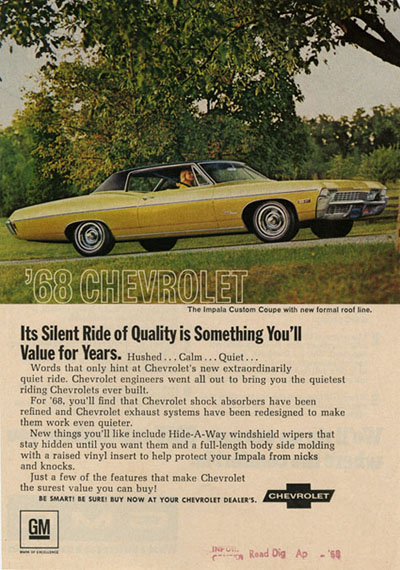
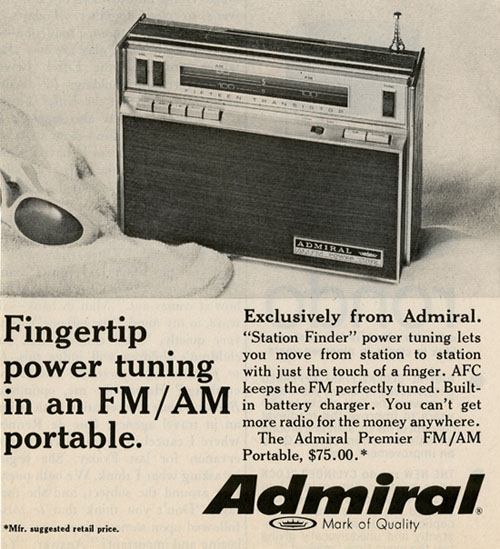
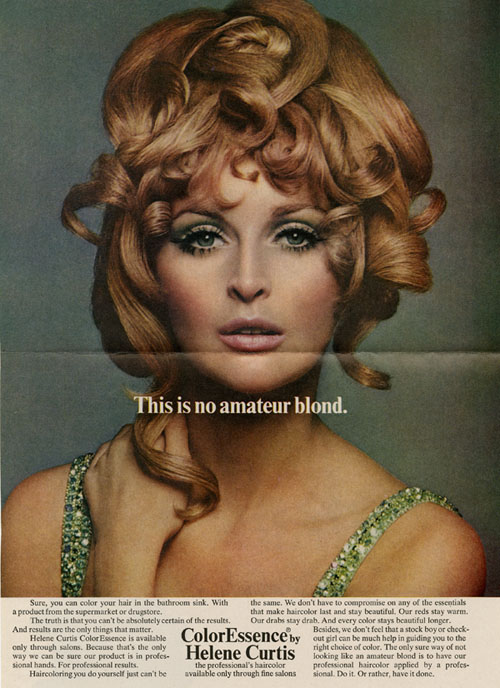
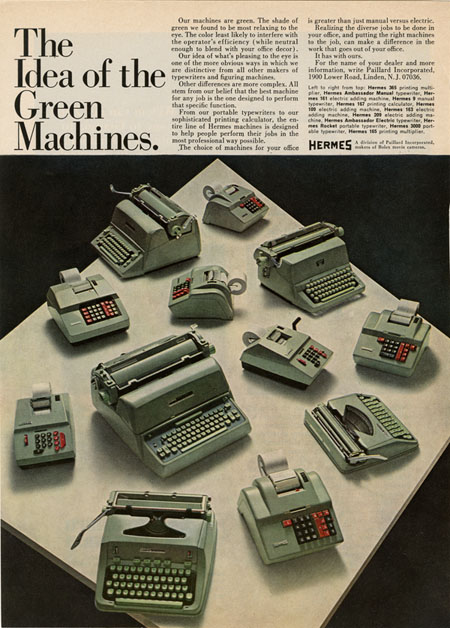
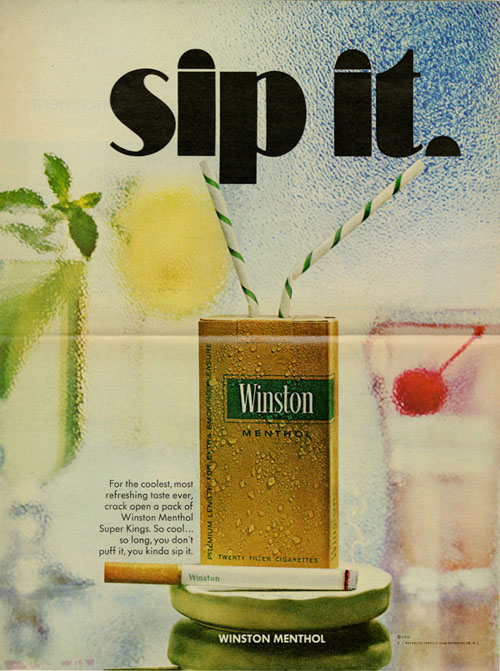
Episode eight’s plot referred to Admiral radios, Chevy Impala, tuna salad, soup, and gold watches, among other things. Enjoy our selection of ads and images that illustrate some of the products and cultural references mentioned in last night’s Mad Men. A gallery of our highlighted images may also be found on Pinterest and Flickr.

admiral radio - blog

Impala - Blog

starkist - Blog

Campbells 1958 - blog

watch - blog

pajamas - Blog

Helene Curtis - blog

typewriter - Blog

Alice in Wonderland 1960 - Blog

Vacancy: The Disquieting Beauty of Emptiness – A Conversation with Photographer Lynn Saville

Date: Thursday, May 23, 2013
Time: 1:00 PM
Location: Perkins Library, Room 217 (Click for Map)
Contact Information: Kirston Johnson, 919-681-7963, kirston.johnson@duke.edu

Please join us for a conversation with internationally renowned photographer Lynn Saville on Thursday, May 23rd from 1:00 until 2:00pm in Perkins Library Room 217. Lynn will discuss her latest project, “Vacancy: The Disquieting Beauty of Emptiness,” which focuses on New York City and the strikingly beautiful visual effects of economic turmoil.

Fine-art and documentary photographer Lynn Saville was educated at Duke University and Pratt Institute. Saville specializes in photographing both cities and rural settings at twilight and dawn, or as she describes it, “the boundary times between night and day.”

Lynn Savile, Dyckman Street, C-Print, 2011
Lynn Savile, Dyckman Street, C-Print, 2012

Lynn Saville has received numerous awards and grants and her photographs are published in two monographs: Acquainted With the Night (Rizzoli, 1997) and Night/Shift (Random House/Moncelli, 2009). Her work is represented by the Yancey Richardson Gallery in New York and her prints are included in numerous permanent collections, including the Los Angeles County Museum of Art, the George Eastman House, the Museum of Fine Arts in Houston, the International Museum of Photography, the Archive of Documentary Arts at Duke University, and many others. She lives in New York City with her husband, the poet Philip Fried.

This event is free and open to the public.

Star Trek Lives Long and Prospers at the Rubenstein

With the opening of Star Trek Into Darkness this week, it seemed like a good time to check out what our collections have on Star Trek.  As it turns out, Star Trek’s long history before becoming a star-powered summer blockbuster is well represented in our collections.

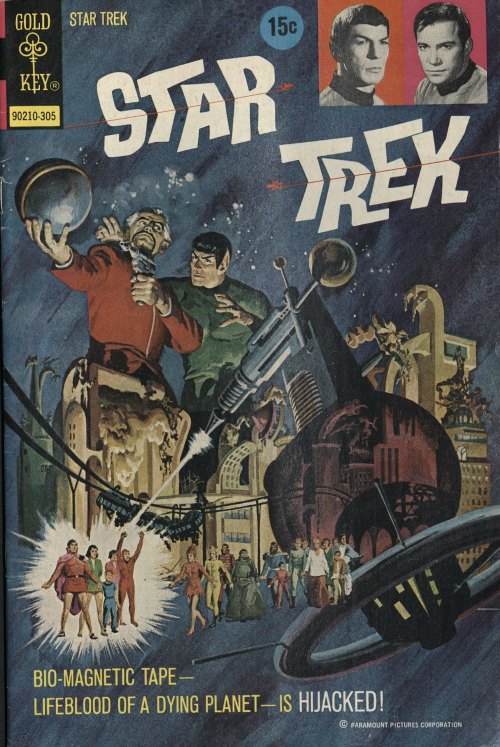
I found a number of Star Trek comic books in the Edwin and Terry Murray Comic Book Collection which are a lot of fun:

Star Trek Comic May 1973
“The Hijacked Planet” Star Trek #18 (May 1973), Gold Key Comics
"All Those Years Ago" Star Trek Annual v. 1 #1 (1985), DC Comics
“All Those Years Ago” Star Trek Annual v. 1 #1 (1985), DC Comics


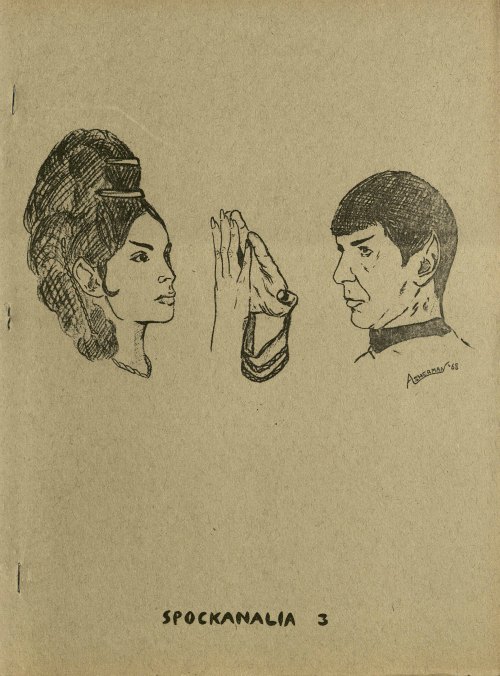
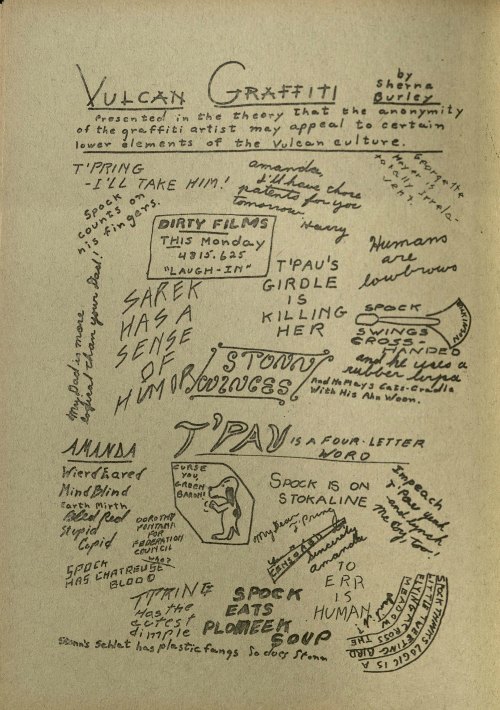
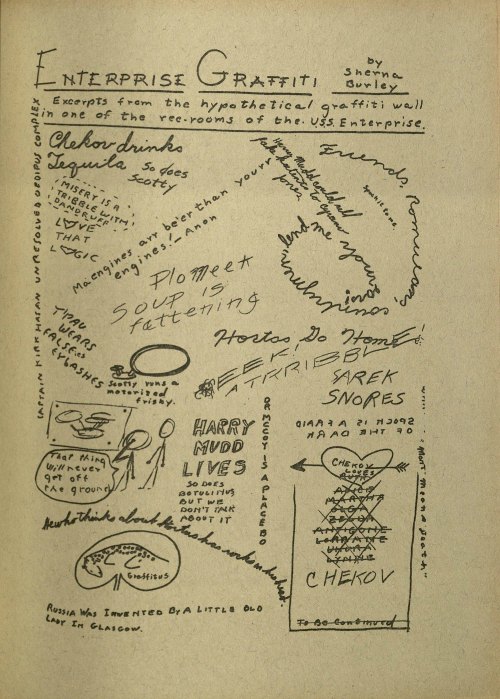
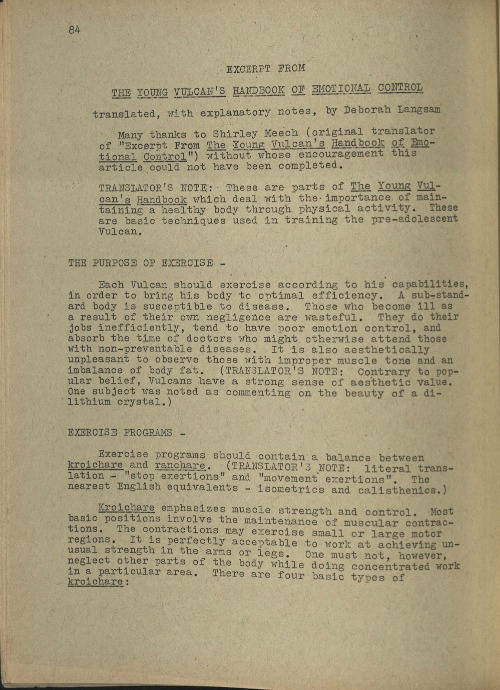
But my favorite piece comes from the Edwin and Terry Murray Fanzine Collection. Fanzines are nonprofessional publications produced by fans of particular pop culture genres or works.  Most of the fanzines in the Murray collection are from comic book fans, but there are some from the genres of science fiction and fantasy, including issue 3 of Spockanalia. Spockanalia was the first fanzine devoted exclusively to Star Trek. The first issue was published in 1967 during the first season of the original television series. Spocknalia 3 was published in 1968 and features essays on Star Trek, fiction, drawings, and even a letter from Star Trek creator Gene Roddenberry. Here are some highlights:
 

Cover of Spockanalia 3
Cover of Spockanalia 3, drawn by Allan Asherman


Letter from Gene Roddenberry


Vulcan Graffiti, by Sherna Comerford
Vulcan Graffiti, by Sherna Burley
Enterprise Graffiti, by Sherna Comerford
Enterprise Graffiti, by Sherna Burley


Young Vulcan's Handbook of Emotional Control
Young Vulcan’s Handbook of Emotional Control, by Deborah Langsam

Post contributed by Kate Collins, Research Services Librarian

Dispatches from the David M. Rubenstein Rare Book and Manuscript Library at Duke University