Category Archives: From Our Collections

Mad Men Monday – Season 7, Episode 5 “The Runaways”

Last night’s episode left viewers reeling over the crazy things that some of the characters did. Stan finds a folder of cartoons drawn by Lou on the photocopier. He shows them to some of the other creative staff and they make jokes. Don gets a call from Anna Draper’s niece, Stephanie, who is pregnant and needs help. He tells her to go to Megan’s house and he will fly out to see her. Megan takes her in, but then later tells Stephanie it would be best if she left, writing her a check for $1,000. Lou is angry at the creative staff for mocking his cartoon ambitions and orders them all to work late on a Friday night. Henry and Betty host part of a progressive dinner. Betty speaks up about the war in Vietnam and Henry contradicts her, causing a big argument later. Don arrives at Megan’s house and is disappointed that Stephanie has already left. Ginsberg becomes paranoid about the new computer and goes over to Peggy’s house to work. He tells her that the computer is driving him crazy and makes a pass at her. She pushes him away and sends him home. Sally comes home from school with a broken nose and argues with Betty. Bobby sneaks into Sally’s bedroom to ask if Henry and Betty will get a divorce because they argue so much. Megan hosts a party at her house for her acting friends. Don feels out of place, but then goes for a drink with Harry when he unexpectedly shows up. Harry tells Don that Lou and Jim are pursuing the Commander cigarette account, which will force Don out of SC&P because of the ad he did for the American Cancer Society. When Don comes back to Megan’s house after the party Megan and Amy seduce him together. The next morning Don flies back to New York and interrupts the meeting with Philip Morris executives, selling them on his services, much to the dismay of Jim and Lou. At SC&P Ginsberg calmly expresses his feelings for Peggy and gives her a gift box. She is horrified to open it and see his nipple, which he cut off to relieve the “pressure” from the computer. He gets carried out of SC&P on a stretcher in restraints.

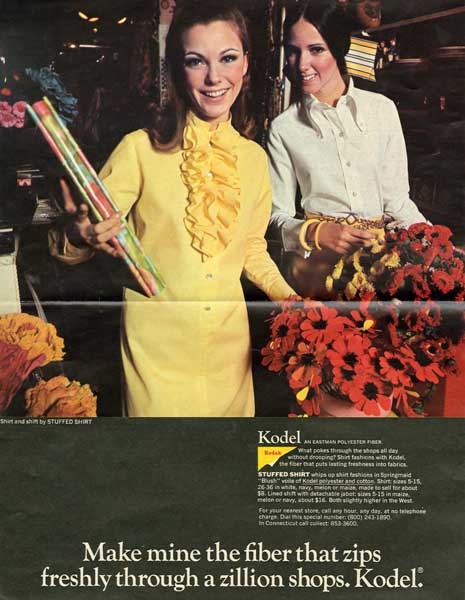
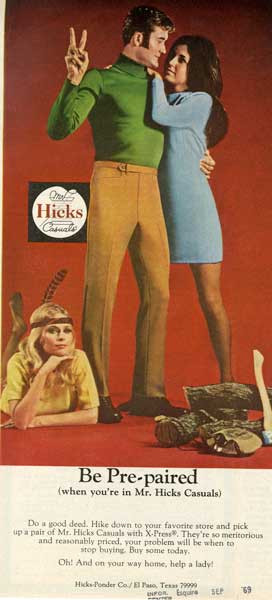
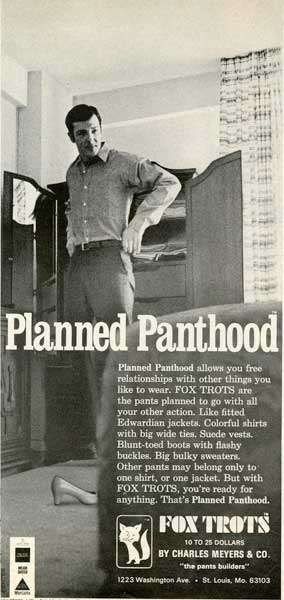
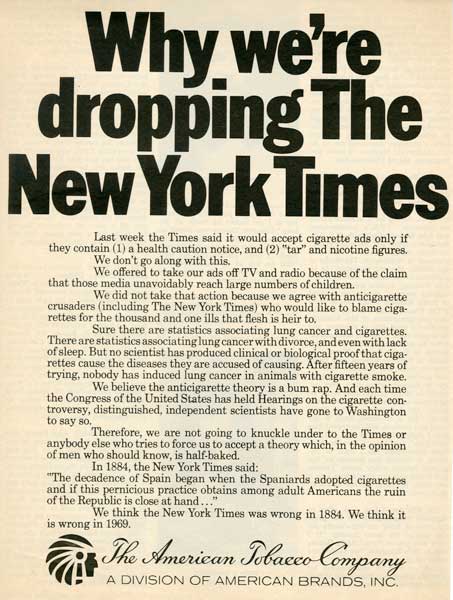
Last night’s episode featured references to Xerox, rumaki, golf clubs, and American Tobacco, among other things. Enjoy our selection of highlighted ads that reflect the brands and themes that Mad Men characters interacted with last night.

A gallery of our selected images may also be found on Flickr.
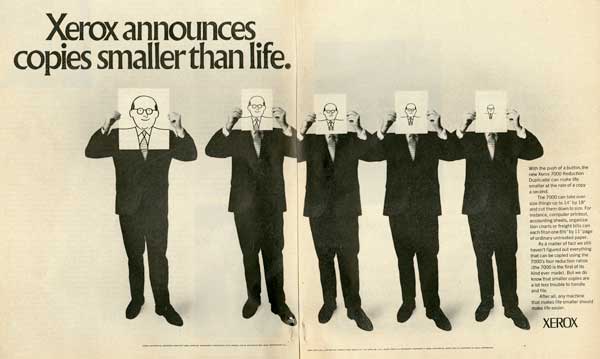
Xerox_B310

Mens_Cardigan_A115

Frankfurters_F130


Rumaki


Yellow_Dress_A170

Mens_Pants_Women_A112


Planned_Panthood_A112


Golf_Clubs_G460


Yellow_NightGown_A170


American_Tobacco_G111

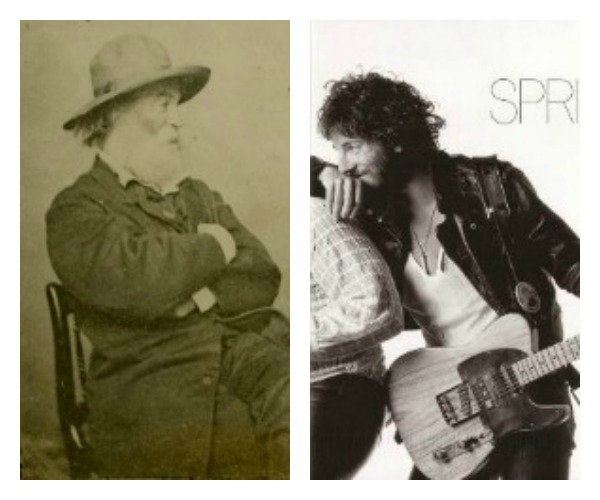
Tramps Like Us: Springsteen and Whitman

You may have heard the news: a working draft of one of the iconic songs in American music, Bruce Springsteen’s “Born to Run,” will be displayed in Perkins Library on May 8-11, and then here in the Rubenstein Library from May 12-June 27.  While at the Rubenstein, Springsteen’s draft, owned by Floyd Bradley, will be in the very good company of one of the largest collections of manuscripts by another favorite son of New Jersey, Walt Whitman, in the Trent Collection of Whitmaniana.

Walt Whitman, 1869, from the Trent Collection of Whitmaniana, box III-6C (Saunders 29); Bruce Springsteen, on the cover of the album Born to Run, 1975.
Walt Whitman, 1869, from the Trent Collection of Whitmaniana, box III-6C (Saunders 29), by M. P. Rice; Bruce Springsteen, on the cover of the album Born to Run, 1975, by Eric Meola.

Both Whitman and Springsteen felt and expressed a deep connection with working-class Americans.  After a transient childhood, Whitman worked as a journeyman printer before becoming the “Good Gray Poet”; Springsteen’s mother famously took out a loan to buy him a guitar when he turned sixteen, and years of honing his musical craft at small venues for low pay preceded the breakthrough of “The Boss.”

The working draft of “Born to Run” includes many passages that were changed or excised from the final lyrics, but the chorus “tramps like us, baby we were born to run” is already in place.

The chorus of "Born to Run" in the working draft. Image courtesy of Sotheby's.
The chorus of “Born to Run” in the working draft. Image courtesy of Sotheby’s.

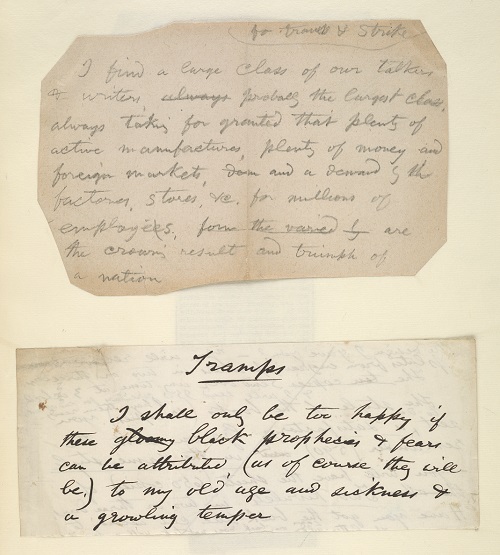
“Tramps,” or homeless itinerants looking for steady work and a place to live, became a particular concern in the United States (and for Whitman) during and after the “long depression” of the 1870s.  Whitman wrote about this phenomenon in many different contexts, perhaps most memorably in a fragment entitled “The Tramp and Strike Questions.”  In a sentence that gets to the core of an element of “Born to Run” and other Springsteen songs, Whitman writes there: “Curious as it may seem, it is in what are call’d the poorest, lowest characters you will sometimes, nay generally, find glints of the most sublime virtues, eligibilities, heroisms.” A volume in the Trent Collection, given by Whitman the title “Excerpts &c Strike & Tramp Question,” contains manuscripts and newspaper stories annotated by Whitman in preparation for a lecture on the topic, which was never delivered.

Two prose fragments from "Excerpts &c Strike & Tramp Question," Trent Collection of Whitmaniana Box II-7B.
Two prose fragments from “Excerpts &c Strike & Tramp Question,” Trent Collection of Whitmaniana Box II-7B.

We’re excited to host the “Born to Run” draft, and please contact us if you’d like to take the chance to see this treasure of American culture alongside items in the Trent Collection of Whitmaniana.

Post contributed by Will Hansen, Assistant Curator of Collections.

The Dawning of Legibility

In 2009, a single-item addition to our Charles Alexander Gore papers turned up in my cataloging queue. The letter surfaced while preparing some collections to move off-site before renovation of the Rubenstein Library began.  When I recalled the appropriate box and pulled the folder into which I was going to place the addition, I noticed that the handwriting on my letter did not match that of Charles Alexander Gore.

Allie Blog 1
Rev. Charles Gore, circa 1900

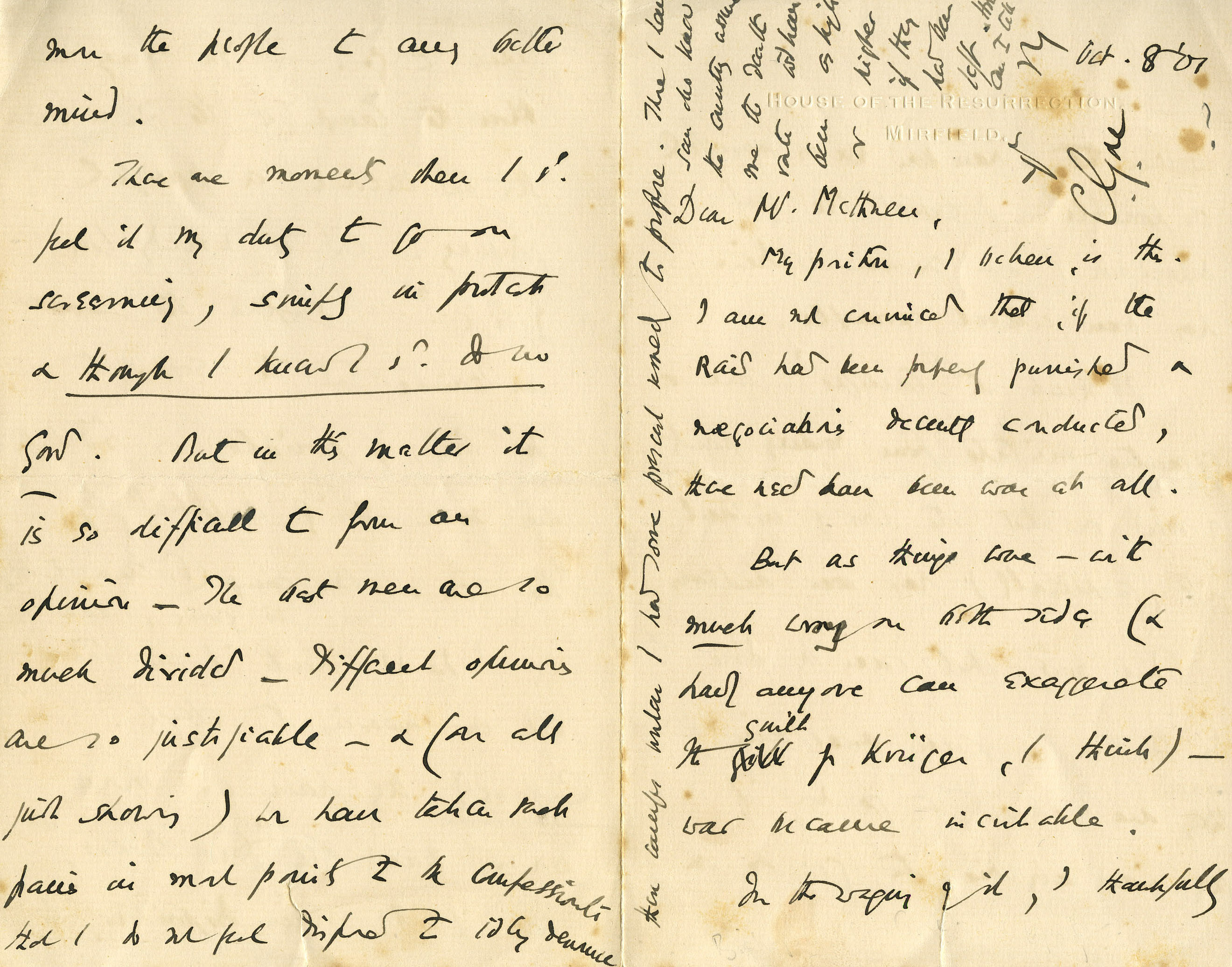
Using the embossed address at the top of the letter, I determined that the author probably was Rev. Charles Gore (1853-1932), who became an Anglican Bishop not long after he penned it.  Because we do not have any other items created by Rev. Gore, the letter needed to be cataloged on its own. The problem in doing that, however, was that I found Gore’s handwriting almost completely illegible.

I determined that the first line of the letter mentioned a war, which likely referred to the 2nd Boer War in South Africa, given the fact that the letter was written in 1901. Other than that, I could only pick out individual words or phrases in the piece. Frustrated, I put the letter back on my shelf.  Every once in a while, I would return to it in order to see if I could make progress deciphering it, and even consulted with my British colleague, Mandy Hurt, who also struggled with the penmanship.

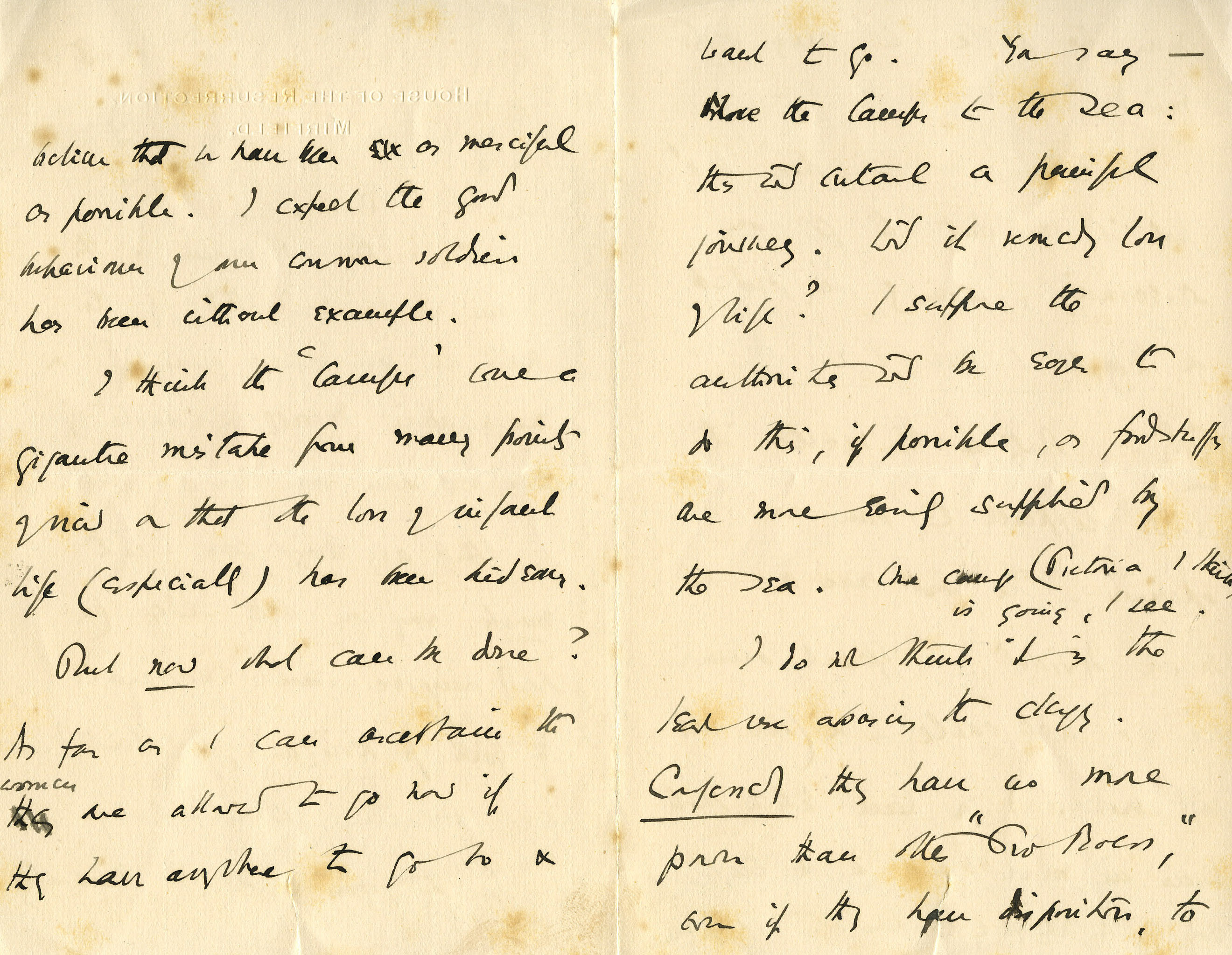
I do not know what happened within my brain, but when I recently opened the letter again, I could suddenly distinguish many of Gore’s words! Not all of them, mind you, but enough to catalog the letter with greater confidence regarding its subject matter.  I worked through the sentences, and then showed my transcription again to Mandy, who deciphered several more key words and phrases, she tells me, by searching for “typically British turns of phrase.” Here’s our transcription, as it stands:

Oct. 8 ‘01

Dear Mr. McI[___]

My [pri___,] I believe, is that I am not convinced that, if the raid had been properly punished or negotiations decently conducted, there need have been war at all.

But as things were—with much wrong on both sides (& how anyone can exaggerate the guilt of  Krüger, I think)—war became inevitable.

In the waging of it, I thankfully believe that we have been as merciful as possible. I expect the good behavior of our common soldiers has been without example.

I think the ‘camps’ are a gigantic mistake from many points of view & that the loss of infant life (especially) has been [____ ____].

But now what can be done? As far as I can ascertain the women are allowed to go now if they have anywhere to go to & [bread?] to go. You say—move the camps to the sea: this will curtail a painful journey. Will it remedy loss of life? I suppose the authorities [___ ___ be ___] to do this, if possible, or foodstuffs are more easily supplied by the sea. One camp (Victoria I think) is going, I see.

I do not think it is the [best] use [___] the clergy. [_____] this have no more power than the [“Good Boer,”] even if they have disposition, to move the people to any better [mind?].

There are moments when I do feel it is my duty to go on [_____, _____] in protest & though I know [it will] do no good. But in this matter it is so difficult to form an opinion—the best men are so much divided—different opinions are so justifiable–& ([on all just showing]) we have taken such pains in most points to be compassionate that I do not feel [inspired?] to idly denounce them [___ ___]. I have some present [___] to propose.  Those I have seen who know the [country assure] me the death rate [___] have been as high or higher if they had been left. How can I tell?

A scan of the letter is below.  What do you think about our transcription?  If you have any suggestions to make as to the words we still find illegible, please do so in the comments section.

Allie blog first last pages-1
Gore letter, first and last pages
Allie blog second third pages-1
Gore letter, second and third pages

Post contributed by Alice Poffinberger, Original Cataloger/Archivist for small manuscript collections. Mandy Hurt is Assistant Librarian for Electronic Resources & Serials Management.


Mad Men Monday — Season 7, Episode 3 “Field Trip”

Mad Men Mondays logo

Last night’s episode of Mad Men features several characters whose elevated hopes for connections with others get dashed.  Don flies out to Los Angeles after Megan’s agent calls him to say that she was desperate and demanding with a director after an audition. She is happy to see him, but then gets upset when she realizes why he came.  He is forced to admit that SC&P put him on leave and she asks him to go for being dishonest. Peggy is upset that her St. Joseph’s commercial wasn’t nominated for a Clio, and later finds out that Lou only submitted work that he could claim as his own. Betty meets Francine for lunch and Francine brags about her new career as a travel agent. She tells Betty that working in an office is her reward for raising kids.  Later Betty tells Bobby that she will chaperone his field trip the next day and he is thrilled to spend time with her. Harry exaggerates SC&P’s media capability to the clients from Koss, and later tells Jim that they need a computer to compete. Don meets with two men from Wells Rich Greene and gets an offer to work for them.  Don takes that offer to Roger, who agrees to let Don come back the following Monday. Betty and Bobby have a good time on the field trip until Bobby gives away Betty’s sandwich to a friend. Don arrives at SC&P on Monday morning, and awkwardly greets the staff until Roger comes in around lunchtime. The partners are upset that Don is back, but realize it will cost them too much to fire him officially.  Instead they agree to take him back only if he can adhere to several restrictive rules and reports to Lou. He agrees.

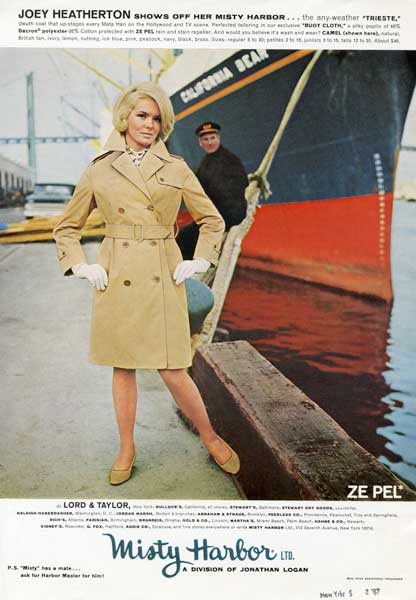
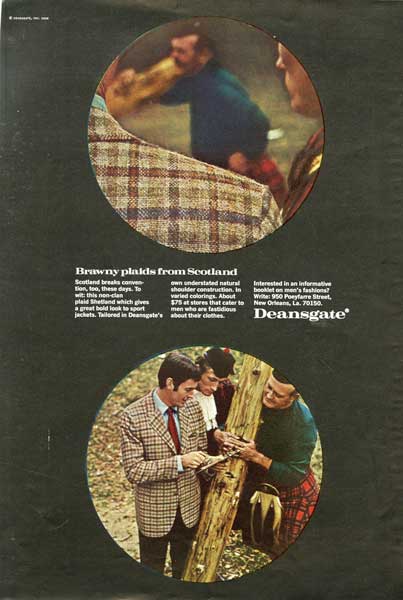
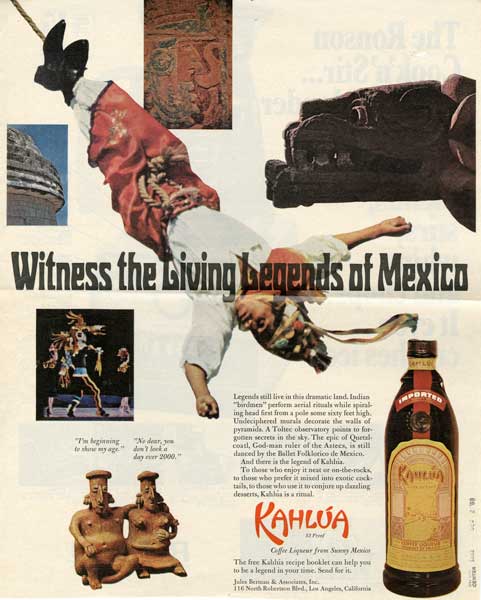
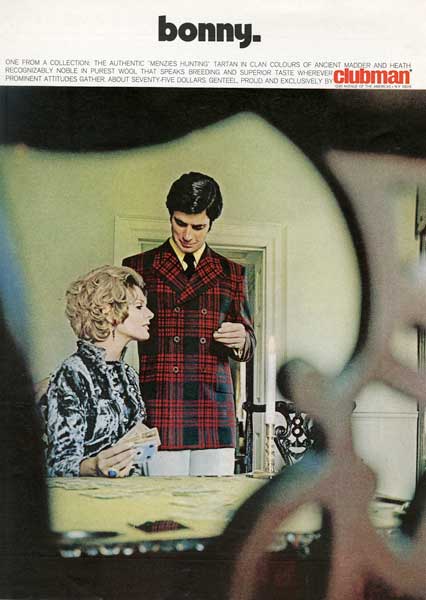
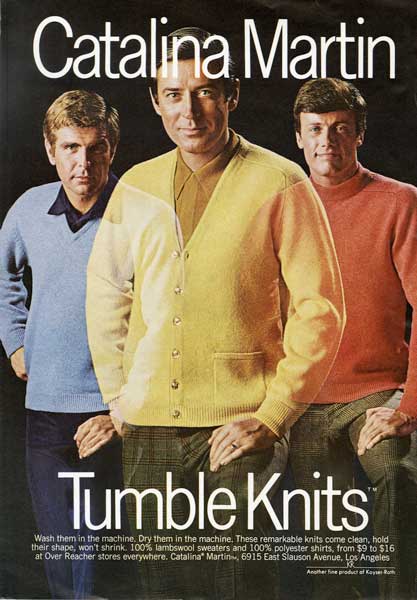
Last night’s episode featured references to typewriters, Kahlua, plaid jackets, and bras, among other things.  Enjoy our selection of highlighted ads that reflect the brands and themes that Mad Men characters interacted with last night.

A gallery of our selected images may also be found on Flickr.
Royal_Typewriter_B310

Weldwood_Paneling

Sara_Lee_Coffee_Cake_F130

Deansgate_Mens_Jacket_A112

Kahlua_F330

Bonny_Plaid_Jacket_A112

Joey_Heatherton_A112

Maidenform_Bra

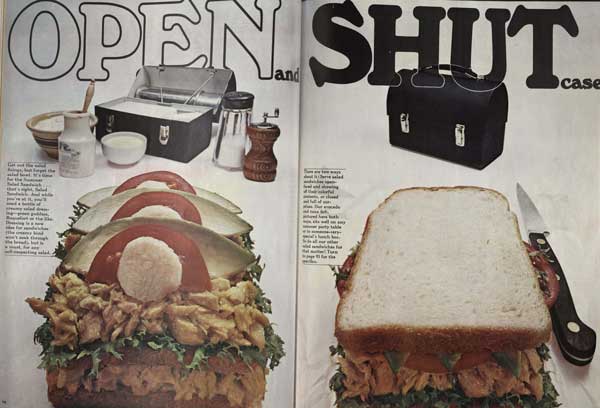
Chicken_Salad

Mad Men Monday – Season 7, Episode 2 “A Day’s Work”

Mad Men Mondays logo


Last night’s episode of Mad Men depicts Valentine’s Day at SC&P. Several characters are upset when they are treated poorly or shuffled around, but by the end of the episode we see that there is housekeeping afoot that reveals new opportunities. Don’s day to day existence is exposed through sleeping late, cracker eating, and flipping through magazines.  Only when he is preparing for Dawn to come by and brief him does he clean up and get dressed to preserve the illusion that he is his normal steely self. Sally and her friends are given leave to go to New York City to attend the funeral of another friend’s mother and subsequently sneak off to go shopping before their return.  Once Sally realizes that she lost her purse, she goes to SC&P to ask Don for train fare.  Her encounter with Lou Avery exposes Don’s subterfuge and gets Dawn unfairly demoted to reception. Sally waits for Don at his apartment and when he returns from lunch with a contact at Wells Rich Greene he drives her back to boarding school. Peggy mistakes Shirley’s roses as ones for her from Ted, which causes a chain reaction of frustration and awkwardness for the two women. Joan is aggravated when her colleagues keep demanding that she solve their problems with secretarial staff by shifting them around. Pete is angry that he has to defer to Bob Benson and Chevrolet’s permission when he lands the SoCal Chevy Dealers Association account. Sally and Don finally have a frank conversation on the way back to school that begins to repair their damaged relationship. Jim Cutler offers Joan the opportunity to focus on account management, which allows her to leave behind the frustrations of human resources. Joan’s parting gesture as she moves to her new office is to reward Dawn with a promotion to human resources.  We see Dawn smile as she settles into her new office.

Last night’s episode featured references to Ritz crackers, Coffee Mate, Chevy Dealers Association, and Cutty Sark, among other things.  Enjoy our selection of highlighted ads that reflect the brands and themes that Mad Men characters interacted with last night.

A gallery of our selected images may also be found on Flickr.

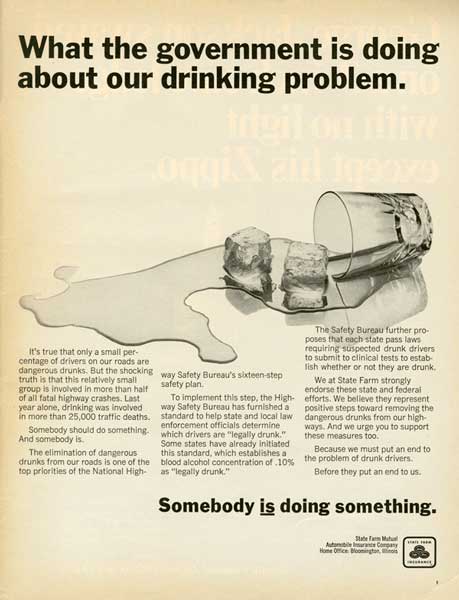
Life_Drinking_PSA


L&M_G111

Ritz_F160

Bug_Spray_H240

CoffeeMate_F119

Sweet_n_Low_F123_folder1

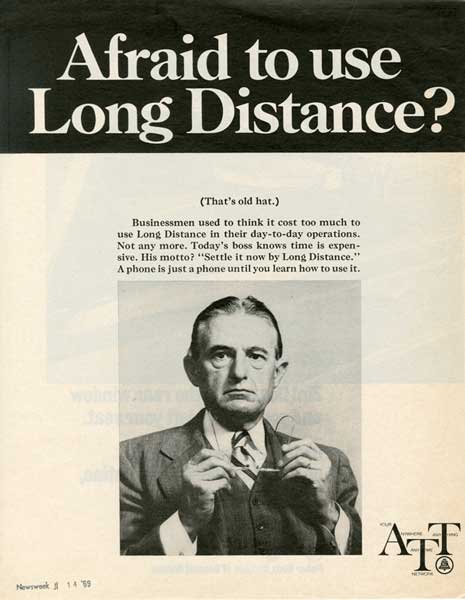
AT&T_B140_Folder1


Life_Chevy_Dealer

Cutty_Sark_F330

Life_Sirhan

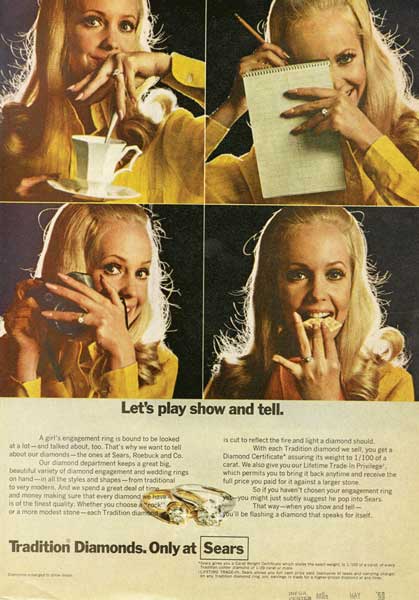
Engagement_Ring_G210


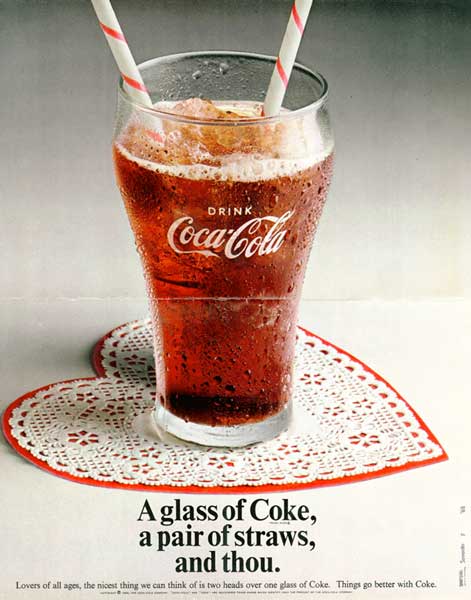
CocaCola_ValentinesDay_F220

In the Lab: The Charleston Courier, 1815-1851

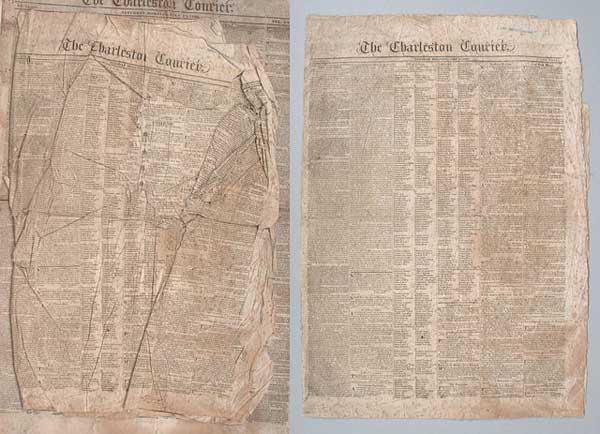
My most recent project in the conservation lab has been a set of 32 newspapers, issues of the Charleston Courier from 1815 to 1851.  Some time in the past, they had been damaged by water, mold, insects, and dirt.  All of them had tears, and many also had large losses and were exceedingly fragile.  When they arrived in the lab, I could tell immediately that they were going to require a lot of work, but that they would also be fun and rewarding.  While modern newspapers are made of wood pulp which quickly degrades, turning brittle and yellow, old newspapers were printed on rag paper made from textile fibers like cotton and linen, and thus they are much more resilient and pleasant for a conservator to work with.

Charleston Courier newspapers before treatment

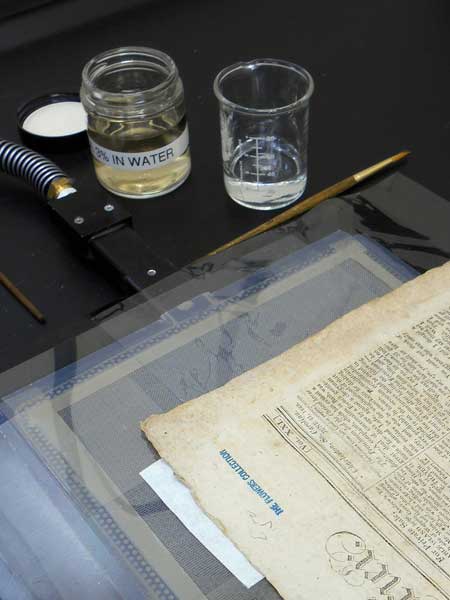
I knew I would need to do aqueous treatments, so, after cleaning off the surface dirt, I tested the inks to make sure they would not be soluble in water.  While the black printing ink was stable, most of the papers had a collection stamp in turquoise ink that was sensitive to water.  However, I was able to find three ionic fixatives, chemicals that are used to make certain dyes insoluble.  I tested all three, and one (Mesitol NBS) turned out to be exactly what this ink needed.  I used a brush to apply a small amount to the blue inked area, working over the suction platen to pull the chemical all the way through the paper, and then my newspapers were ready to wash.

Fixing soluble ink
Fixing soluble ink

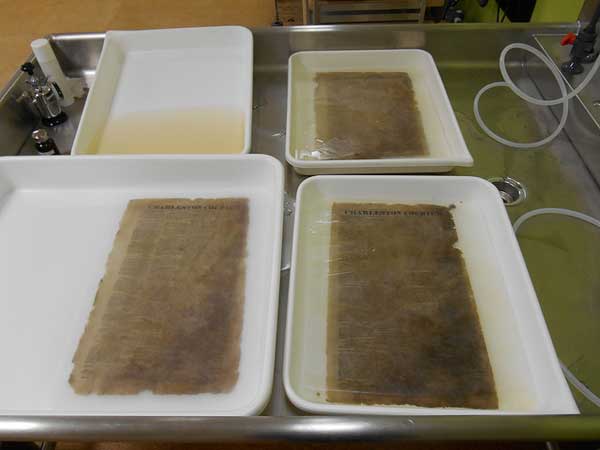
Each newspaper was immersed in a bath of deionized water.  Extensive discoloration and degradation products were washed out, turning the water peachy yellow.  I changed the water in each tray until it stayed clear, signaling that washing was complete.  It was rewarding to see what a visual and physical difference there was between the washed and unwashed papers.

Aqueous treatment to remove discoloration and degradation products.  The upper left tray shows the extent of discoloration removed from a page in its first bath.
Aqueous treatment to remove discoloration and degradation products. The upper left tray shows the extent of discoloration removed from a page in its first bath.
Comparison of newspapers before and after washing

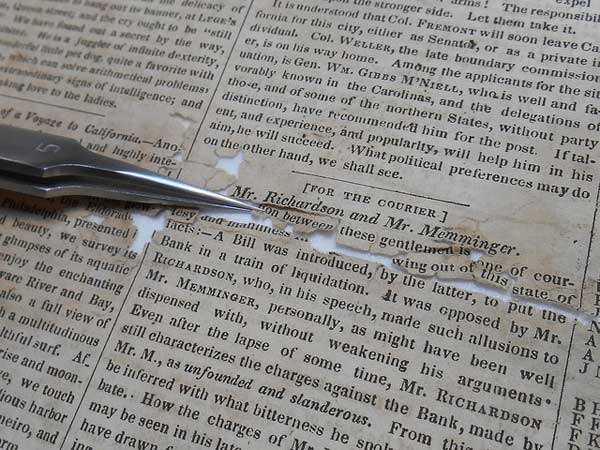
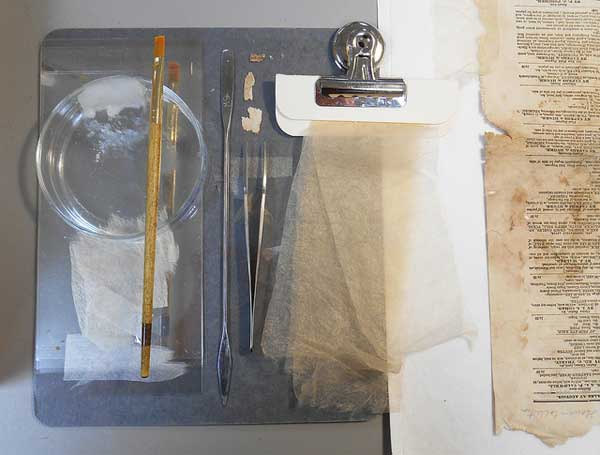
After washing and drying, I had many hours of mending to do, and many little puzzle pieces of newspaper to put in place.  For my mends I used wheat starch paste and very thin Japanese papers which are almost transparent so as not to obscure the text on the newspapers.  I did not fill all of the numerous losses, but I made the newspapers more stable for researchers to handle.

Aligning tears to prepare for mending
Mending materials: wheat starch paste and lightweight Japanese paperMending materials: wheat starch paste and lightweight Japanese paper
Mending materials: wheat starch paste and lightweight Japanese paper

While working on the repairs, I was often confronted with fragments that would say something like “General / troops / fired” on one side and “congress / voted / article” on the back, and thus I would find myself reading the papers to know where the pieces might belong, which is something I rarely get the chance to do beyond a quick perusal.  The earlier newspapers had battle reports, as the war of 1812 was still going on.  The articles were fascinating, and the advertisements even more so.  Many were similar to modern ads:  houses for rent, job postings, theater listings, lost and found, dubious medical cure-alls, and sales of merchandise, often accompanied by decorative printed icons.  Some were a little more unusual and interesting, like an ad for “Daguerreotype Paintings” or a woman offering her service as a wet nurse.  But I was surprised to see ads for slaves, either for sale or wanting to buy, and many alerts for runaways.  The runaways were the most intriguing as they gave personal details of the individuals, and I found myself wondering what happened to them, applauding their escape and hoping that they found a better life.

Advertisements including a young girl for sale and a runaway slave

When the mending was finished, I housed each of the newspapers in a clear Mylar sleeve so they can be handled with greater ease and safety.  Even after treatment many of them are still fragile, but now they can be handled and used by researchers with much less risk of damage.  And I hope they will be used, as they are fascinating!  To see more images of treatment and examples of interesting advertisements, see our Flickr page.

Newspapers before and after treatment

Post contributed by Grace White, Conservator for Special Collections, as part of our ongoing “In the Conservation Lab” series.

The Chronicle’s First-Hand Account of a White Supremacist

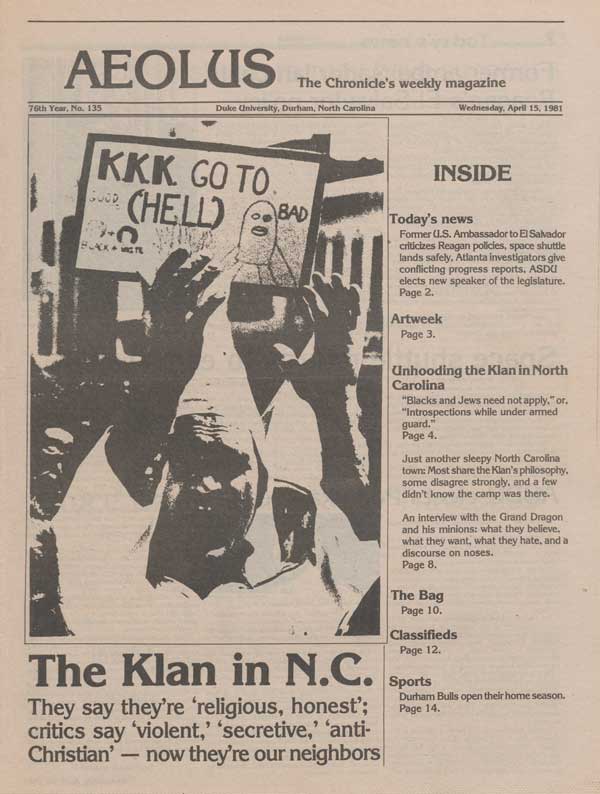
The shocking shootings in Kansas City during the past weekend have brought renewed attention to Glenn Miller (Glenn Cross), a longtime white supremacist with ties to North Carolina. In Monday’s Washington Post, Robert Satloff, Trinity College class of 1983, wrote about his harrowing experience interviewing Miller in 1981 and the Chronicle article that resulted.

The first-hand account, from the April 15, 1981 issue of the Aeolus (the Chronicle’s weekly magazine of the period) is a frightening glimpse into Miller’s mindset. Satloff wrote, “Perhaps I didn’t think that such close-minded, violent, intolerant people still exist. Perhaps I am naïve. I’m not anymore.”

Read the chilling article below. This issue of the Aeolus, and other Chronicle issues from 1980 to February 1989, will soon be added to the Libraries’ Chronicle digital collection.

UPDATE: The April 15, 1981 issue is now available in full in our Chronicle digital collection.

Click to enlarge.
Click to enlarge.


Click to enlarge.
Click to enlarge.
Click to enlarge.
Click to enlarge.
Click to enlarge.
Click to enlarge.

Post contributed by Valerie Gillispie, Duke University Archivist.

Mad Men Mondays: Episode 1, “Time Zones”

Mad Men Mondays logo

Everyone’s favorite ad men and women are back with Season 7 of Mad Men!  Join the Hartman Center as we look back at some ads that resonate with each episode of the new season in what we call Mad Men Mondays.

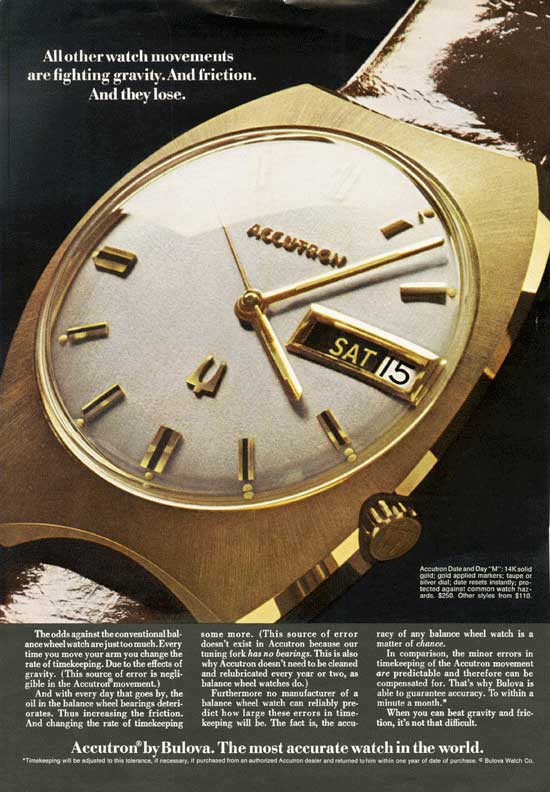
The episode begins in January 1969 with freelancer Freddy Rumsen pitching a commercial for Accutron watches to an enthusiastic Peggy. Later Peggy pitches a variation on the same ad to new SC&P creative director Lou Avery and is disappointed when he opts for a blander slogan.

Roger wakes up amongst a group of naked sleeping people on the floor of his messy hotel room when his daughter calls to invite him to brunch. A harried and overworked Ken asks Joan to meet with a representative from Butler Footwear in his stead.  She quickly realizes that Butler’s marketing director intends to move all advertising in-house and dismiss SC&P.

Don visits Megan in Los Angeles for the weekend and they have a series of awkward encounters. Don also meets up with a happy, suntanned Pete, who shows him around the new office and brings him up to speed on SC&P gossip. Peggy and Ted have an awkward exchange when he visits the New York office. Joan meets with a Columbia University business professor to get an analysis of Butler Footwear’s plans.  The professor’s ideas help Joan keep Butler’s account from firing SC&P right away.

Roger’s daughter forgives him for all of his transgressions over brunch, which doesn’t seem to sink in with him until later when he lies down with his lover and another man. Don meets a woman on the plane back to New York and they have a candid conversation about their lives, but he declines her offer of more. Peggy has to deal with her tenant’s toilet problems and is frustrated with her life.

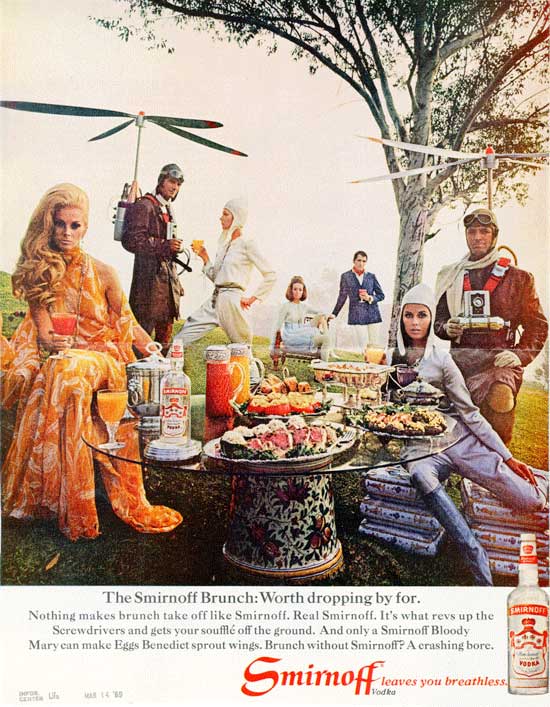
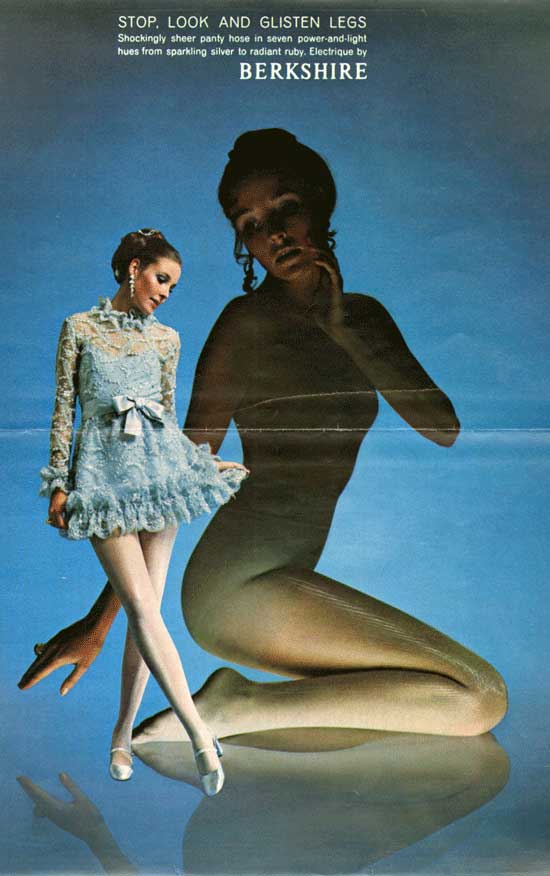
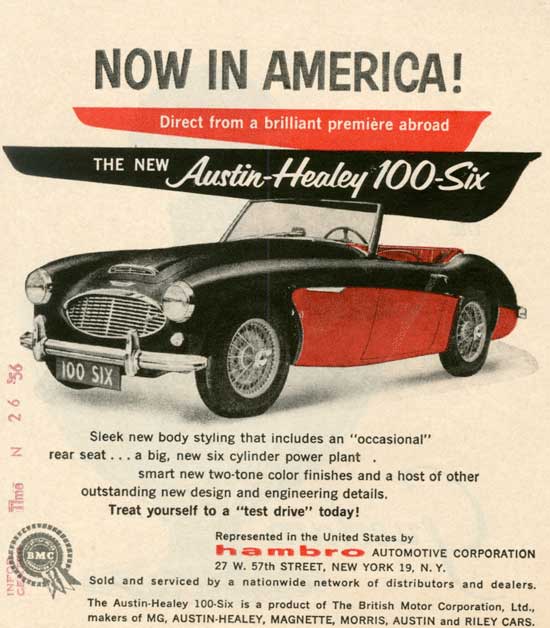
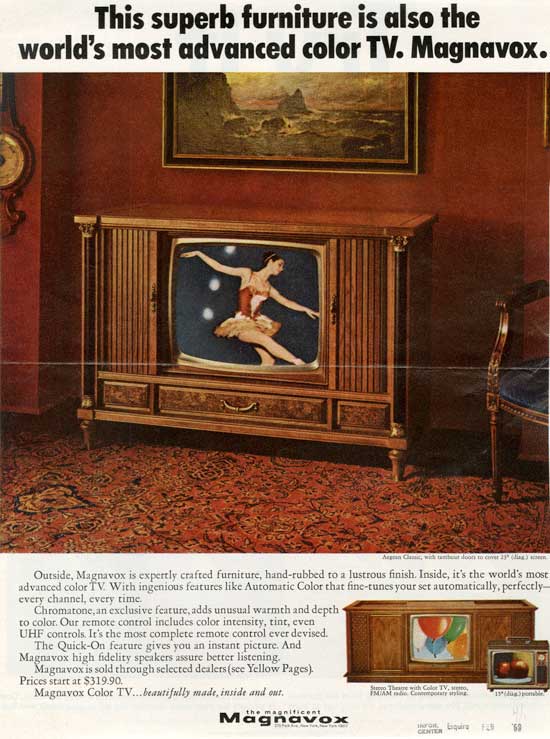
Last night’s episode featured references to Accutron watches, Austin Healy, brunch, vodka, and sliding doors, among other things.  Enjoy our selection of highlighted ads that reflect the brands and themes that Mad Men characters interacted with last night.

A gallery of our selected images may also be found on Flickr.
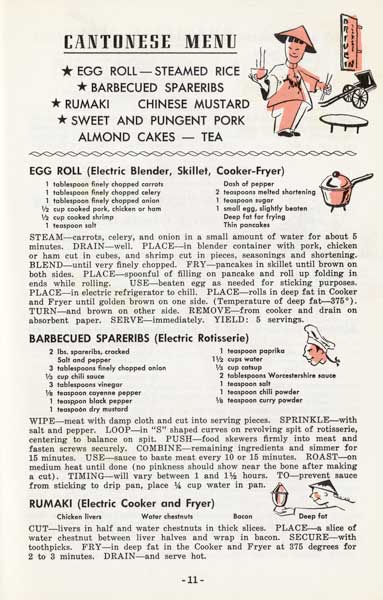
Accutron

Schlitz

Norelco Electric Razors

Berkshire Pantyhose

Austin Healy Ad

Piper Champagne Ad

The Year of the Brunch Booklet

Smirnoff Ad

Playboy Ad

Magnavox Ad

TWA Ad

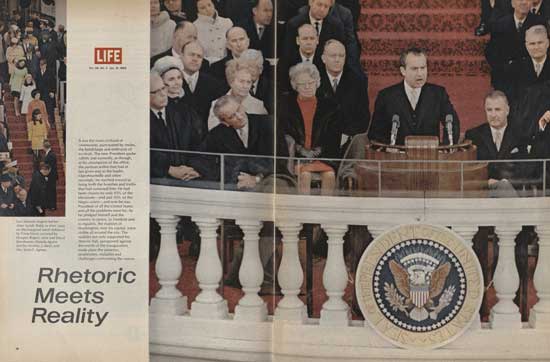
 Cover, J. Walter Thompson Annual Report, 1969Nixon Inauguration, Life MagazineMeds Tampons Ad

In Memoriam: Charles Stone, Jr. (1924-2014)

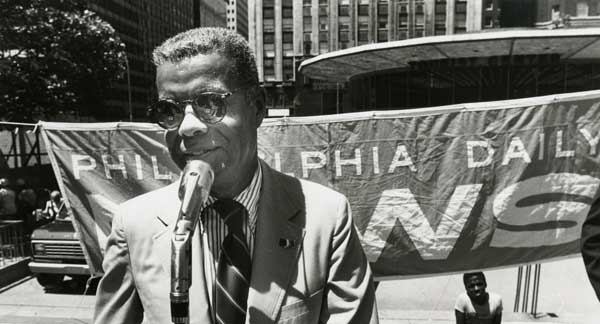
Chuck Stone. From the Chuck Stone Papers.
From the Chuck Stone Papers.

Charles “Chuck” Stone Jr. died on April 6 at the age of 89. Stone was a pioneering journalist, a long-time columnist with the Philadelphia Daily News, and co-founder and first president of the National Association of Black Journalists.

Among his notable career accomplishments, Stone was a Tuskegee Airmen during World War II, served as special assistant to Congressman Adam Clayton Powell Jr. from 1965-67, and was a key mediator between alleged criminals and the Philadelphia Police Department. Stone served as Walter Spearman Professor of Journalism at the University of Carolina-Chapel Hill from 1991-2005.

The Chuck Stone Papers were donated to the John Hope Franklin Research Center for African and African American History and Culture in 2004.

Post contributed by John Gartrell, Director of the John Hope Franklin Research Center for African and African American History and Culture.

Heschel Highlights, Part 7

“Alas! My teacher Rabbi Professor Abraham Joshua Heschel is no more…He left this troubled world immensely enriched by his brief presence and sojourn thereon. Demanding of none but himself, Rabbi Heschel’s life was a model for others to follow.”

Image1
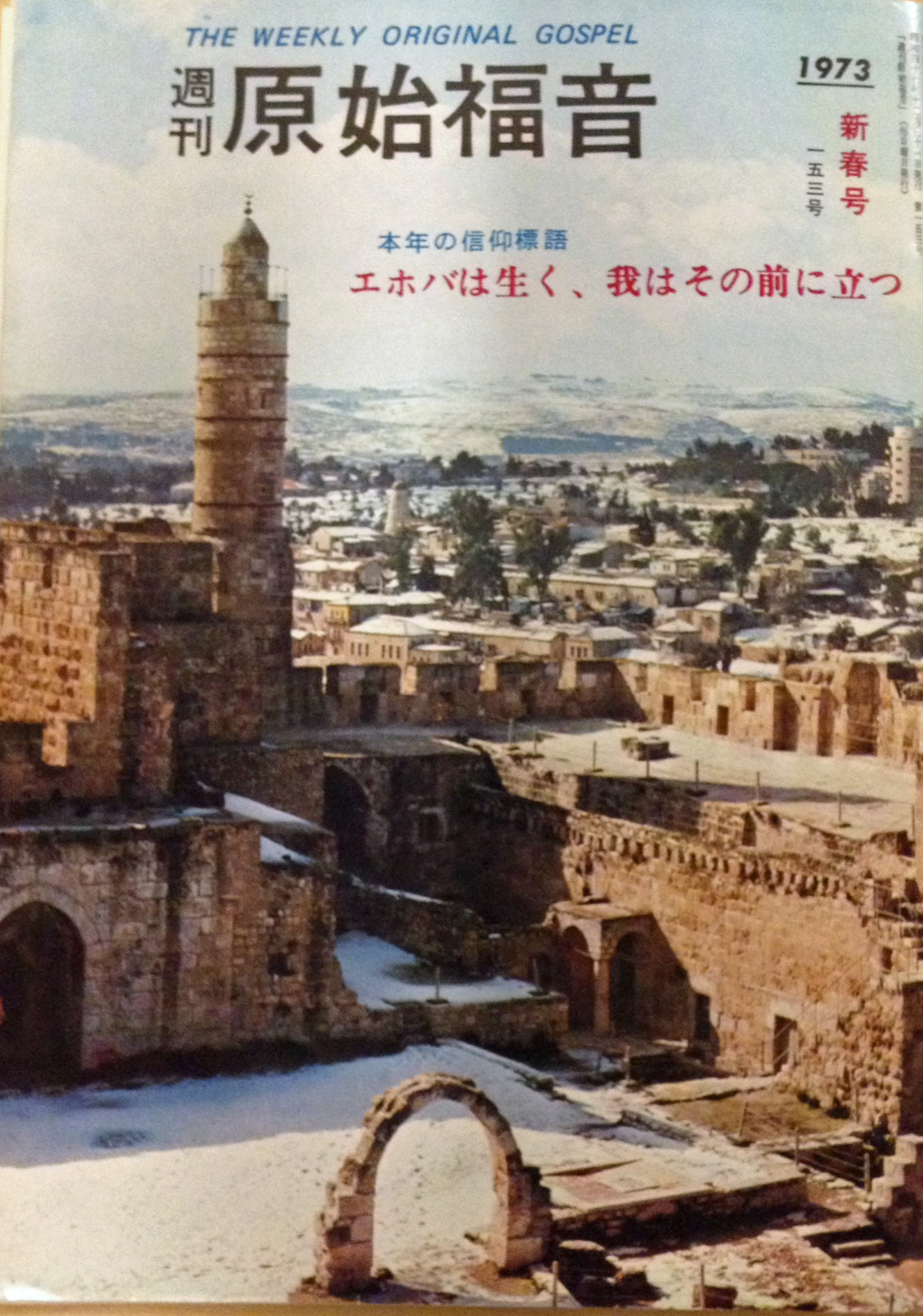
The Weekly Original Gospel, 1973

The Abraham Joshua Heschel papers abound with examples of Heschel’s commitment to interfaith work as well as commemorations written after Heschel’s death, and the commemoration quoted above highlights both of these aspects.  Jacob Teshima, the author of the commemoration above, was a student of Heschel’s at the Jewish Theological Seminary (JTS). He was also the son of Ikuro Teshima, founder of the Japanese Makuya (tabernacle) movement, or the Original Gospel Movement. The Makuya movement is made up of Japanese Christians who are dedicated to a return to the faith of Hebraic Christianity. This commemoration appeared in a publication of the movement, The Weekly Original Gospel. As part of his commitment to Israel and its people, Ikuro Teshima encouraged Makuya members to learn Hebrew and visit Israel. Ikuro Teshima met with many Jewish leaders in his lifetime including Martin Buber and Zvi Yehuda Kook and spread their teachings to Makuya members.

After helping his father lead the Makuya movement for a few years, Jacob Teshima traveled to New York to work towards his Doctorate of Hebrew Letters (DHL) at JTS. He studied Hasidism under Heschel at JTS and his thesis was entitled “Zen Buddhism and Hasidism: A Comparative Study.” Jacob Teshima’s commemoration reveals his deep respect for Heschel as a teacher and as a religious leader: “Ah, my Rabbi, my dear friend, Abraham Heschel, God’s spokesman in the 20th century of this Earth.”

Image2
Heschel addresses the Makuya Pilgrims

 When Jacob Teshima was learning from Heschel at JTS, Ikuro Teshima and Heschel began corresponding. According to the letters we have in the Abraham Joshua Heschel papers, Ikuro Teshima hoped to bring Heschel to Japan. On April 23, 1971, Teshima wrote that his son Jacob was “thoroughly enjoying” Heschel’s class and invited Heschel to give lectures in Tokyo and Osaka. He offered to book the round trip air-ticket and was eagerly awaiting his arrival. “Shalom from Japan!” another letter from July 22, 1971 began excitedly. The letter continued, “Our prayer is that, after your visit to Japan, you will remember Japan as your third home, perhaps dearer than America.” Besides extending these invitations to Heschel, Ikuro Teshima also translated God in Search of Man into Japanese and published his translation.

Image3
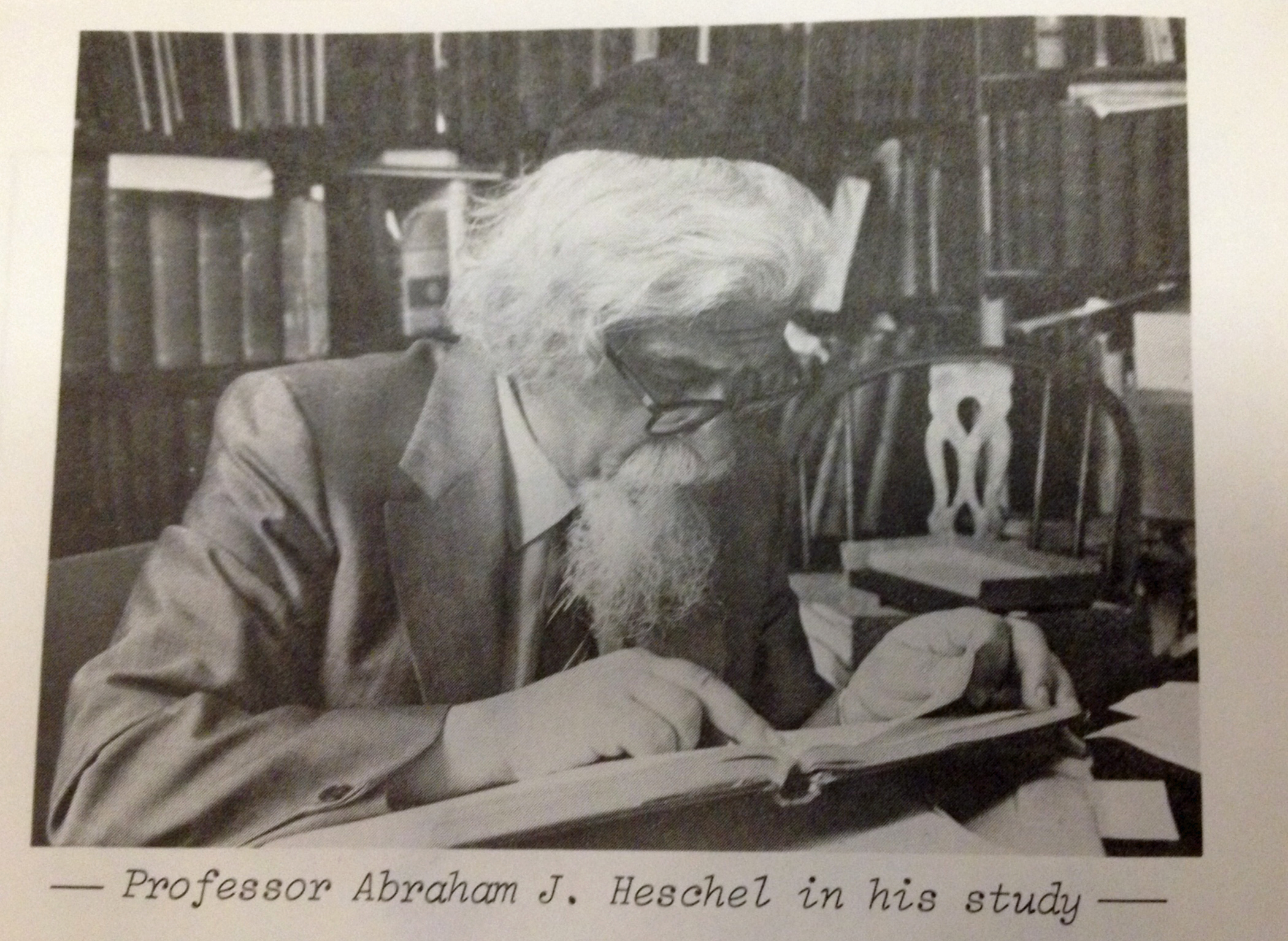
Heschel in his study

In his commemoration, Jacob Teshima included a vignette about a meeting with Heschel on December 22, 1972. Jacob quoted Heschel’s words that afternoon: “Jacob, when I regain my strength, but who knows when that will be; maybe February if I’m lucky; anyhow in May, I hope to visit Japan. I hope you’ll accompany me, Jacob. I’d like to meet your father and see the Makuya people who are so aflame with God’s love.” Unfortunately, Heschel passed away the next day and never fulfilled his wish to visit Japan. But thanks to the Makuya movement’s translation of his books and their dedication to his teachings, Heschel’s presence is alive and well in Japan.

Post contributed by Adrienne Krone, Heschel Processing Assistant