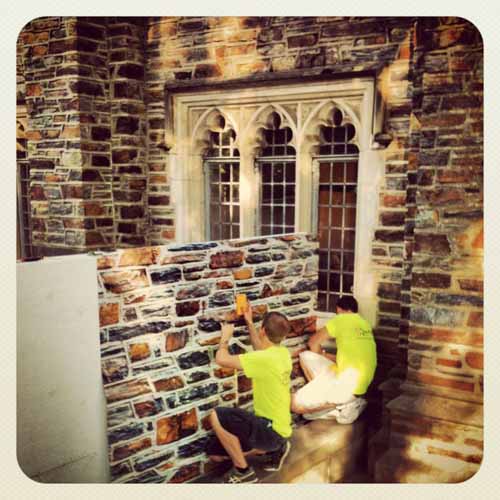
Last week, we watched “Duke Stone” panels going up on the construction fence surrounding the Rubenstein Library and the West Campus Union. So we thought we’d take a few moments to write about the real Duke Stone!
Duke Stone panels being applied. Photo by Aaron Welborn.
Did you know that Duke Stone comes from a quarry in Hillsborough, North Carolina, just about 10 miles away from campus? Or that there are 24 distinct colors in the stone: 7 primary colors with 17 distinct variants of the primary colors? Or that, before choosing the Hillsborough stone, there were several other stone contenders?
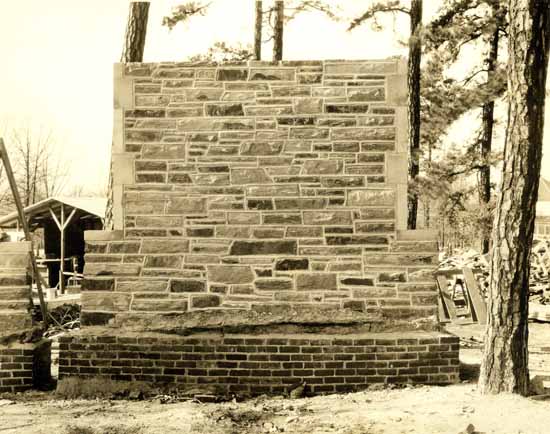
Before the Hillsborough stone was chosen to construct West Campus, and before it was known simply as “Duke Stone,” the architects, designers, builders, and James B. Duke himself looked at many different stone samples. They even constructed test walls of stone from other quarries on the East Coast to determine which one they liked the best. Here’s one of the test walls constructed during that phase:
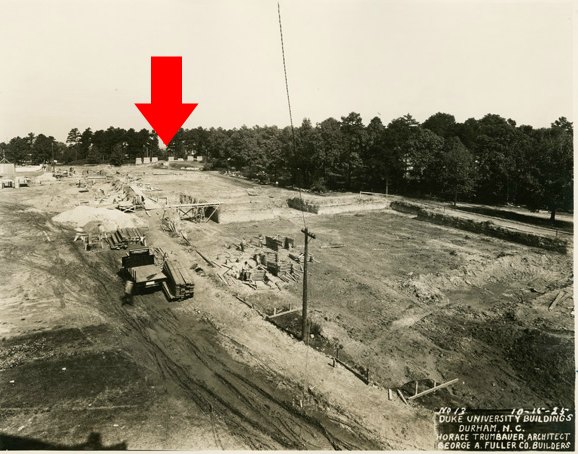
And in this October 15, 1925 photo of construction on East Campus, the test walls are visible off in the distance.
It’s safe to say that we all know and love Duke Stone today—so much so that the panels are going up on the construction wall so that we don’t have to be without the look of it for too long. Next time you’re on campus, see how many primary and variant colors you can find in the stone. Let us know how you do!
Post contributed by Maureen McCormick Harlow, 175th Anniversary Intern for the Duke University Archives.
My latest conservation project has been one involving chemicals and special equipment, doing something that we conservators face far too often—tape removal. But fortunately, our lab is well equipped with tools and materials specifically for that purpose.
In September there will be a new exhibit at the Nasher Museum of Art on empire and cartography, organized by the BorderWork(s) Lab here at Duke. Seventeen maps and books from the Rubenstein Library were selected for the exhibit, but many of them required treatment first. Rachel Penniman, Erin Hammeke, and I have been working to make sure the items will be in safe condition before they make the short journey across campus to the museum.
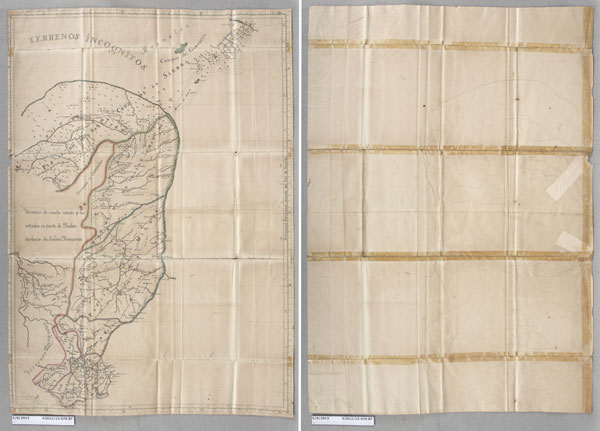
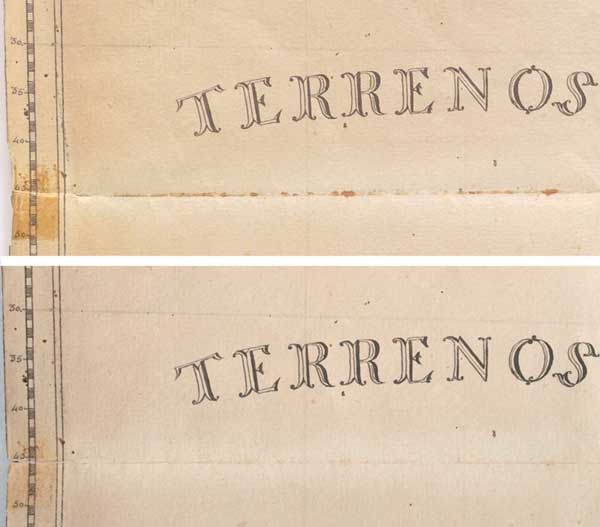
One item that has required the most work for me is an early 19th century hand-colored manuscript map from South America labeled “Terrenos Incognito” (above, front and back). Although on good quality, strong paper, the map was previously folded so many times that it began to break along the folds, and so some well-intentioned person in the past reinforced the folds with strips of tape on the back. Over time, the adhesive turned yellow and seeped through the paper, leaving stains along all of those fold lines. And not only is the staining unsightly, but the adhesive is also chemically destructive to the paper, making it brittle and more liable to break. So now, as is often the case, I am spending many hours undoing someone’s quick fix that turned out to do more harm than good.
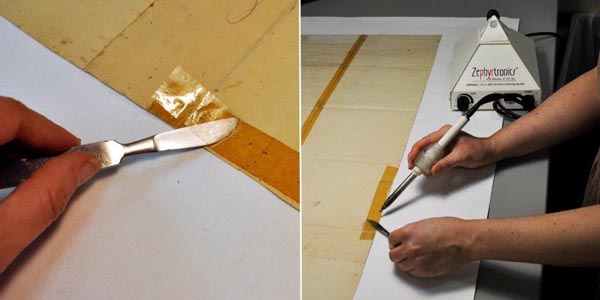
Before using any chemicals I tried mechanical means to remove the tape. First I had to remove the carrier, the plastic part of the tape that the adhesive is attached to. For that I used a hot air tool to soften the adhesive and an unsharpened dissection scalpel (my favorite tool) to lift the carrier off. But there was a lot of residual adhesive left on (and in) the paper.
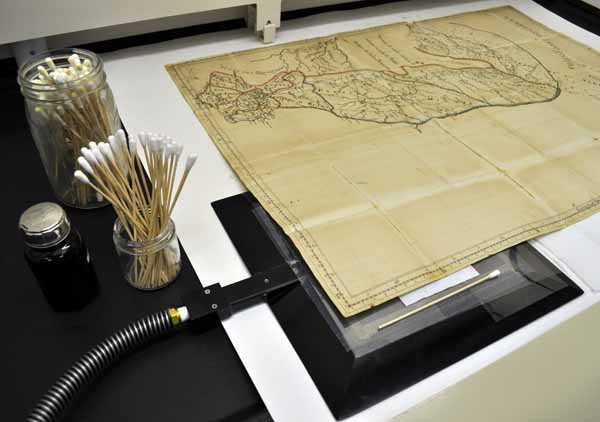
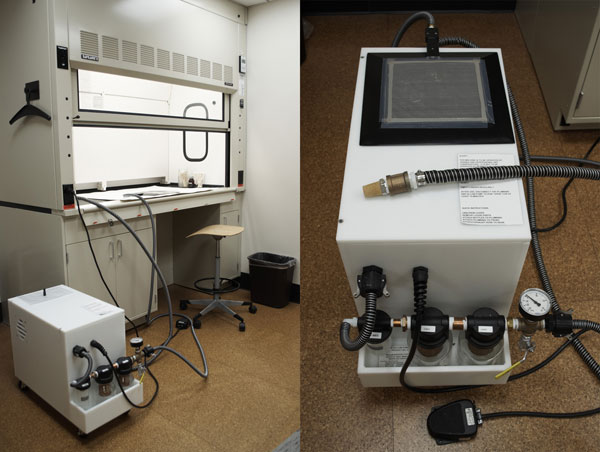
After testing the adhesive’s solubility in various chemicals, I selected the most appropriate solvent. In conjunction with the use of chemicals I have been using our excellent vacuum pump and manuscript suction device, also officially known as a Stealth Sucker. I work in the fume hood to avoid breathing solvent fumes. I lay my map on the suction platen and use solvent to dissolve the adhesive, then the vacuum action draws it out of the paper. I can only treat an inch at a time and the work is very slow, but the effect is rewarding . Although there will always be some staining visible, the map’s appearance is beginning to improve dramatically. Soon I hope to have it finished, and visitors at the Nasher will be able to appreciate its beauty without the distraction of adhesive stains.
Detail of “Terrenos Incognito,” Before and After TreatmentDetail of “Terrenos Incognito,” Before and After Treatment
One of the most frequently used items in the Duke University Archives is The Chronicle, particularly the 1960s issues. Many students are interested in the decade—which was one of great change in the student body, the curriculum, and in social life—and alumni and other researchers use it to find out details about particular events. This year, as Duke commemorates 50 years of desegregation among the undergraduate class, The Chronicle is especially helpful as a source of information about desegregation and later student protests like the Vigil and the Allen Building Takeover.
Thanks to the work of the Duke University Libraries’ Conservation Department, Digital Production Center, and Digital Projects Services, we now have eleven complete years (fall 1959-spring 1970) of The Chronicle digitized at http://library.duke.edu/digitalcollections/dukechronicle/. The issues are browsable by year and date and keyword searchable.
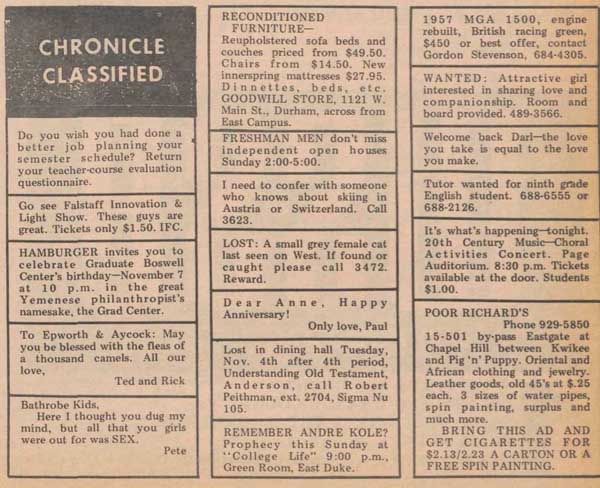
Although it will be extremely helpful for research on desegregation and student protest, it will also be helpful for researching topics ranging from the Duke-UNC rivalry to women on campus to ads for local restaurants. Through even small stories and announcements, we learn a lot about campus.
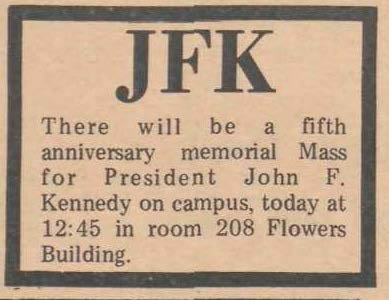
For example, on November 22, 1968, we read that a memorial mass was held to commemorate the 5th anniversary of the passing of John F. Kennedy, Jr.:
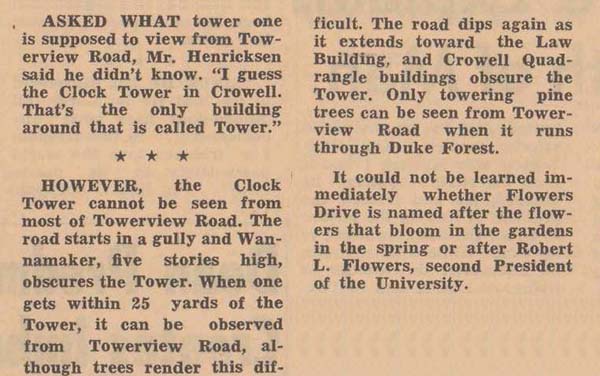
On March 1, 1963, we learn of the mysterious origins of the name of Towerview Road:
And on November 7, 1969, we find 1969 at Duke, perfectly preserved:
There are 868 issues of editorials, news stories, sports writing, advertisements, and much more. Let us know what you think, and how you will use the digitized decade of The Chronicle!
Post contributed by Valerie Gillispie, Duke University Archivist.
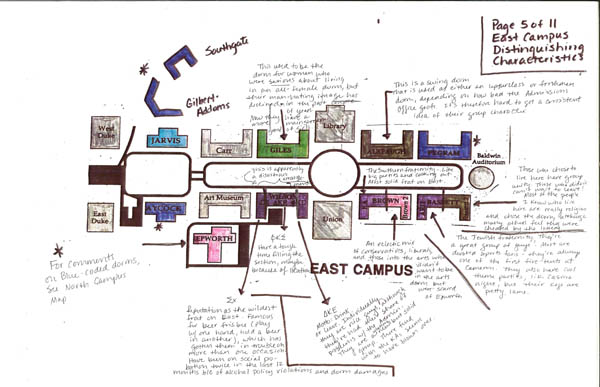
This spring I assisted my supervisor in processing the Duke Student Government (DSG) Records. One day he called me over to look at a report he had found called “A Color-Coded Guide to Campus Living Groups.” Prepared in the summer of 1992 by Adrianne G. Threatt, this report truly was colorful. It was divided in two parts with maps of the campus living groups on Main West Campus, Edens Quadrangle, East Campus, and North Campus. Part II was straightforward, with four maps showing the approximate number of residents per living group. But Part I showed the same four maps with hand-written commentary about the “distinguishing characteristics” of each living group. Looking at these comments reminded me of my own experience with Duke dorms and their “distinguishing characteristics.”
Click to enlarge!
One day shortly after my freshman year began, I walked into my dorm, Giles, to find all my friends crowded around a single laptop. My roommate was pointing to the screen animatedly, so I stopped to see what all the girls were looking at: it was a list of all the dorms on East Campus, with blurbs about the reputations of each. Giles, it said, was “home to pretty girls who like to have a good time.” Being freshmen, we of course knew everything on the internet is true: we all must have been placed in Giles because the all-knowing, all-seeing Duke housing lottery deemed us pretty girls who liked to have a good time.
Seeing the color-coded maps, then, I was eager to find out the “distinguishing characteristics” for Giles in 1992. According to the guide, Giles was “the dorm for women who were serious about living in an all-female dorm, but their man-hating image has declined in the past couple of years. Now they have a more main-stream group of girls.” To say the least, a far cry from what my friends and I had read 18 years later, in the fall of 2010.
What else had changed about East Campus? The first thing I noticed was that East was not an all-freshman campus. There were fraternity sections, for one thing, and “swing dorms,” which were used as either upper-class or freshman dorms.. In Wilson, there were three fraternity sections—ΣX (Sigma Chi), ΦKΣ (Phi Kappa Sigma), and ΔKE (Delta Kappa Epsilon)—which the author of the maps noted as “apparently a disastrous arrangement.” The “artsy dorm” in 1992 was Epworth, whereas Pegram had that title by my freshman year. Half of Bassett in 1992 was AEΠ’s (Alpha Epsilon Pi) section and the people who chose to live on the other half of Bassett were described as having “group unity” and as being “really religious.” I have only known Bassett as the dorm where all the basketball players lived.
Despite all these changes, many things have stayed the same. In 1992, KA’s (Kappa Alpha) section was in half of Brown; the author described KA as “the Southern fraternity,” who likes “big parties and cooking out.” This reputation holds true today. AEΠ was known as “the Jewish fraternity” and as a “great group of guys” who had “cool theme parties, like Casino night, but their kegs are pretty lame.” AEΠ is still the Jewish fraternity and still considered to be a great group of guys who have fun parties. As to their current kegs quality—no comment.
Being at Duke is exciting because the history that is everywhere makes us feel like part of a much bigger legacy. Yet, we are still able to make that legacy our own. This is why we see both reputations that persist through the years and reputations that constantly change. I would be interested to hear how other students and alums feel about Duke’s “distinguishing characteristics” over the years.
Do you see your Duke in the color-coded guide to the Duke of 1992?
The Duke University Libraries are proud to announce the completion of the still image digitization for the Duke-held collections of the Content, Context, and Capacity (CCC) Project.
This inter-institutional collaborative project of Duke, UNC Chapel Hill, NC State, and NC Central is digitizing records relating to the Long Civil Rights Movement. The Long Civil Rights Movement is a term used by historians to expand the traditional definition of the Civil Rights Movement of the 1950s and 1960s both further into the past and into more recent times. Collections from this project date back to as early as the 1880s and to as late as the first decade of the 2000s.
In total, all four institutions will digitize over 350,000 documents. Duke’s share of that total is approximately 66,000 scans from eight archival collections from the David M. Rubenstein Rare Book & Manuscript Library. In addition, during the next (final) year of the project, the CCC staff will transition to the digitization of audio collections. Duke will focus on the digitization of the North Carolina tapes from the Behind the Veil Oral History Collection, which is scheduled for publication in 2014.
Check out the gallery of selected documents digitized as part of the project (click to enlarge) and browse each of the eight collection’s finding aids, now containing the embedded digitized documents, below.
Flyer in opposition to Allen Building Takeover Questionnaire, February 1969. From the Allen Building Takeover Collection.
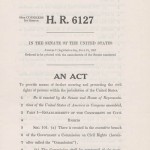
First Page of Civil Rights Act of 1957 (H.R. 6127), July 8, 1957. From the Basil Lee Whitener Papers.
Flyer for student life discussion, Black Student Alliance, January 1998. From the Black Student Alliance Records.
“An Important Work”, G.A. Mebane, 1885. From the Charles N. Hunter Papers.
“Black Studies termed progressive for area”, The Chronicle, September 12, 1972. From the Department of African and African-American Studies Records.
Photograph, Elna Spaulding is sworn in as Durham County Commissioner, undated. From the Asa and Elna Spaulding Papers.
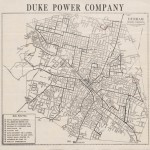
Map of Durham, Duke Power Company, May 1, 1948. From the Rencher Nicholas Harris Papers.
Letter, Patricia Nixon to Elna Spaulding, June 30, 1969. From the Women-In-Action for the Prevention of Violence and Its Causes Records.
Collection descriptions and links to finding aids (containing digitized materials):
Charles N. Hunter Papers, 1850s-1932 and undated: An educator and reformer ahead of his time, Charles N. Hunter’s papers feature valuable writings and speeches as well as correspondence with many luminaries, including Booker T. Washington.
Asa and Elna Spaulding Papers, 1909-1997 and undated, bulk 1935-1983: Elna Spaulding was a Durham civic leader who served as a County Commissioner and as the present of Women-in-Action for the Prevention of Violence and Its Causes. Her papers include correspondence and records of her civic life with many organizations.
Basil Lee Whitener Papers, 1889-1968: Basil Lee Whitener was a Democratic member of the U.S. House of Representatives from 1957 to 1968 from Mecklenburg County, North Carolina. His papers document his opposition to civil rights legislation as well as his activities as a member of the House Judiciary Committee.
Allen Building Takeover Collection, 1969-2002: This collection documents the events and the remembrances of the February 1969 Allen Building Takeover, during which students occupied Duke’s administrative building demanding improvement of African-American life on campus and skirmishes between sympathizers and the police on the quad became violent.
Black Student Alliance Records, 1969-2006: The Black Student Alliance is a Duke African-American student advocacy organization. Its records include evidence of the organization’s projects as well as their publications and compiled scrapbooks illustrating student life.
Researchers will find a great deal of material to analyze in these eight collections. The CCC staff encourages you to visit the finding aids of each collection and start exploring the varied perspectives, narratives, and memories that help to comprise the Long Civil Rights Movement.
The grant-funded CCC Project is designed to digitize selected manuscripts and photographs relating to the long civil rights movement. Funding is provided by the federal Institute of Museum and Library Services (IMLS) under the provisions of the Library Services and Technology Act (LSTA), as administered by the State Library of North Carolina, a division on the Department of Cultural Resources. For more about Rubenstein Library materials being digitized through the CCC Project, check out previous progress updates posted here at The Devil’s Tale!
Post contributed by Josh Hager, CCC Graduate Assistant.
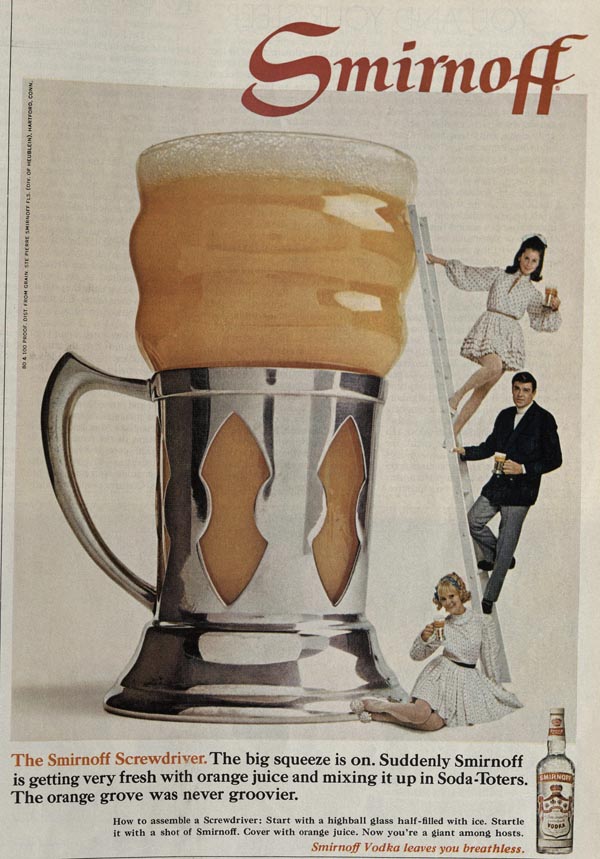
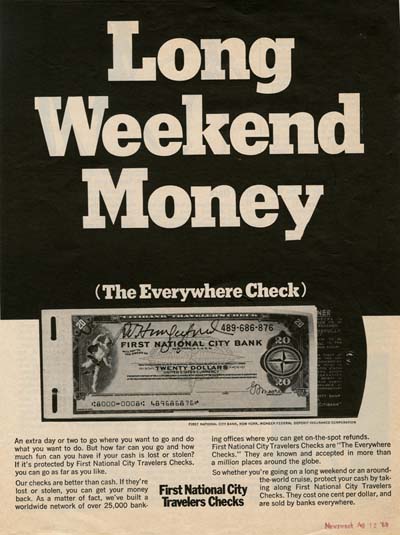
Don stays home from work feigning illness and drinking too much, as he mourns what happened with Sally. Ken goes hunting with two Chevy executives and accidentally gets shot in the face. Betty tells Don that Sally doesn’t want to visit him anymore and that she wants to go to boarding school. Ted and Peggy’s fondness for each other becomes apparent to others in the office. Harry calls Don to tell him that Sunkist has approved a large media budget. Megan and Don go to the movies to see Rosemary’s Baby and run into Ted and Peggy.
Ken steps down from the Chevy account and Pete offers to take his place in Detroit. All of the partners except Ted are excited about the Sunkist news, but agree they need to start working more coherently on new business. Ted is angry that Ocean Spray will be resigned, but is conflicted since Sunkist is a bigger account. Pete is thwarted when he tries to move Bob off of the Chevy account. Duck Phillips tells Pete that Bob has lied about his education and work history.
Sally stays overnight at Miss Porter’s Boarding School and her student hosts demand alcohol and cigarettes. She calls her friend Glen, who arrives with liquor and a friend, Rolo, who has marijuana. Glen fights with Rolo when Sally accuses him of trying to force her to get physical, which makes her smile. The next day, a pleased Betty offers Sally a cigarette during the drive home from the boarding school visit.
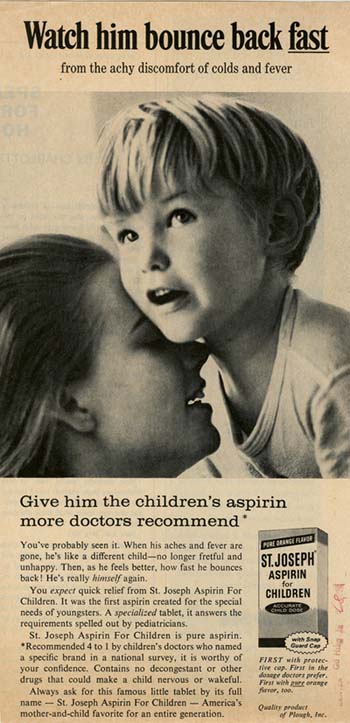
Don tells a St Joseph’s aspirin executive that their expensive commercial was Frank Gleason’s last idea, which gets the client to approve a budget increase, but undermines Ted and Peggy. Later Don tells Ted that his feelings for Peggy are impairing Ted’s judgement. Pete confronts Bob about his identity fraud, but offers a truce so they can work together, as long as Pete is “off limits.” Peggy yells at Don for ruining the St. Joseph’s situation for her and Ted.
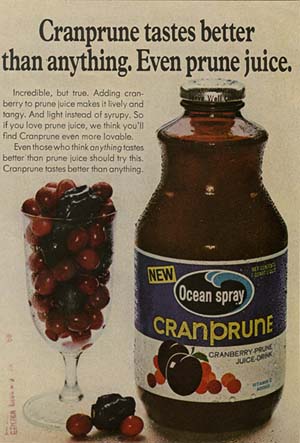
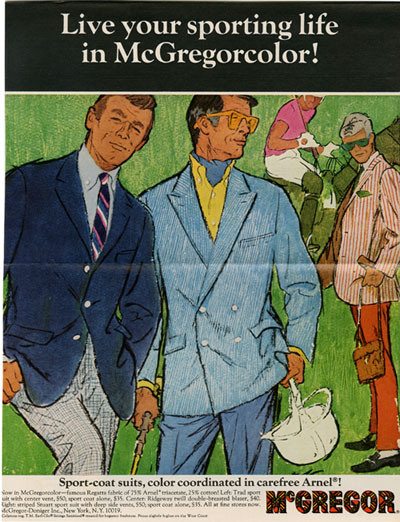
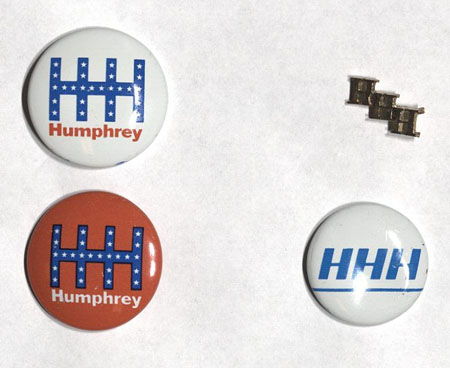
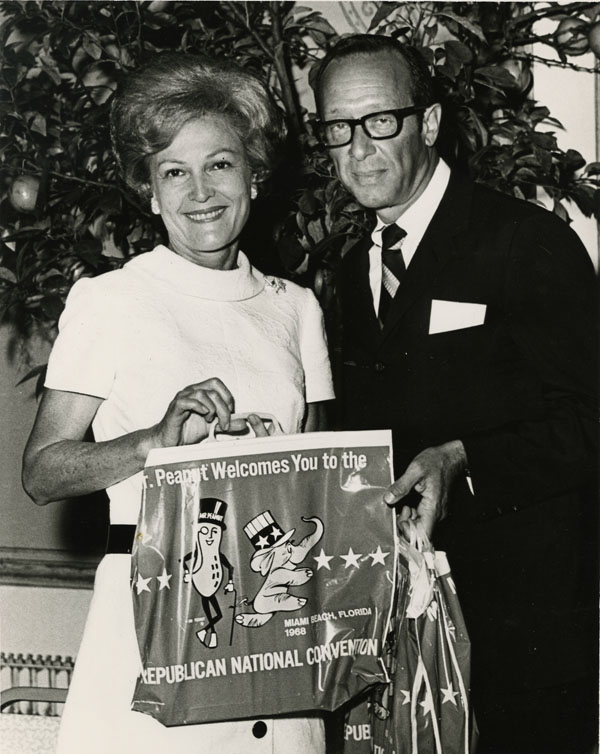
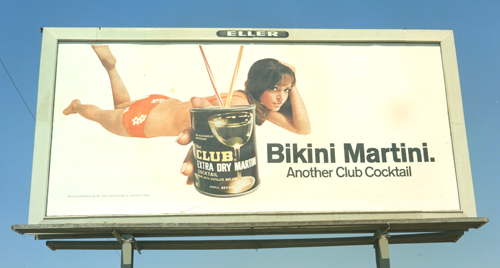
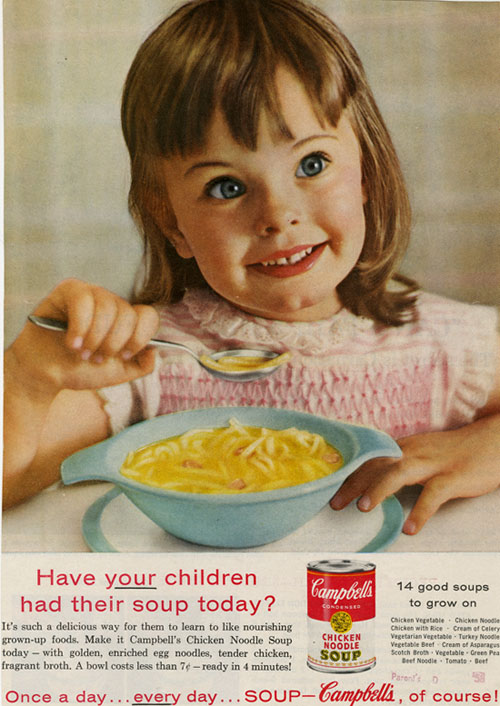
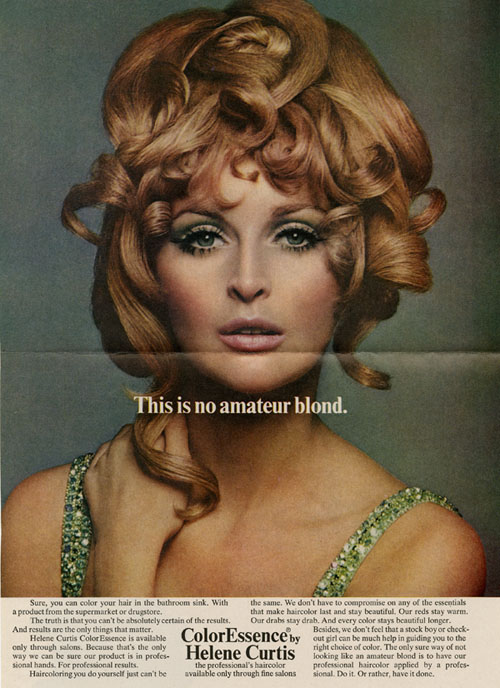
Episode twelve referred to vodka and orange juice, hunting, Nixon’s campaign, Cranprune juice, travelers checks, and Rosemary’s Baby, among other things. Here is a selection of ads and images that illustrate some of the products and cultural references mentioned in last night’s Mad Men. A gallery of our highlighted images may also be found on Pinterest and Flickr.
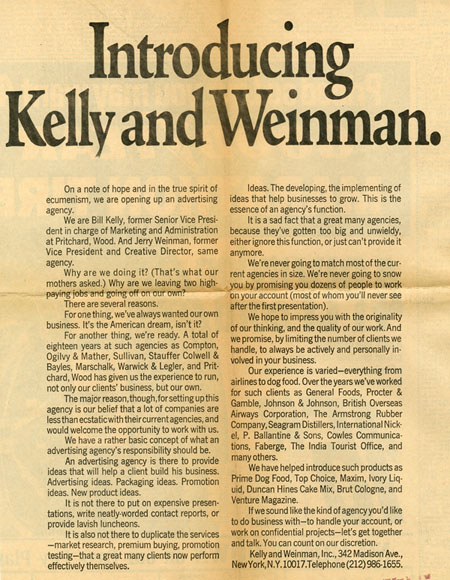
The riots and politics of the 1968 Democratic Convention in Chicago continually weave in and out of Episode 10, through media and discussions. The partners begin discussing changing the agency’s name. Don, Roger, and Harry travel to LA for client presentations, including Carnation. Harry drives Don and Roger to a party in the Hollywood Hills. Starlets and stoned hippies roam poolside. Don is invited to share a hit from a hookah. His hallucination ends with him seeing himself face down in the swimming pool. He comes to on the deck, wet and coughing, with a soaked and out-of-breath Roger telling everyone he’s fine.
At the office, Ginsberg confronts Jim, calling him a fascist. Jim tells Ted they should fire all SCDP staff, beginning with Ginsberg. Jim asks Bob Benson to take Ginsberg to the Manischewitz meeting. Joan’s blind date ends up being with Avon’s new Head of Marketing who is looking for a new agency. She praises the company and picks up the check. Wary of Pete, Joan sets up a lunch meeting with just herself, Avon, and an unknowing Peggy. Ted’s tells Jim Chevy has signed off on their work. Bob interrupts with news Manischewitz has put them in review. Jim rewards Bob for “handling this like a man” with a spot on the Chevy team. Avon sends samples to the agency. Pete blows up, reprimands Joan, and calls Ted in to deliver the final blow. Peggy listens in, and sends in the secretary with a fake note that Avon has called for Joan. Ted gives Joan the go-ahead, over-riding a seething Pete. All partners but Joan meet in Don’s office. Ted shares news of Chevy and Avon, and Cooper reveals Ted and Jim’s suggestion for an agency name: Sterling Cooper & Partners.
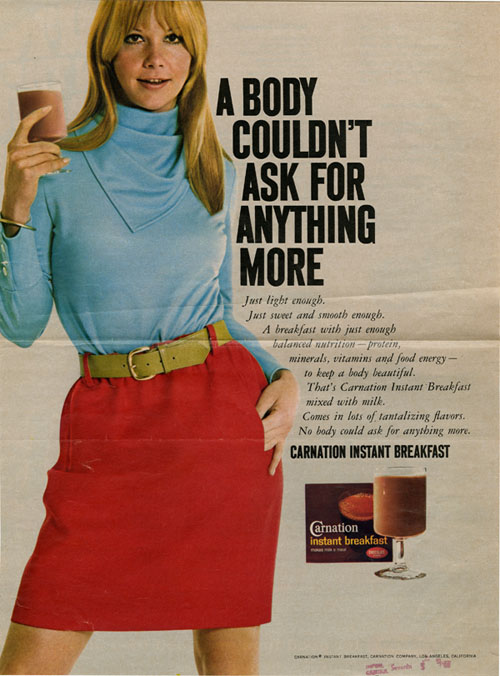
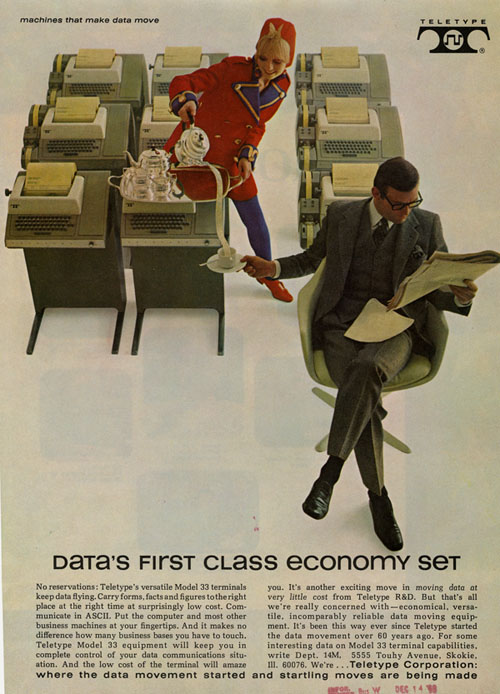
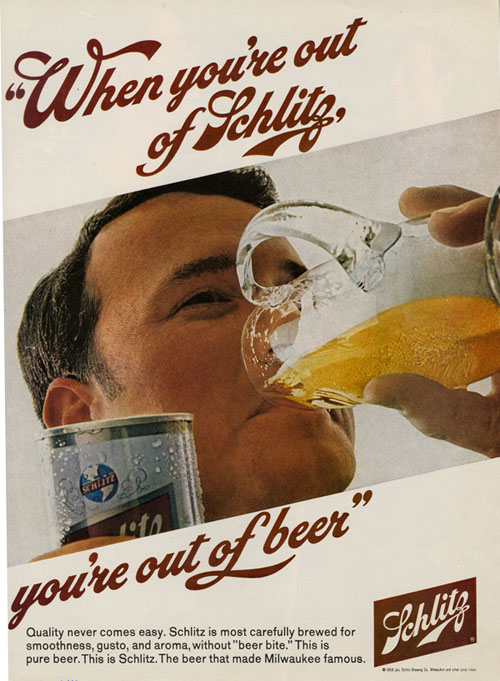
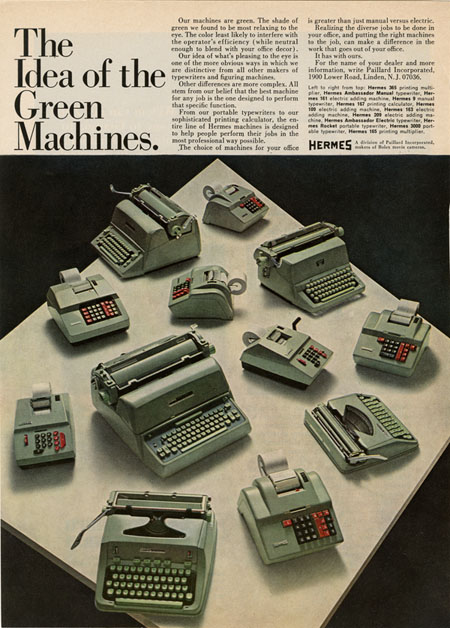
Episode 10 referred to Carnation Instant Breakfast, Life Cereal, computers in business, renaming an agency, men wearing ascots, and Schlitz beer, among others. Here is a selection of ads that illustrate some of the products and cultural references mentioned in Sunday night’s Mad Men. A gallery of our highlighted images may also be found on Pinterest and Flickr.
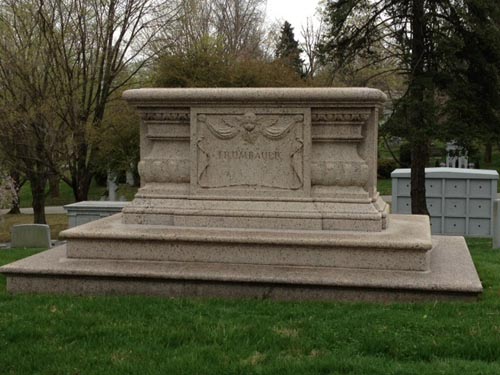
During a recent visit to Philadelphia, I paid my respects to two of my favorite people from the history of Duke University: Julian Abele and Horace Trumbauer. Trumbauer’s architecture firm was hired to design the new campuses of Duke University, which were constructed between 1925 and 1932.
Abele was the first African-American graduate of the University of Pennsylvania’s School of Architecture (1902). As Trumbauer’s chief designer, he designed Duke Chapel. In addition to Duke, Abele’s work can be seen at the Free Library of Philadelphia and the Philadelphia Museum of Art.
Trumbauer never received a formal education in architecture but designed some of the grandest residential homes of the Gilded Age, and later hotels and office buildings. One of his clients was James B. Duke, who hired Trumbauer to design his Fifth Avenue mansion in NYC (construction was completed in 1912). The success of the project likely led to Trumbauer’s firm receiving the commission to design Duke University.
Julian Abele is buried in the Lehman section of Eden Cemetery, designated the oldest African-American cemetery in the United States.
Horace Trumbauer is buried in the Franconia section of West Laurel Hill Cemetery.
The Chevy executives in Detroit aren’t happy with any ad campaigns the merged agency is submitting. Don asks them to work all weekend to come up with new ideas for Chevy. After talking with Sylvia, Don begins having flashbacks of being a teenager in the brothel with his stepmother. Jim brings in his doctor to “fix everyone up” and gives some staff an energy serum shot, guaranteed to give 1-3 days of uninterrupted creative focus and energy. The energized creatives are unable to focus, leaving Peggy and Ginsberg frustrated with their frenetic, but useless, work. Don asks Peggy to find a soup ad in the archives to inspire them for the campaign. Don’s thoughts are more focused on a pitch to win Sylvia back, rather than to persuade Chevy.
Sally babysits her brothers at Don’s apartment while he works and Megan is at a dinner. Awakened by sounds from the dining room, Sally walks out to find an African-American woman rummaging through the cupboards. She tells Sally she raised her dad, but she’s actually a thief. Finally returning home, Don finds the kids, Megan, Henry, Betty (back to a blonde), and the police in his apartment. He promptly faints. The episode ends with Don reassuring Sally the robbery was not her fault, and Don telling Ted to call him in 1970 when Chevy is ready to make an ad.
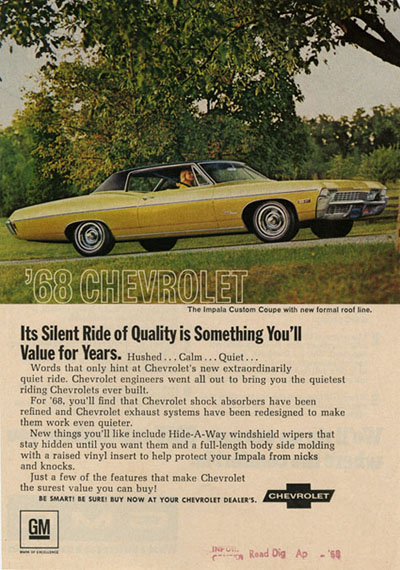
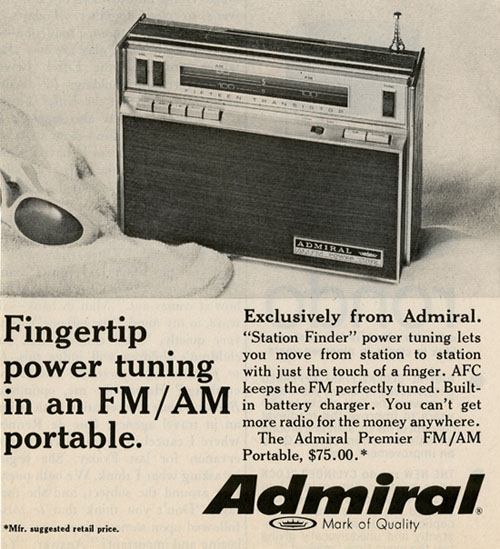
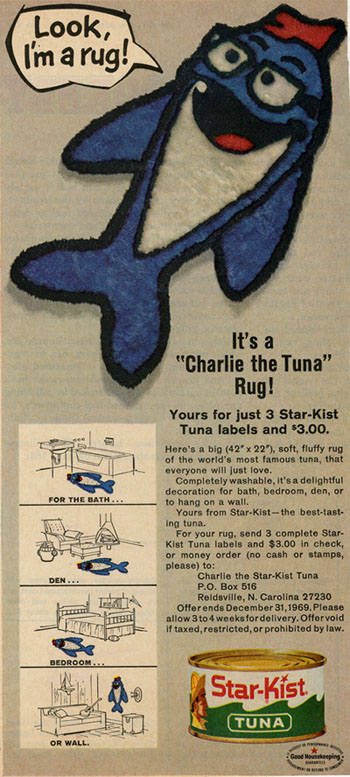
Episode eight’s plot referred to Admiral radios, Chevy Impala, tuna salad, soup, and gold watches, among other things. Enjoy our selection of ads and images that illustrate some of the products and cultural references mentioned in last night’s Mad Men. A gallery of our highlighted images may also be found on Pinterest and Flickr.
A series of big changes consumed the May 5th episode of Mad Men last night, and not everyone is pleased with the results.
Pete, Joan and Bert consult with a banker to take SCDP public. Roger’s scheming gets SCDP a chance to pitch a campaign for a new concept car by Chevrolet. Don resigns the Jaguar account during an angry exchange over dinner with Herb Rennet. Pete and Joan are angry with Don’s actions. Pete and his father-in-law awkwardly run into each other at a brothel, which results in the loss of the Vicks account for SCDP. Megan takes her mother’s advice and gets Don’s attention with a short dress. Peggy is unhappy with the apartment she bought and Abe tries to reassure her. Ted kisses Peggy when she says that she admires him because he is strong. Peggy fantasizes about Ted while she talks to Abe. Don and Ted run into each other at the hotel bar the night before the Chevy pitch and agree to join forces. After winning the account, SCDP and CGC merge. Peggy is surprised and disappointed with the merger news.
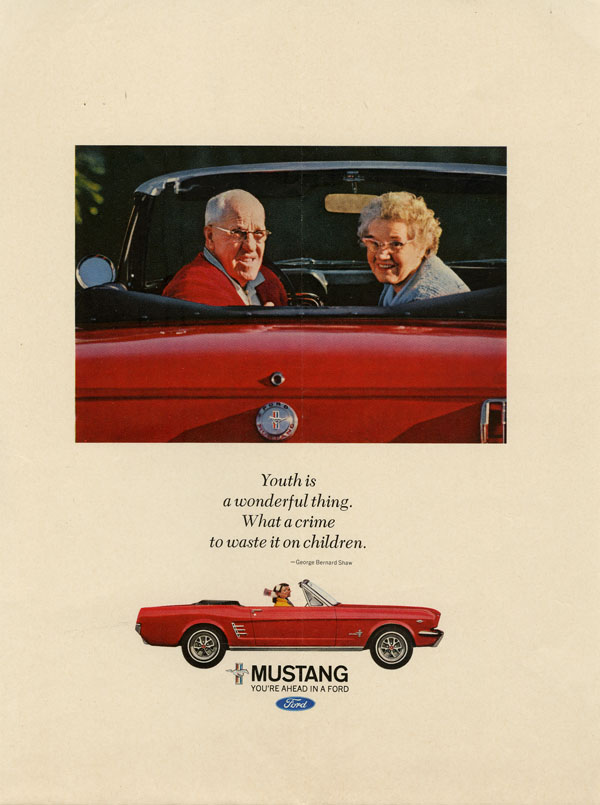
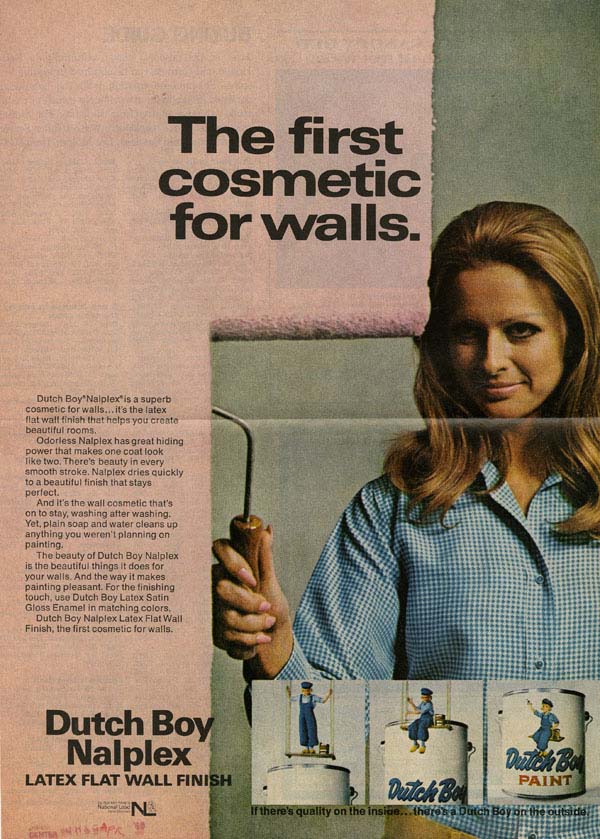
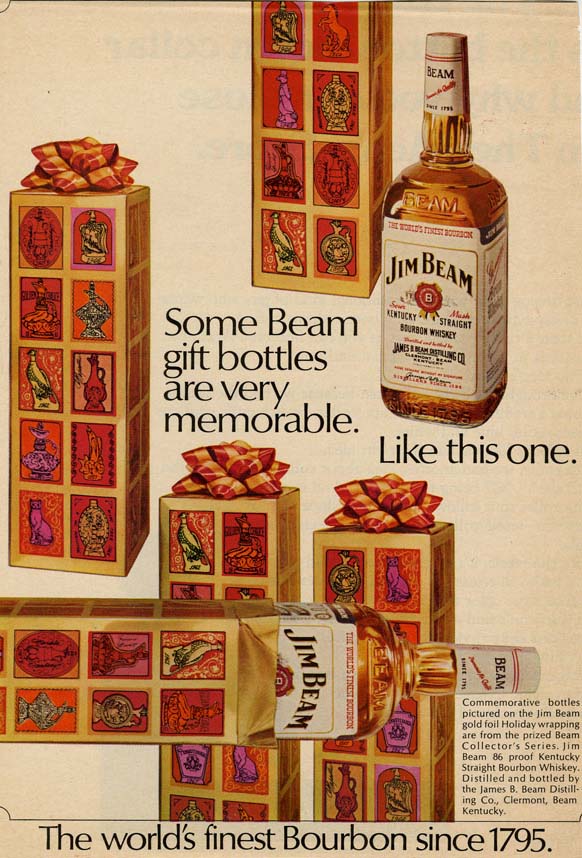
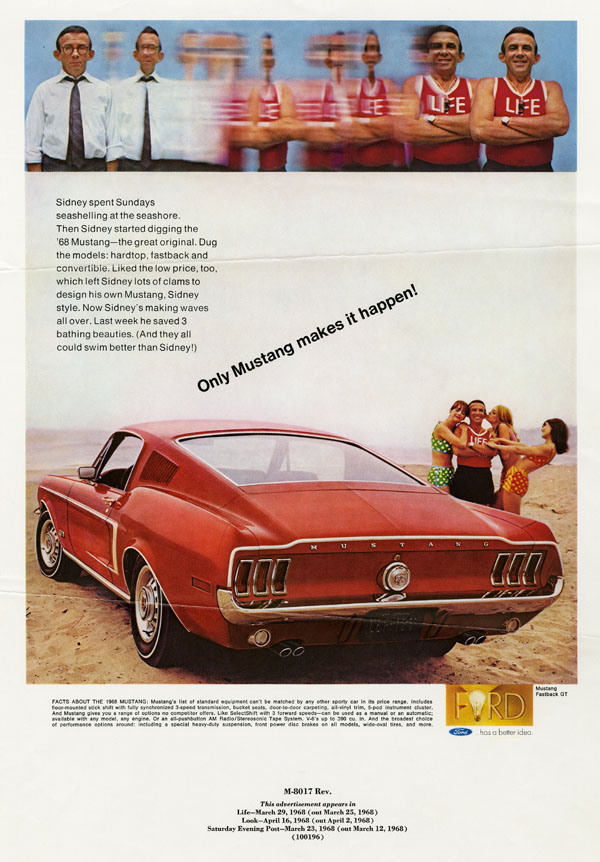
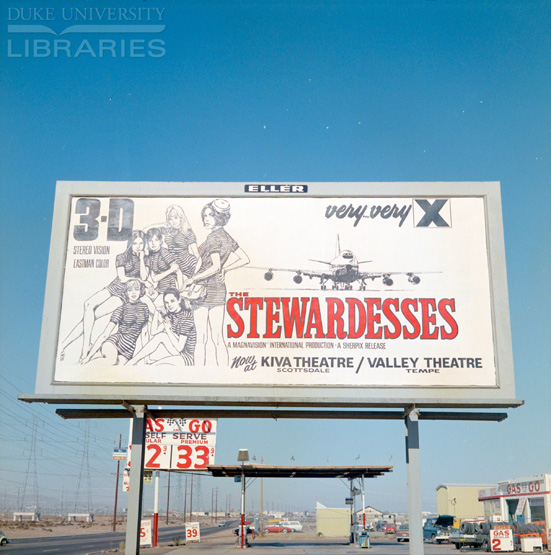
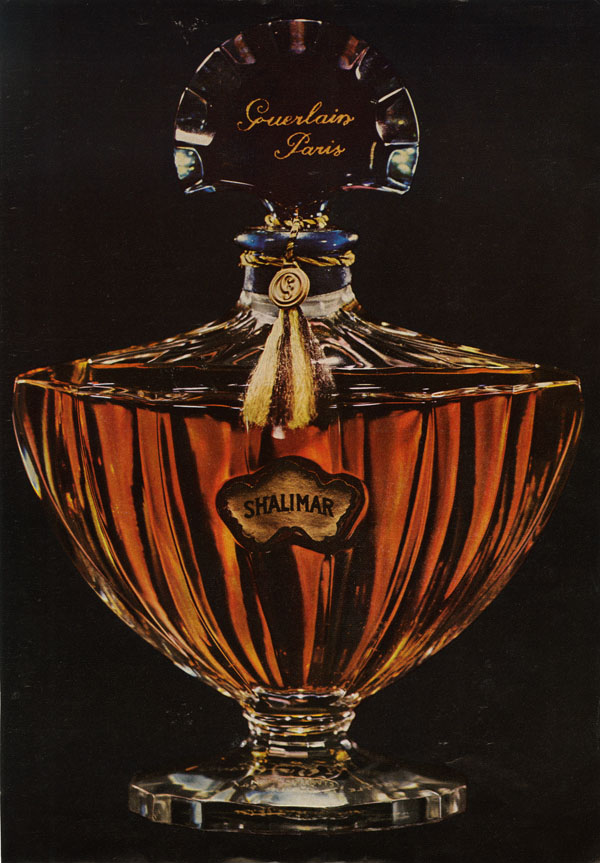
Episode six’s plot referred to flight attendants, Mustangs, Shalimar perfume, paint fumes, Vicks cough drops, Jim Beam, and pinot noir, among other things. Here is a selection of ads and images that illustrate some of the products and cultural references mentioned in last night’s Mad Men. A gallery of our highlighted images may also be found on Pinterest and Flickr.
And here’s something to listen to while you’re looking at the ads (especially the last one)!
Dispatches from the David M. Rubenstein Rare Book and Manuscript Library at Duke University