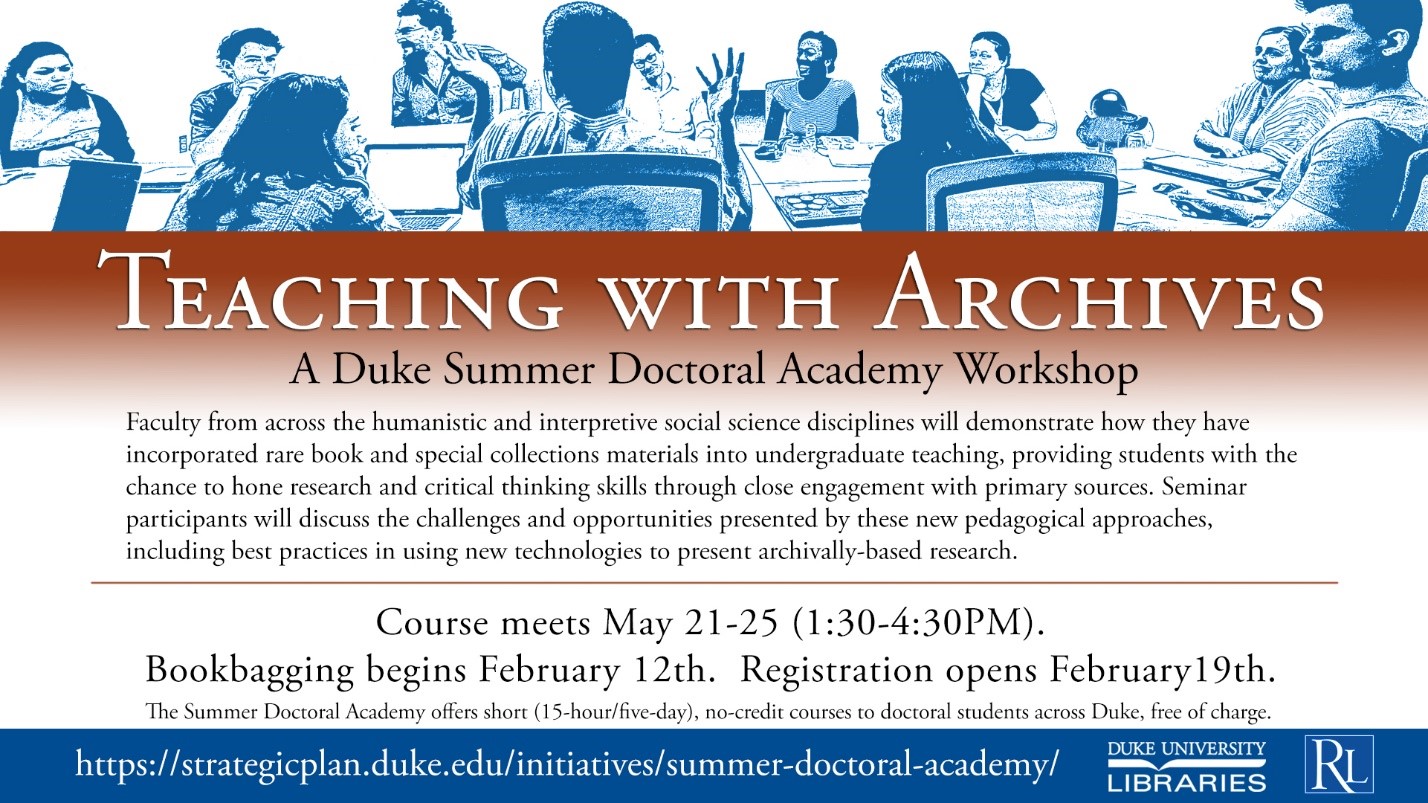
The Rubenstein Library will host a Duke Summer Doctoral Academy entitled “Teaching with Archives.” The one-week, 15-hour workshop will feature faculty from the humanities and interpretative social sciences who have incorporated rare book and special collections materials into their undergraduate courses. The will share their experiences of developing assignments and in-class exercises around these unique sources.
Participating faculty include:
Edward Balleisen (History)
Clare Woods (Classical Studies)
Laura Lieber (Religion)
Trudi Abel (Rubenstein Library, Information Science & Studies)
Victoria Szabo (Art, Art History & Visual Studies, Information Science & Studies)
The workshop will meet May 21-25 from 1:30-4:30. Registration through DukeHub is now open.
This post is contributed by Erin Rutherford, Josiah Charles Trent Intern, History of Medicine Collections.
Essays on physiognomy : designed to promote the knowledge and the love of mankind. Johann Caspar Lavater. London: Printed for Thomas Tegg, 1840, pg. 181.
“…there is no limit to the marvelous powers attributed to females” (Pliny, NH, 28.23).
When Pliny the Elder spoke of female powers in his Natural History, he attributed the most marvelous among them to menstrual blood. A menstruating woman could sour crops, tarnish mirrors, blunt razors, kill bees, drive dogs insane, and stave off hailstorms.
How unfortunate that the same womb which, in a woman’s younger years was blamed for such chaos, could be even more problematic in her later life.
Glass lantern slide for teaching obstetrics, late nineteenth to early twentieth century. Philadelphia, PA: N.H. Edgerton; Received from George D. Wilbanks, MD and Evelyn R. Wilbanks, Ph.D. History of Medicine artifacts collection, 1550-1980s.
For centuries it was believed that the menses were a means to cleanse poisons from a woman’s blood. When a woman’s menstrual period came to a permanent end, toxins could accumulate and stimulate disease (in addition to a slew of physical and mental conditions). “The Change of Life,” as the cessation was referred to, was the harbinger of both barrenness and wildness, sullenness and excitability, lethargy and hysteria, volubility and melancholy. Pathologized and medicalized, this physiological transition was viewed as anything but a natural, biological process.
The term now widely used to describe this phase – menopause – comes from the Greek words men (“month”) and pausis (“cessation”). Since French physician Charles-Pierre-Louis de Gardanne coined the term in 1821, knowledge about what menopause denotes has grown significantly.
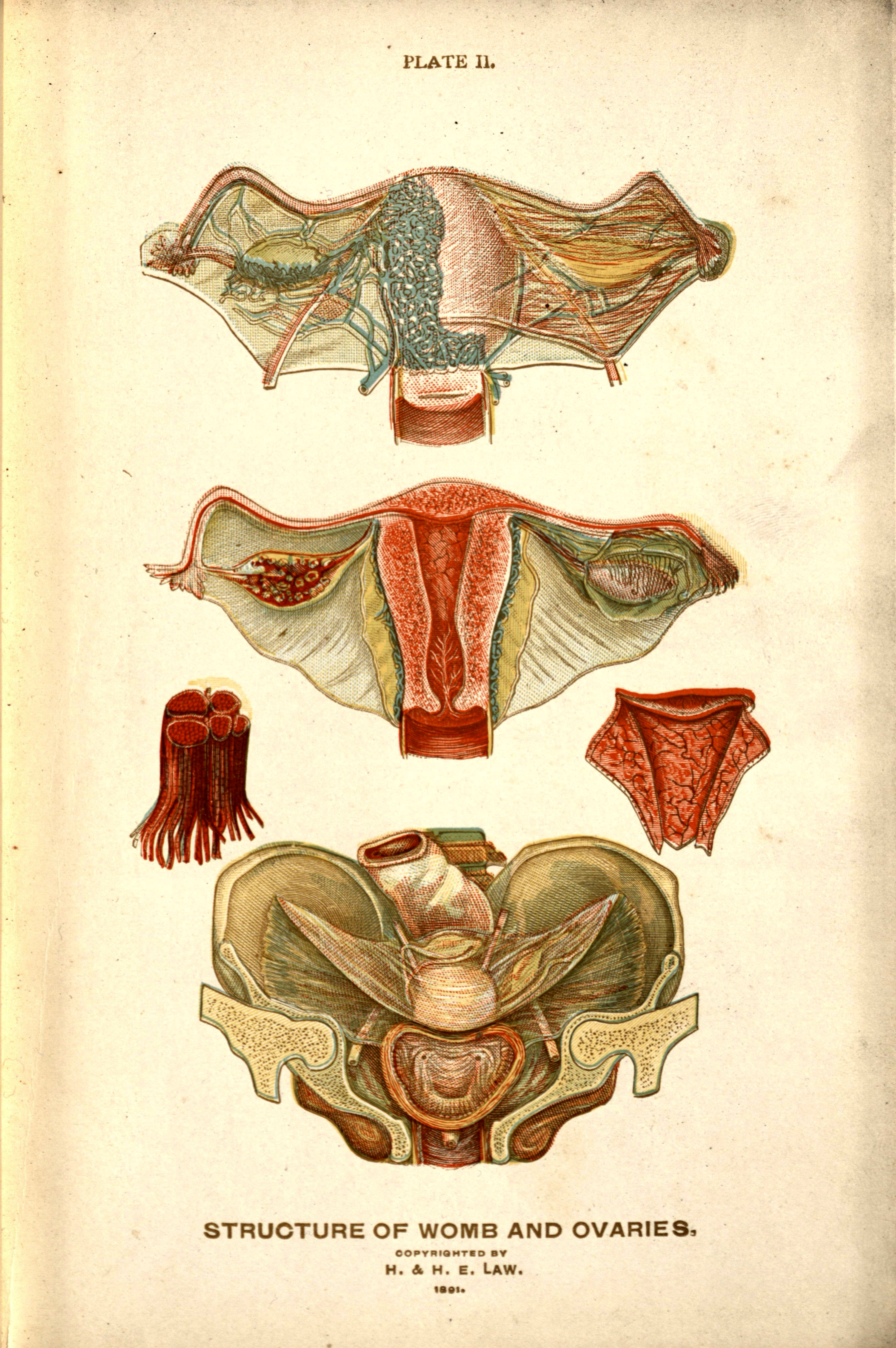
The Viavi gynecological plates : designed to educate mothers and daughters concerning diseases of the uterine organs constructed under the supervision of Hartland Law, M.D.; Herbert E. Law. San Francisco : The Viavi Press, 1891
The items in this exhibit trace changing perspectives on menopause – from early proponents who labelled it a debilitating disease to the women who have reclaimed it as an empowering transition. The exhibit aims to make visible the experience of menopause, dispel myths, and encourage public conversation about a topic that has, for too long, been considered taboo. Its curation was inspired by the words of feminist Rosetta Reitz:
“I’m going to pull menopause out into the open, remove the cobwebs, clean it off, and look at it.” [1]
Curated by Erin Rutherford, Josiah Charles Trent Intern, The Change of Life: Menopause and our Changing Perspectives, runs from March 20 – July 14, 2018, and is on display in the Josiah Charles Trent History of Medicine Room.
————————————————————————————————————————————-
[1] Menopause: A Positive Approach. Rosetta Reitz (1924-2008). New York: Penguin Books, 1979, c1977, pg. 1.
Locations: March 23 – White Lecture Hall, Duke East Campus, March 24 – LeRoy T. Walker Complex, North Carolina Central University
On Friday, March 23, and Saturday, March 24, 2018, in Durham, North Carolina, the SNCC Legacy Project, Duke’s Center for Documentary Studies, and Duke University Libraries will host closing events for the SNCC Digital Gateway, a project made possible by the generous support of The Andrew W. Mellon Foundation. This two-day symposium will reflect on the creation of the SNCC Digital Gateway, where those who made the history are central to telling the story. Activists, scholars, and archivists together reflect on how SNCC’s organizing can inform struggles for self-determination, justice, and democracy today. Highlights include: Keynotes by Ash-Lee Woodward Henderson, co-executive director, Highlander Research & Education Center and philip agnew, co-director, Dream Defenders. We hope you can join us! Follow this link to register and see the full schedule: https://snccdigital.org/conference/
Post contributed by Patrick Stawski, Archivist, Human Rights Archive
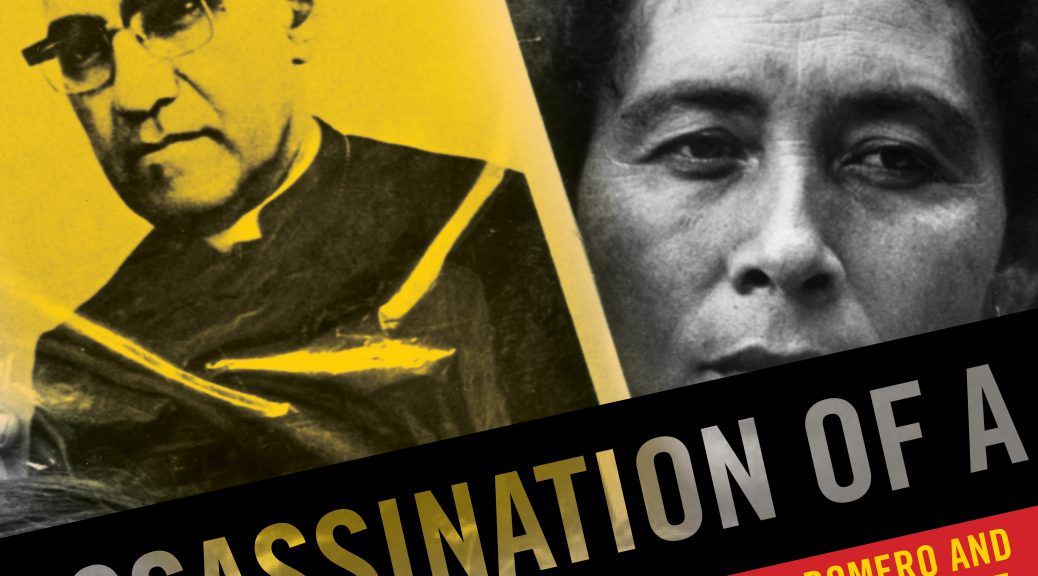
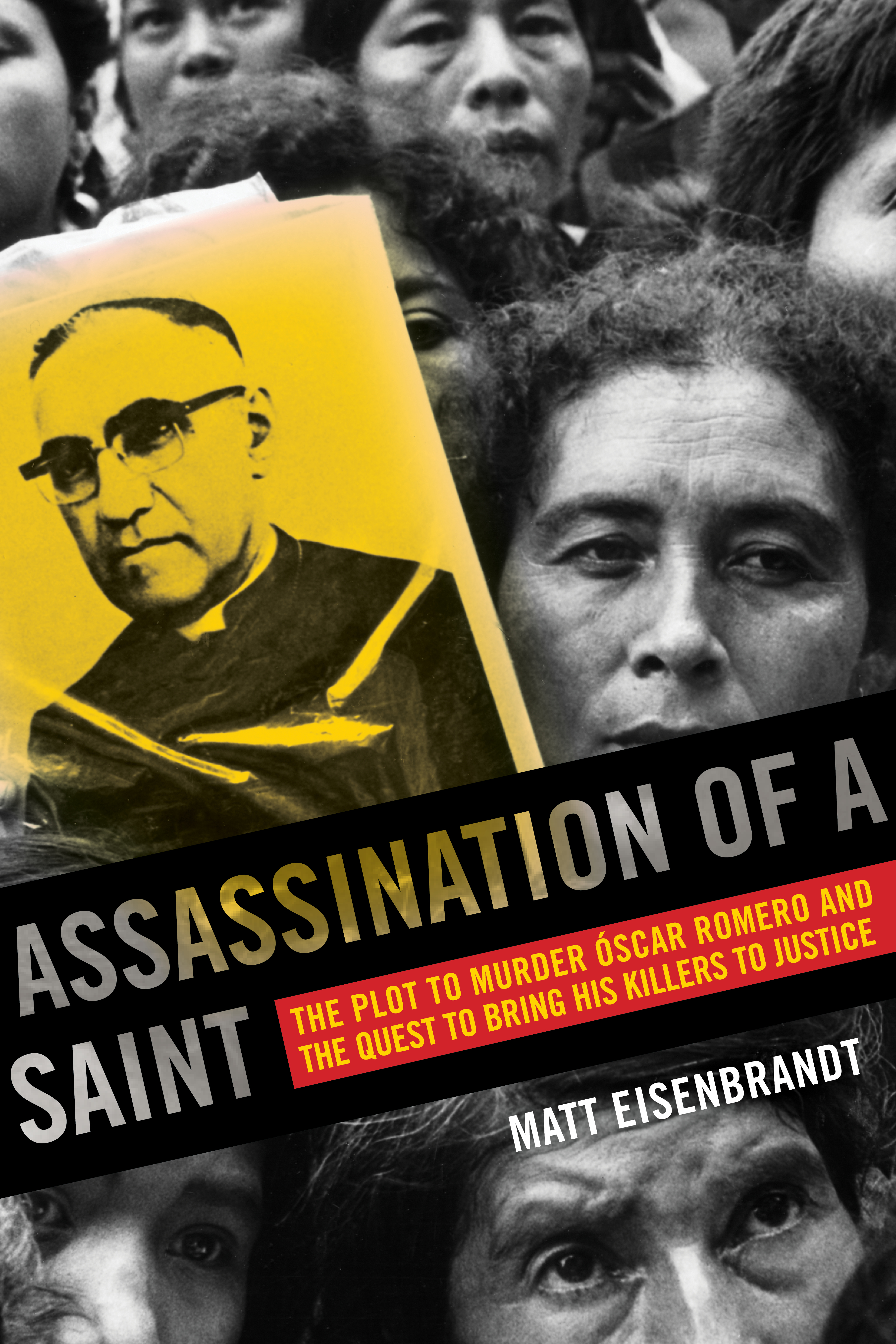
Assassination of a Saint: winner of Duke 2017 Méndez Book award
Tuesday, March 20, 2018
Noon – 1:00 pm
Rubenstein Library Holsti-Anderson Family Assembly Room 153
Assassination of a Saint by Matt Eisenbrandt
Duke University named Matt Eisenbrandt’s Assassination of a Saint: The plot to murder Óscar Romero and the quest to bring his killers to justice (University of California Press, 2017) the winner of the 2017 Méndez Book Award. Eisenbrandt will be visiting Duke on March 20, 2018 to receive the award and discuss his book. The event is free and open to the public, light lunch served. Following the event, The Gothic Bookstore will be selling copies of the book and Eisenbrant will be on hand for a signing.
Assassination of a Saint traces the thrilling story of how an international team of lawyers, private investigators, and human-rights experts fought to bring justice for the slain archbishop. Eisenbrandt, a lawyer who was part of the investigative team, recounts how he and his colleagues interviewed eyewitnesses and former members of death squads while searching for evidence on those who financed them, with profound implications for El Salvador and the United States.
This award honors the leadership of Juan E. Méndez, a human rights champion who has devoted his life to the defense of human rights. First awarded in 2008, this award selects among the best current non-fiction books published in English on human rights, democracy, and social justice in contemporary Latin America. Méndez’ papers are housed at Duke’s Human Rights Archive.
Co-sponsored by the Rubenstein Library’s Human Rights Archive, the Center for Latin American and Caribbean Studies (CLACS), the Duke Human Rights Center at the Franklin Humanities Institute (DHRC@FHI), and the Forum for Scholars and Publics.
This workshop has been cancelled. We plan on offering it again in the future.
Date: Monday, March 26, 2018 Time: 10am-12pm Location: Rubenstein Library 349 Register Here
Archives are loaded with legal questions. For almost any item created in the last 150 years, copyright, privacy and other laws play a major role in how you can reuse those materials in research. This session will cover how to understand what material is legally restricted, how to make uses by obtaining permission or exercising fair use, and how to navigate the ethics of researching when the law is unclear.
This session will be led by Dave Hansen, Duke’s Director of Copyright and Scholarly Communication. Dave is a lawyer and librarian who works with Duke faculty and students to help them understand the scholarly publishing system and find ways to help them disseminate their research broadly.
This workshop will count towards Duke Graduate Students’ RCR training hours. Advanced registration is required, sign up now.
Please note: this event has been cancelled due to illness. We hope to reschedule at a later date and will post updated event information on The Devil’s Tale.
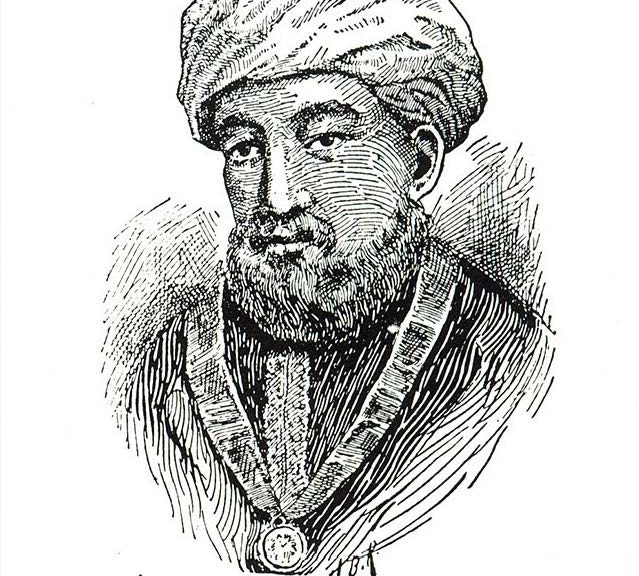
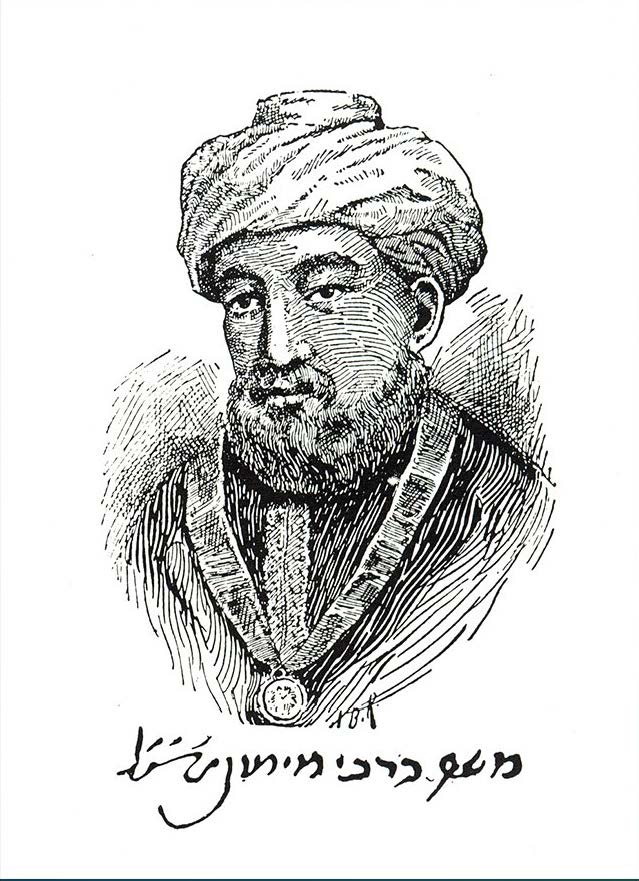
Illustration of Moses Maimonides. From Medicine: An Illustrated History (New York: Abradale Press/Abrams, 1987).
Please join the History of Medicine Collections for our next Trent History of Medicine Lecture Series event. Gerrit Bos, Ph.D., will present
“Moses Maimonides, medical doctor and author: Aspects of his work, medical training, theory, and practice.”
Rabbi Moses ben Maimon, most commonly known as Maimonides, was a 12th century philosopher and physician. Maimonides authored numerous philosophical and medical treatises. In his talk, Professor Bos will cover a short survey of Maimonides’ medical works, his training as a doctor, and some central aspects of his medical theory and practice such as proper regimen, including the sex res non-naturales (six things non-natural), the role of one’s nature, and his wariness to apply bloodletting.
Dr. Bos is Professor Emeritus and former Chair of the Martin Buber Institute for Jewish Studies at the University of Cologne. His main fields of research are medieval Jewish-Islamic science, especially medicine, medieval Hebrew, and Judeo-Arabic studies.
Post contributed by Rachel Ingold, Curator, History of Medicine Collections
Currently on display in the Josiah C. Trent History of Medicine Room are six engravings from Clemens Kohl, a prolific illustrator and engraver from the eighteenth century. The engravings on display can be found in the work Die Welt in Bildern: vorzüglich zum Vergnügen und Unterricht der Jugend (The World in Pictures: Especially for the Pleasure and Instruction of the Youth) by Joseph Edlem von Baumeister. Published in Vienna in the late eighteenth century, the six-volume set was intended to give a younger audience a sense of the world through realistic images, which were designed by Johann Sollerer and engraved by Kohl.
While the Rubenstein Library does not retain the multivolume work of von Baumeister, we do have six engravings from Die Welt in Bildern that are medically themed and housed as part of the History of Medicine Picture File. The engravings depict different scenarios: Medicine/Physician, Afflictions/Disabilities, Diseases, the Pharmacy, the Hospital, and Death. Perhaps framed at one point, these hand-colored copperplate engravings would have made a stunning conversation piece.
And while you’re visiting the Trent History of Medicine Room, take some time to check out a new rotation of medical instruments and artifacts. From cupping glasses to glass slides with specimens as well as an apothecary boiler and pill roller, hopefully you’ll find an item, or two, to pique your interest.
Post contributed by Valerie Gillispie, University Archivist
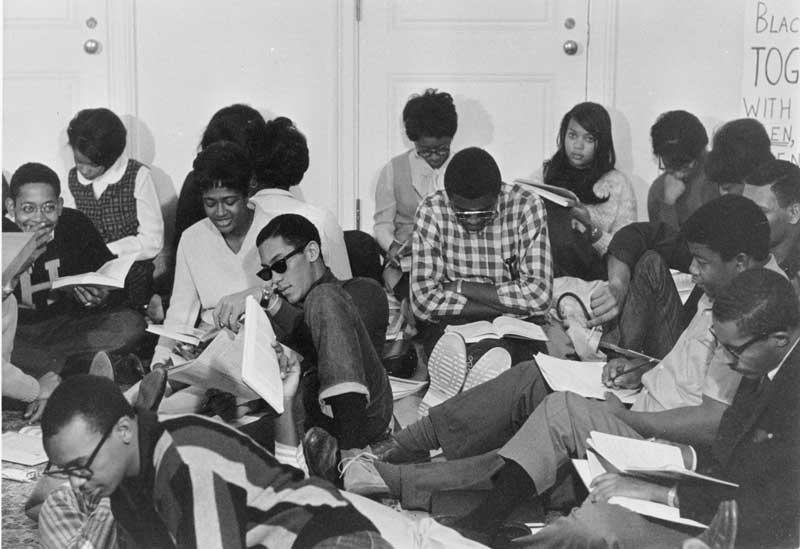
Most Dukies know about the Allen Building Takeover of February 13, 1969. It proved to be a watershed moment for Duke, and led to real change in the curriculum and in social and academic support for students of color. What many don’t know, however, is that there was a protest in the Allen Building just 15 months earlier, the Allen Building Study-In. Although less dramatic than the Allen Building Takeover, it was also organized by African-American students, and it also had real impact on Duke.
The Allen Building Study-In took place on November 13, 1967. The purpose was to protest the use of segregated facilities by Duke student organizations. One year earlier, the local chapter of the Duke Alumni Association had held a banquet honoring the football team at the all-white Hope Valley Country Club—thereby excluding the black players. Two hundred picketers protested the event. The Duke administration took no immediate action, and no prohibition was in place around the use of such facilities.
In September 1967, President Douglas Knight agreed to a policy that banned the use of such facilities by faculty and administrative groups, but did not require student groups to comply. In early November of that same year, the Associated Students of Duke University (ASDU, precursor to today’s DSG) conducted a student-wide referendum on a proposed ban on such facilities, but this motion was defeated. Frustrated with the lack of action by the student body and the administration, the students issued a statement and demands on November 10. They demanded that action be taken on the policy immediately.
With no immediate response from the administration, three days later a group of around 30 students entered the president’s office, staying for seven hours and blocking the entrance to Knight’s office. Reporters from radio stations and newspapers were also present to cover the event. Shortly after the conclusion of the protest, two major university committees recommended the passage of a complete ban on the use of segregated facilities. On November 17, just four days after the Study-In, Knight issued a statement in which he extended the existing policy to cover all student groups, in addition to faculty and staff groups.
Monday, November 13, 2017, will mark the fiftieth anniversary of this peaceful but powerful action by a small group of students. A small exhibit commemorating the Study-In is currently installed near the service desk of Perkins Library.
Students participate in the Allen Building Study-In, November 13, 1967
Join renowned photojournalist Darrin Zammit Lupi at a panel discussion and a film screening as he and Duke colleagues unpack the sea migration phenomenon as it affects North Africa and Europe.
Armed Forces of Malta marines toss bottles of water to a group of around 180 illegal immigrants as a rescue operation gets underway after their vessel ran into engine trouble, some 30km (19 miles) southwest of Malta September 25, 2005. The number of illegal immigrants reaching Maltese shores has reaches crisis proportions and the Maltese government has launched intensive diplomatic efforts to get aid from other European Union countries to deal with the worsening problem, according to military and government officials. Pictures of the Year 2005 REUTERS/Darrin Zammit Lupi also see GF2DVIBGABAA – RTRPCIF
“Currents of Change: Migration, Transit and outcomes in the Mediterranean” will serve as a dialogue and critical examination of recent immigration in the Mediterranean and its impact on individual, local, and global migration politics, policy and culture. Darrin Zammit Lupi, along with Niels Frenzen, faculty at USC Gould School of Law and advocate for migrants in the Caribbean and Mediterranean, and Holly Ackerman, Duke Librarian and scholar on sea migration, will discuss these topics.
Post contributed by Sierra Moore, Library Assistant for Research Services
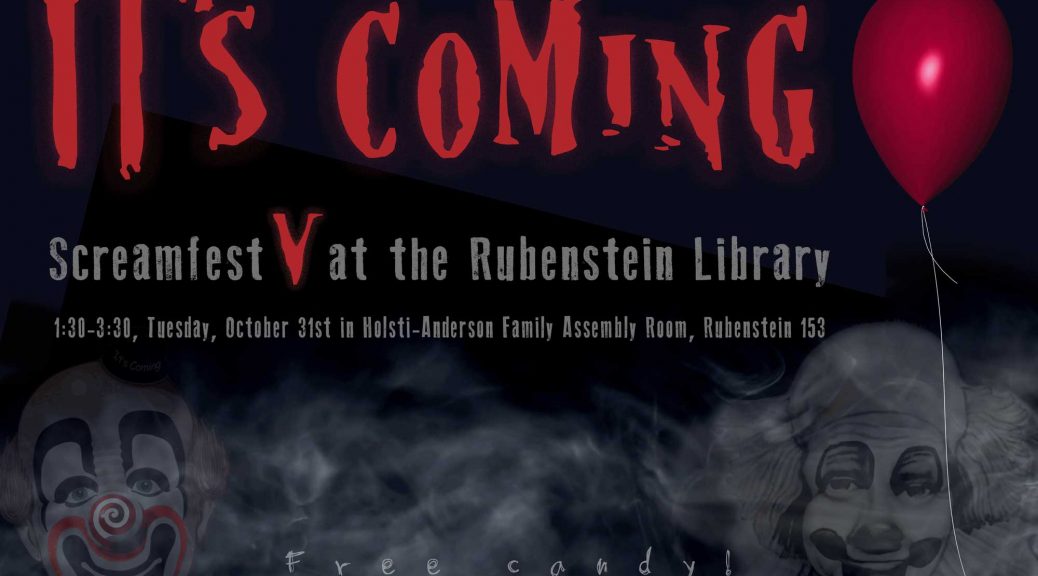
Date: Tuesday, October 31, 2017 Time: 1:30-3:30 PM Location: Holsti-Anderson Family Assembly Room Contact: Rubenstein Library front desk, 919-660-5822
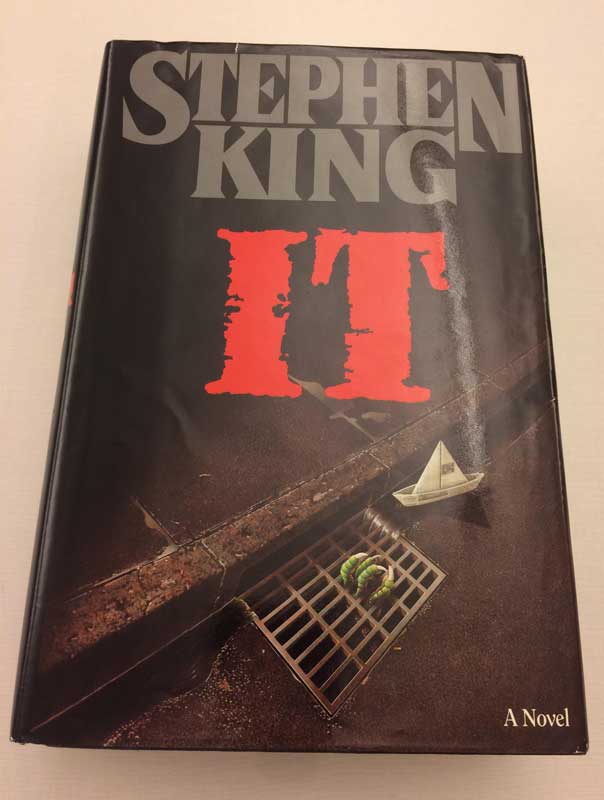
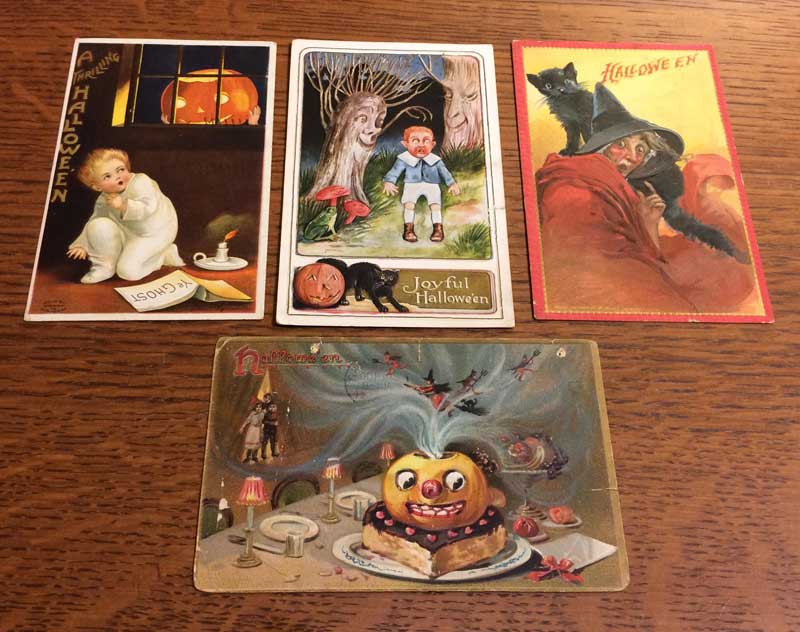
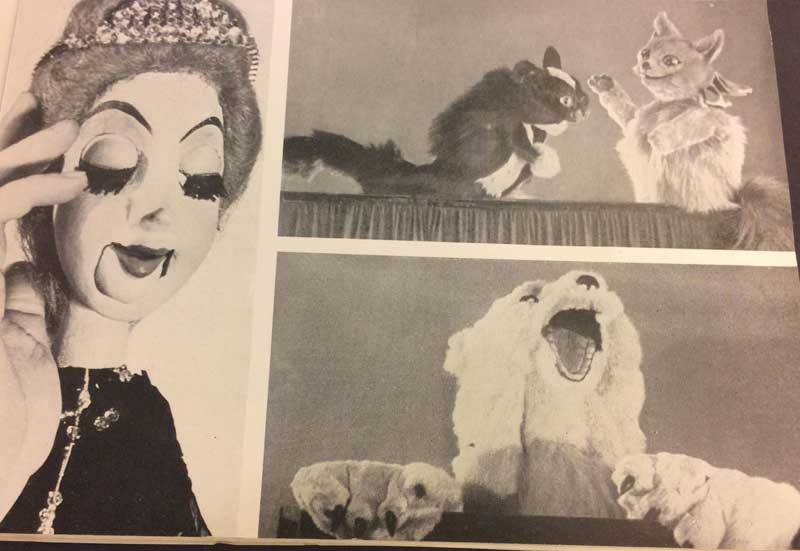
As all Hallows’ Eve draws near there are a multitude of reasons why you might traipse through all places dark, gloomy, and strange. Here at the Rubenstein Library your travels will be far less perilous. Nonetheless, we have compiled samples from collections containing chilling texts and photographs certain to both entertain, enchant, and imbibe the type of intrigue you seek. Here is a brief preview of what we have in store:
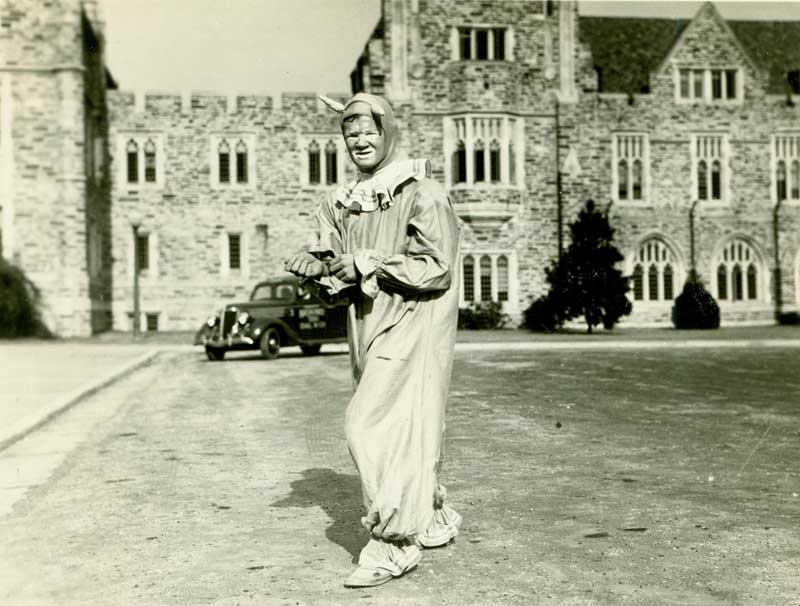
An early version of our very own Blue Devil mascot lingers before the Chapel.