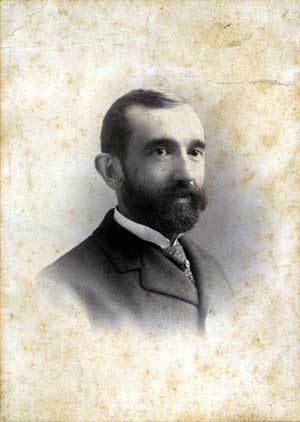
Our colleague Mary Mellon is currently reprocessing the Benjamin Duke Papers to provide more refined description. Among the many fascinating pieces of correspondence within the collection, she has found a letter, dated November 16, 1896, from Trustee A. P. Tyer to Ben Duke. In it, he makes a not-so-modest proposal: that Duke give a $500,000 endowment and that the school be renamed Duke College.
“The only hope that Trinity College has of ever being endowed is found in the Dukes. I therefore ask that you give the College five hundred thousand dollars as endowment and allow the Trustees to name it “Duke College.”
In 1896, the school was just four years old in its new Durham location. There was great concern about longterm viability, despite the generosity of the Duke family up to that point, including providing the funds to bring the school to Durham. $500,000 in 1896 would have been around $13 million in today’s money.
To sweeten the deal, Mr. Tyer added,
“This will forever take away the feeling of uncertainty, make the college an assured success forever, put the Dukes in front of all southern benefactors, largely increase the number of students, bring even a better class of patronage to the college, make it possible for others to give to it, be the greatest monument any southern man will ever build, be a perpetual benefit and blessing to the human family, and constantly glorify God your Father.”
Ben Duke remained a steady and heavily involved benefactor, but never made a gift at the level requested in the letter. The month after this letter was received, Washington Duke, Ben’s father, gave a $100,000 endowment, contingent on women being admitted on equal footing with men. In 1924, Ben’s brother, James B. Duke, established the Duke Endowment, which helped fund a massive expansion of the college, and led to the renaming of the school—not to Duke College, but to Duke University.
Click to enlarge.Click to enlarge.Click to enlarge.
Post contributed by Valerie Gillispie, University Archivist, with assistance from Mary Mellon, Technical Services Intern.
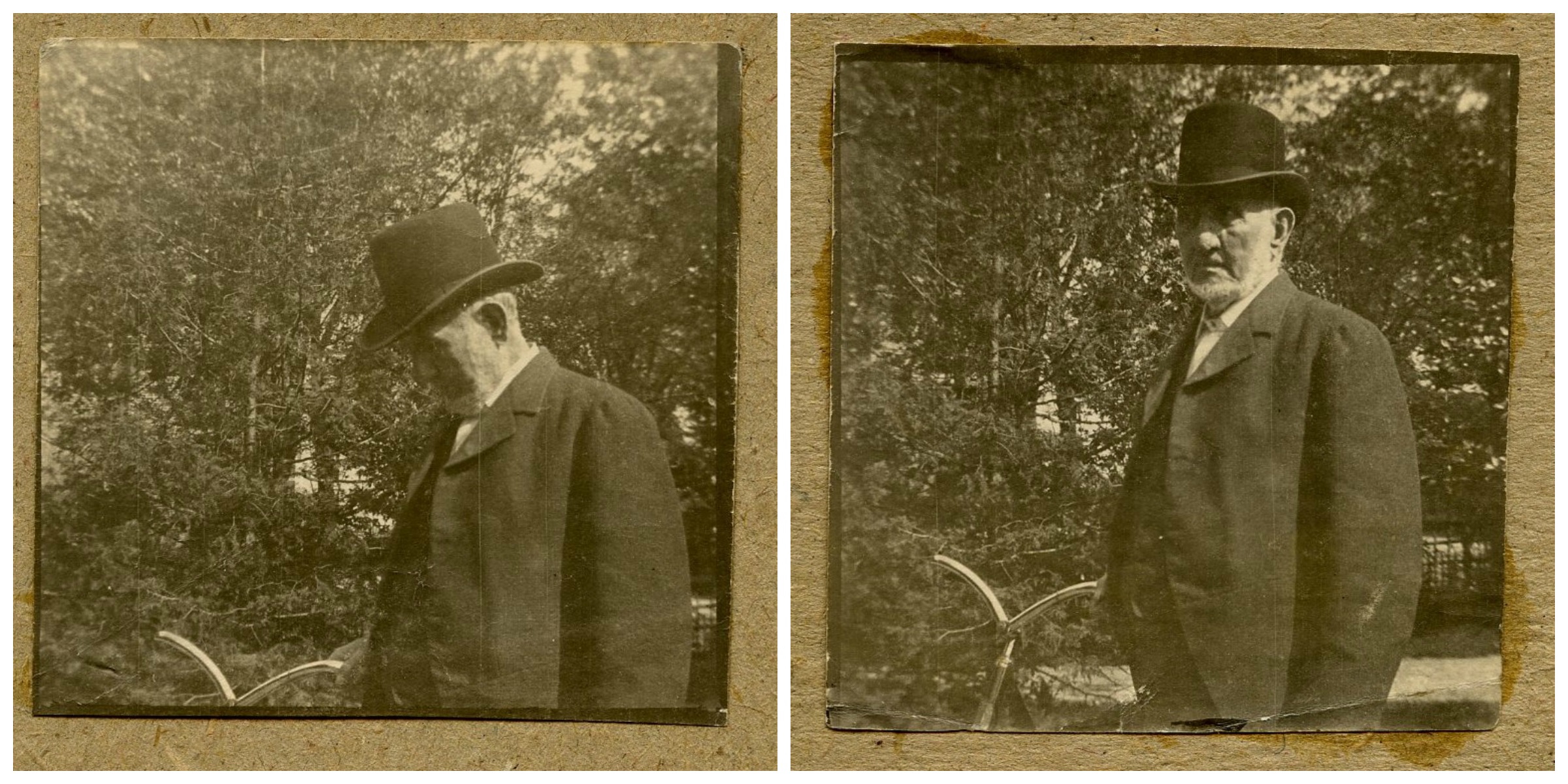
I have been giving the collections of James B. Duke and Benjamin N. Duke, industrialists and benefactors of Duke University, a little TLC this summer. One of my most enjoyable finds so far has been a set of two candid photographs of Washington Duke that turned up in the the James B. Duke papers. Mr. Duke appears to be contemplating a bicycle, the handlebars of which are just visible at the bottom of the photos. The bicycle is likely the one that his son, Benjamin, purchased for $45.25, according to an 1894 letter from the Benjamin N. Duke papers. It would be interesting to know what was going through Washington’s head at the time when the pictures were taken. Possibly, “You really expect me to ride this thing?”
Washington Duke contemplating the new bicycle.
Like many members of the Duke community, I am accustomed to seeing Washington Duke in his dignified, solemn armchair pose (e.g. the statue at the entrance to East Campus). But, it’s nice to know that “Wash” got to have a bit of fun every once in a while.
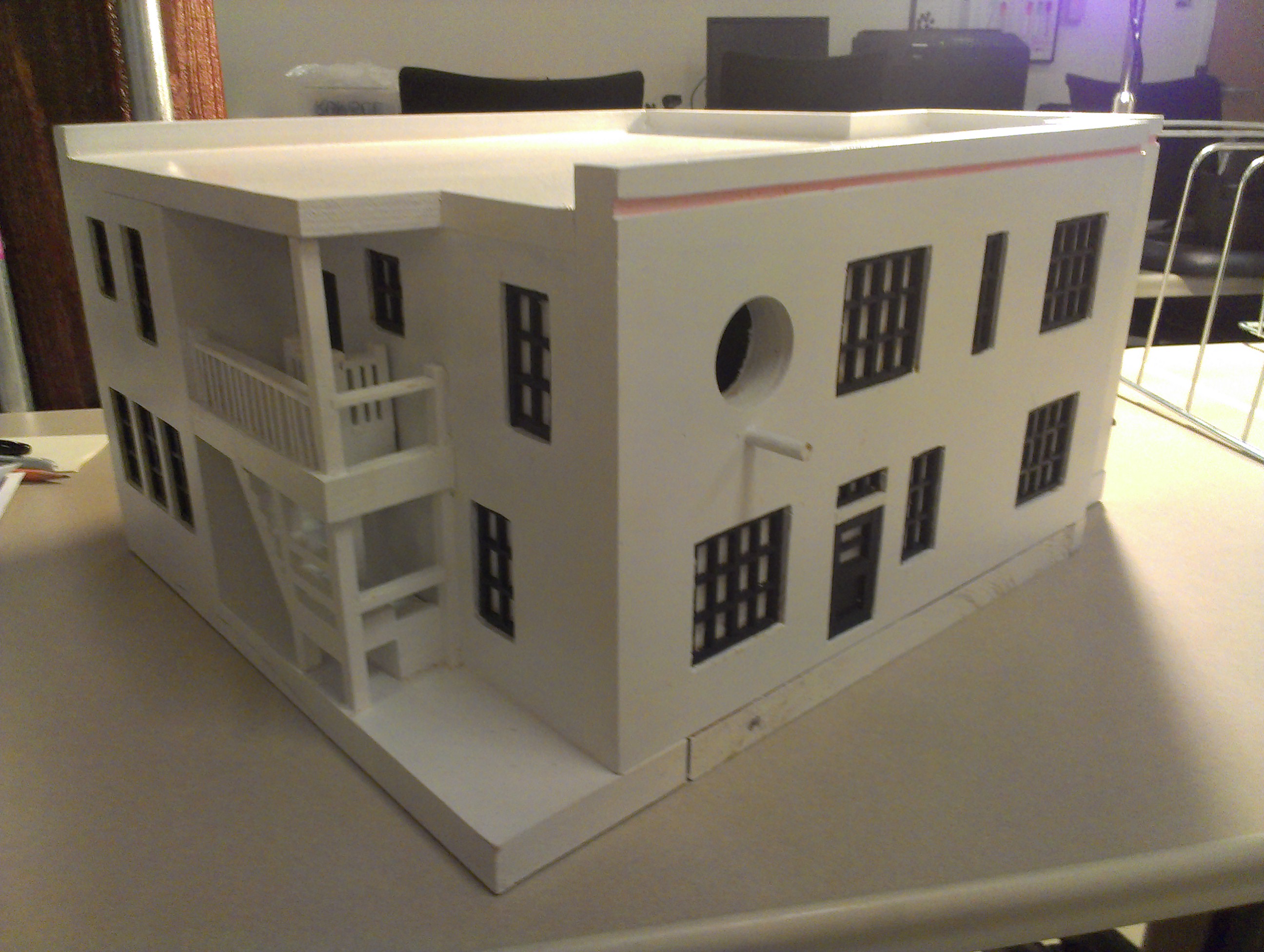
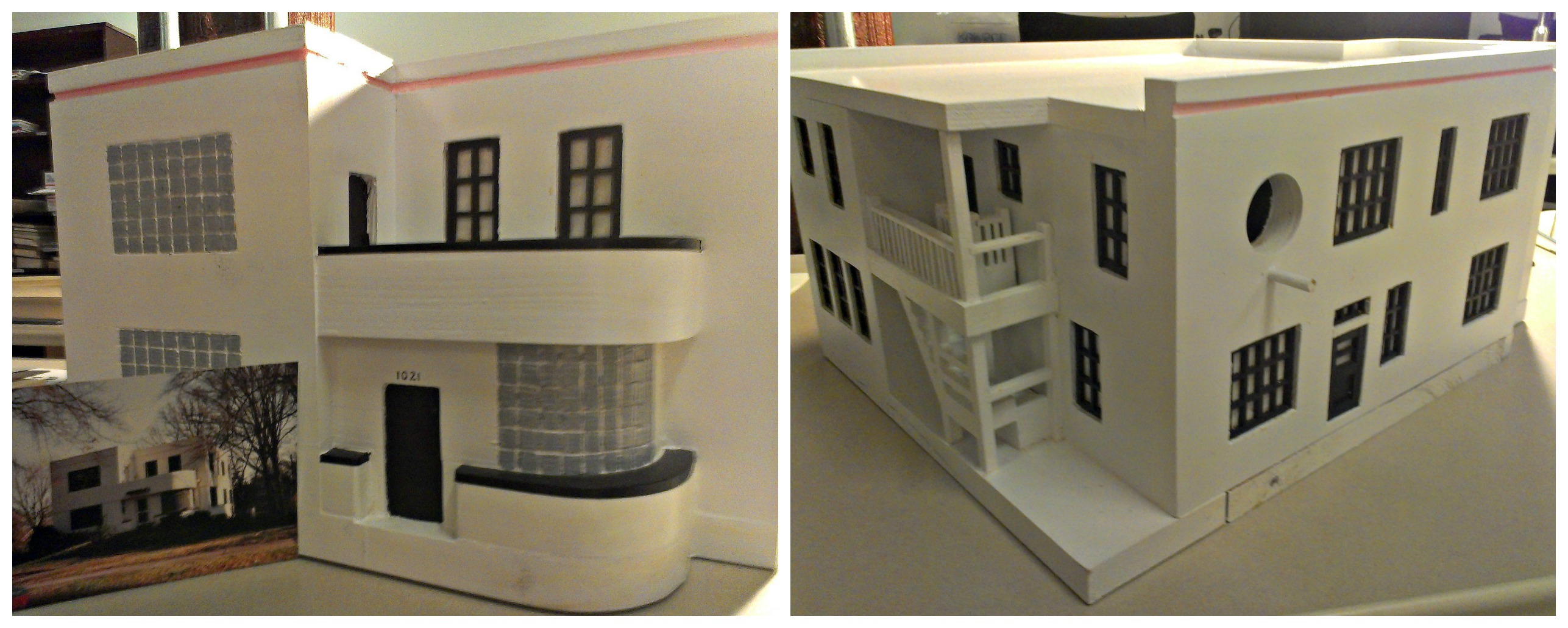
Every visitor to Technical Services likes to peek down the accessioning shelves and see what new collection materials have recently arrived. One of the most unusual accessions we’ve ever received is a birdhouse, which arrived this spring as part of an addition to the Evans Family Papers. It is a nearly identical miniature of the family’s Durham house, which is still standing (and occupied) on Dacian Avenue. According to the family, the original house was modeled on the style of Le Corbusier. It was built in 1938, making it one of the first examples of “modern architecture” in Durham.
The Evans Family Birdhouse, with a photograph of the original house for comparison.
The family moved away from Durham in 1950, and kept the birdhouse as a fond token of their former home. We were relieved to learn upon intake that no birds ever took up residence. (That would have made for some interesting conservation concerns!)
Post contributed by Meghan Lyon, Technical Services Archivist.
I was looking through the May 1944 issue of Duke’s Divinity School Bulletin when I came across a brief article about a Bo tree (Ficus religiosa) presented to the Divinity School in honor of then-Ivey Professor of the History of Religion and Missions James Cannon III. (He’d later serve as the Divinity School’s dean from 1951 to 1958.)
You’ve possibly heard the tradition that Gautama Buddha was sitting beneath a tree when he attained Enlightenment. That tree was a Bo, or Bodhi, tree, and it is, as a result, sacred to Buddhists.
Professor Cannon’s Bo tree had its own august history, as the article relates:
The Cannon Bo-tree is descended from the Bo-tree planted at the ruined city of Anuradhapura, near Kandy, in Ceylon. In the year 288 B.C., King Asoka of India sent a shoot from the parent tree to Ceylon. To this day the tree is worshiped by throngs of pilgrims. In 1929 an American tourist obtained a shoot from the Ceylon Bo-tree, planted it on his Florida estate, and several months ago presented a shoot to Duke.
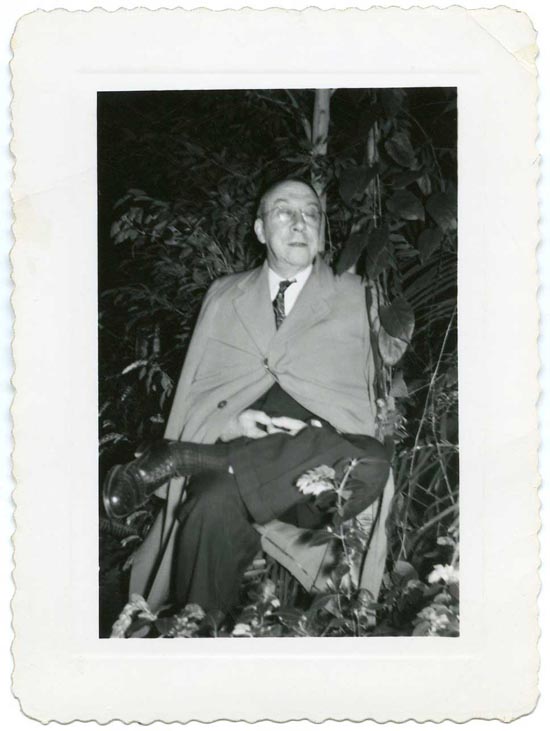
We found snapshots of Professor Cannon with his Bo tree in his papers. He looks very serene, doesn’t he? A note from the back of one of the snapshot states that his “topcoat is supposed to represent Buddha’s ‘yellow robe.'”
Professor James Cannon beneath the Bo tree, March 6, 1951.
We’re not certain of the current whereabouts of Duke’s Bo tree. Do you have any information about it?
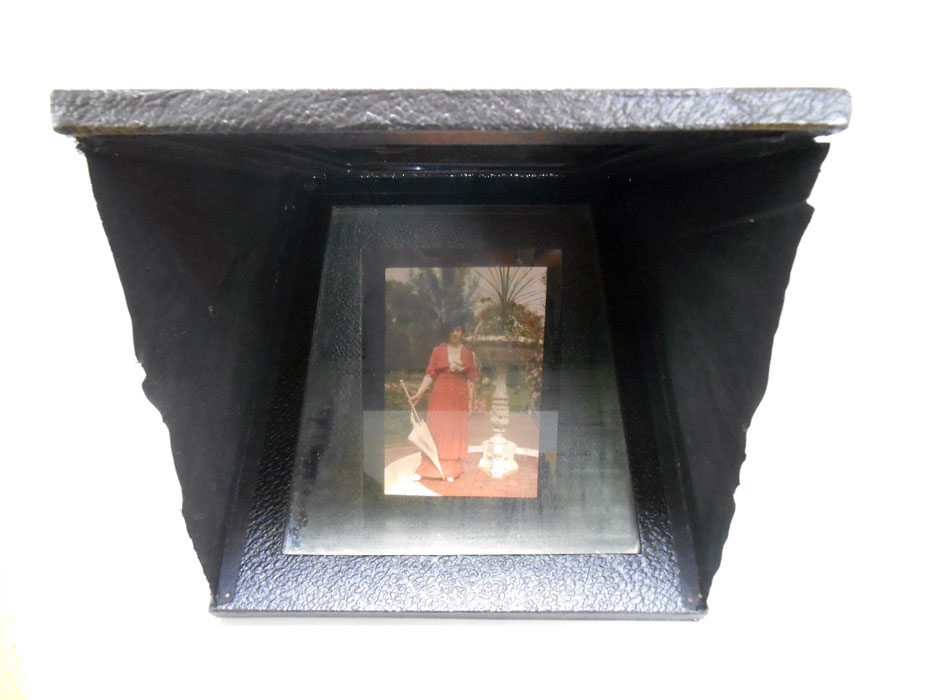
Duke Libraries is digitizing our collection of four autochrome lumières from the Semans family papers and they recently came to conservation for pre-imaging review. Autochromes are an early color photographic process. Our autochromes depict Mary Duke Biddle and Sarah P. Duke and date to about 1910. The color in autochromes lumières is uniquely produced with a color filter layer comprised of fine potato starch grains that are dyed different hues (commonly green, orange-red, and blue-violet) and adhered to a glass plate with lamp black applied to fill the interstices. The undeveloped color filter layer, if viewed under magnification, resembles color pixels and is reminiscent of a pointillist painting.
Autochrome of Sarah P. Duke in a diascope
The autochromes are viewed with transmitted light and are often housed in a hinged viewer called a diascope. The photographic plate, along with a ground glass diffuser, is attached to one cover of the diascope and a mirror in the other. Light passes through the diffuser and autochrome and the viewer sees the reflected image of the photograph in the mirror. The dyes used to produce autochromes are extremely light sensitive and we are taking great care not to expose our materials to excessive light during the digitization process.
Post contributed by Erin Hammeke, Senior Conservator for Special Collections, as part of our ongoing “In the Conservation Lab” series.
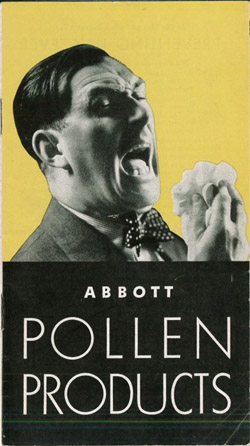
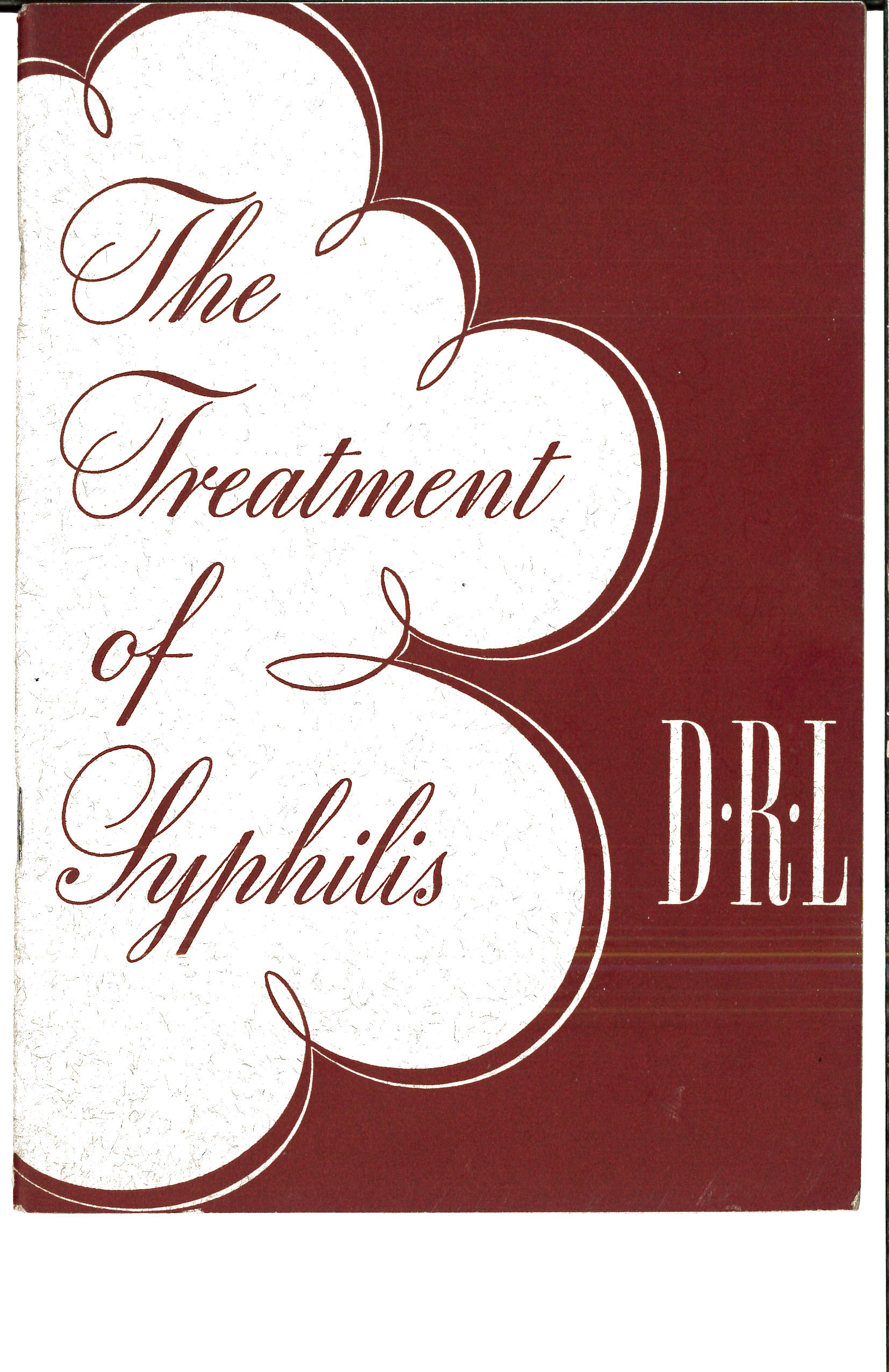
Anyone who’s ever been to a doctor’s office or clinic has encountered a vast array of items: calendars, pens, coffee mugs, Post-Its, paperweights, tent signs and other items promoting some brand of medicine. This kind of material is routinely distributed along with free samples by traveling route salespersons and representatives for pharmaceutical companies, medical equipment manufacturers and laboratory service providers; doctors and health professionals also encounter a regular stream of this kind of stuff at conferences, meetings and trade shows—as do professionals in a number of other occupations. Swag constitutes an important form of direct marketing but its ubiquity means that it is frequently taken for granted, willfully ignored and drifts into a kind of background invisibility.
One of the most eclectic collections to come to the John W. Hartman Center for Sales, Advertising & Marketing History was donated by the family of Albert Cornell, MD, former head of the gastrointestinal clinic at Mt. Sinai Hospital. Nearly 90 years of medical promotional materials are included beginning in the early 20th century, everything from note pads to mugs, beakers, pamphlets, even three-dimensional models of the colon, and personal items including keychains, golf balls, nail files, pins, and a tie clasp featuring the gastrointestinal tract in miniature.
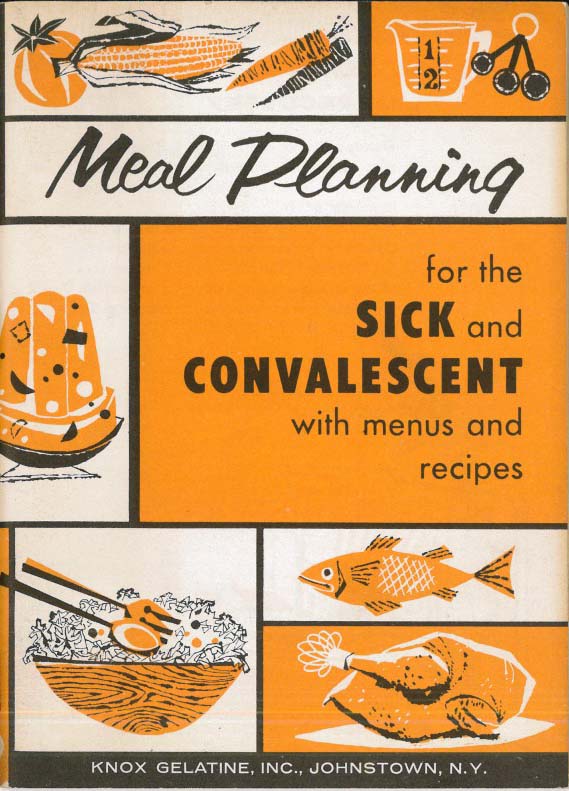
Men’s and women’s health are covered, such as peptic ulcers, STDs, reproductive wellness and diabetes. Companies like Kellogg’s and Knox produced cookbooks for weight loss, convalescent care and diabetic patients. Pharmaceutical companies promoted new ulcer medications and delivery systems. Other companies advertised clinical equipment, food supplements, even orthopedic shoes for children. Professional organizations like the AMA and the American Dental Association published pamphlets on their organizations, or current health campaigns. In all the Collection of Albert Cornell MD highlights an important niche in both pharmaceutical and health care advertising as well as in health-related direct marketing.
Post contributed by Richard Collier, Technical Services Archivist for the John W. Hartman Center for Sales, Advertising & Marketing History
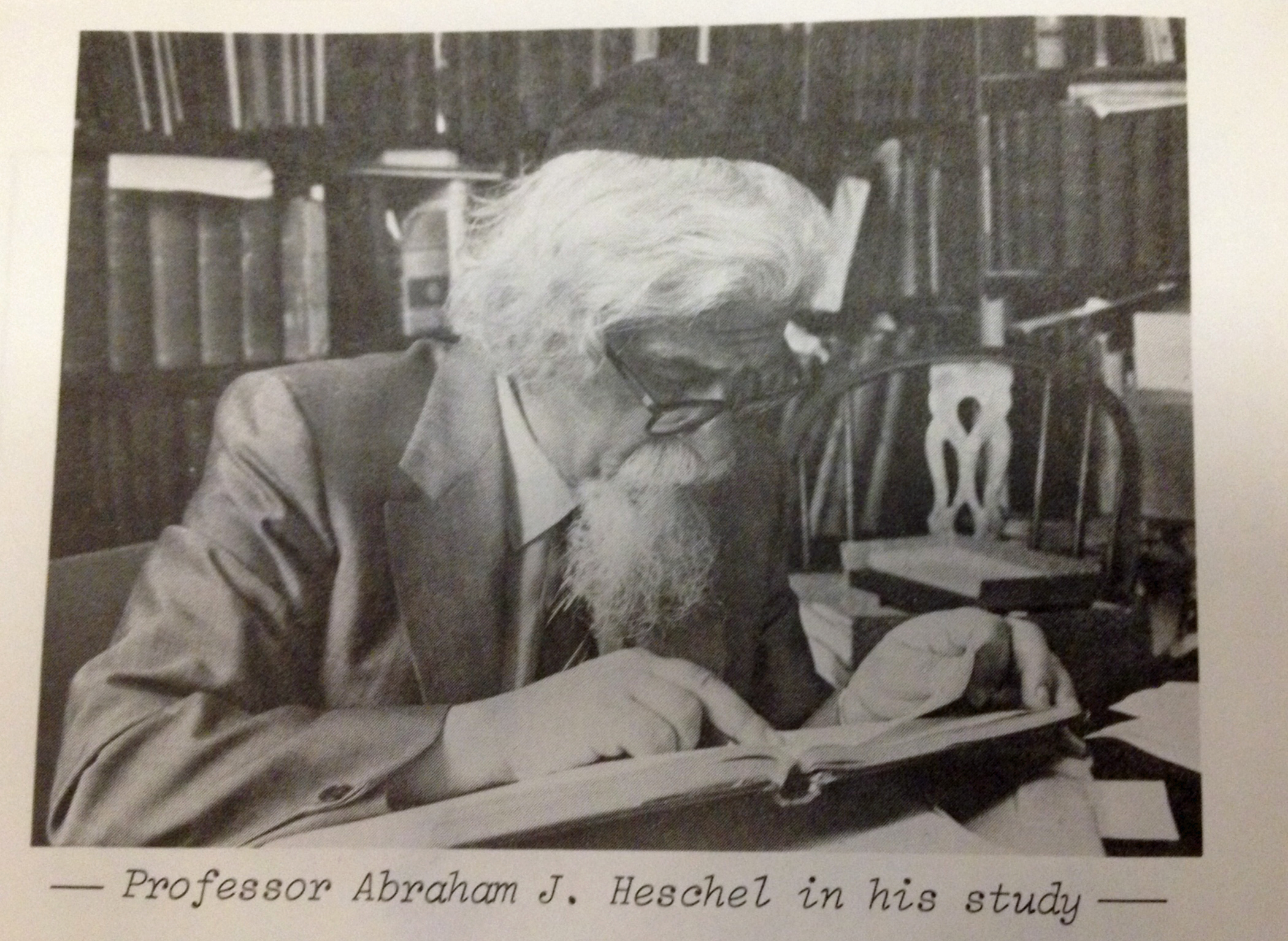
Today the Abraham Joshua Heschel papers are officially opened and available for use. Having just finished processing the collection with a crack team of interns (thank you Adrienne Krone, Sam Kessler, Annegret Oehme, and Emanuel Fiano!), I can attest to the richness of the collection and am thrilled that patrons will be able to explore Heschel’s personal, academic, and public life. The collection guide is available here. In total, 16 languages are represented. Materials related to all of Heschel’s published books, along with 145 published articles are also in the collection. Some of the more unique and unexpected items in the collection include an audio reel of the broadcasted radio show “Way to Go” with host Ormond Drake in which Heschel speaks about his personal life, an original typed document of Heschel’s deportation from Frankfurt in 1938, and a telegram from President John F. Kennedy requesting Heschel’s presence at the White House.
Look for an opening event sometime in October that will feature Susannah Heschel!
Post contributed by Mary Samouelian, Project Archivist
This marks my last contribution to the Devil’s Tale blog, as I’m moving on to another position at a different institution. I’ve enjoyed my time working for the Rubenstein Library, helping to arrange and describe the rich material housed within the Duke University Archives. Over the past several years, I’ve become quite fond of several of Duke’s early 20th century administrators, such as Robert Flowers. I’ve wanted to recall and survey his personal papers for quite a while now and decided to do so as my last day drew near.
Robert Flowers, President of Duke University from 1941-1948
To my surprise, the bulk of the collection actually pertains to his son-in-law and daughter, Dr. Lenox and Virginia Baker. According to our records, Dr. Baker gifted the University Archives with the bulk of this collection, including the numerous letters he wrote to Virginia, letters she received while in school at Wilson College in Pennsylvania, letters to/from Robert Flowers and his wife, Lily, as well as photographs and diplomas.
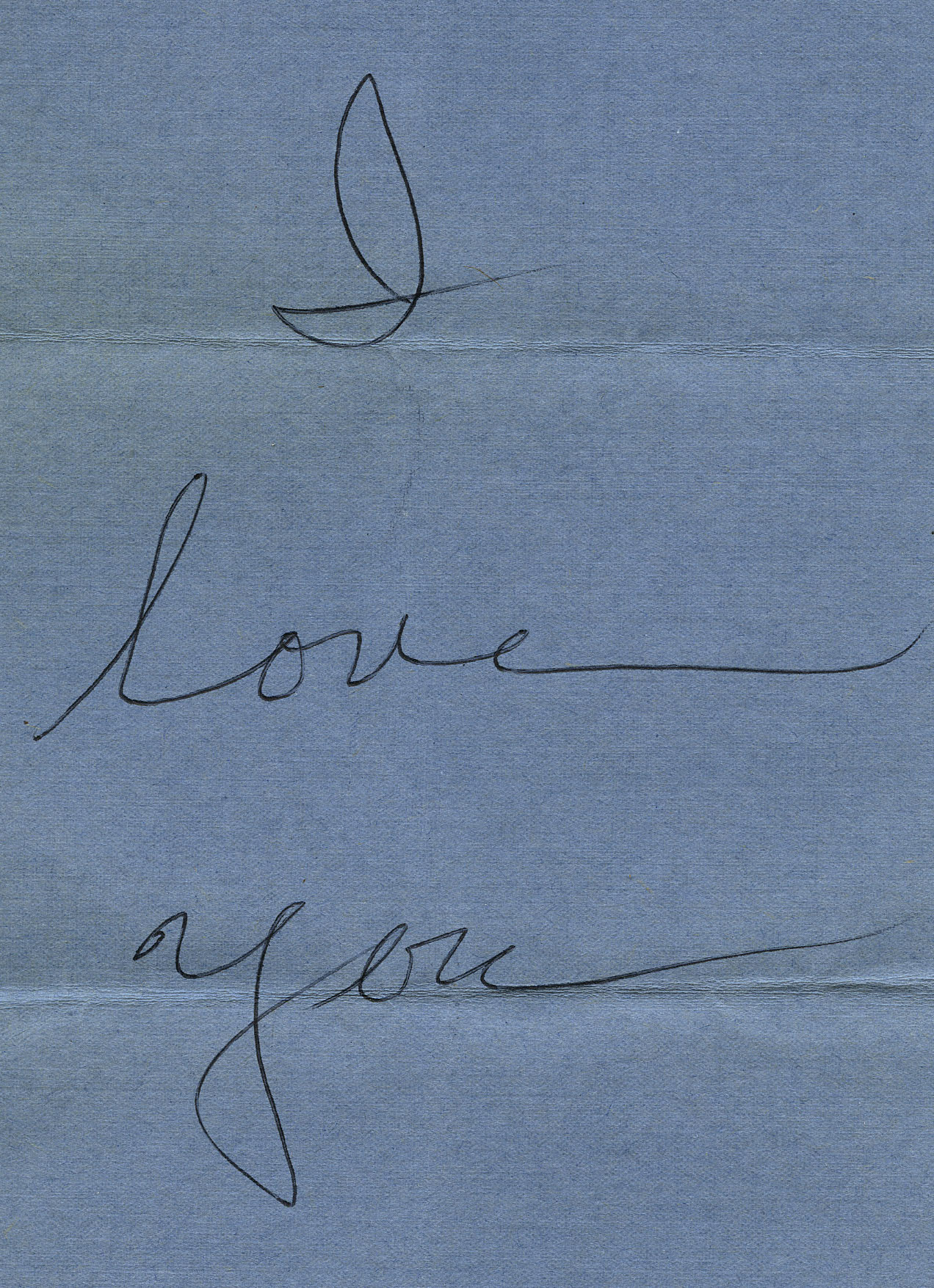
As I poured through the letters, I kept coming across small, handwritten love notes. It soon became apparent that the notes were usually written by Dr. Baker to Virginia, with others written by her to him. There’s no doubt that they were very much in love. He was her “Doc,” and she was his “Doe.” The death of Virginia hit Dr. Baker hard, as evidenced by the note he wrote on the back of her Durham High School diploma. It’s not often I’m brought to tears by a collection, but this one did just that.
Dr. Baker’s note on the back of Virginia’s high school diploma
So, as I say good-bye to Duke, please allow me to share with you but a small example of the love shared between Doc and Doe.
Side 1Side 2
Post contributed by Kimberly Sims, outgoing Technical Services Archivist for University Archives
The National Coalition for Haitian Rights (NCHR) papers documents this NGO’s advocacy for human rights in Haiti and for Haitian refugees in the United States. NCHR has conducted its mission reaching out to congressmen and international organizations to influence policy, using its connections and credibility to assist Haitians, whether in their individual immigration issues or as this recent discovery notes, to flee persecution in Haiti and reach safety.
Let’s start with a little bit of context. In 1992 Haiti democratically elected its first president ever, Jean-Bertrand Aristide, who was subsequently forced out of the country for about 6 months. A military regime came immediately into power. Human rights violations became more prevalent, particularly toward supporters of former President Aristide.
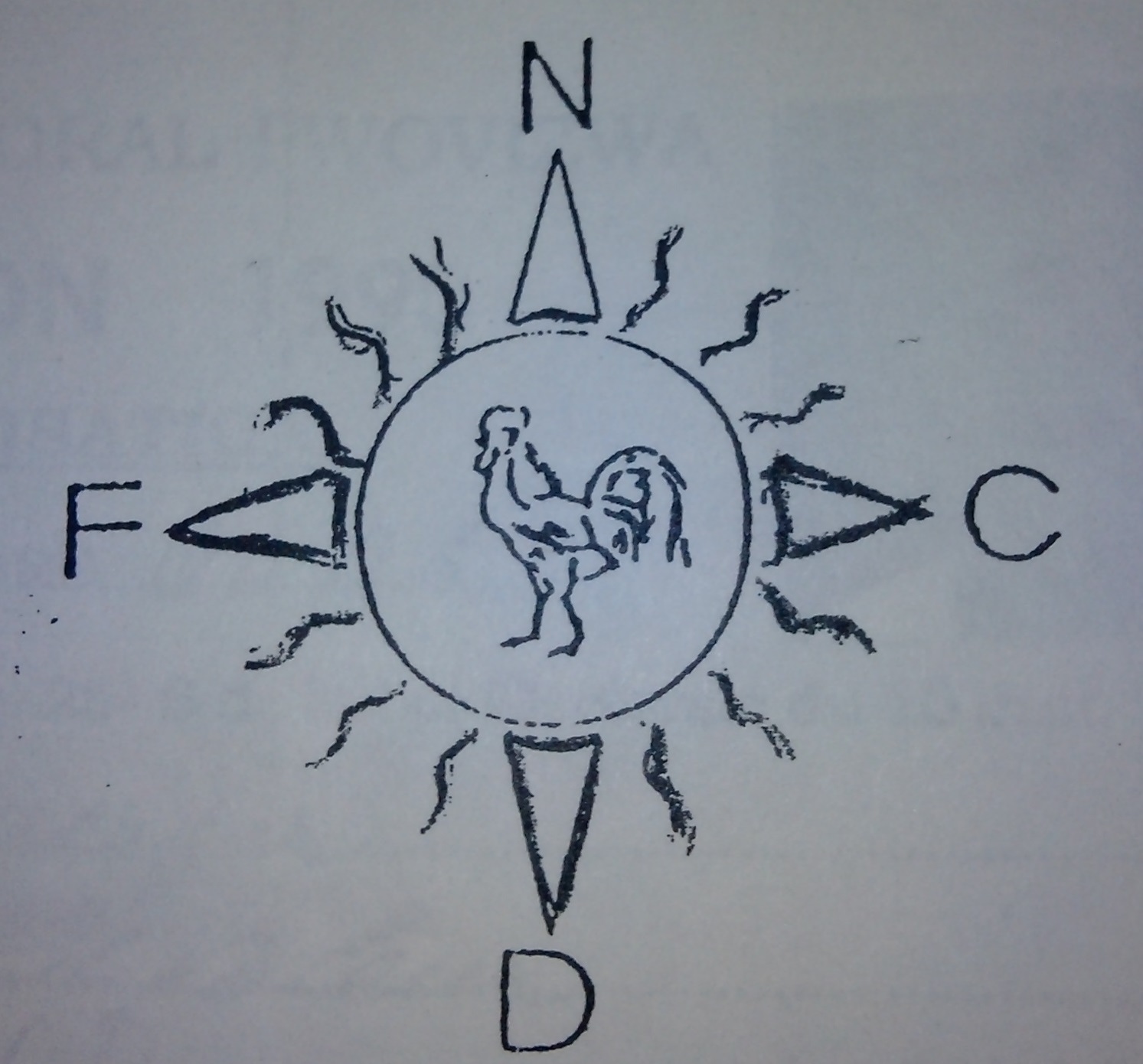
Logo for the National Front for Change and Democracy of Haiti, found in the National Coalition for Haitian Rights Records
During this tumultuous period, three Haitian members of the Aristide’s political party FNCD (National Front for Change and Democracy) [whose names will be withheld for their protection], decided that, for safety reasons, they had no other option than to flee Haiti. They arrived in Guantanamo, Cuba which at that time was used as an immigration transit camp to assess the validity of asylum claims made by Haitians. The asylum process required an initial interview in Guantanamo that would assess whether an immigrant had a credible fear of persecution, and then a second interview in Miami that would assess whether this fear was well-grounded. The screening process was tough, as it is estimated that only 2% of Haitian applicants were granted asylum between 1980 and 1992.
It is in Guantanamo that the three Haitians first came in contact with NCHR. Living conditions at the camp were difficult, and several reports documented humiliating treatments, separation of families or refusal of medical care. As the founding members of the Association of Haitian Political Refugees, the three Haitians asked NCHR to witness and then advocate for better treatment of Haitian refugees inside Guantanamo’s camps. The three Haitians successfully passed the first step of the asylum process. However, accounts of mistreatment during the second interview in Miami, especially directed towards members of the Association of Haitian Political Refugees, made them refuse to submit to the second interview. Additionally, the omnipresence of the US military in the camps made many Haitians nervous about telling their stories to immigration officials.
Having abandoned the asylum process mid-way, the three Haitians were sent back to Haiti. Beatings by the police on their day of arrival confirmed their fears of political persecution. They decided to go into hiding and attempt to leave Haiti one way or another. They were unable to apply for asylum from within Haiti, and the American embassy was not a sanctuary. The three Haitians called NCHR for help.
NCHR’s strategy was first to get them into the Dominican Republic,
Logo for Radio Enriquillo, a station in the Dominican Republic
where the United Nations had set up a refugee camp, and then try to obtain permanent residency in the United States, Canada or another Caribbean nation. In a parallel to the American abolitionist Underground Railroad, NCHR resorted to Haiti’s own underground railroad dedicated to helping persecuted Haitians cross the border and enter the Dominican Republic. The underground railroad was managed by a priest on the Haitian side, and by a radio station on the Dominican side.
By means of the underground railroad the three Haitians arrived safely in the Dominican Republic. They were greeted by a team of lawyers, enlisted by NCHR to build their asylum case; further complicated by the three being HIV positive at a time when both the United States and Canada had a practice of rejecting asylum claims of HIV positive individuals unless a waiver was obtained.
That is the last update in the archives about the three Haitians. We do not know how significant the underground railroad was, as so far we haven’t found any other account of its use in NCHR’s archives. We also do not know whether their asylum claims have been successful, or whether they managed to get permanent residency in the Dominican Republic. Nevertheless, we have been able to reconstruct this story using a variety of documents present in NCHR archives: letters of the three Haitians to NCHR written in Haitian Creole, communication between NCHR’s Haiti and New-York teams in English, status reports coming from the underground railroad in Spanish, interview transcripts in French. This diversity illustrates the fact that the issue of Haitian rights encompasses much more than just the Haitian territory: the flow of refugees coming to the Dominican Republic and to the United States has made the protection of Haitian rights a multinational challenge.
Post contributed by Marie Veyrier, student assistant in Technical Services
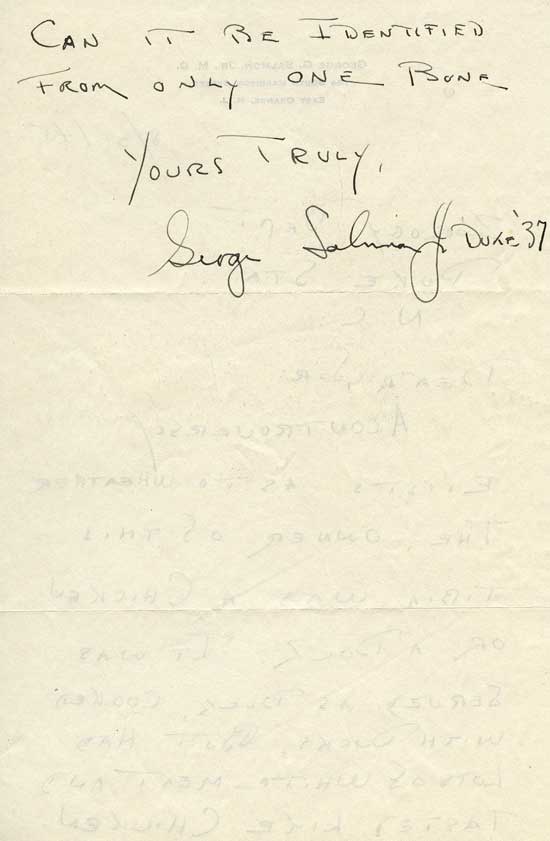
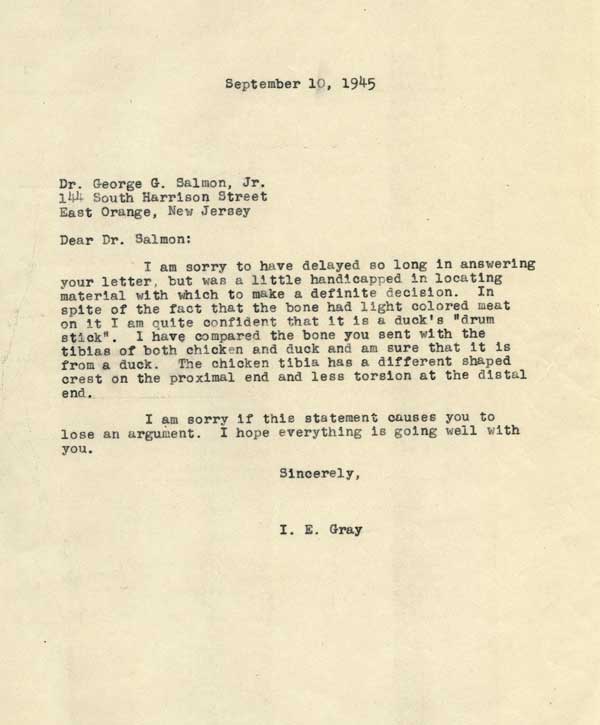
In late August 1945, Dr. George Salmon, Jr. of New Jersey wrote a letter to Duke’s Zoology Dept., asking for help in identifying whether a tibia bone he sent belonged to a duck or to a chicken.
I found the description amusing as to why he wanted to know this as well as the fact that he actually mailed the bone in question.
Equally as amusing to me is that Irving Gray, Chair of the Zoology Dept., took the time to reply.