Category Archives: Just for Fun

Rubenstein Library Test Kitchen: Apple Kuchen

Want to make history this Thanksgiving? Every Friday between now and Thanksgiving, we’ll be sharing a recipe from our collections that one of our staff members has found, prepared, and tasted. We’re excited to bring these recipes out of their archival boxes and into our kitchens (metaphorically, of course!), and we hope you’ll find some historical inspiration for your own Thanksgiving.

Happy Oktoberfest!  To kick off our Rubenstein Library Test Kitchen series, I prepared a recipe to celebrate the German festival, which runs this year from September 20th to October 10th.

The Recipe and Duke History

I found a recipe for apple kuchen, or apple cake, in the Ted Minah Papers.  The recipe was grouped with a series of recipes apparently intended for Duke’s Woman’s College, [1] ranging from barbecued meatballs to a lemon soufflé pudding.  Although a sweet cake, interestingly, the recipe was labeled as a bread recipe rather than a dessert.

The recipe helped me learn more about some of the culinary history at Duke, especially about the influential Theodore W. “Ted” Minah.  Minah was the director of Duke University Dining Halls from 1946 to 1974. By his retirement in 1974, Minah had transformed the dining halls at Duke University from a small operation to 12 dining halls serving approximately 15,000 meals each day.

The context for the recipe collection wasn’t clear – the ingredient proportions were for smaller portions, usually 4 to 6 servings.  Since it was coming from the collection of the Dining Hall director, I expected the recipe to be scaled to serve large groups of students, but perhaps the recipes were designed for a Woman’s College cookbook?  I’ve seen university-related cookbooks in other collections, like the “Culinary Casebooks” in the Duke Law Dames records (possibly a topic for a future “Rubenstein Library Test Kitchen” post!).

Like many older recipes, it was short and to the point – no lengthy descriptions of methods or ingredients to coddle the home cook.  I did encounter an interesting culinary term I’d never seen before, but which continues to appear in other archival collections I’m processing: Oleo.  Oleo was a common colloquial term used to refer to margarine, whose full name is oleomargarine.  I admit that I strayed from the recipe and used butter rather than margarine, but that substitution didn’t seem to hurt the recipe.

The Results

As often happens in the archives, I learned a variety of interesting new facts that I would have never guessed I’d encounter – from the history of the university, to colloquial cooking terms!

AppleKuchen in pan

Overall, the recipe was perfect for fall – the tart apples, cinnamon, and somewhat unusual cake batter made a tasty seasonal treat.  The recipe was easy and quick to make, used common ingredients found in any grocery store, and should appeal to even the pickiest eater.

apple kuchen on plate

Rating:  4 out of 5 stars!

Stay tuned for more tasty recipes from our collections!

1. The Woman’s College was established at Duke in 1930 as a parallel to Trinity College for men. The Woman’s College fostered a community that allowed for shared university faculty, curriculum, and educational facilities with the men’s college, while giving women an opportunity for leadership through separate student government, social standards committees, and judicial board.  The Woman’s College merged with Trinity College in 1972.

Post contributed by Patrick Dollar,  Drill Intern, Duke University Archives.
 

What’s on our accession shelf?

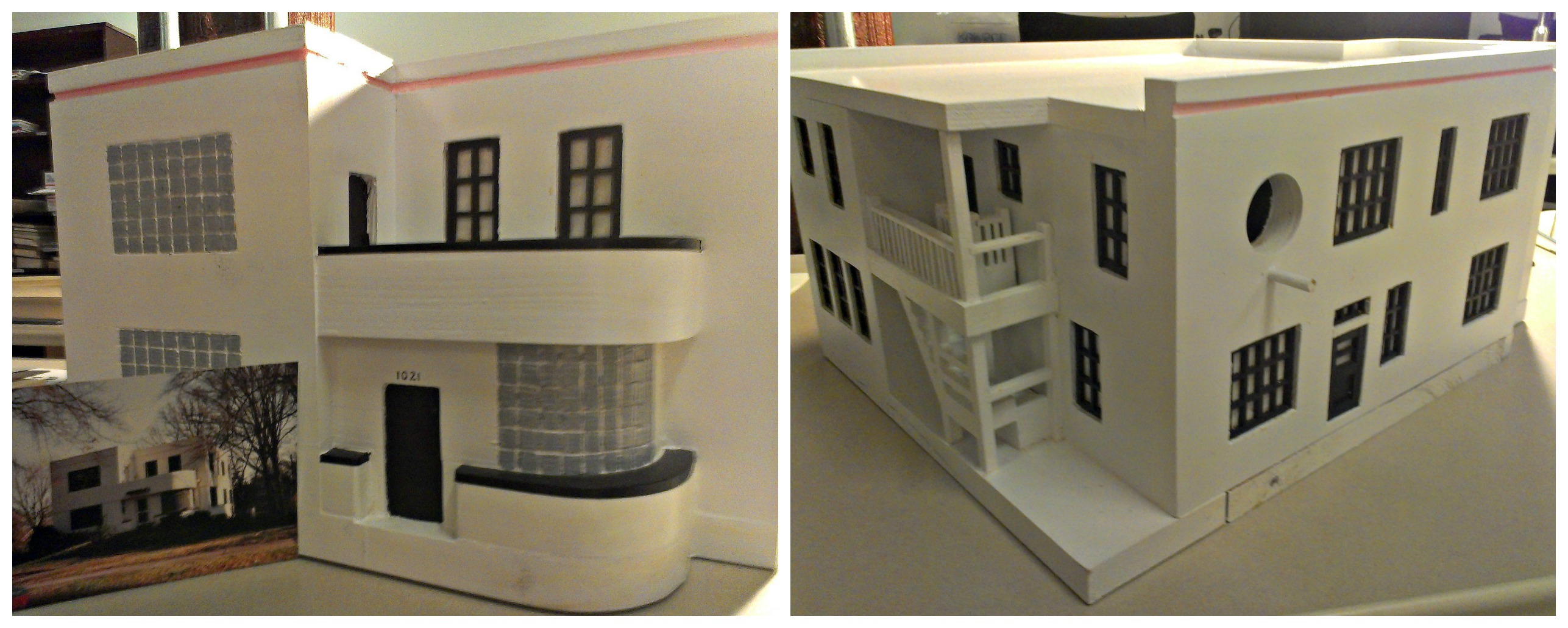
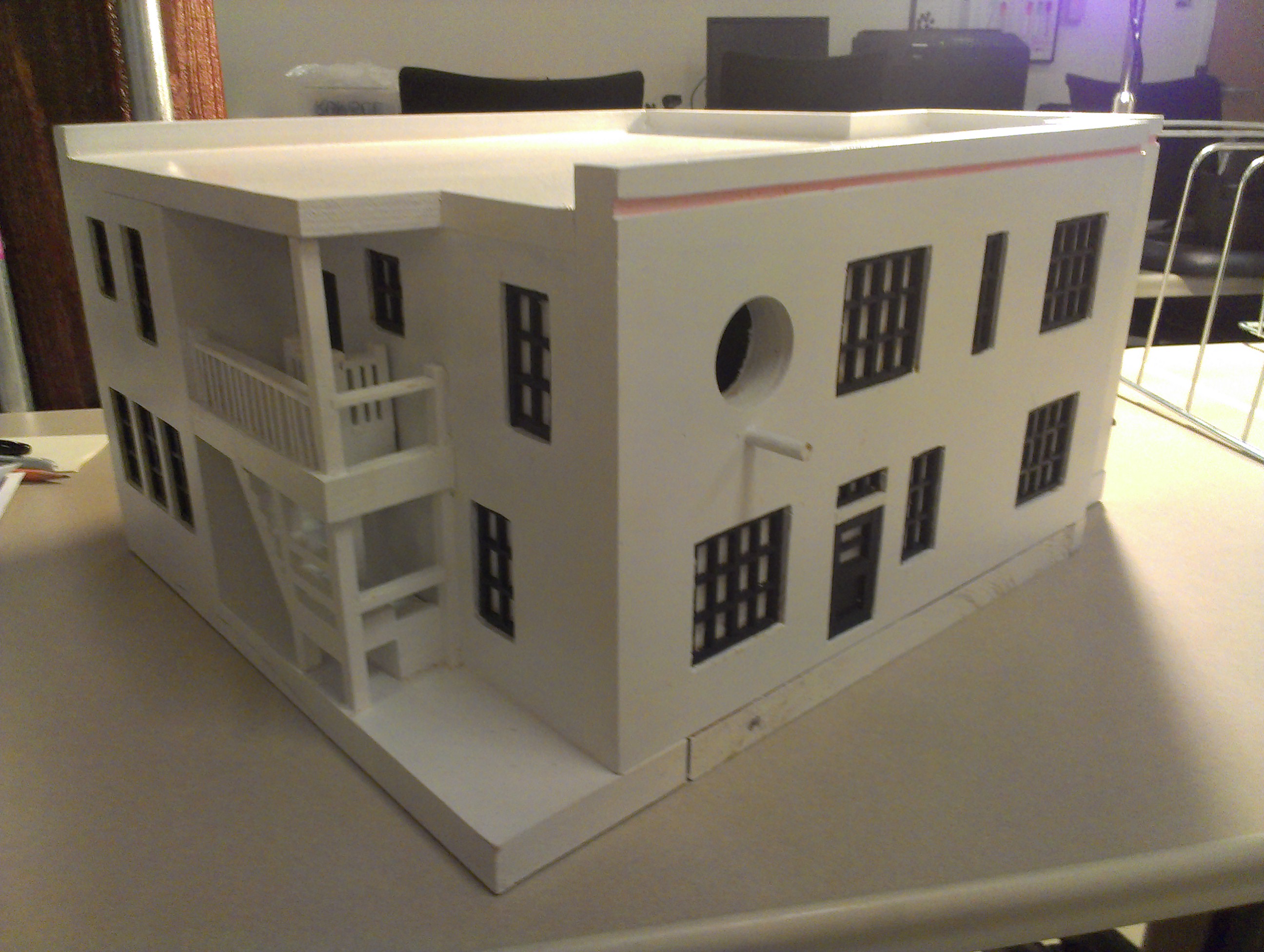
Every visitor to Technical Services likes to peek down the accessioning shelves and see what new collection materials have recently arrived. One of the most unusual accessions we’ve ever received is a birdhouse, which arrived this spring as part of an addition to the Evans Family Papers. It is a nearly identical miniature of the family’s Durham house, which is still standing (and occupied) on Dacian Avenue. According to the family, the original house was modeled on the style of Le Corbusier. It was built in 1938, making it one of the first examples of “modern architecture” in Durham.

birdhouse
The Evans Family Birdhouse, with a photograph of the original house for comparison.

The family moved away from Durham in 1950, and kept the birdhouse as a fond token of their former home. We were relieved to learn upon intake that no birds ever took up residence. (That would have made for some interesting conservation concerns!)

Post contributed by Meghan Lyon, Technical Services Archivist.

Milwaukee, Hawaii, Italy: Our Global Users

The unique collections held in special collections libraries attract researchers from all over the map, no matter if the map is local, national, or global. Those of us who work in special collections have always known this, and we frequently jabber about it to anyone who will listen. But we can’t often show it.

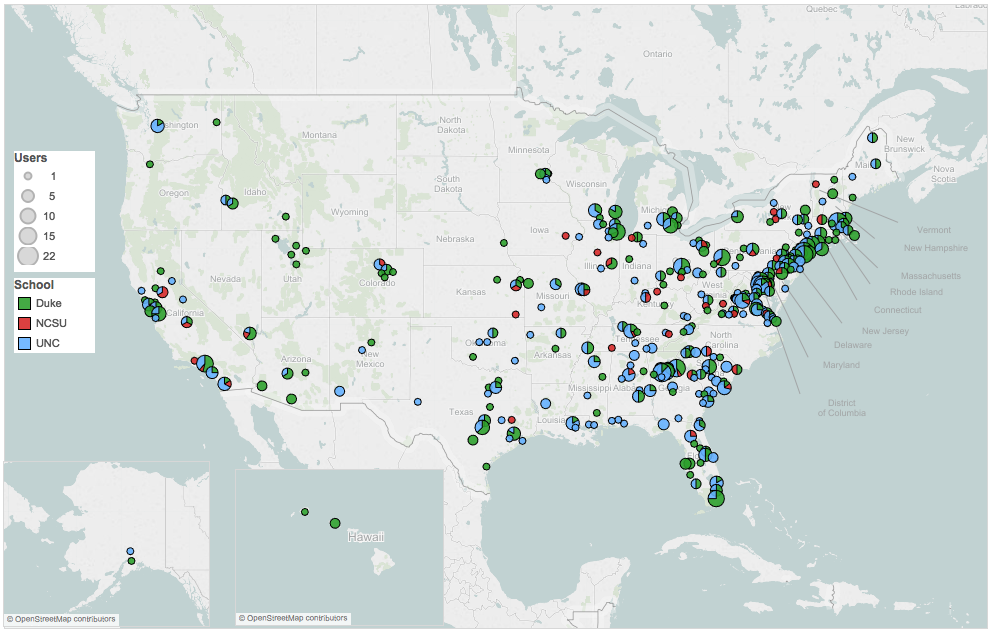
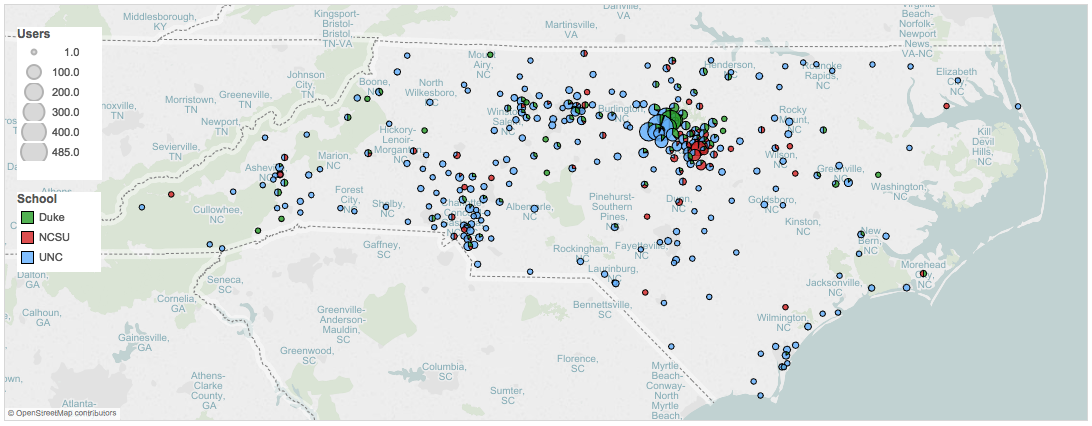
Recently, library staff at Duke’s Rubenstein Library, UNC Chapel Hill’s Wilson Library, and NCSU’s Special Collections Research Center combined the data we’ve collected in order to create some maps showing the home cities, states, and countries of our users from calendar year 2013. Special collections staff gathered this data, but it was Duke’s terrific data visualization coordinator Angela Zoss who used Tableau to create these excellent maps for us. Thanks Angela!

The data we gathered shows onsite users of the Duke and UNC Chapel Hill special collections libraries. That is, the blue and green shown on the maps represent researchers who visited our reading rooms to use our collections in-house. The red shown on the maps shows something slightly different – both onsite users and users who made use of NCSU collections remotely (through email reference, etc.).

Among other interesting points, the North Carolina map shows that – outside of the Triangle – the majority of North Carolina researchers are using UNC Chapel Hill’s Wilson Library. This makes sense, since they have the North Carolina Collection! [Note: the pie charts sit over zipcodes.]


NC_map
Click to enlarge

The US map makes clear what we all probably suspected – that most of our researchers come from east of the Mississippi and are clustered in the Northeast. Only Duke shows researchers from Utah, and this doesn’t surprise us. Duke holds two copies of the first edition of the Book of Mormon, and many visitors come to Duke each year to see them (the two copies were used a total of 33 times this past year).


US_map
Click to enlarge

The global map shows that each of us – NCSU, UNC Chapel Hill, and Duke – had researchers from Canada, the UK, and Japan. UNC Chapel Hill welcomed visitors from China and Japan. Many international researchers came to Duke to use collections such as our economists’ papers. But only NCSU had a user from Bosnia-Herzegovinia!


Internation_map
Click to enlarge

While we’ve only just begun to share our data with each other, this mapping project demonstrates that, taken together, the special collections libraries at NCSU, UNC Chapel Hill, and Duke have truly global reach and impact. Our collections are diverse and exciting, and the world knows it!

Post contributed by David Pavelich, Head of Research Services

Swag Comes to the Hartman Center

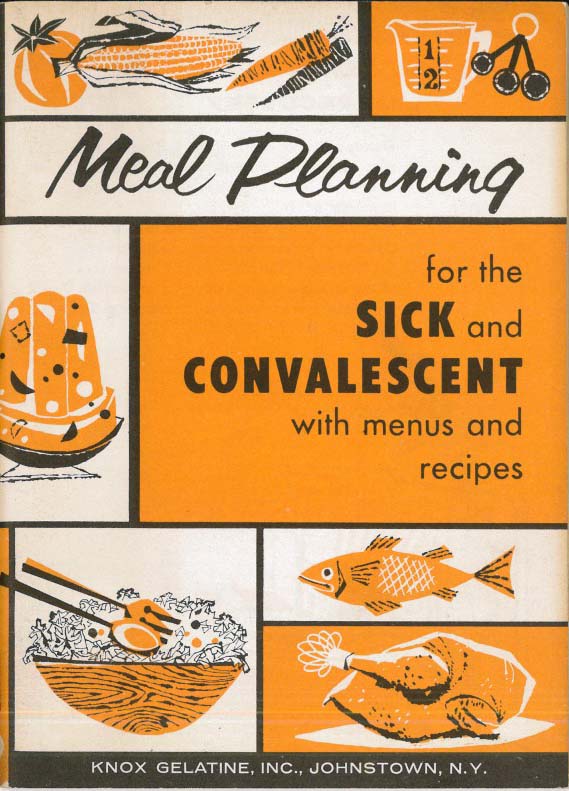
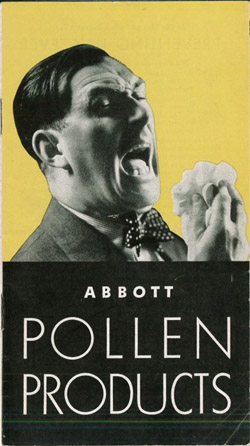
Meal Planning for the Sick an ConvalescentAnyone who’s ever been to a doctor’s office or clinic has encountered a vast array of items: calendars, pens, coffee mugs, Post-Its, paperweights, tent signs and other items promoting some brand of medicine. This kind of material is routinely distributed along with free samples by traveling route salespersons and representatives for pharmaceutical companies, medical equipment manufacturers and laboratory service providers; doctors and health professionals also encounter a regular stream of this kind of stuff at conferences, meetings and trade shows—as do professionals in a number of other occupations. Swag constitutes an important form of direct marketing but its ubiquity means that it is frequently taken for granted, willfully ignored and drifts into a kind of background invisibility.

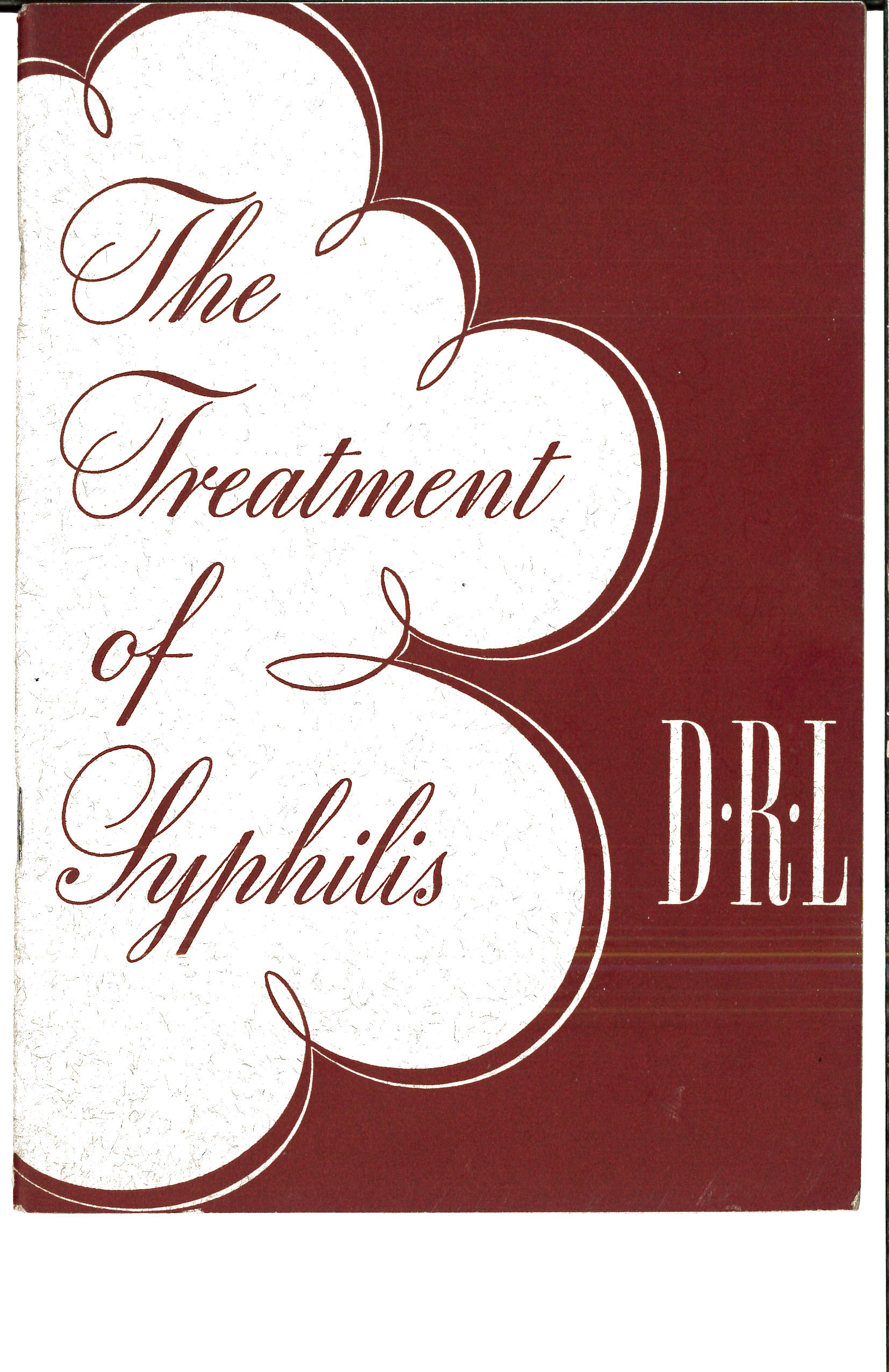
Pollen ProductsOne of the most eclectic collections to come to the John W. Hartman Center for Sales, Advertising & Marketing History was donated by the family of Albert Cornell, MD, former head of the gastrointestinal clinic at Mt. Sinai Hospital. Nearly 90 years of medical promotional materials are included beginning in the early 20th century, everything from note pads to mugs, beakers, pamphlets, even three-dimensional models of the colon, and personal items including keychains, golf balls, nail files, pins, and a tie clasp featuring the gastrointestinal tract in miniature.

Men’s and women’s health are covered, such as peptic ulcers, STDs, reproductive wellness and diabetes. Companies like Kellogg’s and Knox produced cookbooks for weight loss, convalescent care and diabetic patients. Pharmaceutical companies promoted new ulcer medications and delivery systems. Other companies advertised clinical equipment, food supplements, even orthopedic shoes for children. Professional organizations like the AMA and the American Dental Association published pamphlets on their organizations, or current health campaigns. In all the Collection of Albert Cornell MD highlights an important niche in both pharmaceutical and health care advertising as well as in health-related direct marketing.

treatment of syphilis edwards shoes


Post contributed by Richard Collier, Technical Services Archivist for the John W. Hartman Center for Sales, Advertising & Marketing History

Doc and Doe

This marks my last contribution to the Devil’s Tale blog, as I’m moving on to another position at a different institution. I’ve enjoyed my time working for the Rubenstein Library, helping to arrange and describe the rich material housed within the Duke University Archives.  Over the past several years, I’ve become quite fond of several of Duke’s early 20th century administrators, such as Robert Flowers.  I’ve wanted to recall and survey his personal papers for quite a while now and decided to do so as my last day drew near.

flowers
Robert Flowers, President of Duke University from 1941-1948

To my surprise, the bulk of the collection actually pertains to his son-in-law and daughter, Dr. Lenox and Virginia Baker.  According to our records, Dr. Baker gifted the University Archives with the bulk of this collection, including the numerous letters he wrote to Virginia, letters she received while in school at Wilson College in Pennsylvania, letters to/from Robert Flowers and his wife, Lily, as well as photographs and diplomas.

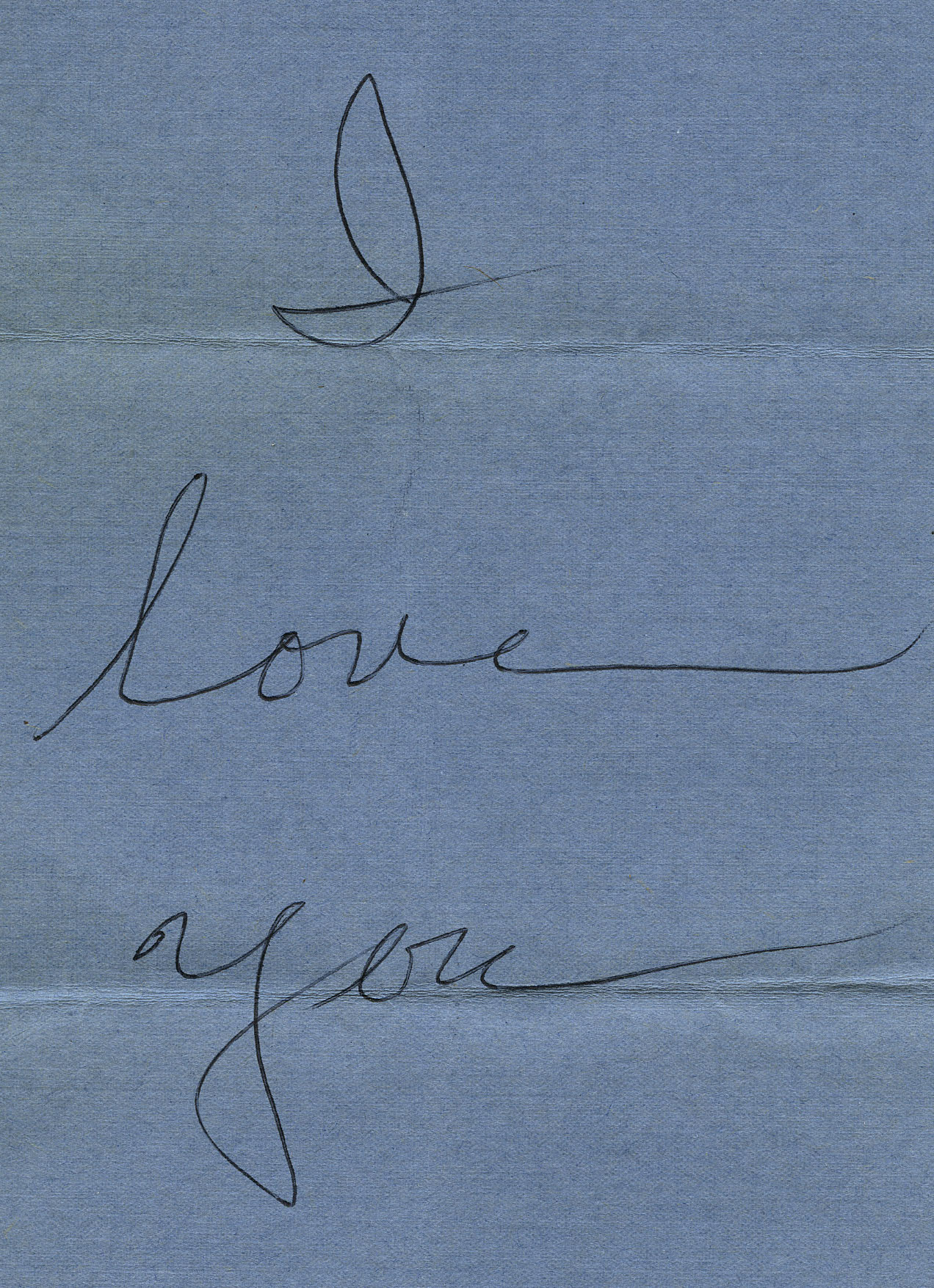
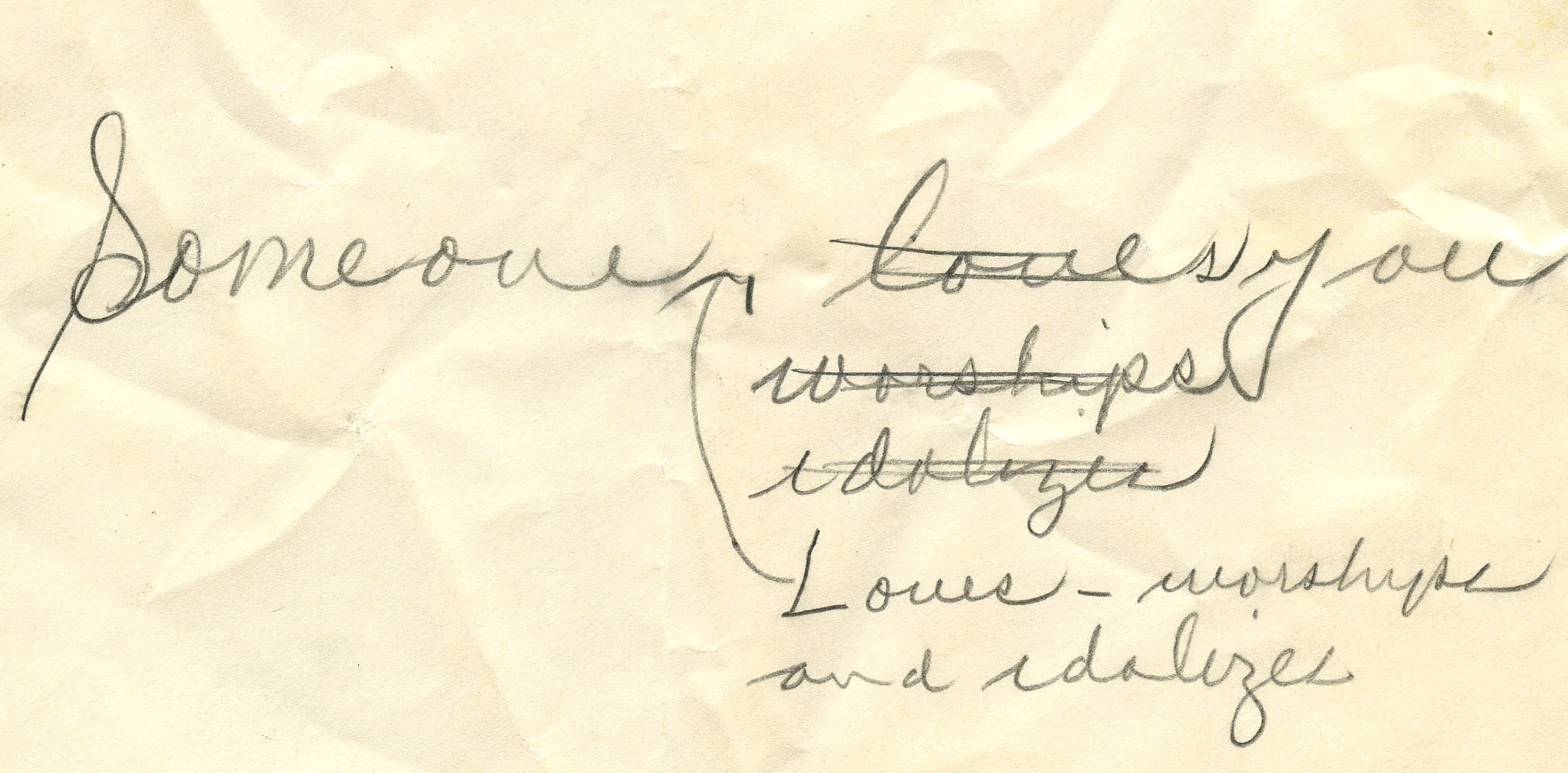
As I poured through the letters, I kept coming across small, handwritten love notes. It soon became apparent that the notes were usually written by Dr. Baker to Virginia, with others written by her to him.  There’s no doubt that they were very much in love.  He was her “Doc,” and she was his “Doe.”  The death of Virginia hit Dr. Baker hard, as evidenced by the note he wrote on the back of her Durham High School diploma. It’s not often I’m brought to tears by a collection, but this one did just that.

IMG_5298
Dr. Baker’s note on the back of Virginia’s high school diploma

So, as I say good-bye to Duke, please allow me to share with you but a small example of the love shared between Doc and Doe.

Baker6-1-1
Side 1
Baker7-1
Side 2

Baker4-1Baker3-1Baker2-1Baker1-1Baker6-1

Post contributed by Kimberly Sims, outgoing Technical Services Archivist for University Archives

If It Walks and Quacks Like a Duck . . .

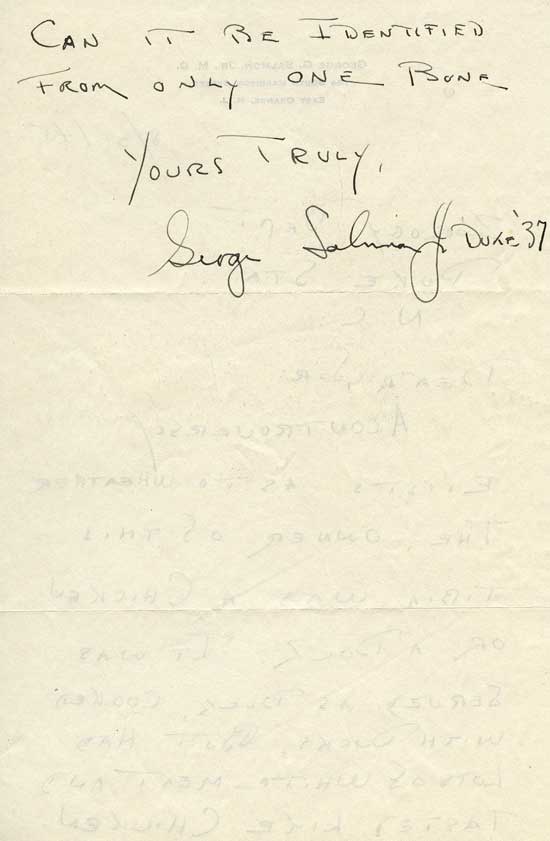
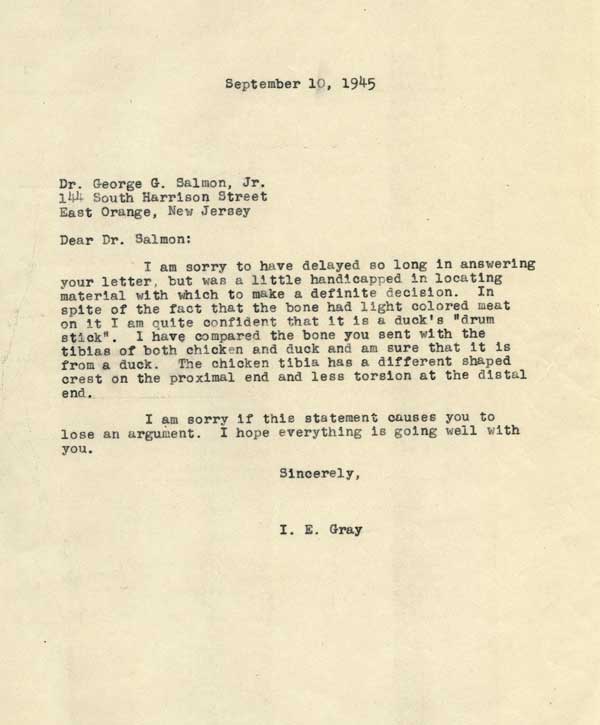
Professor Irving E. GrayIn late August 1945, Dr. George Salmon, Jr. of New Jersey wrote a letter to Duke’s Zoology Dept., asking for help in identifying whether a tibia bone he sent belonged to a duck or to a chicken.

I found the description amusing as to why he wanted to know this as well as the fact that he actually mailed the bone in question.

Equally as amusing to me is that Irving Gray, Chair of the Zoology Dept., took the time to reply.

Just for fun, please see both letters below.


Front of letter from Dr. George Salmon.

Back of Letter from Dr. George Salmon


Reply from Dr. Irving Gray.

Post contributed by Kim Sims, Technical Services Archivist for the Duke University Archives.

The Dawning of Legibility

In 2009, a single-item addition to our Charles Alexander Gore papers turned up in my cataloging queue. The letter surfaced while preparing some collections to move off-site before renovation of the Rubenstein Library began.  When I recalled the appropriate box and pulled the folder into which I was going to place the addition, I noticed that the handwriting on my letter did not match that of Charles Alexander Gore.

Allie Blog 1
Rev. Charles Gore, circa 1900

Using the embossed address at the top of the letter, I determined that the author probably was Rev. Charles Gore (1853-1932), who became an Anglican Bishop not long after he penned it.  Because we do not have any other items created by Rev. Gore, the letter needed to be cataloged on its own. The problem in doing that, however, was that I found Gore’s handwriting almost completely illegible.

I determined that the first line of the letter mentioned a war, which likely referred to the 2nd Boer War in South Africa, given the fact that the letter was written in 1901. Other than that, I could only pick out individual words or phrases in the piece. Frustrated, I put the letter back on my shelf.  Every once in a while, I would return to it in order to see if I could make progress deciphering it, and even consulted with my British colleague, Mandy Hurt, who also struggled with the penmanship.

I do not know what happened within my brain, but when I recently opened the letter again, I could suddenly distinguish many of Gore’s words! Not all of them, mind you, but enough to catalog the letter with greater confidence regarding its subject matter.  I worked through the sentences, and then showed my transcription again to Mandy, who deciphered several more key words and phrases, she tells me, by searching for “typically British turns of phrase.” Here’s our transcription, as it stands:

Oct. 8 ‘01

Dear Mr. McI[___]

My [pri___,] I believe, is that I am not convinced that, if the raid had been properly punished or negotiations decently conducted, there need have been war at all.

But as things were—with much wrong on both sides (& how anyone can exaggerate the guilt of  Krüger, I think)—war became inevitable.

In the waging of it, I thankfully believe that we have been as merciful as possible. I expect the good behavior of our common soldiers has been without example.

I think the ‘camps’ are a gigantic mistake from many points of view & that the loss of infant life (especially) has been [____ ____].

But now what can be done? As far as I can ascertain the women are allowed to go now if they have anywhere to go to & [bread?] to go. You say—move the camps to the sea: this will curtail a painful journey. Will it remedy loss of life? I suppose the authorities [___ ___ be ___] to do this, if possible, or foodstuffs are more easily supplied by the sea. One camp (Victoria I think) is going, I see.

I do not think it is the [best] use [___] the clergy. [_____] this have no more power than the [“Good Boer,”] even if they have disposition, to move the people to any better [mind?].

There are moments when I do feel it is my duty to go on [_____, _____] in protest & though I know [it will] do no good. But in this matter it is so difficult to form an opinion—the best men are so much divided—different opinions are so justifiable–& ([on all just showing]) we have taken such pains in most points to be compassionate that I do not feel [inspired?] to idly denounce them [___ ___]. I have some present [___] to propose.  Those I have seen who know the [country assure] me the death rate [___] have been as high or higher if they had been left. How can I tell?

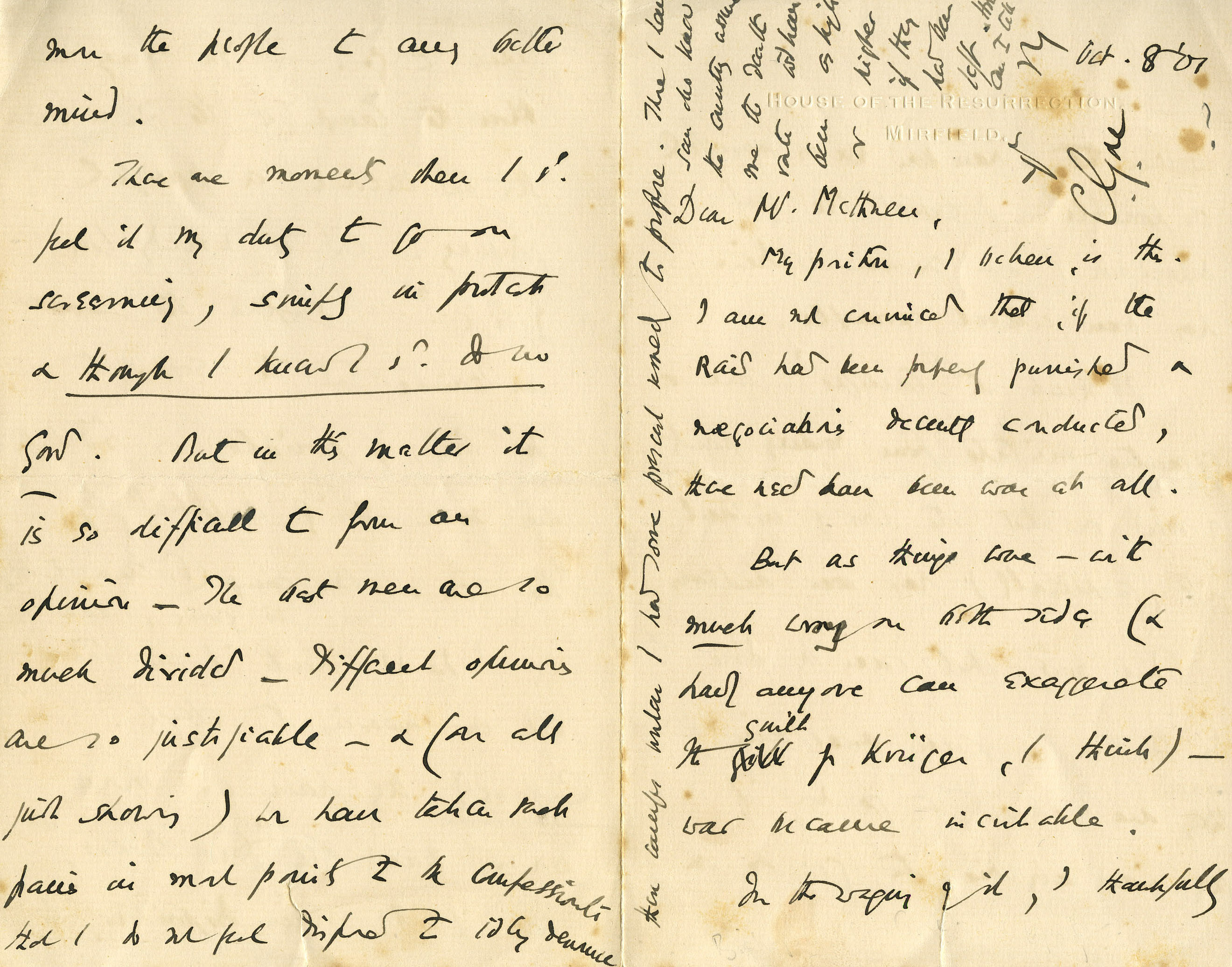
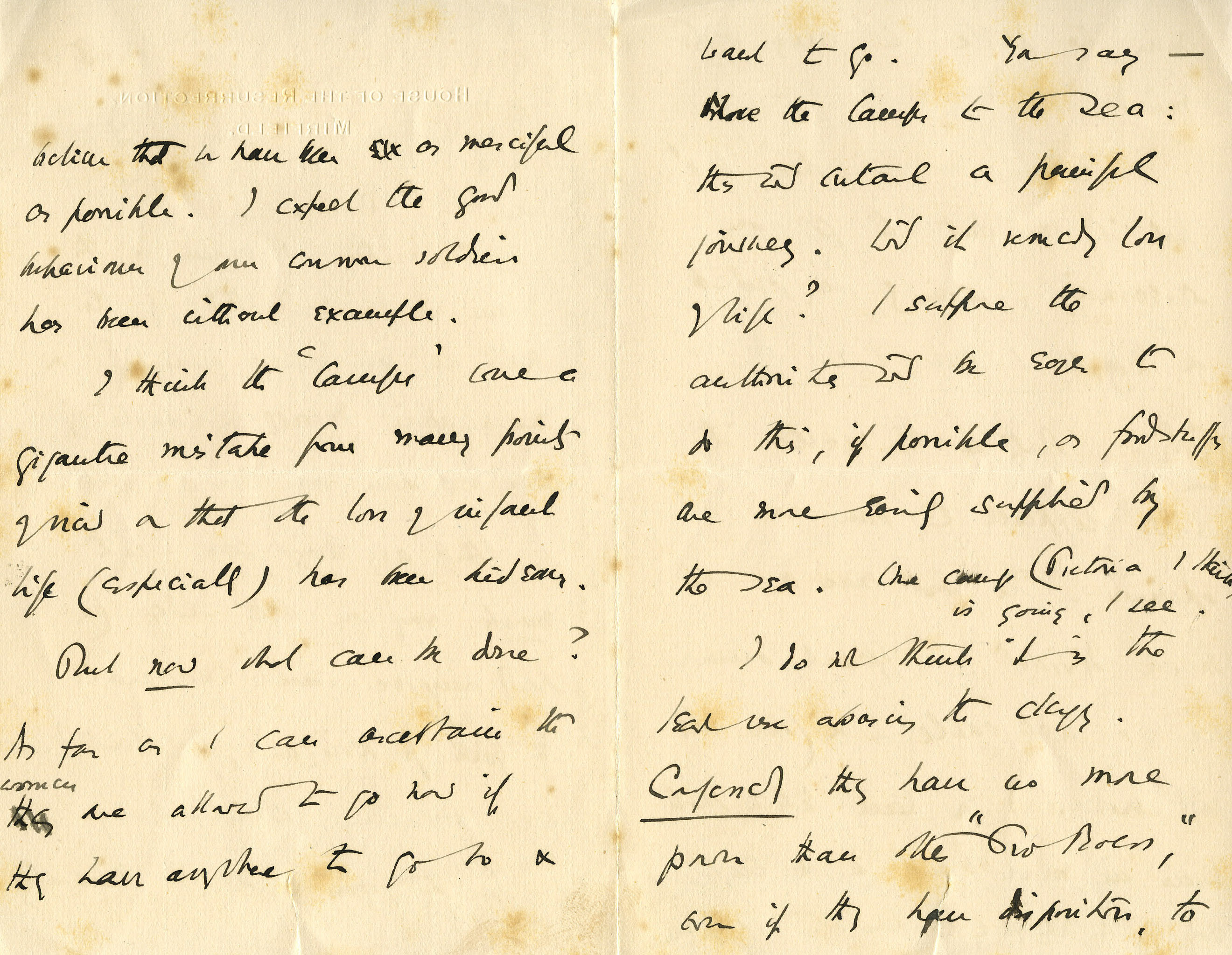
A scan of the letter is below.  What do you think about our transcription?  If you have any suggestions to make as to the words we still find illegible, please do so in the comments section.

Allie blog first last pages-1
Gore letter, first and last pages
Allie blog second third pages-1
Gore letter, second and third pages

Post contributed by Alice Poffinberger, Original Cataloger/Archivist for small manuscript collections. Mandy Hurt is Assistant Librarian for Electronic Resources & Serials Management.


Mad Men Monday – Season 7, Episode 2 “A Day’s Work”

Mad Men Mondays logo


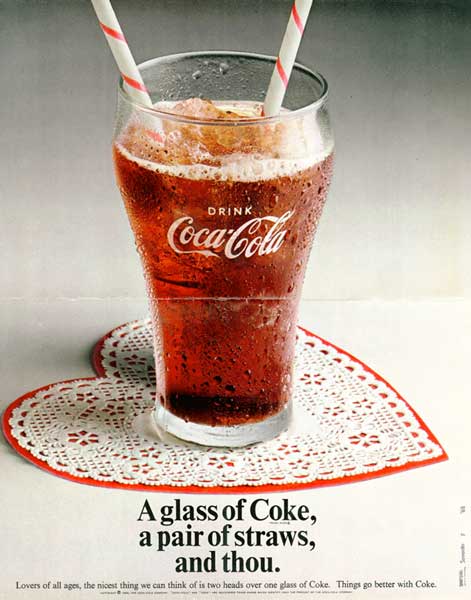
Last night’s episode of Mad Men depicts Valentine’s Day at SC&P. Several characters are upset when they are treated poorly or shuffled around, but by the end of the episode we see that there is housekeeping afoot that reveals new opportunities. Don’s day to day existence is exposed through sleeping late, cracker eating, and flipping through magazines.  Only when he is preparing for Dawn to come by and brief him does he clean up and get dressed to preserve the illusion that he is his normal steely self. Sally and her friends are given leave to go to New York City to attend the funeral of another friend’s mother and subsequently sneak off to go shopping before their return.  Once Sally realizes that she lost her purse, she goes to SC&P to ask Don for train fare.  Her encounter with Lou Avery exposes Don’s subterfuge and gets Dawn unfairly demoted to reception. Sally waits for Don at his apartment and when he returns from lunch with a contact at Wells Rich Greene he drives her back to boarding school. Peggy mistakes Shirley’s roses as ones for her from Ted, which causes a chain reaction of frustration and awkwardness for the two women. Joan is aggravated when her colleagues keep demanding that she solve their problems with secretarial staff by shifting them around. Pete is angry that he has to defer to Bob Benson and Chevrolet’s permission when he lands the SoCal Chevy Dealers Association account. Sally and Don finally have a frank conversation on the way back to school that begins to repair their damaged relationship. Jim Cutler offers Joan the opportunity to focus on account management, which allows her to leave behind the frustrations of human resources. Joan’s parting gesture as she moves to her new office is to reward Dawn with a promotion to human resources.  We see Dawn smile as she settles into her new office.
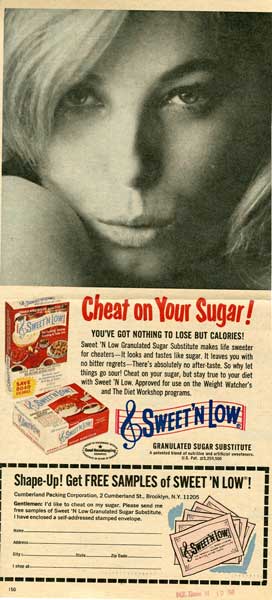
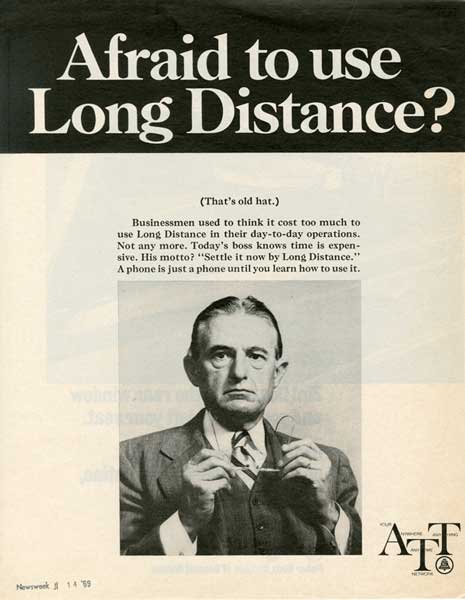
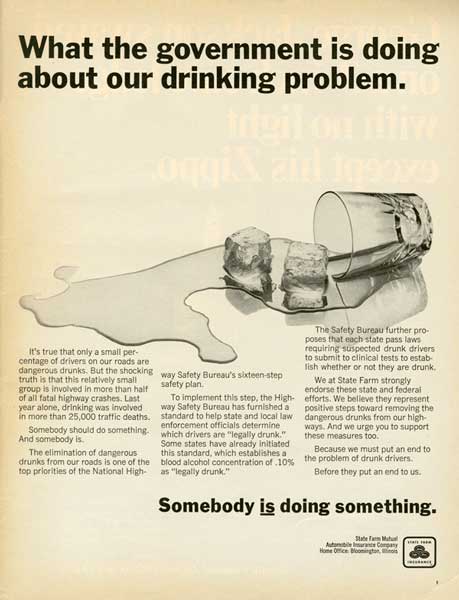
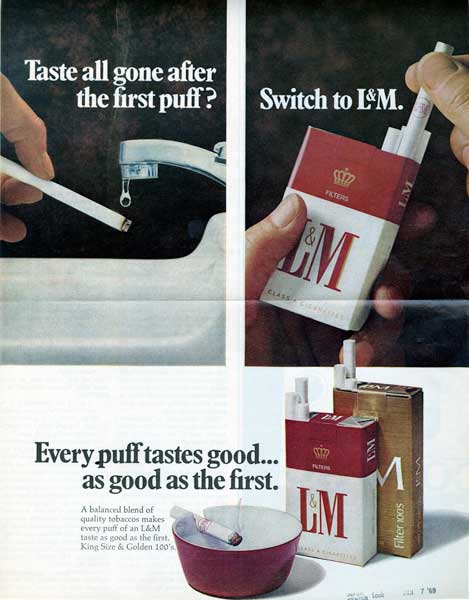
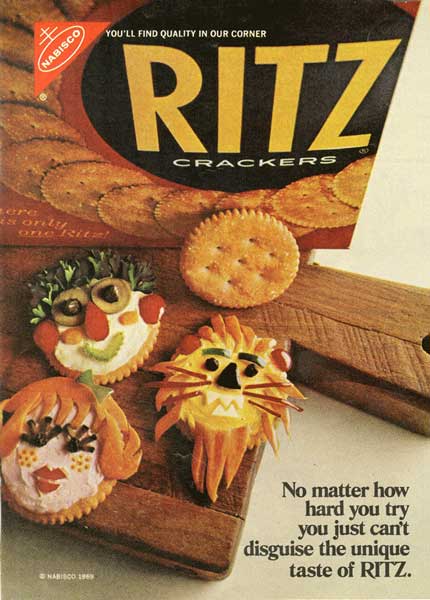
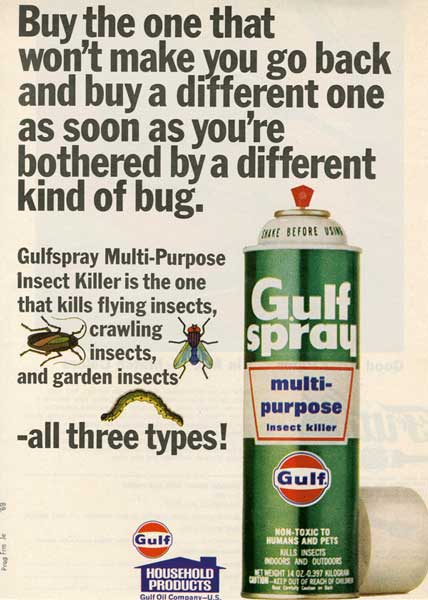
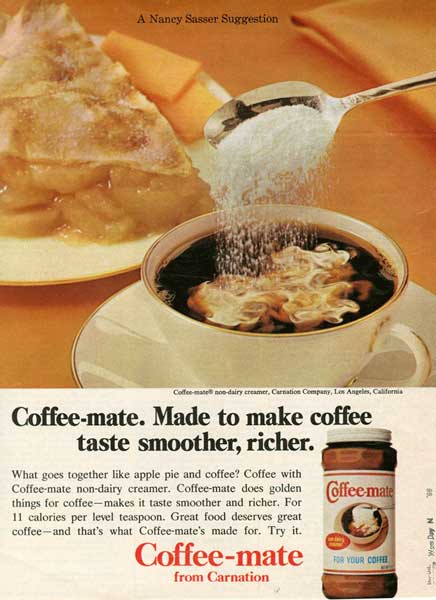
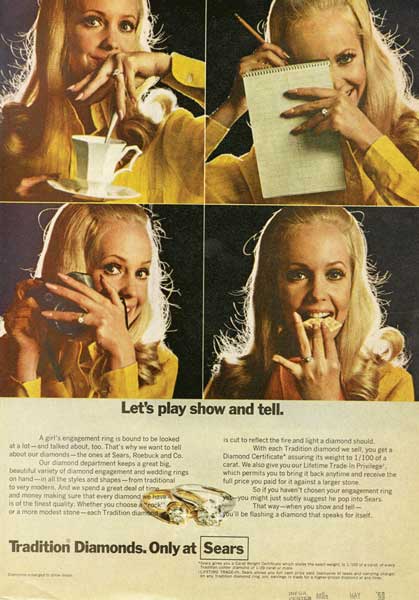
Last night’s episode featured references to Ritz crackers, Coffee Mate, Chevy Dealers Association, and Cutty Sark, among other things.  Enjoy our selection of highlighted ads that reflect the brands and themes that Mad Men characters interacted with last night.

A gallery of our selected images may also be found on Flickr.

Life_Drinking_PSA


L&M_G111

Ritz_F160

Bug_Spray_H240

CoffeeMate_F119

Sweet_n_Low_F123_folder1

AT&T_B140_Folder1


Life_Chevy_Dealer

Cutty_Sark_F330

Life_Sirhan

Engagement_Ring_G210


CocaCola_ValentinesDay_F220

Thank You, Steven Frownington McWhiskers

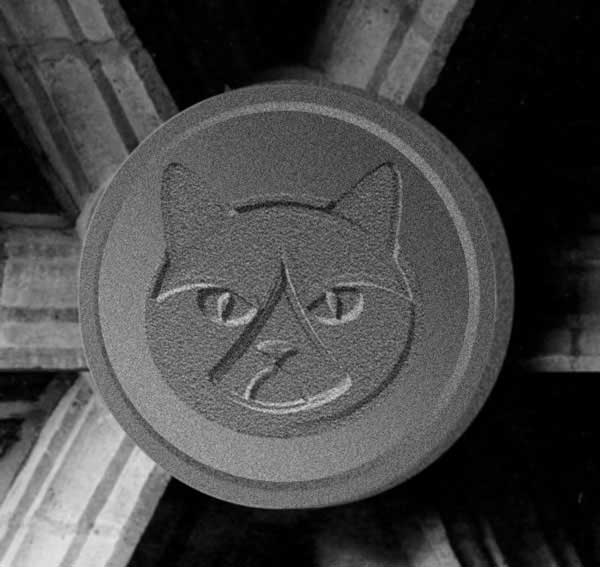
During renovations to the Rubenstein Library, a new carving was discovered in a remote corner of the stacks. The image of a fairly grumpy looking cat is a tribute to a campus friend named Steven Frownington McWhiskers—affectionately known as Steve.

GRUMPY

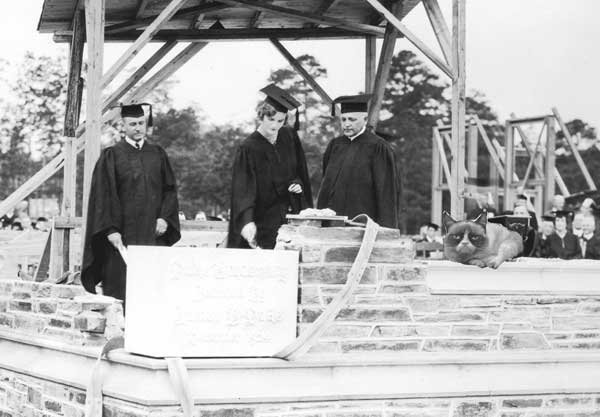
Steve was a local farm cat who took a great interest in the construction on West Campus between 1927 and 1932. Present for everything from the placement of the cornerstone in the Union to the erection of the Chapel spire, Steve was a steadfast friend and critic. His smoldering glare reminded the stonecarvers that even a single errant stone would mar the beauty of the campus. With a low growl and a hiss, Steve reminded all that he watched over them—and did not approve of anything short of perfection.

Grumpy Cat at the West Campus cornerstone-laying ceremony, 1928

Grumpy Cat helps with Duke Chapel construction, 1932

We fondly remember Steve today for his efforts to ensure that Duke University would be a place of great beauty for people and cats alike.

Post contributed by Valerie Gillispie, Duke University Archivist.