Category Archives: Featured

Duke Libraries Partners with the Civil Rights Movement Archive to Sustain Activist Centered History

Post contributed by John B. Gartrell, Director, John Hope Franklin Research Center

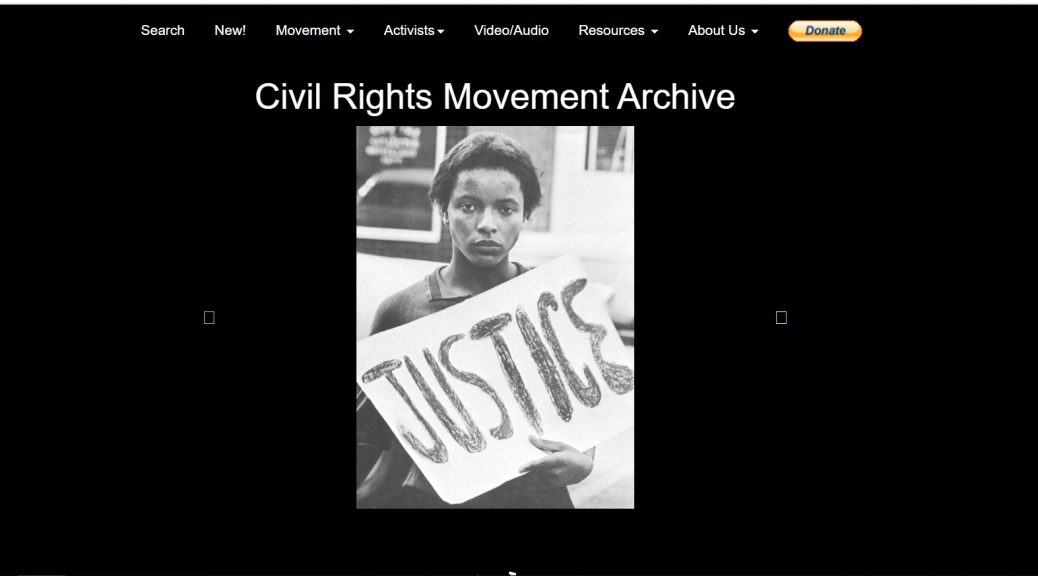
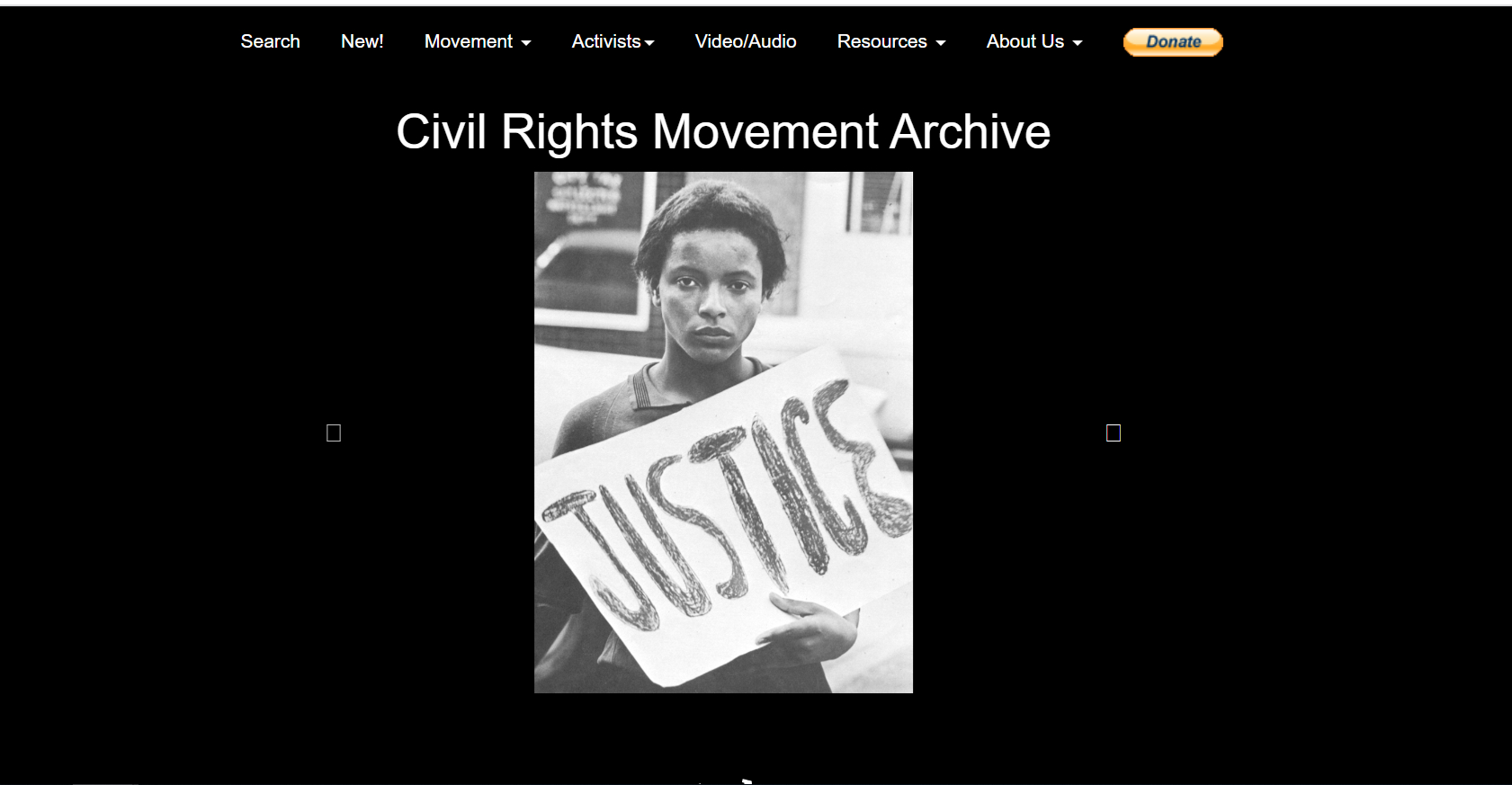
Duke University Libraries is pleased to announce the signing of a Memorandum of Understanding with the Civil Rights Movement Archive (CRMA) that designates the Duke Libraries as the stewards who will preserve and sustain the CRMA when the current managers are no longer able to carry the work forward. The Civil Rights Movement Archive is accessible at www.crmvet.org and was established by the Bay Area Veterans of the Civil Rights Movement in 1999 as a web-based platform that is an active social network for movement veterans and a primary resource for those interested in the history of the Civil Rights Movement from the 1950s-1960s. The site is populated by a roll call, reflections, documents and images all contributed by movement participants. There are also teaching resources and bibliographic sources designed to assist visitors with teaching and understanding this period. The CRMA recently launched a CRMA Video Channel on Vimeo to provide videos created by Freedom Movement veterans (or their immediate families). The site is visited by nearly 350,000 visitors annually, peaking during the school year, proving the value of the site as a research destination.

CRMA Homepage
CRMA Homepage

The John Hope Franklin Research Center will be the curatorial home for the CRMA. This partnership with CRMA is part of the Center’s commitment to preserving the history of grassroots organizing.  The Franklin Research Center is a partner in the Movement History Initiative and also stewards the SNCC Digital Gateway.

Under the terms of the MOU, Duke Libraries is committed to maintaining the site as a free source of Freedom Movement materials and information that is open to all with no paywall, commercial advertising, login requirements or subscription to continue documenting the Civil Rights Movement from /up-from-the-bottom/ and /inside-out/ perspectives and viewpoints.

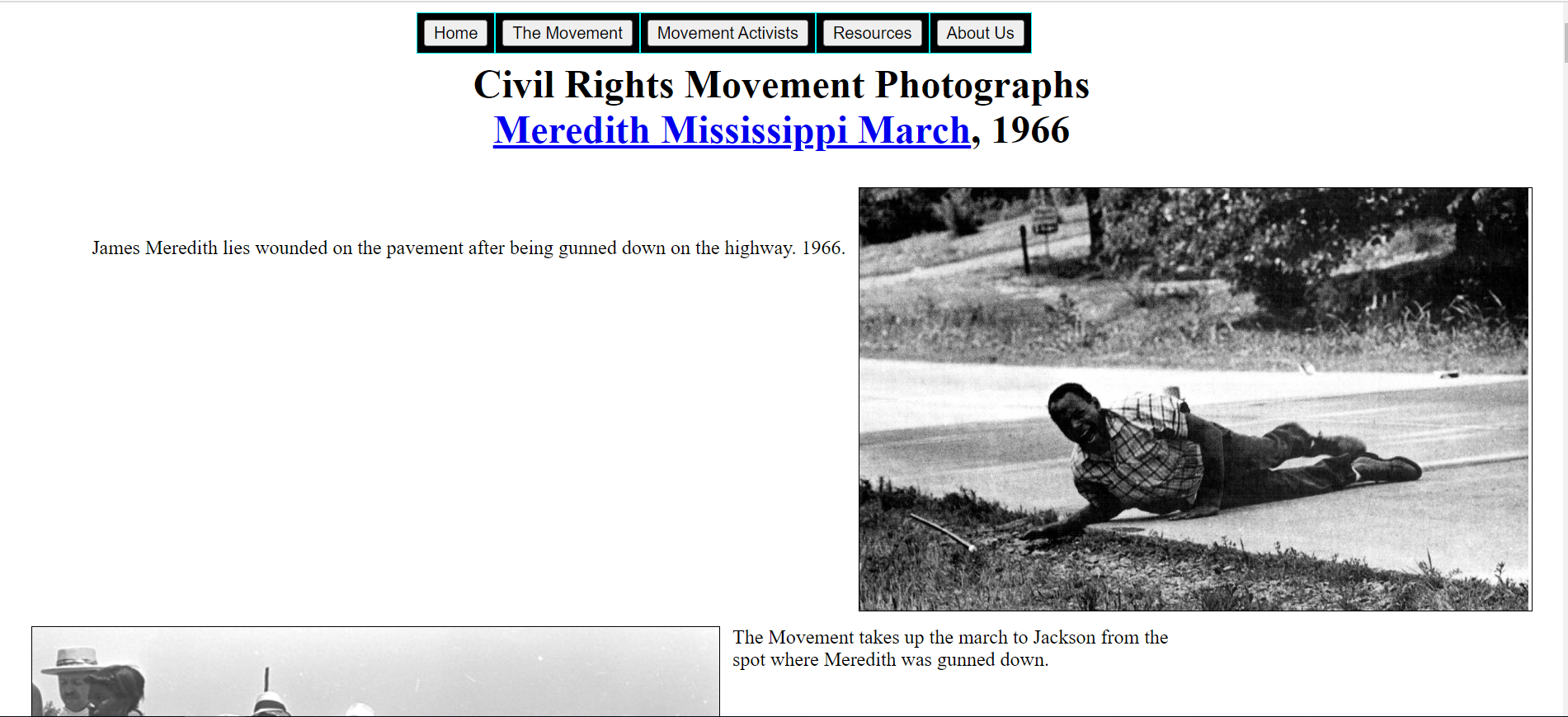
CRMA Movement Photography

Welcome April Blevins!

We recently welcomed April Blevins as a new staff member in the Rubenstein Library’s Technical Services department! We asked April a few questions to help us—and you—get to know her a little better.

Tell us a little bit about your new job at the Rubenstein Library.

As a Technical Services Archivist for the University Archives, I primarily work on processing and arranging collections that a part of the University Archives. Part of my responsibilities include surveying the collection, rehousing and arranging the collection, and creating a finding aid and catalog record for the materials.

Do you have a favorite collection/material type to work with? Tell us why (or why not!).

I do not really have a favorite type of material to work with, but I often enjoy working with correspondence. As handwritten records, the content of these types of materials can be extremely valuable, making them great sources of information. I find it intriguing to read what someone considered important or worth writing about to others and how people communicate. Correspondence can also provide a view into the thoughts and life of the creator while also telling us about what is happening in the world in which the creator lives and, even, how they were impacted by these events.

Tell us about your PhD research.

My research focuses on the documentation strategies and collection origins of African American archives, particularly at HBCUs. The study aims to understand how the institutions documented the involvement of students and faculty in activism pertaining to the Black freedom movement.

What are you most looking forward to in your new job and in Durham?

In my position as Technical Services Archivist, I am most looking forward to working with the collections and learning more about the history of Duke University and the people that are a part of the Duke community. I have always had an interest in institutional memory and how institutions have developed their methods of collecting overtime, especially now with more institutions working towards inclusive collecting practices and reparative descriptions. Being back in Durham is quite interesting as so much has changed since I graduated from North Carolina Central University and moved to Tennessee several years ago. I am most looking forward to refamiliarizing myself with the city of Durham and exploring more of North Carolina.

Tell us something unique about yourself.

On a study abroad trip to Italy, I had the opportunity to go on an impromptu hike up the side of Mt. Vesuvius. Because it was an impulsive decision, I was not wearing the proper shoes and so the trek up was not the most comfortable. However, the gorgeous view from the top made it worth it!

Announcing our 2022-2023 Travel Grant Recipients

The Rubenstein Rare Book & Manuscript Library is pleased to announce the recipients of the 2022-2023 travel grants. Our research centers annually award travel grants to students, scholars, and independent researchers through a competitive application process. We extend a warm congratulations to this year’s awardees. We look forward to meeting and working with you!

Archive of Documentary Arts

Rebecca Bengal, Independent Researcher, “‘Bad Roads Ruin Even the Best of Cars’: William Gedney’s Kentucky.”

Alexandra Le Faou, Independent Researcher, “James H. Karales European Exhibition.”

Sallie Bingham Center for Women’s History and Culture (Mary Lily Research Grants)

Brianna Anderson, Ph.D. candidate, Department of English, University of Florida, “‘A Smidgeon of Ecofeminism’: Envisioning Environmental Issues and Activism in Women’s Zines.”

Rachel Corbman, Faculty, Mount Holyoke College, “Conferencing on the Edge: A Queer History of Feminist Field Formation, 1969-1989.”

Benjamin Holtzman, Faculty, Lehman College, “’Smash the Klan’: Fighting the White Power Movement in the Late Twentieth Century.”

Cindy Lima, Ph.D. candidate, Northwestern University, “Transnational Latinas: A Twentieth Century History of Latina Politics.”

Molli Spalter, Ph.D. candidate, Department of English, Wayne State University, “”Feeling Wrong and Feeling Wronged: Radical Feminism and ‘Feeling Work’.”

Emily Hunt, Ph.D. candidate, Emily Hunt, Georgia State University, “‘We are a Gentle Angry People and We are Singing for Our Lives’: A Story of Women’s Music, 1975-1995.”

Felicity Palma, Faculty, Department of Film and Media Studies, University of Pittsburgh, “of flesh and feelings and light and shadows.” (Grant sponsored jointly with the Archive of Documentary Arts.)

Lara Vapnek, Faculty, Department of History, St. John’s University, “Mothers, Milk, and Money: A History of Infant Feeding in the United States.” (Grant sponsored jointly with the John W. Hartman Center for Sales, Advertising, and Marketing History.)

John Hope Franklin Center for African and African American History and Culture

William Billups, Ph.D. candidate, Department of History, Emory University, “”Reign of Terror”: Anti-Civil Rights Terrorism in the United States, 1955-1976.”

Thomas Cryer, Ph.D. candidate, Institute of the Americas, University College London, “’Walking the Tightrope’: John Hope Franklin and the Dilemmas of African American History in Action.”

Mikayla Harden, Ph.D. candidate, Department of History, University of Delaware, “Remnants: Captive African Children in the Black Atlantic World.”

Frances O’Shaughnessy, Ph.D. candidate, University of Washington, “Black Revolution on the Sea Islands: Empire, Property, and the Emancipation of Humanity.”

Emily Tran, Ph.D. candidate, University of Wisconsin-Madison, “American Reckonings: Confronting and Repressing the Racist Past and Present, 1968-1998.”

Evan Wade, Ph.D. candidate, Department of History, University of Connecticut,” Henrietta Vinton Davis: From Teacher to Black Nationalist– an examination of a Black Woman’s Politics.”

Elizabeth Patton, Faculty, Department of Media and Communication Studies, University of Maryland Baltimore County, “Representation as a Form of Resistance: Documenting African American Spaces of Leisure during the Jim Crow Era.” (Grant sponsored jointly with the John W. Hartman Center for Sales, Advertising, and Marketing History.)

Harry H. Harkins T’73 Travel Grants for Lesbian, Gay, Bisexual, and Transgender History

Mori Reithmayr, Ph.D. candidate, University of Oxford, “Community Before Liberation: Theorizing Gay Resistance in San Francisco, 1953-1969.”

Cathleen Rhodes, Faculty, Department of Women’s Studies, Old Dominion University, “Touring Tidewater: An Immersive Virtual Walking Tour of Southeastern Virginia’s Queer History.”

John W. Hartman Center for Sales, Advertising, and Marketing History (John Furr Fellowship)

Jennifer Hessler, Faculty, Department of Media, Journalism, and Film, University of Huddersfield, “Television Ratings: From Audimeter to Big Data.”

Conrad Jacober, Ph.D. candidate, Department of Sociology, Johns Hopkins University, “Debt Prophets: American Bankers and the Origins of Financialization.”

Jeannette Strickland, Independent Researcher, “Lever Brothers Advertising and Marketing, 1900-1930, in the J. Walter Thompson Archives.”

John W. Hartman Center for Sales, Advertising, and Marketing History (Alvin Achenbaum Travel Grants)

Anne Garner, Ph.D. candidate, Department of History and Culture, Drew University, “Recovering Throwaway Histories: Patent Medicine, Black Americans and the Blues in the Postbellum Piedmont.”

Rachel Plotnick, Faculty, Department of Cinema & Media Studies, Indiana University Bloomington, “License to Spill: Where Dry Devices Meet Liquid Lives.”

Elizabeth Patton, Faculty, Department of Media and Communication Studies, University of Maryland Baltimore County, “Representation as a Form of Resistance: Documenting African American Spaces of Leisure during the Jim Crow Era.” (Grant sponsored jointly with the John Hope Franklin Center for African and African American History and Culture.)

Lara Vapnek, Faculty, Department of History, St. John’s University, “Mothers, Milk, and Money: A History of Infant Feeding in the United States.” (Grant sponsored jointly with the Sallie Bingham Center for Women’s History and Culture.)

History of Medicine Collections

Jessica Dandona, Faculty, Minneapolis College of Art and Design, “Skeletons in the Drawing Room: Popular Consumption of Flap Anatomies, 1880-1900.”

Jeremy Montgomery, Ph.D. candidate, Department of History, Mississippi State University, “‘Look To Your Map’: Medical Distinctiveness and the United States, 1800-1860.”

Haleigh Yaspan, Master’s candidate, School of Medicine and Dentistry, University of Rochester, “Forceps, Women’s Rights, and Professional Turf War: Pregnancy and Childbirth in the United States, 1914-1962.”

Human Rights Archive

Molly Carlin, Ph.D. candidate, School of Media, Arts and Humanities, University of Sussex, “How to Jail a Revolution: Theorising the Penal Suppression of American Political Voices, 1964-2022.”

Tyler Goldberger, Ph.D. candidate, Department of History, College of William & Mary, “”Generalísimo Franco is Still Alive!”: Transnational Human Rights and the Anti-Fascist Narrativization of the Spanish Civil War and Francisco Franco Dictatorship within the United States, 1936-Present.”

Thomas Maggiola, Master’s candidate, Department of Latin American Studies and History, University of California San Diego, “Guatemala’s Transnational Civil War, 1970-1996.”

Eve Kosofsky Sedgwick Research Travel Grants

Jennifer Doyle, Faculty, University of California Riverside, “Alethurgy’s Shadows: Harassment, Paranoia, and Grief.”

Annie Sansonetti, Ph.D. candidate, Department of Performance Studies, New York University, “Feminine Boyhood and Trans Girlhood Onstage.”

Post compiled by Roshan Panjwani, Staff Assistant, Rubenstein Library

Writing and Talking about Memoir: a Conversation with Sallie Bingham

Date: Thursday, June 9, 2022
Time: 2:00 p.m.
Location: Zoom
Register: https://duke.is/cm8ce

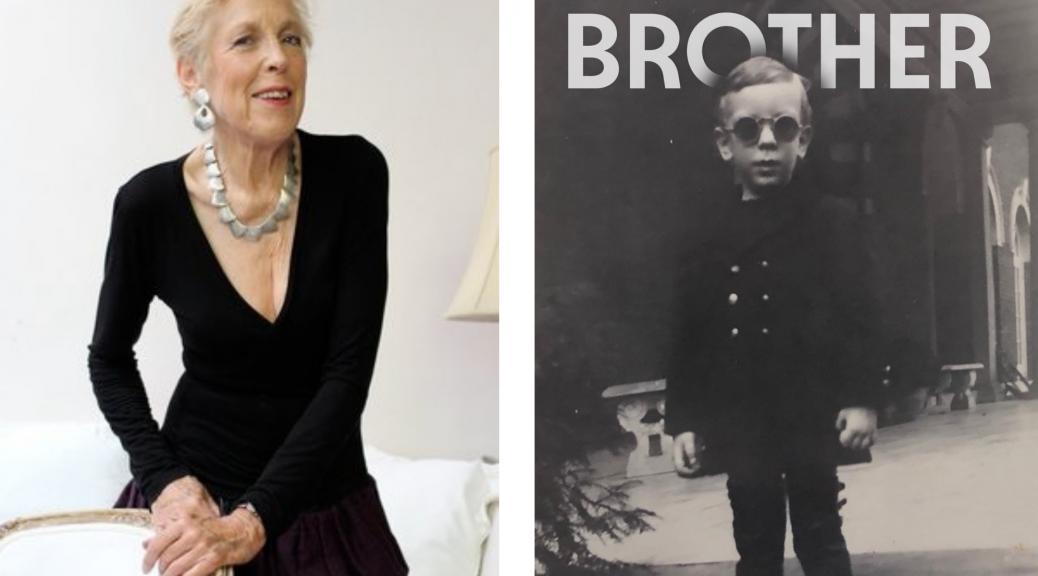
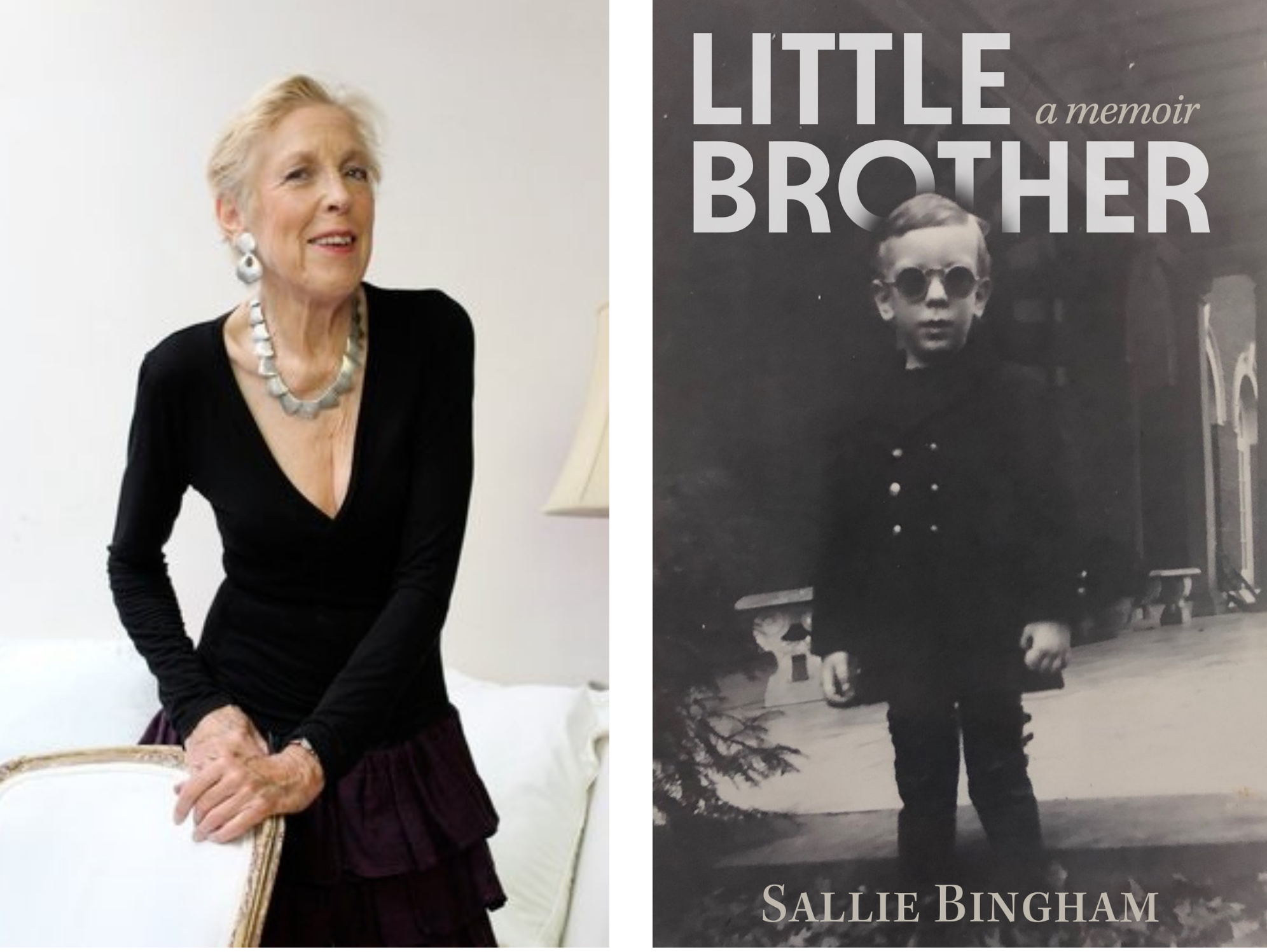
Join us for a zoom-based reading and conversation with author Sallie Bingham on Thursday, June 9, at 2:00 p.m. ET (Register here: https://duke.is/cm8ce). In her latest memoir, Little Brother, Bingham reflects on her youngest sibling, Jonathan, a deeply sensitive person who suffered from insecurity, isolation, and difficulty relating to his large family. Bingham draws from archived material including the young man’s journal and letters. As in each of her previous memoirs, in addition to bringing these documents to life she offers critical historical context and makes vital connections across generations to create an intimate portrait of her complex family.Sallie Bingham is a writer, teacher, feminist activist, and philanthropist. In addition to Little Brother, Sallie’s recent books include a collection of short stories, a novella, and a play, entitled Treason: A Sallie Bingham Reader (Sarabande Books, 2020) and The Silver Swan: Searching for Doris Duke (Farrar, Straus and Giroux, 2020).

In 1988, Sallie Bingham endowed a women’s studies archivist position in what is now known as the Rubenstein Rare Book and Manuscript Library, to coordinate the acquisition, cataloguing, reference and outreach activities related to women and gender. The Center was permanently endowed in 1993 and was named the “Sallie Bingham Center for Women’s History and Culture” in 1999 in honor of Bingham.

This program will be recorded and shared online. Pre-order the book from Sarabande Books.

Preserving Duke’s Photographic History

Post contributed by Rachael Brittain, Harry H. Harkins, Jr. Intern for the Duke Centennial at the Duke University Archives.

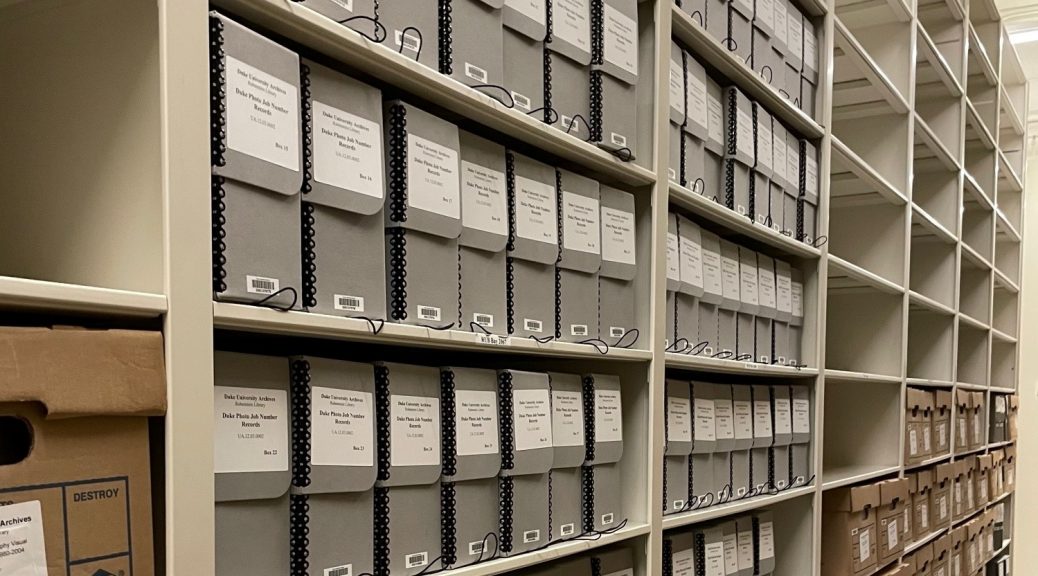
As the Harry Harkins Intern, I have been working with the Duke Photography collection to rehouse materials; assist on reference questions; create timestamps for archival films; and help identify collections at Duke related to its early history. My primary focus has been the Duke Photography Job Numbers Collection. which contains original photographs taken by Duke Photography from 1960 until 2018.

Capturing unique images and perspectives of Duke University as well as operating as a hired service to photograph faculty, staff, and student headshots, Duke Photography was present at many major university events, including basketball, lacrosse, football, and other athletics; visiting lecturers and guest speakers; building construction and grand openings; campus scenes, and other aspects of campus life at Duke. The time frame that Duke Photography was active means that there is a mix of analog and digital files, switching to primarily digital in the early 2000s.

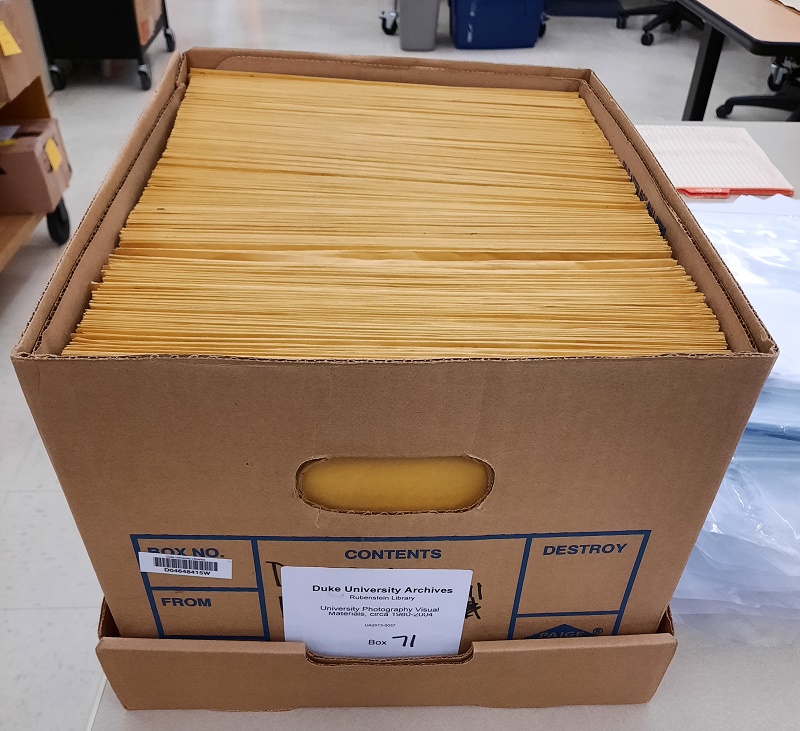
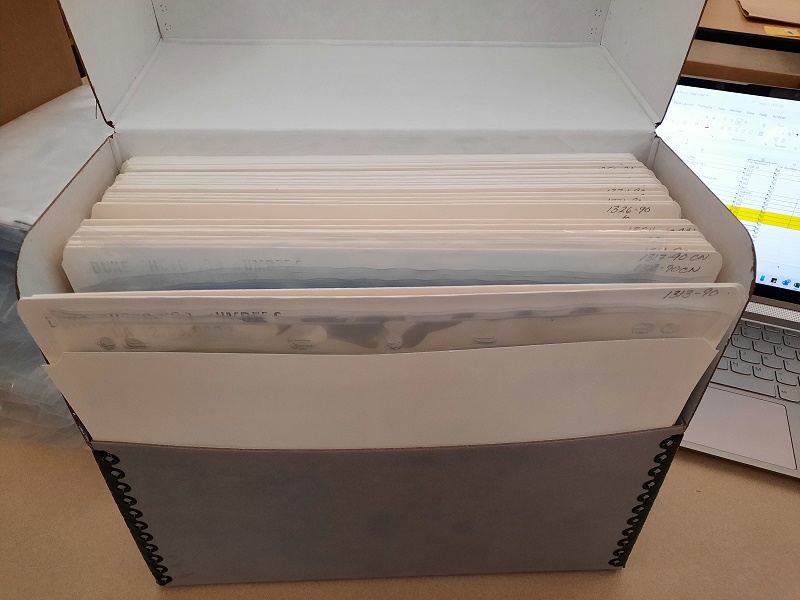
An open, brown Paige box contains a few hundred manila envelopes.
The Duke Photography Job Numbers Collection before processing. Look at all those manila envelopes!

As the University prepares for the 2024 Duke Centennial, we wanted to make sure our photograph collections were as accessible as possible. The years between 1988 and 1994 have presented a unique challenge as many of the images are stored in old manila envelopes, some of which are missing. The manila envelopes are a less than ideal way of storing photographs and negatives due to the amount of acid present in the envelopes. Eventually, this would cause the images to yellow. The items stored in these envelopes must be rehoused into safer, archival materials. Across 28 boxes and over 11,000 manila envelopes, I have found 35 mm, 120 mm, 4 x 5″ negatives, contact sheets, prints, and occasionally slide film.

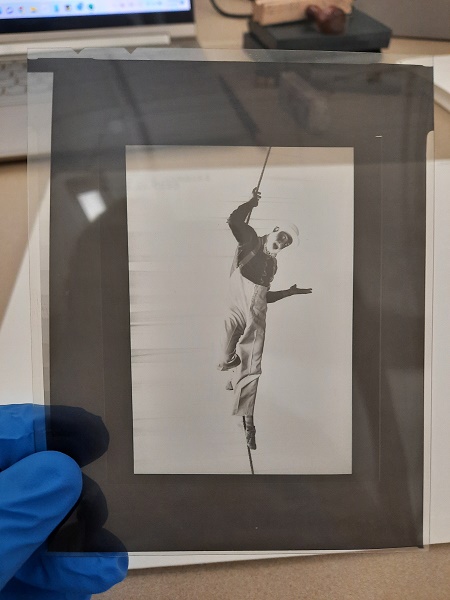
A blue-gloved hand holds a vertically-oriented 4 x 5" negative in a plastic sleeve. The negative shows performer Avner the Eccentric climbing a rope. He is wearing a costume of high-waisted pants with suspenders and a bowler hat.
A negative of Avner the Eccentric performing at Duke in 1990.

The variety of materials used by the photographers largely depended on the purpose and printing needs of the subjects. 35 mm film, both black and white and color, was standard for most events due to its ease of use and availability. 120 mm film, also in black and white and color, produced a larger negative allowing the photographers to print larger, with greater detail, and with less film grain (a granular texture that is left on film when over enlarged). 4 x 5” negatives created an even larger negative and were frequently used to make copies of images. Once an image was printed from 35- or 120-mm film and corrected properly, it was faster for photographers to photograph the final image and print from the new negative, creating a copy negative, these make it faster and easier for an image to be reprinted at different sizes and at a consistent quality.

Negatives need to be stored in specialized plastic sleeves to keep them organized, protect them from fingerprints, dust, and getting scratched, all of which would permanently damage the images and make future use more difficult. Contact sheets—which were created by laying an entire roll of film across a page and helped the photographers to get a quick glance at what photos were on the roll of film and determine which they wanted to print—are being transferred to acid free folders. When more than one page or print is in an envelope, plastic sleeves are used to keep them separated and prevent scratches. This will also make it easier for future researchers and library staff to use the folders without having to use gloves to handle the materials. The Duke University photographers would make contact prints and send them to the different Duke departments so the subjects themselves could select which images they wanted printed.

As I’ve processed the collection, I’ve noted that not every envelope contains prints, as the prints were usually sent off to whichever department requested them. However, there are occasionally black and white prints, done in-house by Duke as well as envelopes full of 3.5 x 5” color prints that came from specialized color printing labs. Occasionally, there are notes left in with the photos, stating who is in each frame, what the event was for, letters requesting images, and notes scribbled on the back of event programs. By capturing events, staff, and students, this collection provides visual documentation of Duke’s recent history and will be made accessible through improved storage and descriptions.

An open gray Hollinger box shows around 30 white paperboard folders, each containing photographic material sleeved in clear plastic.
After processing: the work of Duke photographers, stored in archival sleeving and folders.

“What, Me Worry?”: The Nick Meglin Papers at the Rubenstein Library
Post contributed by Elliot Mamet, Ph.D. Candidate in Political Science at Duke and Archival Processing Intern at the Rubenstein Library.

The papers of Nick Meglin, longtime editor of MAD Magazine, are now available and open for research at the Rubenstein Library.

Meglin was affiliated with MAD Magazine for decades. As a newly-minted graduate of the School of Visual Arts, Meglin was hired at MAD Magazine in 1956. Over the course of his life he held various titles at MAD, including Idea Man, War Correspondent, Associate Editor, Tennis Editor, Co-Editor, and, upon his retirement in 2004, Contributing Editor. Meglin played a central role in shaping MAD’s editorial voice and recruiting artists to join the “Usual Gang of Idiots.”

The Nick Meglin Papers include extensive material which convey how MAD Magazine was edited and produced, such as layout art, ideas for features, inside jokes between editors, parodies, celebrity correspondence, and detailed accounts of the yearly MAD staff trips. One folder, “Horrifying Cliches,” includes “a freak accident,” “a flaming passion,” “a blessing in disguise,” “a gross understatement,” and “a bloodless coup,” among others.[1] Another folder, Typewritoons, chronicles a 1965 reader contest to generate cartoons from the script of a typewriter.[2]

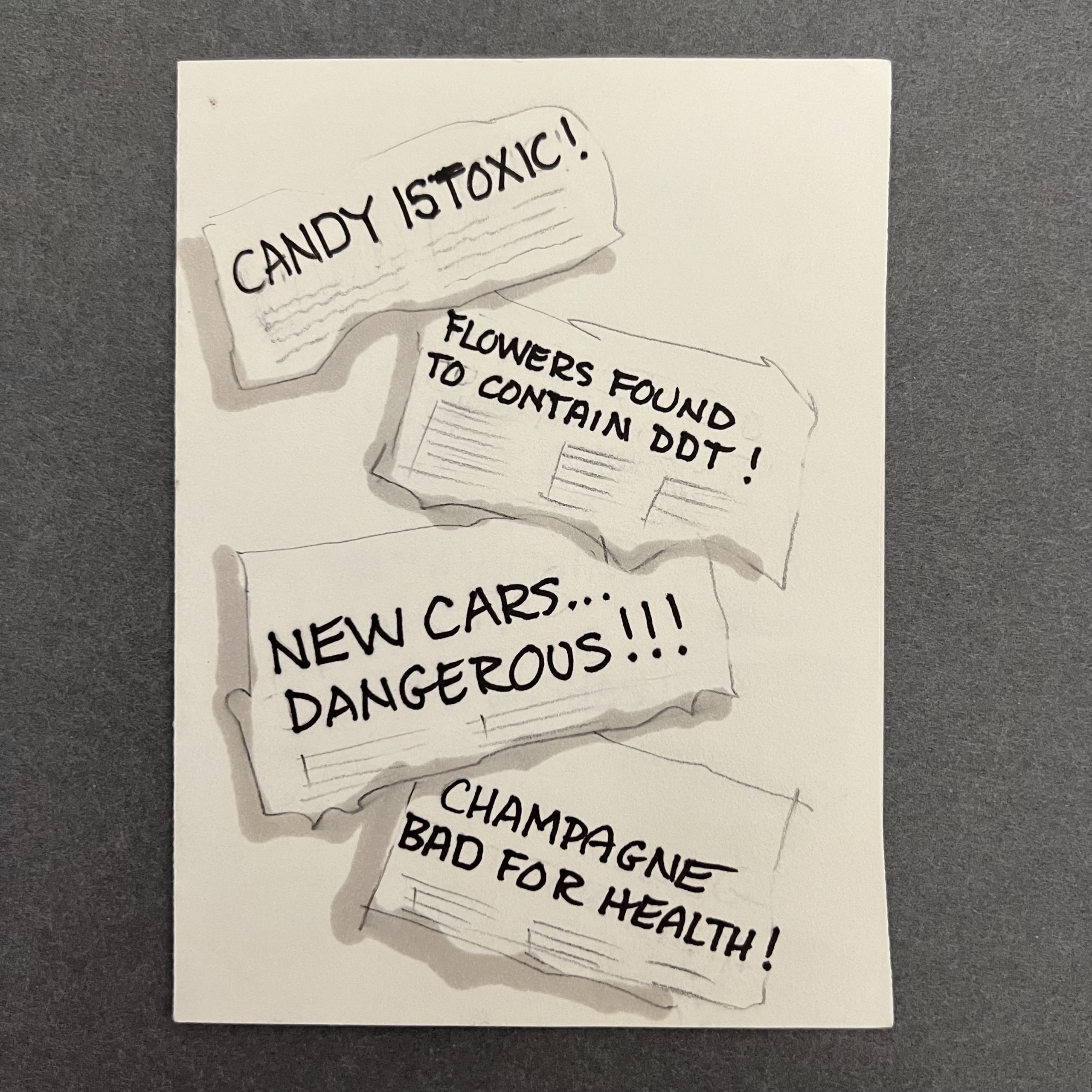
Meglin’s creative pursuits expanded far beyond MAD Magazine, and the Nick Meglin Papers gives a sense of his enormous output. The collection includes Meglin’s illustrations, many of his essays, song lyrics, and two musicals he wrote, Tim and Scrooge and Grumpy Old Men. It also includes Nick’s greeting card ideas, some of which he sold, including “See, I didn’t forget the occasion!… only the date! Sorry I’m late…” and “happy birthday to the best looking, brightest, and most talented person in the world…me!”[3]

The front of a greeting card created by Meglin. It features hand-drawn newspaper headlines such as "Candy is toxic," "Flowers found to contain DDT," "New cars...dangerous," and "Champagne bad for health!"
A greeting card designed by Meglin.
The inside of the greeting card designed by Meglin. Text reads "I love you too much to send anything but good wishes!"
The inside of Meglin’s greeting card.

Upon his 2004 retirement, Meglin moved to Durham. While living here, he volunteered for WCPE, creating 84 original sketches of composers and musicians, he taught illustration, and he formed a “usual suspects” lunch club of fellow illustrators and creatives. It is exciting for researchers to be able to access the papers of Nick Meglin at the Rubenstein Library, and to learn more about the colorful life and career of Nick Meglin, who was an illustrator, cartoonist, art instructor, essayist, lyricist, writer of musicals – and always a humorist, too.


[1] Horrifying Cliches, 1971. Box 1, MAD Magazine Series, Editorial and Administrative Files Subseries. In the Nick Meglin Papers, David M. Rubenstein Rare Book & Manuscript Library, Duke University.

[2] Typewritoons. Box 2, MAD Magazine Series, Editorial and Administrative Files Subseries. In the Nick Meglin Papers, David M. Rubenstein Rare Book & Manuscript Library, Duke University.

[3] Greeting Card Ideas. Box 8, Other Professional Materials Series, Other Projects Subseries. In the Nick Meglin Papers, David M. Rubenstein Rare Book & Manuscript Library, Duke University.

Meet Roger Peña, Trent History of Medicine Intern

Post contributed by Roger Peña, Trent History of Medicine Intern for 2021-2022, and Rachel Ingold, Curator of the History of Medicine Collections.

Roger Peña, wearing a dark blue shirt, stands in front of an exhibit display case. A green sign hanging behind him reads "Good Vibrations: A Look at the Golden Age of Electroshock Therapy."
Roger Peña, Trent History of Medicine Intern, stands by the exhibit “Good Vibrations” that he curated.

Tell us a bit about yourself.

I’m Roger, and I grew up in the Boston area. I attended Syracuse University as an undergraduate and earned a Master’s degree in education at Lesley University in Massachusetts. I moved down to North Carolina in 2013 and have served as an educator in private and public schools. I’m currently in my last year at UNC Greensboro’s MLIS program with a specialization in special collections and archives.

My wife and I have two children—ages 3 and 2 months—and we live in Durham. I love all things history and our house is filled with books and magazines related to several historic topics. I really love to cook and try new recipes. We are HUGE Boston sports fans so you will usually find us watching one of my sports teams on TV.

What interests you in working in a library setting, specifically in the History of Medicine Collections?

I’m 35 and a career changer. I had always thought about going back to school to earn an MLIS but never thought I had the time. The COVID-19 pandemic, school closures, and having some extra time to think about career goals rekindled my interest in earning my degree. I’ve always wanted to work in special collections and archives and hope to continue this work after graduation.

As a teenager, I “lived” at libraries and museums in my hometown of Boston. I love studying all things history and being able to handle old artifacts and primary sources—holding history in my hand! I’m that person at museums and historic sites asking questions, trying to touch everything and reading as many labels as possible. Being a history teacher, sharing stories of the past, and having students research and explore topics that interest them has always been important to me.

I love reading, instruction and all things history so I jumped at the chance to work at the Rubenstein Library. The history of medicine is always present when studying other historic topics and the History of Medicine (HoM) collection encompasses that. Even after months as the HoM intern, I’m still blown away by how vast and diverse the History of Medicine collection is and how much it has to offer. I’ve been able to hold manuscripts, artifacts, and books that are centuries old. There’s a special feeling when you pick up these resources; and you can’t help but feel a connection to the past and the individuals who used or created these materials.

The Josiah C. Trent HoM Internship has allowed me to explore the research aspect of special collections; and  I’ve also been able to create and plan exhibits, helped with reference services and  instructional support, and collaborated with other collections at the Rubenstein Library! It’s been a fantastic learning experience.

Can you share a memorable experience from your internship?

It’s really hard to choose just one memorable experience. I’ve enjoyed getting to know other Rubenstein Library staff and meeting researchers from across the world. Walking into the stacks makes me feel right at home and I always have to take a step back and appreciate how special the collection is. Being able to immerse yourself with the material and learning the ins and outs of academic libraries has been especially rewarding.
Participating and helping to coordinate Anatomy Day and researching and curating physical and online exhibits, like Good Vibrations, have been just a few of my favorite moments. Helping with instructional support is always fun as I was able to combine my past experience as an educator and help students interact with primary sources. It’s always fun to see a student’s reaction when something has caught their interest.

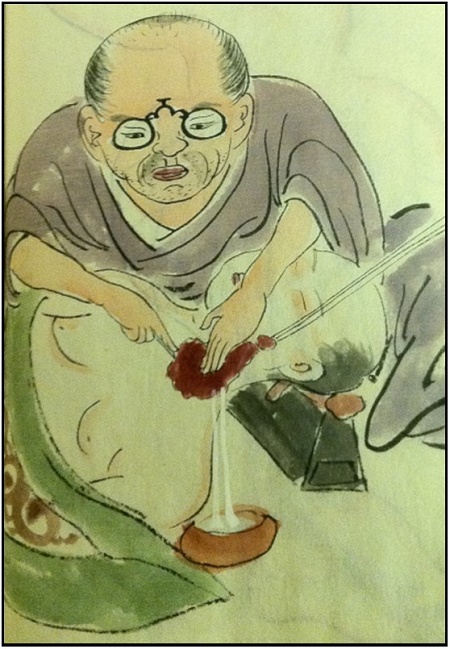
Hand colored illustration from Shunrinken kasho in the Japanese medical manuscript notebooks collection. The illustration shows a doctor in gray clothing tending to a wound in a patient's neck.
Hand colored illustration from Shunrinken kasho in the Japanese medical manuscript notebooks collection.

Do you have a favorite item you would like to share?

Again, hard to choose just one. The anatomical flap books and the Four Seasons are quite a sight to see and exemplify how people have always had a curiosity to touch and personally interact with materials. I really loved the East Asian medical books featured at Anatomy Day: Shunrinken kasho (Shunrinken school family book) from the Japanese medical manuscripts notebooks and Shinkan Geka Seisō 新刊外科正宗. The illustrations in these books are phenomenal.

The amputation set from the mid-19th century has probably been the item I spent the most time with. It’s one of those artifacts that you can’t help but want to learn more about. Being a student of American history and an aficionado of learning about the Civil War, the amputation set from the mid 19th century called my name. I first came across the saw when I was assisting Dr. Jeff Baker and Brooke Guthrie with a History of Surgery class and Dr. Baker asked me if I could handle student questions related to Civil War medicine – which I was more than happy to do!

I was fortunate enough to have a blog post published on The Devil’s Tale and Duke Daily where I was able to investigate the history of the saw and its origins. Holding the amputation saw in your hand,  you can easily imagine a world where physicians grappled with decisions regarding the need for an amputation and  the thousands of soldiers whose lives were forever changed by the war and surgical procedure. It was an eye-opening experience and allowed me to explore the unique but very complicated role that North Carolina played in the Civil War.


Work and Love are Impossible to Tell Apart: The Eve Kosofsky Sedgwick Papers

Post contributed by Laura Micham, Director, Sallie Bingham Center for Women’s History and Culture and Curator

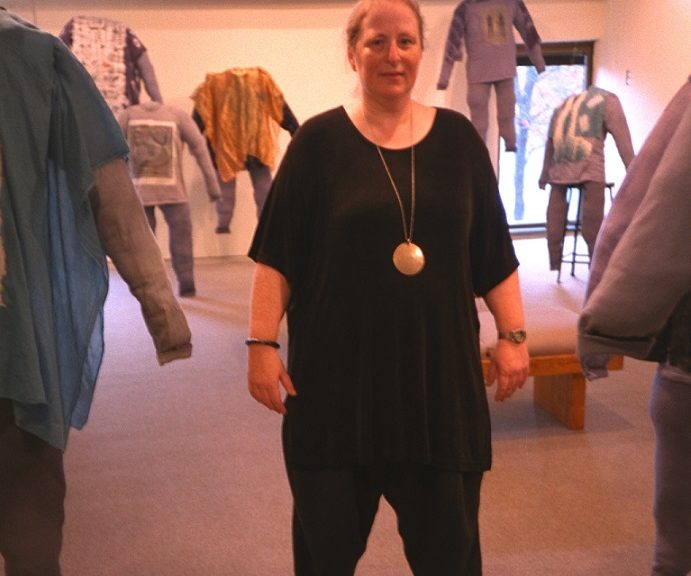
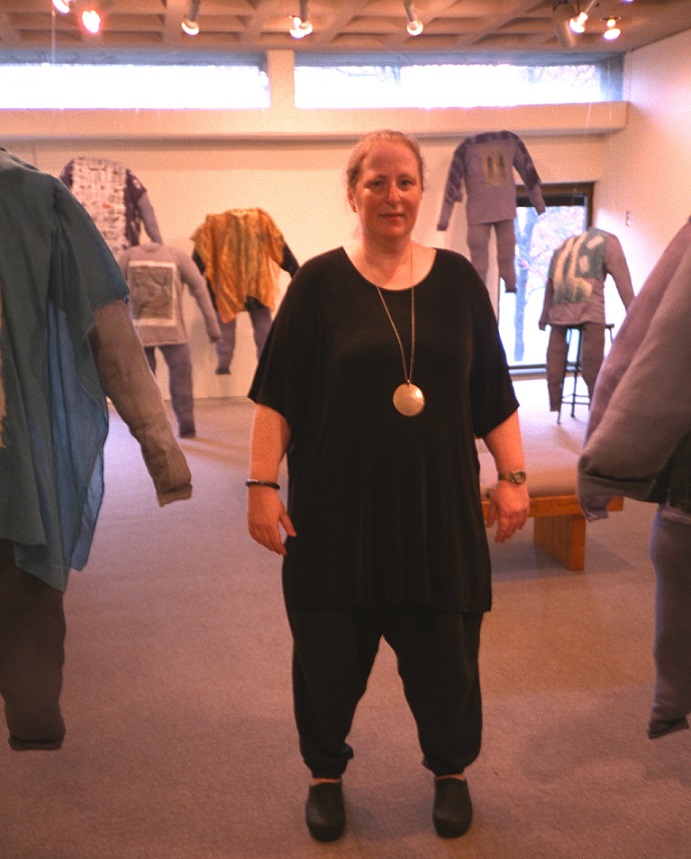
Photograph of Eve Kosofsky Sedgwick. She is wearing a black top and pants, with a gold necklace with a large pendant. She is standing in a gallery that features fabric sculptures in the shape of bodies without heads, arms, or feet.
Eve Kosofsky Sedgwick at an exhibition of her artwork titled “In the Bardo,” at Stony Brook University, The State University of New York, 1999. Photographed by H.A. Sedgwick.

The Sallie Bingham Center for Women’s History and Culture is pleased to announce that the Eve Kosofsky Sedgwick Papers are now available and open for research. Sedgwick (1950-2009) was a poet, artist, literary critic, and teacher. As a faculty member in the English Department at Duke from 1988-1997, her work helped establish this institution as an intellectual leader in the critical study of sexuality.

Sedgwick is best known as one of the founders of the field of Queer Theory, a field of critical theory that emerged in the early 1990s. Her call for reparative work and for reading practices grounded in affect and performance have transformed our understandings of intimacy, identity, and politics. She published several groundbreaking books such as Between Men: English Literature and Male Homosocial Desire (1985), Epistemology of the Closet (1990), and Tendencies (1993). Her works and her collection reflect an interest in a range of issues including queer performativity; experimental critical writing; the works of Marcel Proust; non-Lacanian psychoanalysis; artists’ books; Buddhism and pedagogy; and material culture, especially textiles and texture.

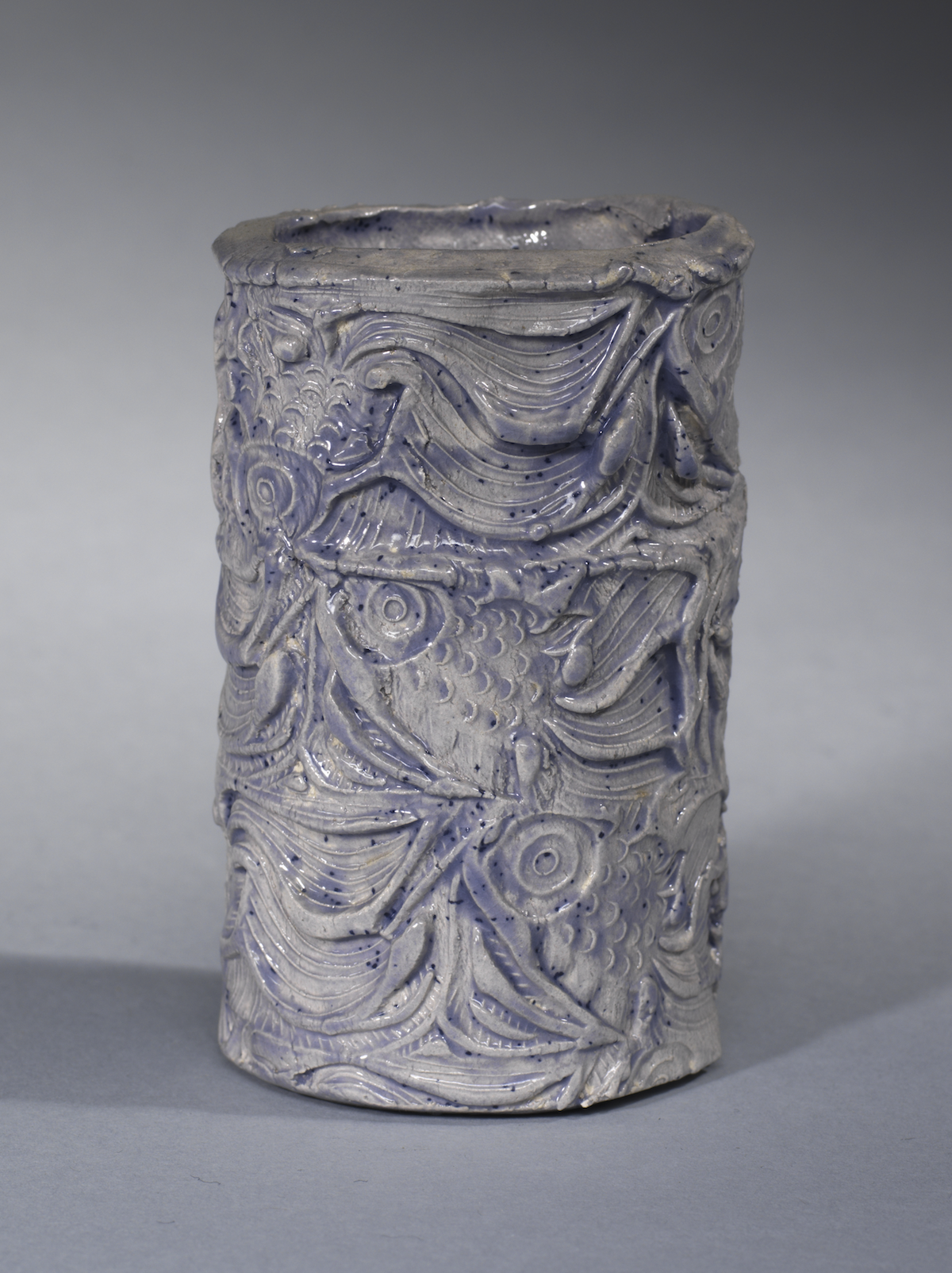
handmade purple vase, white with some purple accents.
Hand-built purple ceramic vessel by Eve Kosofsky Sedgwick, ca. 2001. Photographed by Kevin Ryan.

The Eve Kosofsky Sedgwick Papers are comprised of 130 linear feet of materials that document Sedgwick’s scholarly career, her artistic expression, and her personal life. Researchers will find Sedgwick’s writings and speeches as well as the writings of others; her notebooks and calendars; research, teaching, and activism files; event and travel files; correspondence, photographs, and memorabilia; legal, medical, and financial materials; and books and other published material. The collection also includes Sedgwick’s art such as works on paper, textile, clay, glass, ceramic, and other works which are currently being carefully housed by our conservation department.

The Eve Kosofsky Sedgwick Papers join an extensive body of collections documenting the work of theorists, poets, and writers such as Kathy Acker, Dorothy Allison, Ann Barr Snitow, Chris Kraus, Kate Millett, Robin Morgan, Minnie Bruce Pratt, Alix Kates Shulman, and Meredith Tax.

In order to facilitate the use of the collection, the Eve Kosofsky Sedgwick Foundation is generously funding research travel grants. In addition to supporting academic research aimed at producing publications and dissertations, the Eve Kosofsky Sedgwick Grants will support a wide range of other creative projects such as educational initiatives, exhibitions, films, multimedia products, and other artistic works. The grants are administered by the Sallie Bingham Center for Women’s History and Culture. The deadline for the first grant cycle is April 30, 2022. For more information please visit our Grants and Fellowships site.

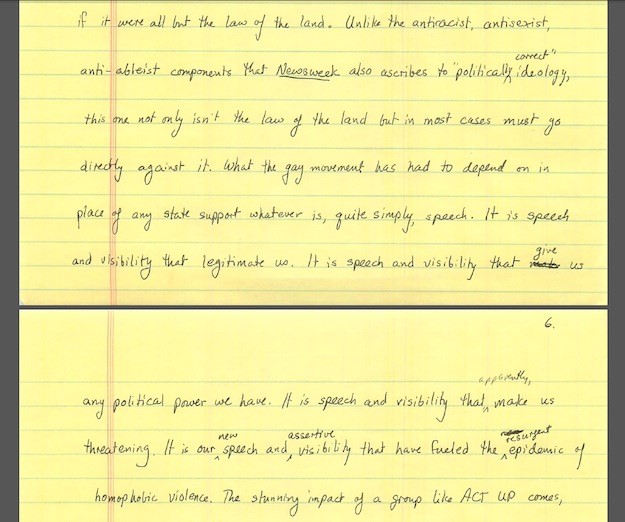
Excerpt of a handwritten draft written on yellow legal pad.
“It is speech and visibility that give us any political power we have. It is speech and visibility that apparently make us threatening.” Detail from a manuscript essay by Eve Kosofsky Sedgwick that was published in 2014 with the title, “Censorship & Homophobia,” by Gullotine, New York, NY. The publisher, printer, and binder, Sarah McCarry, discovered the manuscript during her work helping to prepare the collection to come to Duke.

It is truly thrilling to us in the Rubenstein Library, as well as to faculty across the university, that Eve Kosofsky Sedgwick’s papers have come back to Duke. During her time here she left an indelible mark on our community and her work continues to have a significant effect in shaping the lives and thought of many people.

What I’m proudest of, I guess, is having a life where work and love are impossible to tell apart.
– Eve Kosofsky Sedgwick

Good Vibrations!

Post contributed by Roger Peña, MLIS Student at UNC Greensboro and Josiah Charles Trent History of Medicine Intern

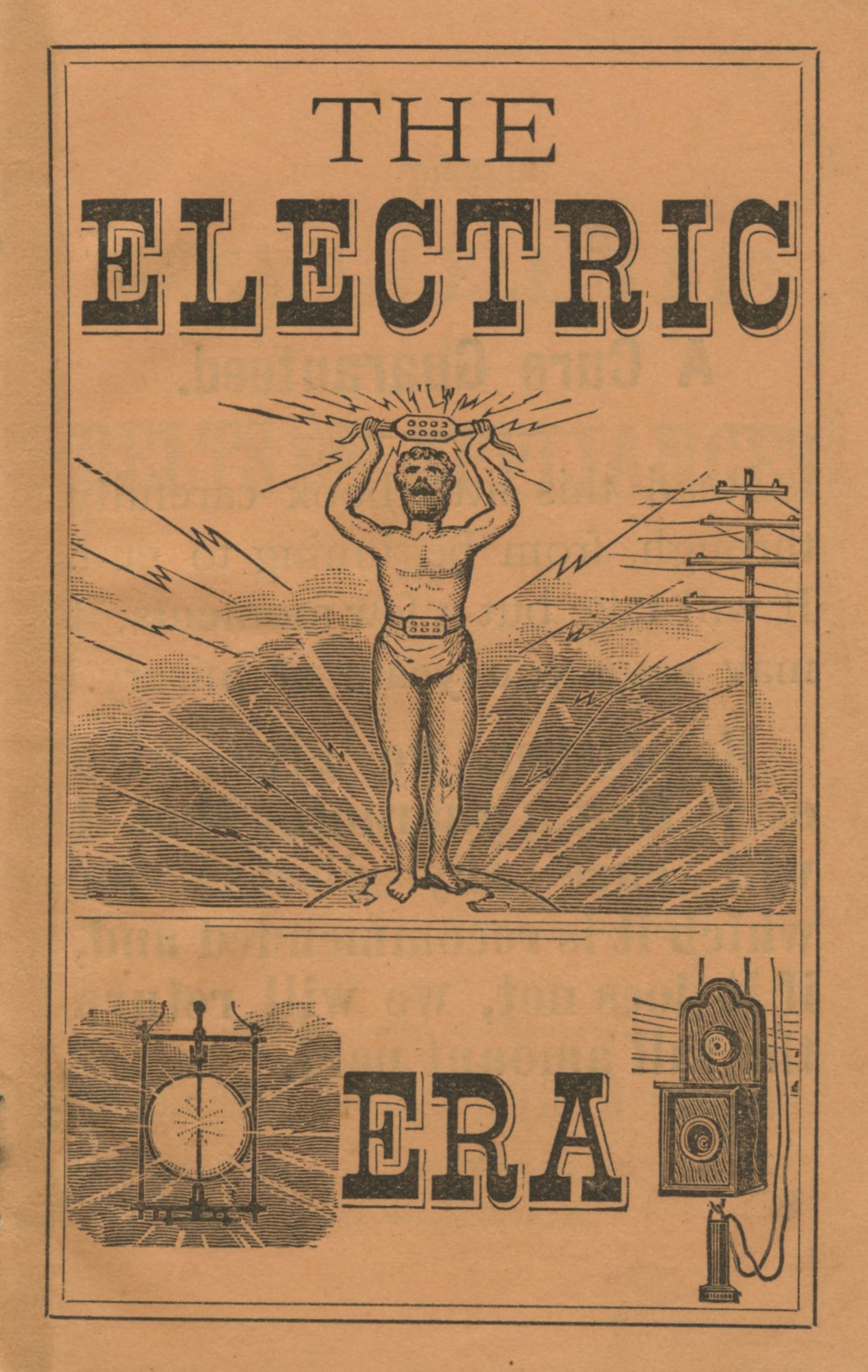
19th century printed illustration reading "The Electric Era." In the center is a man standing, holding an electric belt above his head with lightning bolts behind him. “We give a written guarantee that our appliance will cure the diseases mentioned…”

 “Indoresed[sic] by the government!”

 “Every man and woman troubled with weak and languid feelings, nervous, rheumatic, or organic disorders should wear the… electropathic belt”

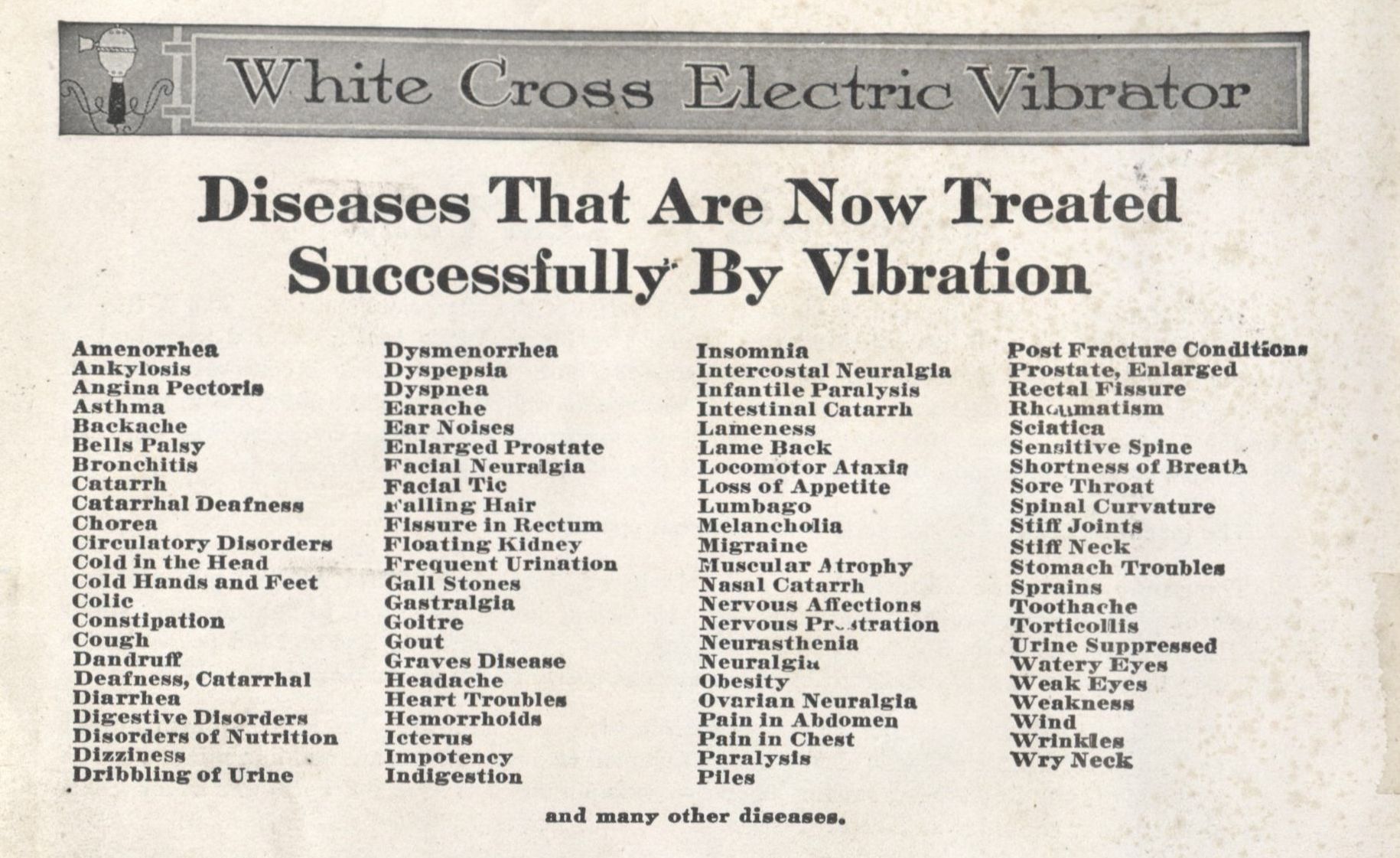
 “Diseases that are now treated successfully by vibration… (colic, gallstones, impotency, insomnia, paralysis, spinal curvature)” See Image for full list.

 “Vibration and Electricity are the most natural remedies known.”

The statements above were just a sample of the testimonials and claims found in advertisements, sales brochures, and user manuals for electrotherapy devices on display in Good VibrationsElectrotherapy, or the “use of electric currents passed through the body to stimulate nerves and muscles” gained notoriety from the mid 1800s and into the 1920s. Consumers and patients were eager to explore the endless possibilities of electricity to cure their medical ailments and improve their vitality. Eager to reach new customers and with little-to-no government oversight, producers of medical batteries, electric suspension belts, and electric rejuvenators claimed that their devices could cure nearly all diseases – many with a money-back guarantee if it didn’t work!

Ad for "White Cross Electric Vibrator" listing "Diseases That Are Now Treated Successfully By Vibration." There is a long list of disease and conditions including asthma, dandruff, deafness, falling hair, gout, lameness, ovarian neuralgia, stomach troubles, and weak eyes. Though widely regarded as a modern innovation, the use of electricity in medicine dates back to ancient Rome, Egypt, Mesopotamia, and Greece. Centuries ago, these civilizations attempted to harness electricity from eels and catfish to cure ailments such as gout and baldness. We all remember the story of Benjamin Franklin flying a kite. Turns out: this may have been an experiment with medical purposes. Mary Shelly’s Frankenstein has its protagonist experiment with electricity to bring life back from the dead.

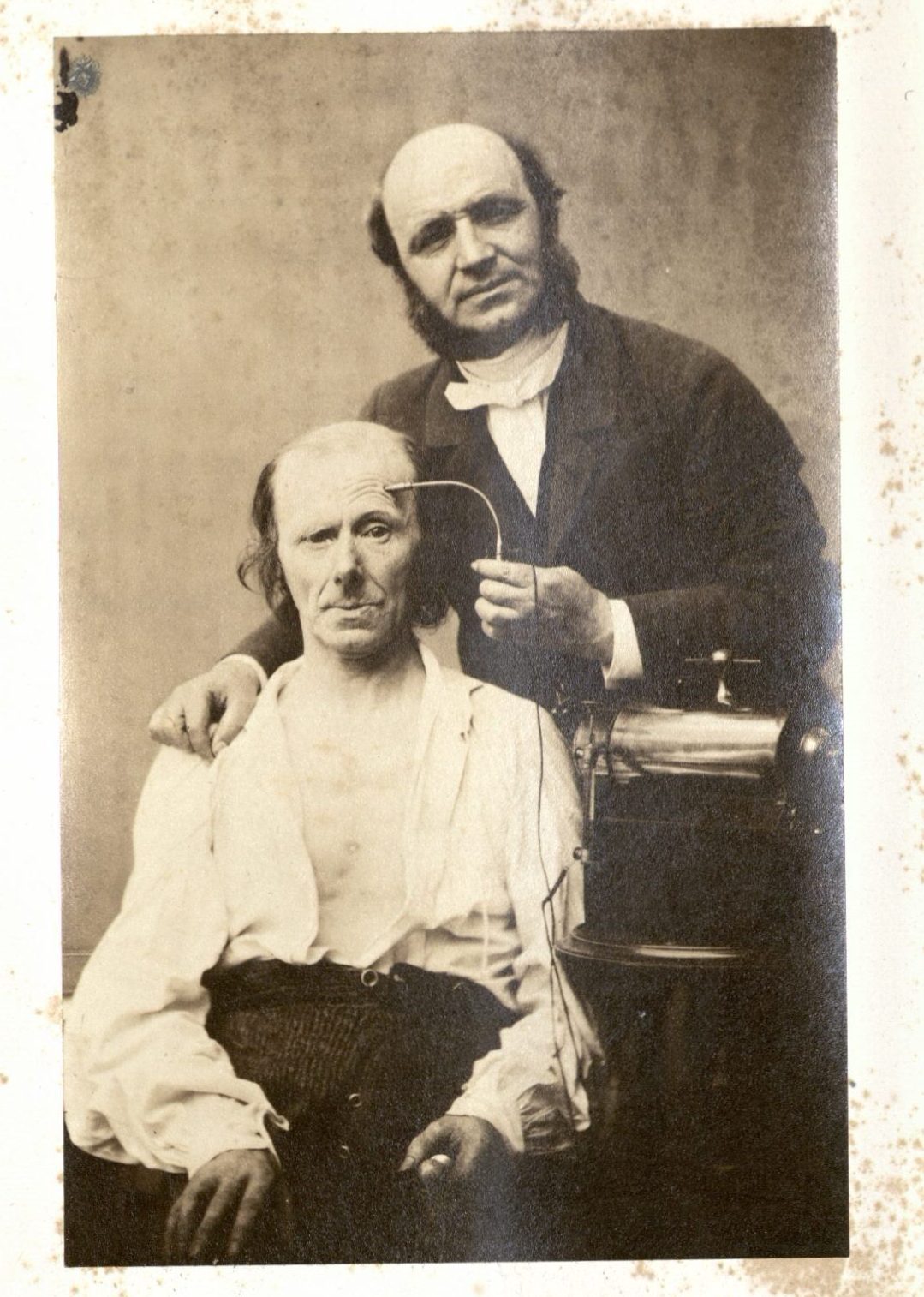
Black and white photograph. In the foreground is a man seated with his shirt unbuttoned. Behind him is another man in a suit holding what looks like a small metal rod to the other man's head. The rod is attached to a device on a table next to them. The invention of the battery in the early nineteenth century revolutionized the capabilities of electricity, and its uses for medical purposes were widely studied. From the 1850s to the early twentieth century, once-unimaginable discoveries in battery power and electricity transformed the world. Many people began to believe they could harness this new power for medical, health, and beauty purposes.

Cities around the world became home to university departments, medical societies, and practices devoted to electrotherapy. At the same time, mass consumerism and mass production allowed average citizens to purchase cheap electrical therapy devices from sales catalogs, local electricians, and medical supply companies and salesmen. Portrayed as an alternative to pills and medicine, electrotherapy devices (through low current shock waves or vibrations applied to different areas of the body) claimed to treat a wide range of conditions, such as arthritis, sciatica, gout, impotency, glaucoma, and “nervousness.”

Although such devices were often dismissed as quackery by many in the medical profession, their low cost and widespread marketing attracted a large audience eager to consume all things electric.

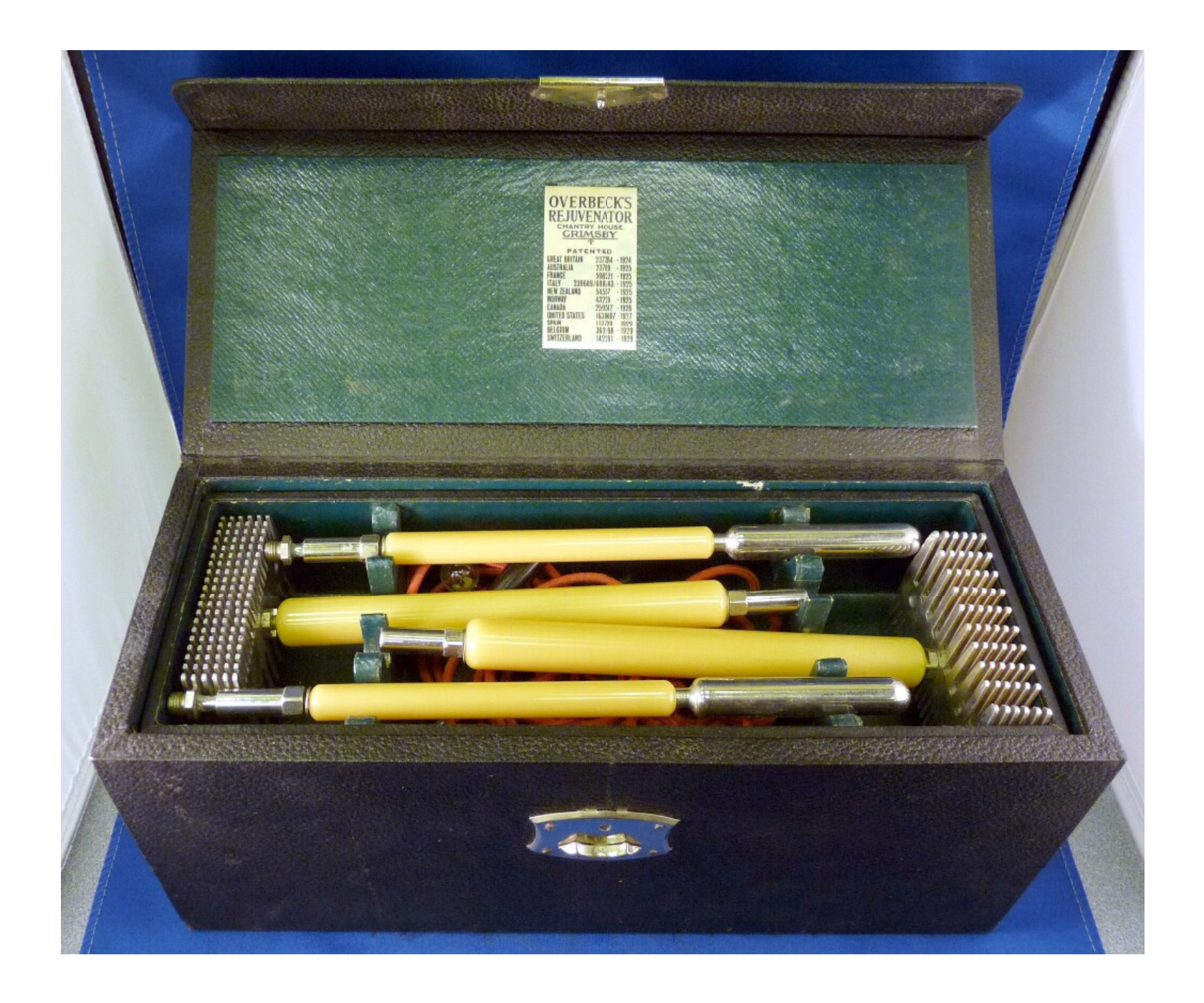
The items on display in Good Vibrations explore the history of electrotherapy from the mid-19th century and into the Roaring 1920s. Several of the items on display, including the Davis-Patent Electric Machine for Nervous Diseases, the Overbeck Electric Rejuvenator, and the Violet Ray Machine, serve as early examples of electrotherapeutic devices. All items on display come from the History of Medicine Collections and the Rubenstein Rare Book & Manuscript Library.

Good Vibrations will be on display in The Josiah Charles Trent History of Medicine Room from April 26, 2022 until October 15, 2022 .Box containing an "Overbeck Rejuventaor." The box is black with a leather texture and a clasp. Inside are electrodes and wires connected to handles.

Reflecting on Processing the Behind the Veil Project Archive

Post submitted by Taelore Marsh, Behind the Veil Processing Intern, Franklin Research Center

Over the course of the past nine months, I had to pleasure of being added to the Documenting African American Life in the Jim Crow South: Digital Access to the Behind the Veil Project Archive project team as a processing intern. The project is a three-year grant funded by the National Endowment for the Humanities. Tasked with working on the Behind the Veil oral histories to re-process, digitize and publish a digital collection in the Duke Digital Repository. 

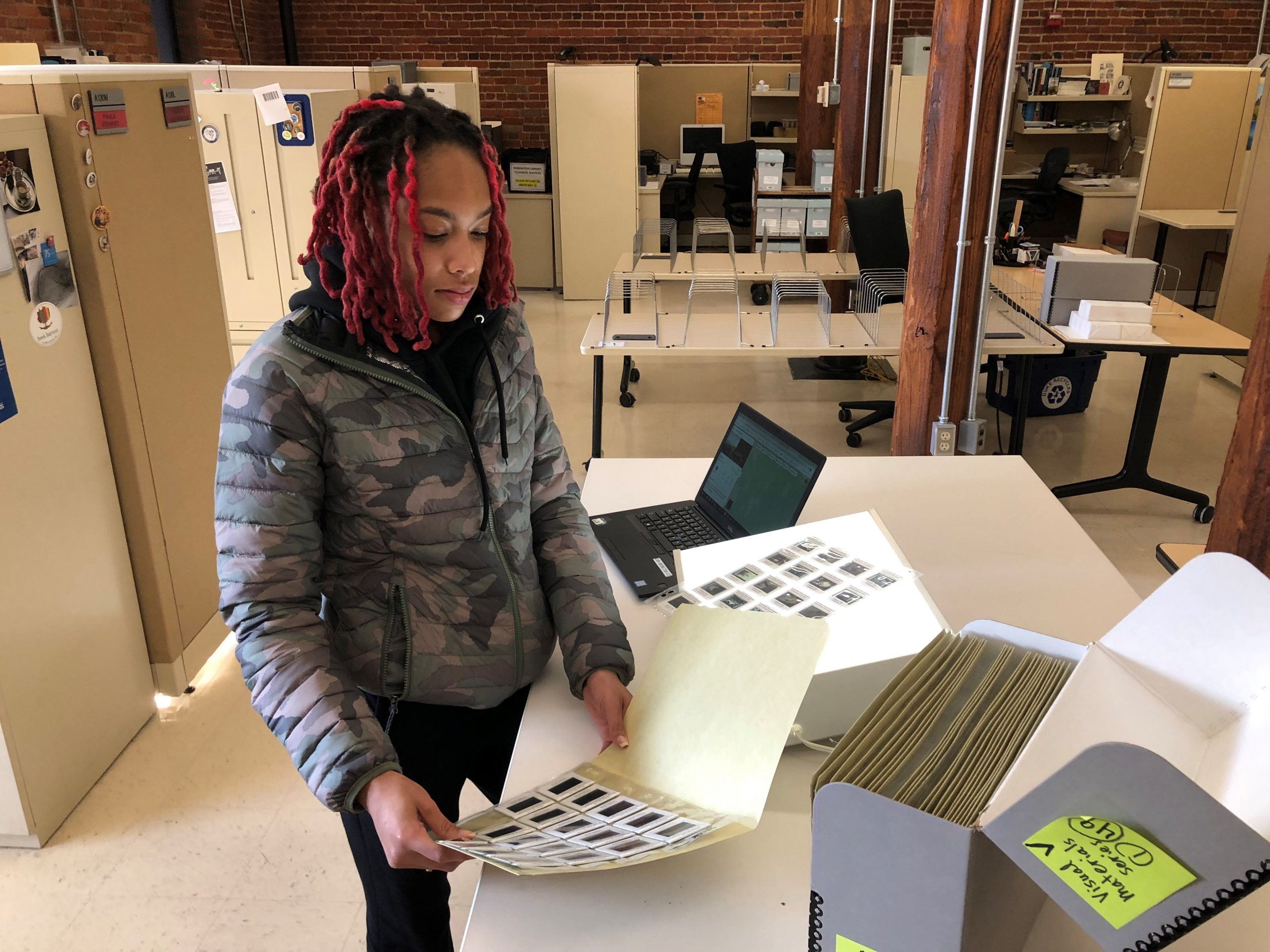
Looking at Behind the Veil slides
Taelore Marsh, working through the Behind the Veil photograph slides

The Behind the Veil collection has immense research value for historians and lay researchers who want to know about the lived experience of African Americans during the period of Jim Crow segregation. This collection of rich, personal narratives adds nuance to the long freedom struggle by broadening the localized perspectives from varying cities offering insight into Black communities beyond normative civil rights narratives. That allows listeners to gather a new perspective of the movement and leaders. 

As the processing intern, I have had the pleasure of going through the Behind the Veil photograph, A/V, and administrative project files. Simply going through the records of each interview offers insight into the person’s life and the effects of Jim Crow. I noticed that although the interviews were collected in the 1990s, many interviewees were still fearful of retaliation for speaking about their experiences from the early to mid-twentieth century. The records also show that the narrative of Black life portrayed in textbooks and movies as subservient and second-class citizens are not necessarily actual lived experiences. Many of the interviewees were well-educated, owned businesses, and community leaders.

Examining slides to identify images

Looking at the records of each interview also expands the discourse of different facets of the long struggle for freedom. For example, they capture complex layers of the Great Migration, revealing how passing –Black people who assimilated into whiteness –affected the nuclear family. Additionally, the records expand our knowledge on Black Wall Streets’ throughout the United States and highlight the dilemma of integration v. desegregation v. equalization. Perhaps most importantly, Behind the Veil exudes the need for a localized approach to history and how everyday people make a change, and why the project in its entirety should be available to the public. 


The process of collecting oral histories is not an easy task. Still, as a historian, I get the pleasure of using my sneak peek to draw new connections for my research while thinking of the new connections future scholars will uncover.