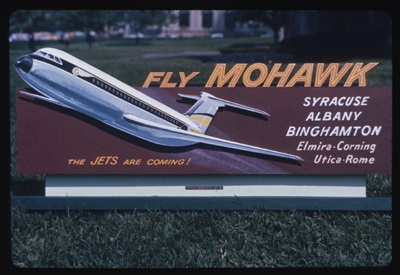
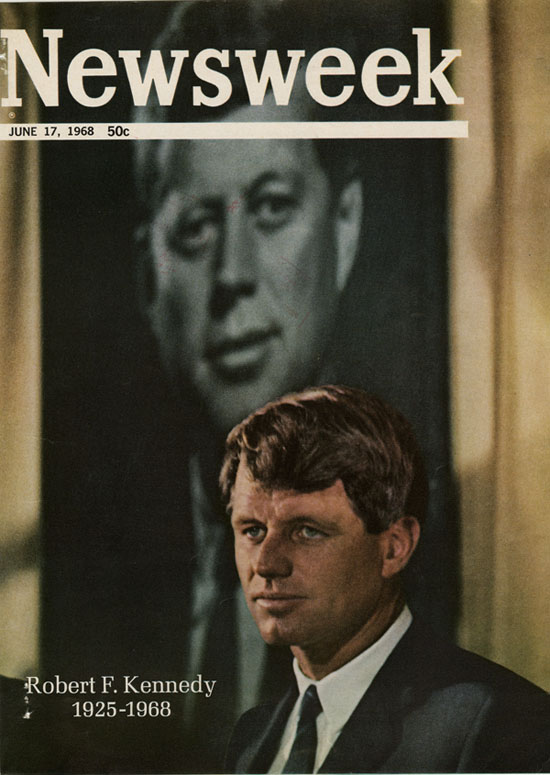
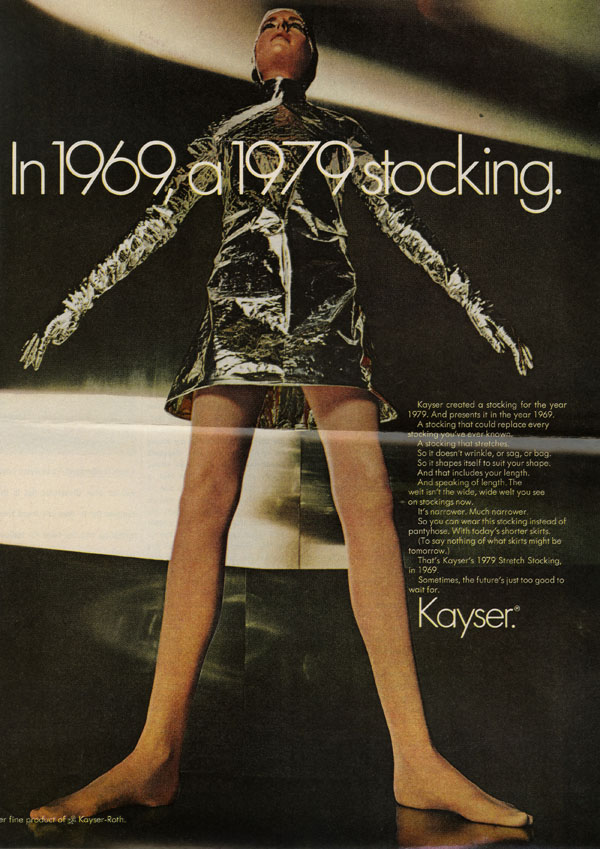
The CGC staff move into the SCDP office space and everyone scrambles to figure out their place at the new agency. A number of staff members get laid off. Don meets Sylvia at a hotel for a daytime tryst. Ted leads a creative meeting discussing Fleischmann’s Margarine. Later he and Don continue brainstorming over drinks in Ted’s office and Ted drinks too much. Pete’s difficult mother shows up at his apartment and he becomes responsible for her care. Because of her issues Pete misses an important meeting with Mohawk Airlines. Ted and Don fly upstate to the Mohawk meeting in Ted’s airplane through a storm. Sylvia waits for Don at the hotel at his request and a red dress is delivered to her room. Joan is in pain and Bob Benson takes her discreetly to the emergency room, where he talks the nurse into admitting her. Later Joan returns the favor by advocating for his job during a meeting about staffing cuts. Sylvia breaks off the affair with Don and he seems devastated. The episode ends with news of Robert Kennedy’s assassination, which Megan watches in tears.
Episode seven’s plot referred to St. Joseph’s Children’s Aspirin, Fleischmann’s Margarine, Topaz Pantyhose, Mohawk Airlines, gin and tonics, among other things. Enjoy our selection of ads and images that illustrate some of the products and cultural references mentioned in last night’s Mad Men. A gallery of our highlighted images may also be found on Pinterest and Flickr.
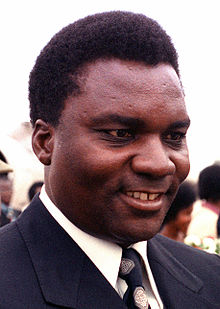
The Rwandan audiotapes of the International Monitor Institute (IMI) records are comprised almost entirely of the transcripts of radio broadcasts translated from Kinyarwanda into French and English. These are the broadcasts which aired in 1994 during the Rwandan genocide, which took place from April through early July of that year and in which 800,000 Tutsis and moderate Hutus were massacred. The genocide was triggered by the assassination of Hutu President Habyarimana on April 6, 1994. An IMI piece on radio as a tool of genocide (available in the organizational records) summarizes these events: “His plane was shot down on his return from Arusha, Tanzania, where he met with RPF leaders and signed an agreement further limiting his regime’s hold on power (known as the August 1993 Arusha Accords).”
President Juvénal Habyarimana
During colonization from the late 19th to the mid-20th century, the German and Belgian colonial elite manufactured a native elite in the Tutsis, a process of colonization that Franz Fanon describes in The Wretched of the Earth. Hutus thus experienced discrimination in education and various sectors of the economy. In 1959, Hutus took control of Rwanda following the independence movement, forcing many Tutsis to seek refuge in neighboring countries. In 1990, the Rwandan Patriotic Front (RPF) comprised of exiled Tutsis, invaded Rwanda, initiating a civil war. Habyarimana’s assassination resulted in an escalation of Hutu anxiety that the Tutsis would seize power of the government and that discrimination against Hutus would be reestablished.
Radio became a powerful weapon used to incite and direct the Rwandan genocide. The majority of radio broadcasts in the Rwandan audiotapes collection are from the privately-owned Radio Télévision Libre des Milles Collines (RTLM). What I found especially interesting about the content of these broadcasts (the transcripts of which can be found in the IMI organizational records and the audiotapes of which can be found in the Rwandan Videotapes and Audiotapes inventory) was the way in which its efforts to direct the extermination of the Tutsi population was paralleled by its efforts to claim authority over the telling of history. The radio broadcasts reveal a struggle over who gets to tell history and, therefore, a struggle over a monopoly on truth. In other words, the RTLM broadcasts exhibit a phenomenon which seems to be more universally true, which is the political necessity of storytelling.
There are a few particularly conspicuous aspects of the history-telling of the RTLM broadcasts, one being the discourse of revelation or enlightenment – the idea that if we only peel back the layers, we can finally see the truth. And this encounter with the truth is the basis for political action, or, in this case, the basis on which genocide becomes justified. “Slavery,” for example, is a term that is repeated throughout these broadcasts. Several journalists recall the state of Hutu slavery during colonization in order to characterize the discrimination Hutus experienced. Drawing on such a vocabulary, the radio broadcasts attempt to illuminate the Rwandan genocide as a slave rebellion. Freedom from slavery, according to this narrative, lies in the ability to discover the true history and nature of that discrimination, in opposition to the stories of the colonizers and the native elite. For the same reason, I’m less interested in the truth or accuracy of this, or any, construction of history than in the need and tendency to construct history more generally.
In one broadcast which aired on April 12, 1994 (6 days after Habyarimana’s assassination),[ii] Georges Ruggiu gives his audience a history lesson. He evokes Tutsi discrimination against Hutus in the colonial educational system and the ways in which the Germans and Belgians perpetuated this discrimination. Ruggiu situates the RPF’s efforts to seize power in Rwanda and oppress Hutus within that context. “Now we are going to continue with history,” he begins one segment. He goes on to describe how Hutus, beginning with the first school for Tutsis in 1917, were denied education and how, as a result of this denial of access, the Hutu became slaves to the Tutsi “who, according to the colonial legend, were born to rule.” I suspect that Ruggiu does not understand Hutu slavery as merely metaphorical. The discourse of slavery in these broadcasts seems to represent Hutu slavery as naked reality; that is, these broadcasts understand historical Hutu slavery to be literal. Indeed, in the segment that follows, Ruggiu draws on historical documents that testify to the fact that historically “Tutsis killed Hutu kings and enslaved Hutu people.”
In a second broadcast from April 17, 1994 (11 days after the assassination), journalist Agenesta Mukarutama leads a roundtable discussion about how the RPF seeks to return Rwanda to its pre-revolutionary time in which the Tutsi commanded and the Hutu obeyed. “But,” the broadcast tells us, “Rwandans have learned their history and are ‘saying no’ to a repetition of history.” Genocide is perceived as the only way to break out of an historical cycle of discrimination and oppression. Murego argues that “what it [the RPF] did not understand is a lesson from history. In fact, the political skeleton before ‘59 is clear: Some people command and others obeyed, and the RPF inserted its objectives in that scope . . . Since the conditions have changed, there is now no way to impose oneself as it was before . . . what happened is that it is a genuine restoration of the former reality where some people commanded, you understand who, and others have learnt to say ‘no.’ That is where the president of the PL [le Parti libéral] has made an important statement: ‘those who are saying no today, they are saying no considering their history, the history of their country . . .’” (emphasis is mine).
By suggesting that “there is now no way,” that is, that it would be either impracticable or unbearable for Rwanda to return to a pre-revolutionary state governed by colonial structures, Murego essentially makes a philosophical statement about history – not just what the content of that history is, but more specifically, the temporality in which revolutionary history operates. The Rwandan genocide here is not just a “saying no” to Tutsi rule; it is a “saying no” to a particular conception of the temporality of history that stands in opposition to the revolutionary conception of history. Murego’s argument, here, seems to be that the RPF does not understand how historical time actually works. Ngirumpatse, a participant of the roundtable, follows this up:
“First thing, at the risk of disappointing many Rwandans, especially the educated people, I have always considered the Arusha Agreements as an exception in the people’s history. No any people make a revolution just once. France has made a Revolution, it had two or three restorations, it took 100 years for the Republic to impose itself. When I say Republic, I mean the power of people. . . . So I consider the Arusha Agreements as an exception in the people’s history.” Ngirumpatse makes this claim repeatedly: “I consider the Arusha agreements as an exception in history.”
Ngirumpatse refers to the Arusha Accords as exceptional insofar as they are exceptionally generous; this generosity, it seems, arises from the mistaken belief among Rwandans that their revolution was finished once and for all. But again, what is more interesting to me is the temporality of the historical discourse within the broadcasts themselves – the repetition of the insistence that history cannot and will not repeat itself.
Post contributed by Clare Callahan, graduate student assistant in Rubenstein Technical Services and the Human Rights Archive.
Well, it’s finally happened. The 2,065 newspaper boxes and volumes and 8,526 pamphlets, books, and ledgers that could not move in January or February have finally been sent to the LSC. We also moved our framed art collection from the stacks to our swing space, where we have an ingenious new storage solution (stay tuned for further blog coverage on our art move). Now all of that work is complete, and with the exception of books and portraits in the Gothic Reading Room, our collections have officially moved out of the old stacks space.
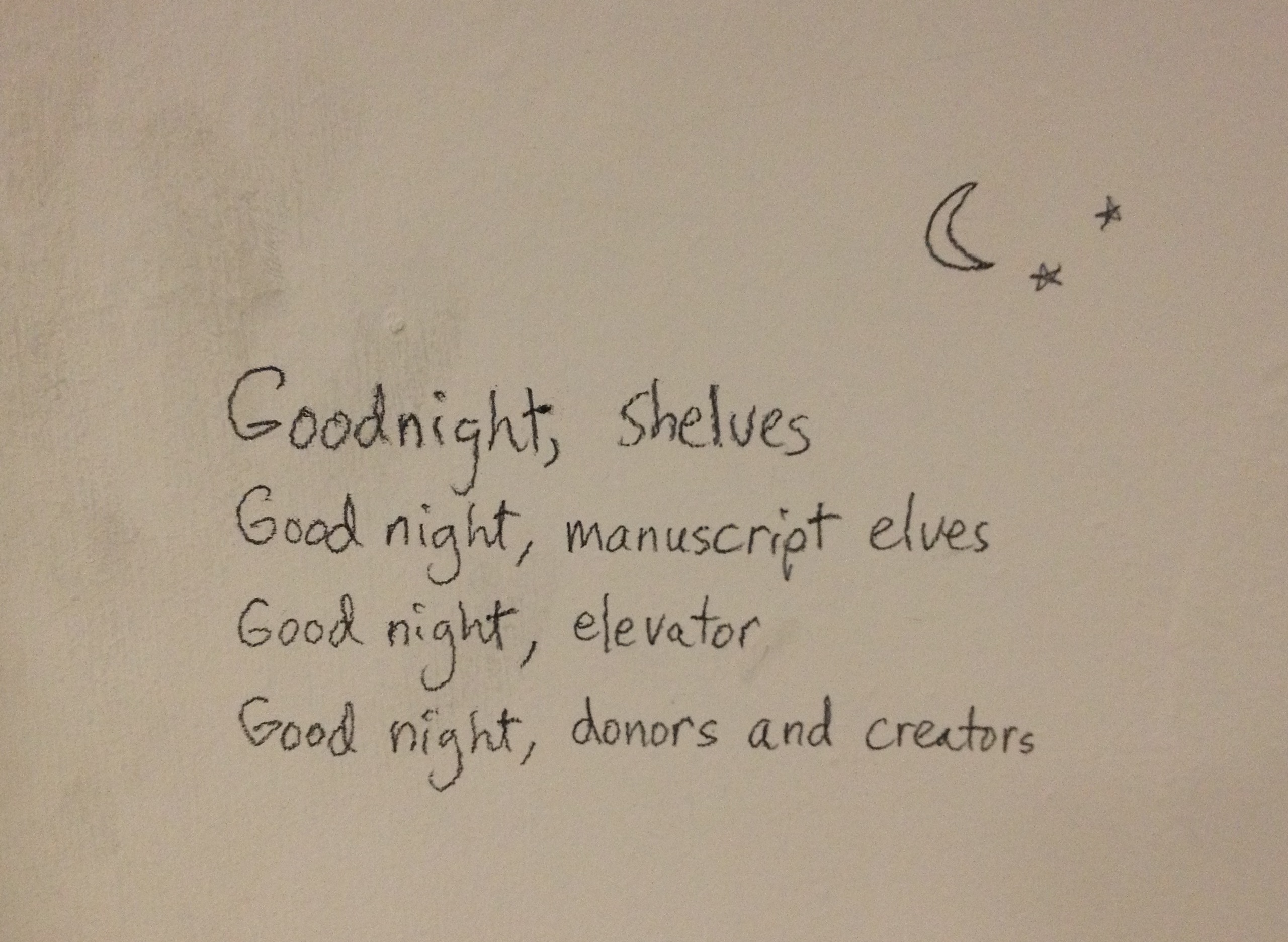
Our last day in the 1928 stacks was Friday, April 26. We checked under the 1928 elevator and took one last look at every shelf on our 8 labyrinth-like levels to make sure we left nothing behind. And so now we say good-bye. While cleaning up the last of the collections I found this appropriate bit of graffiti on the stack walls. What a lovely way to bid our old stacks farewell. Goodnight 1928 stacks!
Post contributed by Molly Bragg, Collections Move Coordinator in Rubenstein Technical Services.
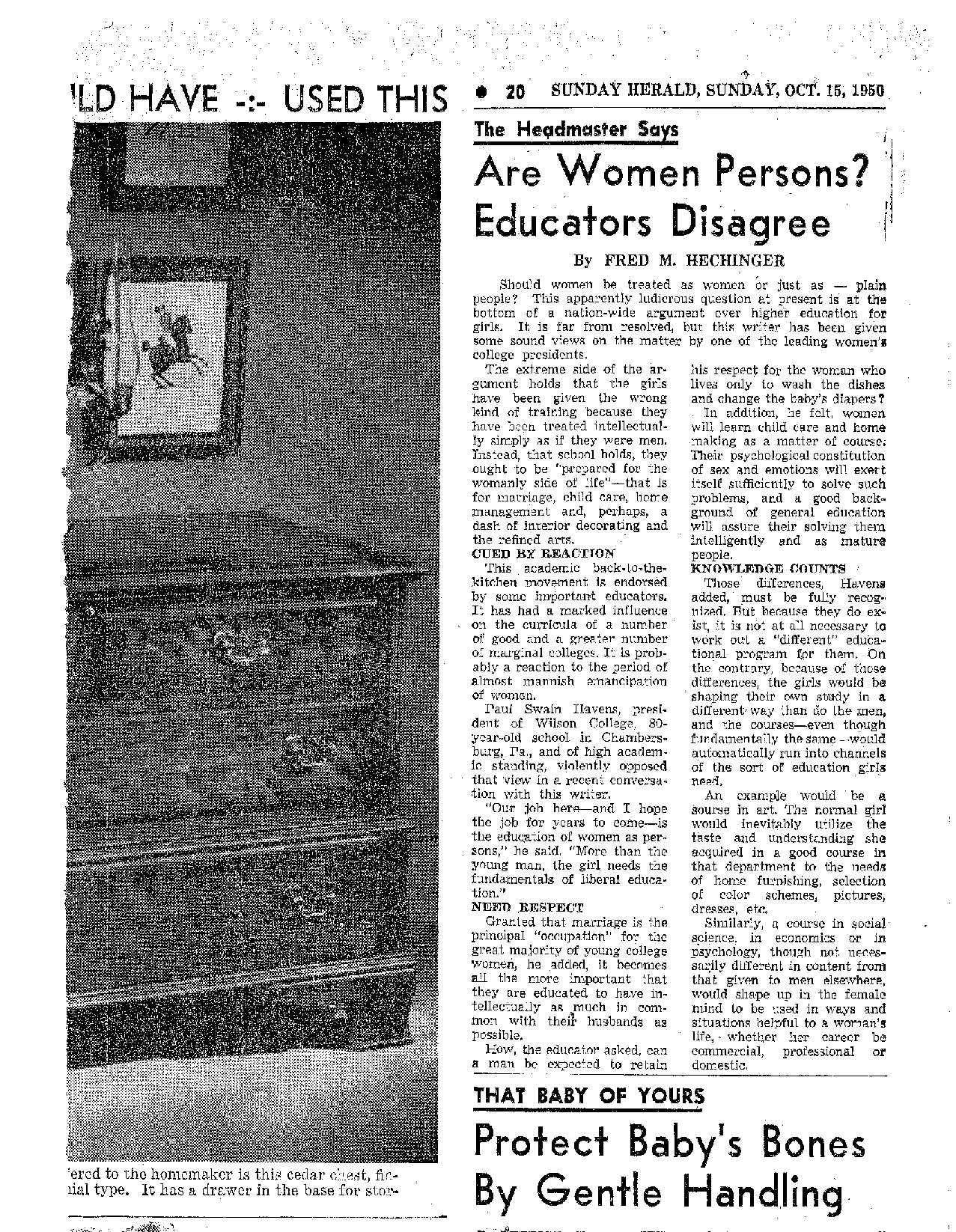
Issues involved with the handling and preservation of ephemera—campaign buttons, stickers, scrapbooks, photo albums, brochures and pamphlets and such—have been an ongoing concern among curators and archivists, as many of our procedures and best practices concern materials commonly recognized as “important artifacts” such as art, works of prominent photographers, rare manuscripts and books. Many modern manuscript collections pose an additional challenge when they include files of clippings, the two-sided nature of which inadvertently creates an “accidental archive” of items of potential research interest. Many of the Hartman Center’s advertising collections suffer from this wealth of excess. Magazine and newspaper pages containing ads for one product frequently have an equally (if not more) useful ad on the reverse, or a provocative news article. In the example here, taken from the Doris Bryn Papers, the reverse side of a department store ad contains an article “Are Women Persons? Educators Disagree” that appeared in the Oct. 15, 1950 edition of the Sunday Herald.
The backside of a 1950 advertisement for a department store wonders, “Are Women Persons?”
As indicative of the kinds of debates taking place during the postwar re-integration of women into domestic life and the slow march toward women’s rights and gender equality, the article poses potential research utility; at the least, great fodder for an undergraduate paper. The big challenge is: how to remember where to find these little gems the second time around?
Post contributed by Rick Collier, Technical Services Archivist for the John W. Hartman Center.
A series of big changes consumed the May 5th episode of Mad Men last night, and not everyone is pleased with the results.
Pete, Joan and Bert consult with a banker to take SCDP public. Roger’s scheming gets SCDP a chance to pitch a campaign for a new concept car by Chevrolet. Don resigns the Jaguar account during an angry exchange over dinner with Herb Rennet. Pete and Joan are angry with Don’s actions. Pete and his father-in-law awkwardly run into each other at a brothel, which results in the loss of the Vicks account for SCDP. Megan takes her mother’s advice and gets Don’s attention with a short dress. Peggy is unhappy with the apartment she bought and Abe tries to reassure her. Ted kisses Peggy when she says that she admires him because he is strong. Peggy fantasizes about Ted while she talks to Abe. Don and Ted run into each other at the hotel bar the night before the Chevy pitch and agree to join forces. After winning the account, SCDP and CGC merge. Peggy is surprised and disappointed with the merger news.
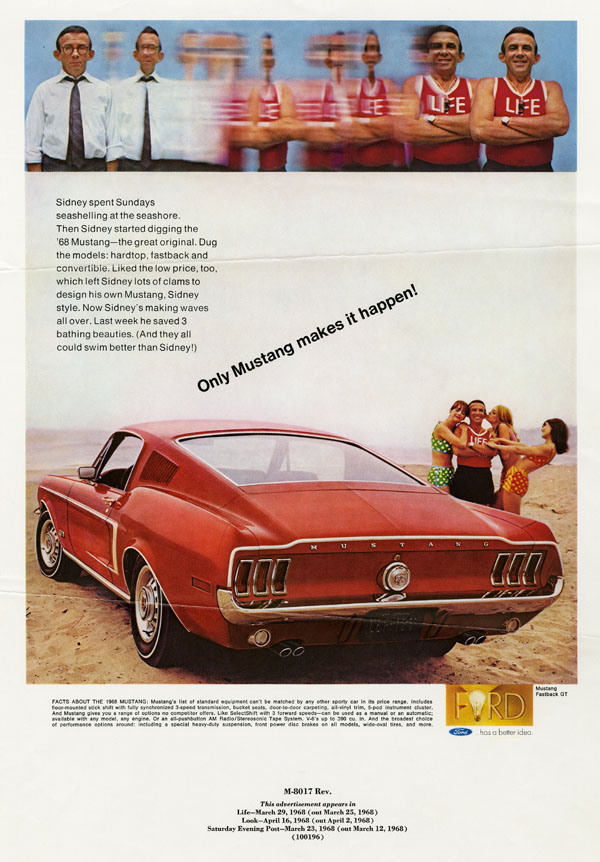
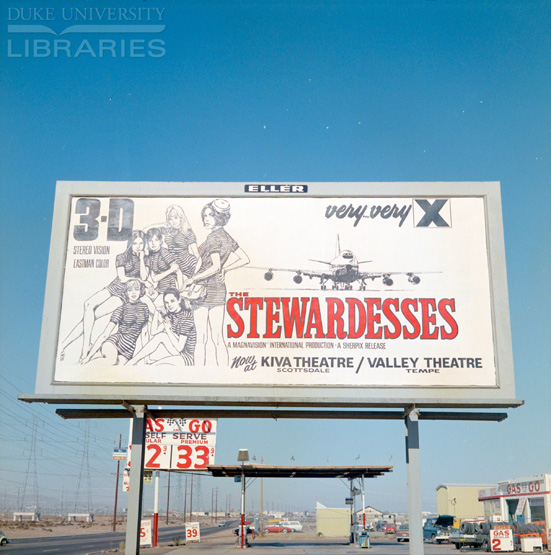
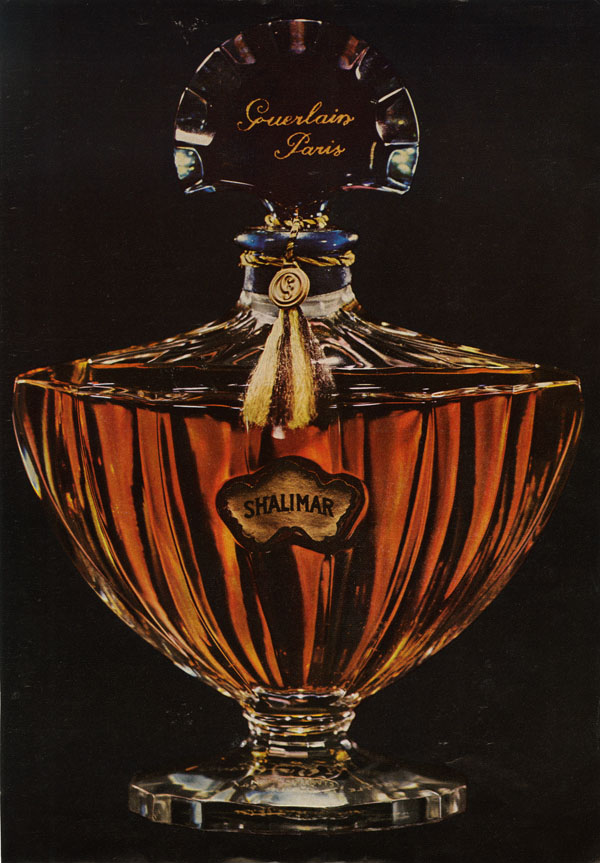
Episode six’s plot referred to flight attendants, Mustangs, Shalimar perfume, paint fumes, Vicks cough drops, Jim Beam, and pinot noir, among other things. Here is a selection of ads and images that illustrate some of the products and cultural references mentioned in last night’s Mad Men. A gallery of our highlighted images may also be found on Pinterest and Flickr.
And here’s something to listen to while you’re looking at the ads (especially the last one)!
Edward Ranney is an internationally recognized photographer who has photographed the natural and man-altered landscape for over forty years. His work of the 1970s in the southern Andes of Peru resulted in the book Monuments of the Incas (1982), which was reprinted in an expanded edition in 2010.
Since 1985, Ranney has dedicated himself to a comprehensive photographic survey of pre-Columbian sites along the Andean Desert Coast. His recent work with Lucy R. Lippard in the Galisteo Basin, near Sante Fe, was published in Down Country in 2010.
Edward Ranney has received numerous awards, including two Fulbright fellowships for his work in Peru, a John Simon Guggenheim Memorial Fellowship, and a National Endowment for the Arts Photography Fellowship. His work has been presented in individual exhibitions at the Princeton University Art Museum, the Museum of Modern Art in New York, the Art Institute of Chicago, the University of New Mexico Art Museum, and the Centro Cultural of Miraflores in Lima, Peru. His other books include Stonework of the Maya, Prairie Passage, and Pablo Neruda’s Heights of Macchu Picchu.
The Southern Poverty Law Center’s Intelligence Project has donated its extensive collection of materials documenting extremist and hate groups in the United States to the David M. Rubenstein Rare Book & Manuscript Library at Duke University.
The collection includes nearly 90 boxes of periodicals, pamphlets, flyers and other documents intended for distribution to group members and recruits over the past 30 years.
At the Rubenstein Library, the collection will allow researchers to examine the histories of hate groups and efforts to monitor and infiltrate them adding to the Library’s Human Rights Archive, its rich collections for social movements in the United States, and its large existing collection of materials documenting the Ku Klux Klan from the 1860s to the present day.
The SPLC collection includes materials on many types of extremist groups such as neo-Nazis, the Ku Klux Klan, white nationalists, neo-Confederates, racist skinheads, black separatists, border vigilantes and others.
“We are very excited that Duke University’s David M. Rubenstein Rare Book & Manuscript Library has decided to house the extremist materials we’ve been collecting for decades,” said Heidi Beirich, director of the SPLC’s Intelligence Project. “We are especially pleased that these relatively rare materials will finally be made available to scholars who research America’s radical right. We look forward to learning from their scholarship.”
The collection will be made available to researchers after being prepared for use by the Rubenstein Library staff.
The SPLC Intelligence Project has been called “one of the most respected anti-terror organizations in the world” by National Review. It monitors hate groups and other extremists throughout the United States and exposes their activities to law enforcement agencies, the media and the public. The project posts its investigative findings online, on the Hatewatch blog and in the Intelligence Report, an award-winning quarterly journal. The Project has crippled some of the country’s most notorious hate groups by suing them for murders and other violent acts committed by their members.
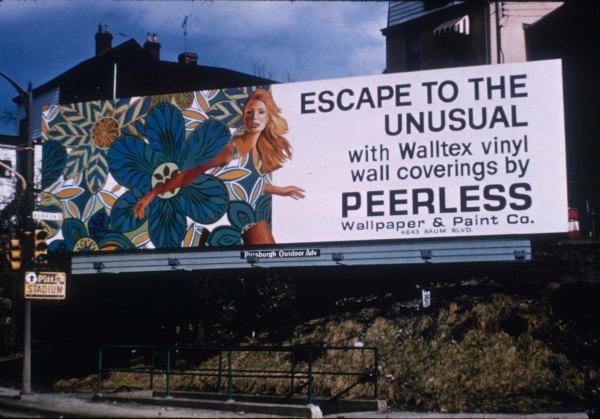
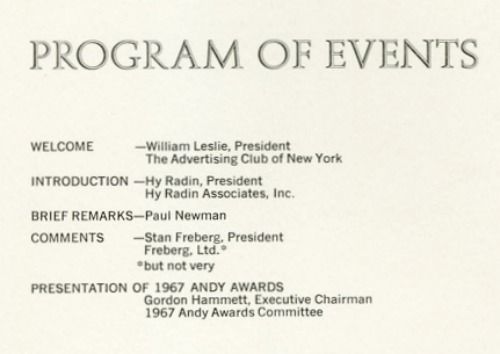
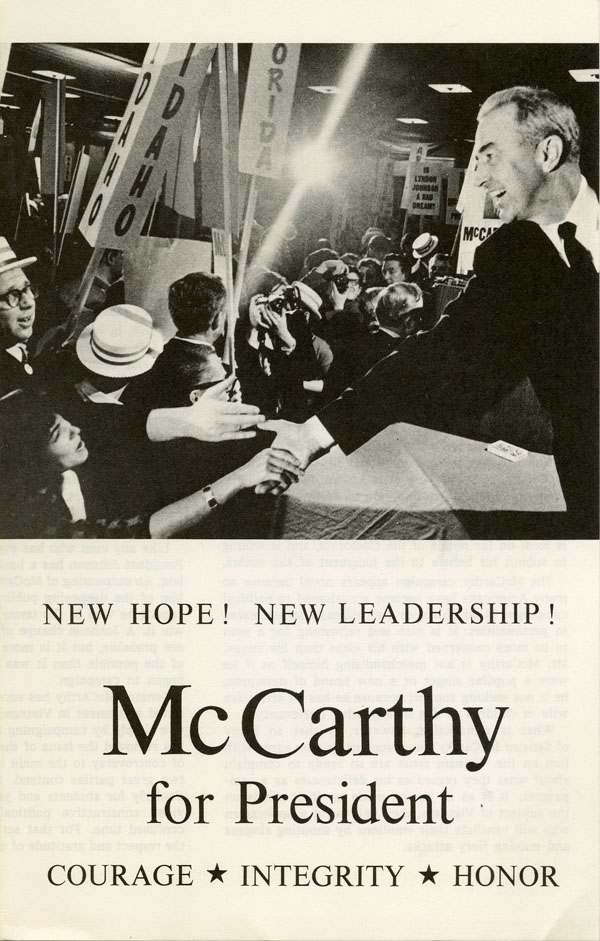
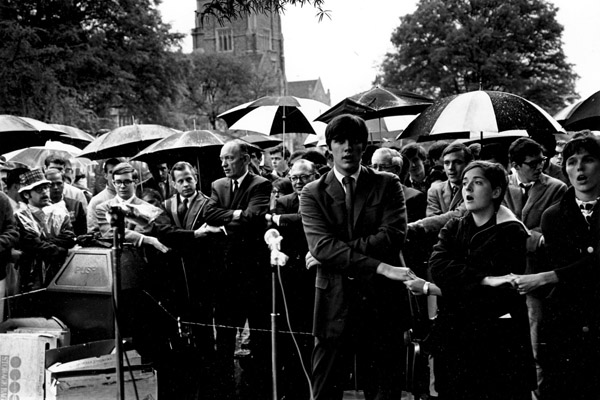
Episode 5, which aired on April 28st, depicted the Mad Men characters reacting to the news that Martin Luther King, Jr. was assassinated. Across the board, everyone was upset and unnerved, but there was considerable awkwardness in their interactions with each other in the aftermath.Pete and Harry argued about what was an appropriate reaction to the death.Joan hugged Dawn. Don tried to send Dawn home, but she really wanted to stay at work. Megan took Sally and Gene to a vigil. Don took Bobby to the movies. Peggy fretted over an offer to purchase an apartment. Betty and Henry saw an opportunity for his political career to blossom. Ginsburg tried not to bungle a date that his father set up for him. There were references to wallpaper, formal wear, Milk Duds, Planet of the Apes, and Chinese food, among other items.Here are a selection of ads and images that refer to some of the products and cultural references mentioned in last night’s episode of Mad Men.We’ve even included a program from the April 4, 1968 ANDY Awards and some photos of a vigil that occurred on Duke’s campus in the days after the assassination. Paul Newman really was the keynote speaker! A gallery of our selected images may also be found on Pinterest and Flickr.
The Duke Vigil was a silent demonstration at Duke University, April 5 – 11, 1968, following the assassination of Dr. Martin Luther King. Up to 1,400 students slept on the Chapel Quad, food services and housekeeping employees went on strike, and most students boycotted the dining halls in support of the employees. Duke University Archives, University Archives Photograph Collection, box 54.Duke Vigil, April 5-11, 1968. Duke University Archives, University Archives Photograph Collection, box 54.
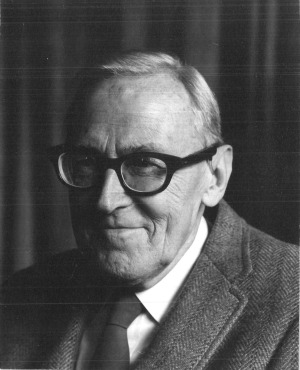
Oskar Morgenstern, n.d., from the Oskar Morgenstern Papers.
A project on the history of Mathematica Policy Research recently unearthed a historical treasure — a cache of personal papers, professional files, and correspondence by celebrated economist and mathematician Oskar Morgenstern, a founder of Mathematica. They will now join the existing collection of Morgenstern Papers in the Economists’ Papers Project at the Rubenstein Library.
The newly rediscovered papers are linked to Morgenstern’s longstanding connection to Mathematica. Along with several other Princeton University economists and mathematicians, Morgenstern founded Mathematica and served as chairman of its board. He maintained an office at the company’s Princeton headquarters until his death in 1977. “The materials, which we believe are from his Mathematica office, were recently discovered in our archives when we began compiling a history of the firm,” explained Paul Decker, president and CEO of Mathematica.
The additional papers comprise seventeen boxes of Morgenstern’s files and correspondence dating from 1940 through 1970. The discovery of these new materials serendipitously matched a period of research on Morgenstern’s travels and correspondence conducted by his daughter, Karin Papp, who assisted in transferring the files from Mathematica’s offices to the Rubenstein Library. The remainder of Morgenstern’s papers were donated to the Rubenstein Library by his widow Dorothy in the late 1980s. Among his many achievements, Morgenstern’s Theory of Games and Economic Behavior, co-authored with John von Neumann, is a pioneering work on game theory.
This addition fills an important gap in the Morgenstern Papers, and will be made available for research use after being prepared by our staff.
Post contributed by Will Hansen, Assistant Curator of Collections, adapted from a press release prepared by Mathematica Policy Research.
In this month’s Digitizing the Long Civil Rights Movement update, we are happy to announce that initial scanning for all of Duke’s manuscript content in the Content, Context, and Capacity Project is complete. Over 66,000 scans are now either published or are being processed to enable publication as soon as possible. We encourage you to check out the CCC Content Page as a portal for looking at all of Duke’s CCC Collections as well as those digitized by NC State, UNC-Chapel Hill, and NC Central. Meanwhile, we are beginning work on digitizing the audio oral histories from North Carolina found in the Behind the Veil Collection, which will be our primary focus during the upcoming third year of the grant.
For our collection highlight this month, we turn to the Charles N. Hunter Papers. Born to enslaved parents in Raleigh in 1851, Hunter would go on to become one of the most prominent African-American educators and advocates in North Carolina. Aside from industrial activism and prolific writings, Hunter served as a teacher and principal at several schools, mostly in the Triangle and its environs. As part of that work, he corresponded with the Tuskegee Institute and its founder, Booker T. Washington.
Letter, Booker T. Washington to Charles N. Hunter, July 7, 1914. Charles N. Hunter Papers, Box 2, Folder 2, Item ID: cnhms02002037. Click to enlarge.
The letter shown here is from Booker T. Washington to Charles N. Hunter. Written in 1914, it concerns a project, led by Hunter, concerned with building rural schools for African-Americans throughout the South. Hunter worked with Washington and the Tuskegee Institute for this project and continued to correspond with the institute after Washington’s death in November 1915. Given Hunter’s work with Washington, it is appropriate that the last school at which he served as a principal was Booker T. Washington School in Johnston County.
The Charles N. Hunter Papers, and other CCC Collections, will be published in the coming months.
The grant-funded CCC Project is designed to digitize selected manuscripts and photographs relating to the long civil rights movement. For more about Rubenstein Library materials being digitized through the CCC Project, check out previous progress updates posted here at The Devil’s Tale!
Post contributed by Josh Hager, CCC Project Graduate Assistant.
Dispatches from the David M. Rubenstein Rare Book and Manuscript Library at Duke University