Category Archives: Do Your Research

Gay Liberation and Incarceration in Underground Newspapers

Contributed by Benjamin Serby, Visiting Assistant Professor, Adelphi University; 2019-2022 Recipient of a Harry H. Harkins T’73 Travel Grant for Lesbian, Gay, Bisexual, and Transgender History

With the assistance of a Harry H. Harkins, Jr., Travel Grant, I visited the Rubenstein Library in the summer of 2019 to carry out research for my dissertation, an intellectual history of the gay liberation movement in the United States in the late 1960s and early 1970s. At the Rubenstein Library, I consulted several collections, including the Atlanta Lesbian Feminist Alliance (ALFA) Archives and the Faith Holsaert papers, with the intention of tracing the reception of certain understandings of “liberation” in the movement through the lives of key activists, the records of organizations, and the extensive print culture that spanned the country during this time.

In the course of my visit, I encountered a surprising number of fascinating documents that were authored by incarcerated queer and trans people who overcame censorship and the threat of retaliation to demand assistance and recognition from activists and readers on the outside. These sources informed an article that I subsequently published in the Journal of the History of Sexuality.[i] One relevant item is a note to readers of the Atlanta underground newspaper Great Speckled Bird, dated September 5, 1972, which explains that a prisoner, H. Alan “Bunny” Vaughan, was being punished by the authorities for having smuggled photographs of the Atlanta Penitentiary’s segregated gay cell block to the newspaper. One of those illicit images accompanies the report, which praises Vaughan for his commitment to “the fight for dignity and self-respect within prison walls.” This document (which, it should be noted, did not appear in a specifically “gay” publication) raises a number of questions about the oppressive and discriminatory conditions faced by queer and trans prisoners, their relationship to the gay liberation movement, and the role of the press—particularly the underground press—as a means of publicizing the struggles of some of the most marginalized members of the LGBT community.
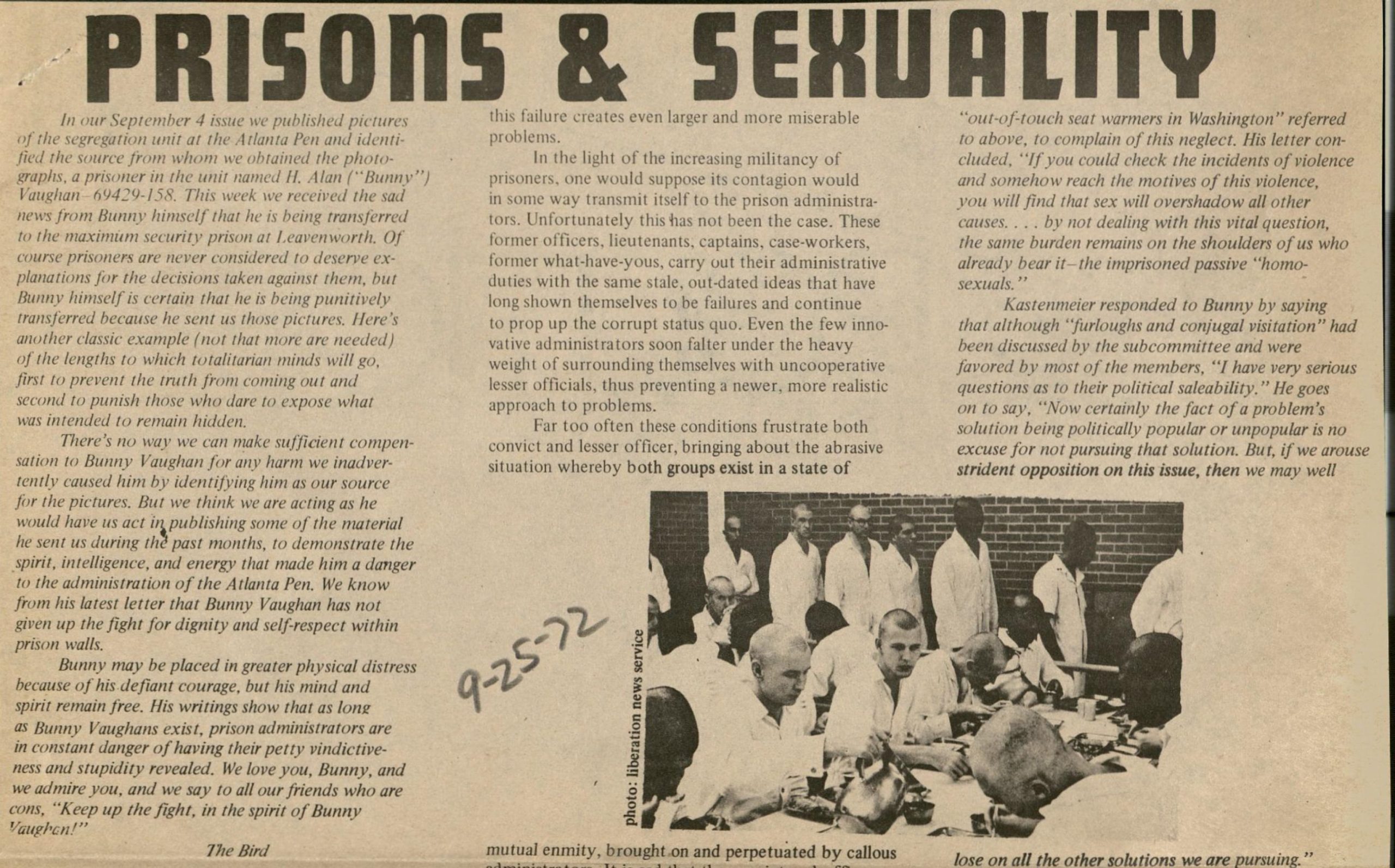
Newspaper clipping with the headline "Prisons & Sexuality"
“Prisons and Sexuality,” Great Speckled Bird (Atlanta, GA), September 25, 1972
Carbon copy of a typewriter written document from the National Gay Prisoners Council
Statement of the National Gay Prisoners Coalition

A related document that stopped me in my tracks when I first encountered it is the founding statement of the National Gay Prisoners Coalition (NGPC), an obscure organization that was established at Washington State Penitentiary in Walla Walla sometime in the early 1970s. The undated text calls for the abolition of sodomy laws, demands an investigation into the treatment of queer and trans prisoners, and urges members of the LGBT community to join and support the new organization. Its author, who is listed as C. Chris Wheeler, wrote “for publication” in pen at the top, but it is unlikely that this text was ever published. Prior to visiting the Rubinstein Library, I had seen Wheeler’s name in print on a number of occasions. A transgender inmate at Walla Walla, they published countless open letters in several gay liberationist newspapers between 1970 and 1973 that detailed their mistreatment and that of their fellow inmates, appealed to readers for material and emotional support, and facilitated political organizing among queer and trans prisoners across institutions. The NGPC statement is a testament to the extent of that organizing.

Just as they challenged a largely middle-class movement to extend its solidarities to the poor, the nonwhite, and the incarcerated, materials such as these provoked me to incorporate a much broader array of social actors into my narrative and to realize that the activist and print networks that I was mapping were far more expansive and inclusive than I had initially thought. Still, we are left with only a trace, and many questions remain unanswered. What became of Vaughan? Wheeler? The other Walla Walla prisoners? The NGPC?

[i] Serby, Benjamin. “‘Not to Produce Newspapers, but Committed Radicals’: The Underground Press, the New Left, and the Gay Liberation Counterpublic in the United States, 1965-1976.” Journal of the History of Sexuality, vol. 32, no. 1, Jan. 2023. http://dx.doi.org/10.7560/JHS32101

Announcing our 2023-2024 Travel Grant Recipients

The Rubenstein Rare Book & Manuscript Library is pleased to announce the recipients of the 2023-2024 travel grants. Our research centers annually award travel grants to students, scholars, and independent researchers through a competitive application process. We extend a warm congratulations to this year’s awardees. We look forward to meeting and working with you!

Sallie Bingham Center for Women’s History and Culture (Mary Lily Research Grants)

Ola Aboukhsaiwan, Ph.D. candidate, London School of Economics and Political Science, “Surviving Abortion: Clinics, Competition, and Connections.”

Sophie Abramowitz, Independent Researcher, “Rosetta Records Creative Reissue Project.”

Anne Gray Fischer, Faculty, University of Texas at Dallas, “Women Killers: Murder in the Era of Feminist Liberation.”

Wendy Rouse, Faculty, San Jose State University, “The Feminist Self-Defense Movement in the Era of Women’s Liberation.”

Rachel Tang, Ph.D. candidate, Harvard University; Department of History of Art and Architecture, “Lessons in Repair: History, Materials, and Processes of Pedagogy in American Art.”

Tessel Veneboer, Ph.D. candidate, Ghent University, “Negativity, sexuality, and formal innovation Kathy Acker’s literary experiments.”

John Hope Franklin Center for African and African American History and Culture

Anna Duensing, Postdoctoral fellow, Carter G. Woodson Institute, University of Virginia, “Fascism Is Already Here: Civil Rights and the Making of a Black Antifascist Tradition”

Monique Hayes, Writer, “Sally Forth,” a historical novel based on African-American experiences during the American Revolution, 1771-1785.

Marie Hubbard, Ph.D. candidate, Department of English and Comparative Literature, “‘Ivy and Cane’: New and Old Forms of Trans-Atlantic Exchange in the Literature of Ayi Kwei Armah.”

Breanna Moore,  Ph.D. candidate, University of Pennsylvania, “‘Whose Loss?’: Reparations, Indemnities, and Sovereignty During the Era of Slave Trade Abolition in the Atlantic World.”

Elizabeth Schlabach, Faculty, Department of History, Lawrence University, “Segregated and in the Shadows: Black Women’s Off the Books Labor in Jim Crow Southern Cities.”

Katharina Weygold,  Ph.D. candidate, Brown University, “African American Women and Haiti During the U.S. Occupation, 1915 – 1934.”

Harry H. Harkins T’73 Travel Grants for Lesbian, Gay, Bisexual, and Transgender History

Courtney Block, Faculty, Indiana University Southeast Library, “Rhea White & Margaret Anderson Letters.”

Adam Kocurek, Ph.D. candidate, CUNY Graduate Center, “Academic Closets and Labor Trials: LGBTQ+ Academics and Activism in the Industry from 1960-Present.”

Suisui (Sway) Wang, Ph.D. candidate, Department of Gender Studies, Indiana University Bloomington, “Answering the Call(s): Sexual Politics of Hotlines and Technopolitics of Sexuality.”

John W. Hartman Center for Sales, Advertising, and Marketing History

John Furr Fellowship for J. Walter Thompson Archives Research

Cara Fallon, Faculty, Jackson School of Global Affairs, Yale University, “Ageism in twentieth and twenty-first century United States as it permeated American culture, medicine, and society.”

Susana Sosenski, Faculty, Instituto de Investigaciones Historicas, Universidad Nacional Autónoma de México, “The arrival of Kellogg’s breakfasts in Mexico: a history of the advertising campaign 1940-1970.”

FOARE Fellowship for Outdoor Advertising Research

Jacob Saindon, Ph.D. candidate, Department of Geography, University of Kentucky, “The Production of Commercial Attention: Advertising, Space, and ‘New’ Media in the Contemporary U.S.”

Alvin Achenbaum Travel Grants

Maria Elena Aramendia-Muneta, Faculty, Universidad Pública de Navarra, “The use of new energies and technologies for advertising purposes in the atomic age (50s and 60s).”

Aimée Plukker, Ph.D. candidate, Department of History, Cornell University, “Europe Calling: The Marshall Plan, U.S. Tourism to Europe, and the Making of “the West.””

Pierre-Yves Donzé, Faculty, Graduate School of Economics, Osaka University, “Making Swiss watches and luxury good: the cooperation between J. Walter Thompson and Rolex, 1960-1990.”

Keely Mruk, Ph.D. candidate, Departments of History and History of Science, Medicine, and Technology, University of Wisconsin-Madison, “A Taste for Existential Threat: Women, Food, and Technologies of Preservation in Cold War America.”

Dael Norwood, Faculty, Department of History, University of Delaware, “The Beginnings of the Businessman:  How Exclusion, Education, and Globalization Shaped an American Identity.”

Stephanie Vincent, Faculty, Department of History, Kent State University, “From Luxury to Defense: Glass, Silver, and China During World War II.”

History of Medicine Collections

Christopher Blakley, Faculty, Core Program, Occidental College, “”Race Science and the Senses in the US Exploring Expedition, 1838-1842.”

Austin Bryan, Ph.D. candidate, Department of Anthropology, Northwestern University, “‘It’s Our Aid’: Liberation Through Disease in Uganda.”

Sarah Parker, Faculty, School of Humanities, Jacksonville University, “Science as Spectacle:  Satirizing Scientific Discourse in Shadwell’s The Virtuoso (1676).”

Matthew Soleiman, Ph.D. candidate, Department of History, University of California San Diego, “The Person in Pain: A Genealogy of Bodily Experience.”

Human Rights Archive

Amy Kerner, Faculty, Department of History, University of Texas at Dallas, “Human Rights Activism and Forced Disappearance from the 1976 Coup to the Rome Statute.”

Claudia Monterroza Rivera, Ph.D. candidate, Vanderbilt University, “‘Defender Nuestros Derechos:’ Catholic Women and Transnational Human Rights Activism in Central America and the United States, 1970s-1980s.”

Carolyn Robbins, Ph.D. candidate, Department of Communication, University of Maryland, “Riot Rhetorics: The Language of the Unheard.”

Debbie Sharnak, Faculty, Department of History, Rowan University, “Jewish Internationalism and the Southern Cone Dictatorships.”

Brigitte Stepanov, Faculty, George Institute of Technology, “Cruelty, War, Fiction: Redefining the In-Human.”

Eve Kosofsky Sedgwick Research Travel Grants

Matilde Manara, Postdoctoral Fellow, Collège de France, “Proustmania! Reading, writing, sewing Proust today.”

Christina Olivares, Ph.D. candidate, Department of English Education, Teachers College at Columbia University, “Reparative Gestures/Queering Education: Eve Kosofsky Sedwick’s pedagogical practices and James Sears’ research in adolescent education.”

Evan Pavka, Faculty, Department of Art & Art History, Wayne State University, “Reconstructing ‘Queer Space’.”

Diseases, Drugs, and Dosages

A Q&A with Jeremy Montgomery, PhD candidate in History at Mississippi State University in the History of Science, Technology, and Medicine Node of Excellence and a History of Medicine Collections travel grant recipient.

What is your research project?

My dissertation examines the medical armamentarium in the United States between 1800-1860. Taking a synchronic view, my project seeks to describe medical education, knowledge production, and treatment options between the regions. It takes seriously the diverse medical marketplace by incorporating discussions about “regular” and “irregular” forms of medicine. In addition to the types of medical care, my project examines the black and white body, free and enslaved, also. Lastly, my dissertation discusses and describes symptomology, therapeutics, and Materia Medica within the early-to-mid nineteenth century.

The opening pages of the M.M. Haworth Diary.


What collection(s) did you use from Duke’s History of Medicine Collections?

While at the Rubenstein Library, I reviewed multiple sources. For this trip, I narrowed my search for sources that discussed Materia Medica and therapeutics. In particular, I reviewed the Peter Washington Little Manuscript, Notes on the Lectures of Materia Medica by Benjamin Barton, M.M. Haworth Medical Diary and Journal, Isaac Brooks Headen papers, Caleb Budlong Physician’s account books, Henry Fish Papers, Salisbury, [Mass.]., Lee Griggs daybook, Lee Griggs physician’s ledger, Lectures on the diseases of children, New Haven; Charles Watts papers, New Orleans, Physician’s account book, Lectures on Materia Medica and Therapeutics, Elements of Materia Medica and Therapeutics, On the Teaching of Pharmacology, Materia Medica, and Therapeutics in Our Medical Schools, Materia Medica and Therapeutics, and last but not least The Essentials of Materia Medica and Therapeutics.

What surprised you, or was an unexpected find, in the collection you used?

I was surprised by my findings in the M.M. Haworth Diary. From the opening pages (see above) to his prescription list, I found this to be a rich primary source. This source list the diseases and their prescription(s). The multiple prescriptions are revealing because this time period does not connect a particular pathogen to a disease so it may be argued that the treatments will be different. In addition, this source listed the dosages. The apothecary symbols next to the prescriptions allow greater depth with regards to the medical armamentarium in the nineteenth-century. In short, it was a great day!

A list of diseases with their prescriptions from the M.M. Haworth Medical Diary.


Anything else you’d like to share?

Yes! The History of Medicine Collections travel grant was my first travel grant I have received in my professional career, and it was generous. Furthermore, the staff at the Rubenstein Library are incredible. I had the pleasure of meeting Rachel Ingold—Curator, History of Medicine Collections. Rachel helped me navigate the application process and invited me for coffee when I arrived.  If she invites you for coffee, please accept. We discussed my project some more and she was able to point me to additional resources that I was able to view on my week-long trip. In fact, the M.M. Haworth Diary is an example of an additional source that Rachel was able to help me review on my trip.

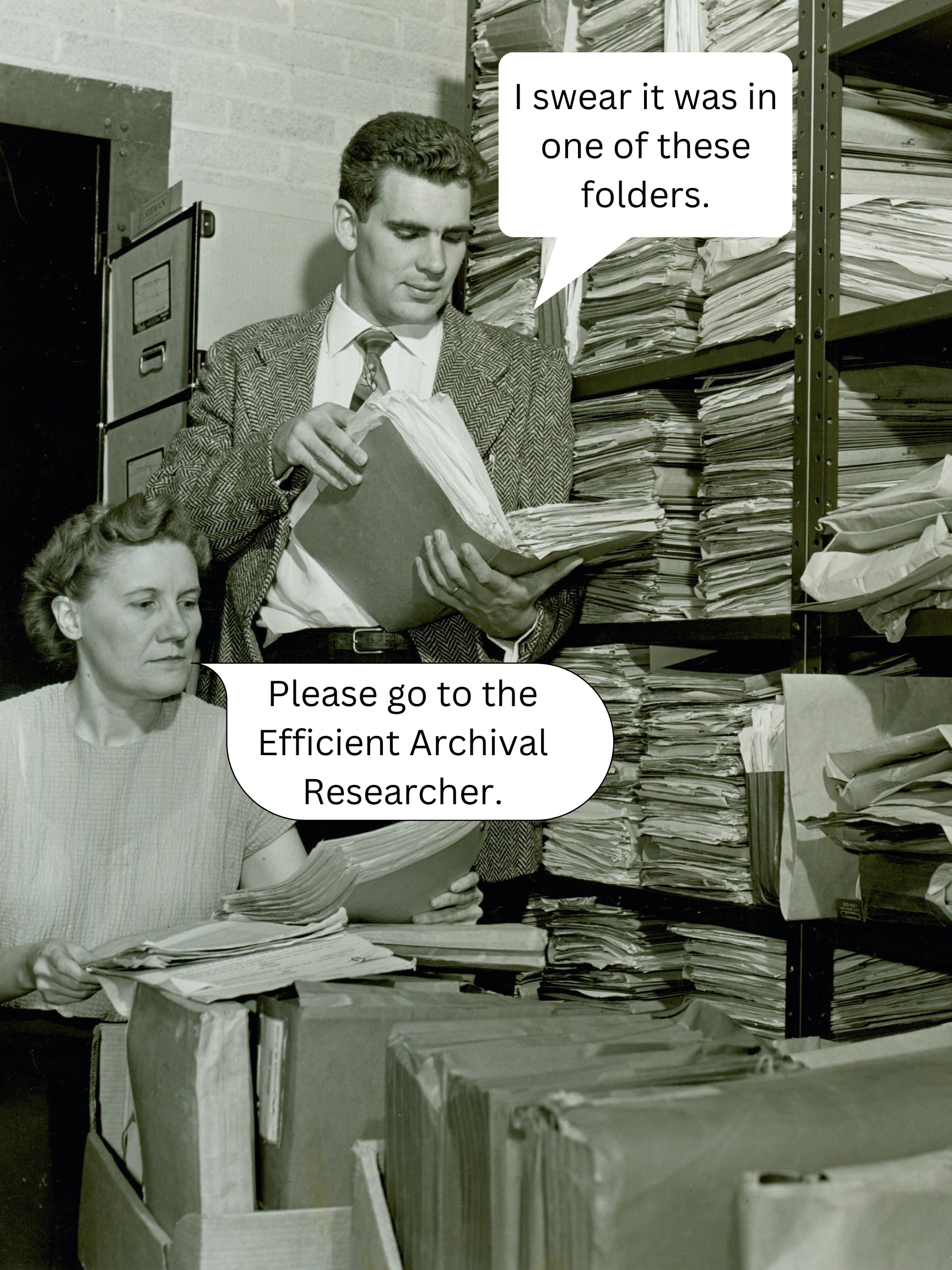
Graduate Student Workshop: The Efficient Archival Researcher

Date: Tuesday, April 18, 2023
Time: 9:00am – 1:30pm
Location: Rubenstein Library 249 (Carpenter Conference Room)
Registration required: https://duke.libcal.com/calendar/events/archivesresearch

In this workshop, explore the challenges of working with published and unpublished archival materials. Learn how to find appropriate archives for your research and how to plan a research visit, including for international research. Develop strategies for managing the many files and images you will collect when doing archival research. This session will also cover legal and ethical issues that surround accessing, using, and reproducing rare materials.

The workshop will end with a lunch panel of graduate students who will share the challenges and opportunities of their work in archives and special collections.

Black and white photograph with a white man and white woman wearing mid-century clothing, in a small room filled with file folders, each leafing through documents. Speech bubbles have been added. The man's speech bubble says "I swear it was in one of these folders." The woman's speech bubble says "Please go to the Efficient Archival Researcher"In the workshop you will:

  • Gain skills to locate, use, cite, and manage information related to special collections and archival materials at Duke and elsewhere
  • Learn about key ethical, legal, and scholarly communication-related issues pertinent to special collections research
  • Develop information management best practices and increase your knowledge of tools and expertise available to help you build an information management strategy
  • Connect with other graduate students 

Contaminated Swims and Condemnations of Franco Spain: Remembering, Forgetting, and Diplomacy of the Spanish Civil War (1936-1939) and Franco Dictatorship (1939-1975) in the United States

Post contributed by Tyler J. Goldberger, Human Rights Archive Travel Grant Awardee

“Diplomatic Dip,” reports the Staten Island Advance on March 9, 1966, covering the remarkable story of United States Ambassador to Spain Angier Biddle Duke swimming alongside Manuel Fraga, Spanish Minister of Information and Tourism, in hydrogen bomb-contaminated water. “Envoy Swims to Prove No Radiation,” states the Chicago Defender to describe the same event. Clippings within the Angier Biddle Duke Papers as well as a Palomares, Spain scrapbook, part of the Angier Biddle Duke collection, illustrate the national and international coverage, consciousness, and attention garnered by the accidental dropping of four American hydrogen bombs during a routine fly off the coast of Spain, where the bombs were held, in January 1966. To minimize the political, economic, and diplomatic disruptions caused by dropping potentially hazardous and radioactive bombs on another nation’s coastline amid the Cold War, Biddle Duke and Fraga participated in a brief swim to showcase to the world that the United States did not corrupt the Palomares ecosystem. This public relations stunt sought to protect the image of strong ties between these two nations and support Spain’s tourism economy. This American faux pau serves as an exemplar of the contradiction between warming United States-Spain relations during the second half of the twentieth century and private citizens and organizations bringing awareness to Francisco Franco’s dictatorial, repressive regime in Spain from 1939-1975.

Angel Biddle Duke Papers, Box 66, “Clippings.” These are two examples of the news coverage of Biddle Duke and Fraga’s swim following the dropping of four American hydrogen bombs on the Palomares coast.

Due to the generosity of the Human Rights Archive Grant within the David M. Rubenstein Rare Book & Manuscript Library, I had the opportunity to explore various manuscripts and rare books to support my dissertation. My project, tentatively entitled, “‘Spain in Chains’: Transnational Human Rights, Remembering, and Forgetting of the Spanish Civil War and Francisco Franco Dictatorship within the United States in the Twentieth Century” argues that American individuals and organizations outside of the diplomatic sphere promoted human rights activism and humanitarianism in regards to the terror, repression, exiles, and murders perpetrated by Franco Spain. While historiography traditionally ends dialogue of United States-Spain relations in 1898, when the United States defeated the Spanish Empire in the Spanish-American War, my project, supported by many resources at the Rubenstein Library, asserts that we have much to learn from how Americans fought against fascism through war, suffering, fundraising, attention-raising, consciousness-building, and caring, even despite the budding diplomacy between these two nations.

United States-Spain relations showcase how the priorities of Cold War anti-communism quickly and continually subsumed notions of human rights over the course of the Spanish Civil War and Franco dictatorship. While the civil war pitted leftist, anti-fascist Republicans against a conservative Nationalist coup d’état spearheaded by Franco, the outcry from the world resulted in sending approximately 40,000 volunteers from over 50 countries to fight against fascism, including around 2,800 volunteers from the United States in a battalion eventually known as the Abraham Lincoln Brigade. The American Rescue Ship Mission within the J.B. Matthews Papers and various rare books published by the Friends of the Abraham Lincoln Brigade, including, They did their part; let’s do ours! Rehabilitate the veterans of the Abraham Lincoln Brigade, illustrate not only that many within the United States knew the stakes of the Spanish Civil War, but also that there were large humanitarian currents during and following the war to support suffering Republicans within dictatorial Spain. Activities such as fundraising to secure clothes and food for ailing victims and exiles of the brutal war and post-war conditions, as well as organizing rescue ships to safely export Spanish Republican refugees out of Spain, highlight the space that Spain’s civil war occupied in American and global consciousness.

J.B. Matthews, Box 43, Folder: American Rescue Ship Mission, 1940-1941. This advertisement sought to recruit sponsors to bring Spanish Republican refugees to countries such as Mexico after the Spanish Civil War to escape the repression of Franco Spain.

While incorporating humanitarian work during the Spanish Civil War and World War II, my project also seeks to expand this timeline by following United States-Spain relations over the course of the Franco dictatorship. I will contrast the ways in which the United States government intentionally forgot about Spanish human rights violations while private citizens continued to fight to support Spanish Republican victims and their families. Thus, newsletters from the Committee for a Democratic Spain ranging from 1961-1970 provide crucial information on the continued American attention given to human rights violations perpetrated by Franco Spain despite diplomatic allyship. These newsletters shed light on the continued crimes, atrocities, and imprisonment enacted by the regime, educating American readers on the “Unfinished Fight” that more should be aware of between the Spanish people and their own government.

The gaffe of United States hydrogen bombs dropping in Palomares tells just one side of the story of United States-Spain relations over the course of the twentieth century. My project utilizes the contradictory narratives of contaminated swims and condemnation of Franco Spain to contextualize individuals and organizations in the United States supporting and providing resources to suffering Republican Spaniards amidst improved diplomatic relations. The Spanish Civil War was global in its fighting, legacies, and consequences, illustrated by the many Americans advocating for increased aid to and awareness of Spanish Republican victims far past 1939.

Resistance through Community: Prison Zines in the Twenty-First Century

Post Contributed by – Molly Carlin, Ph.D. candidate, School of Media, Arts and Humanities, University of Sussex, 2022 Marshall Meyer Human Rights Travel Grant Recipient

My research centers around the suppression of political voices in US prisons. Through archival research I am identifying the principal mechanisms employed by prison officials to prevent political organization and expression within institutions from 1964 onwards. Much of the earlier period looked at in my work has been focused on the Black Power movement, and the use of solitary confinement, tactical transfers and censorship to prevent key political activists in the movement from organizing within prisons. Many of these practices can be seen to continue throughout the period into the twenty-first century, and have been used, albeit less explicitly, to separate politically outspoken prisoners and establish obstacles to their activism.

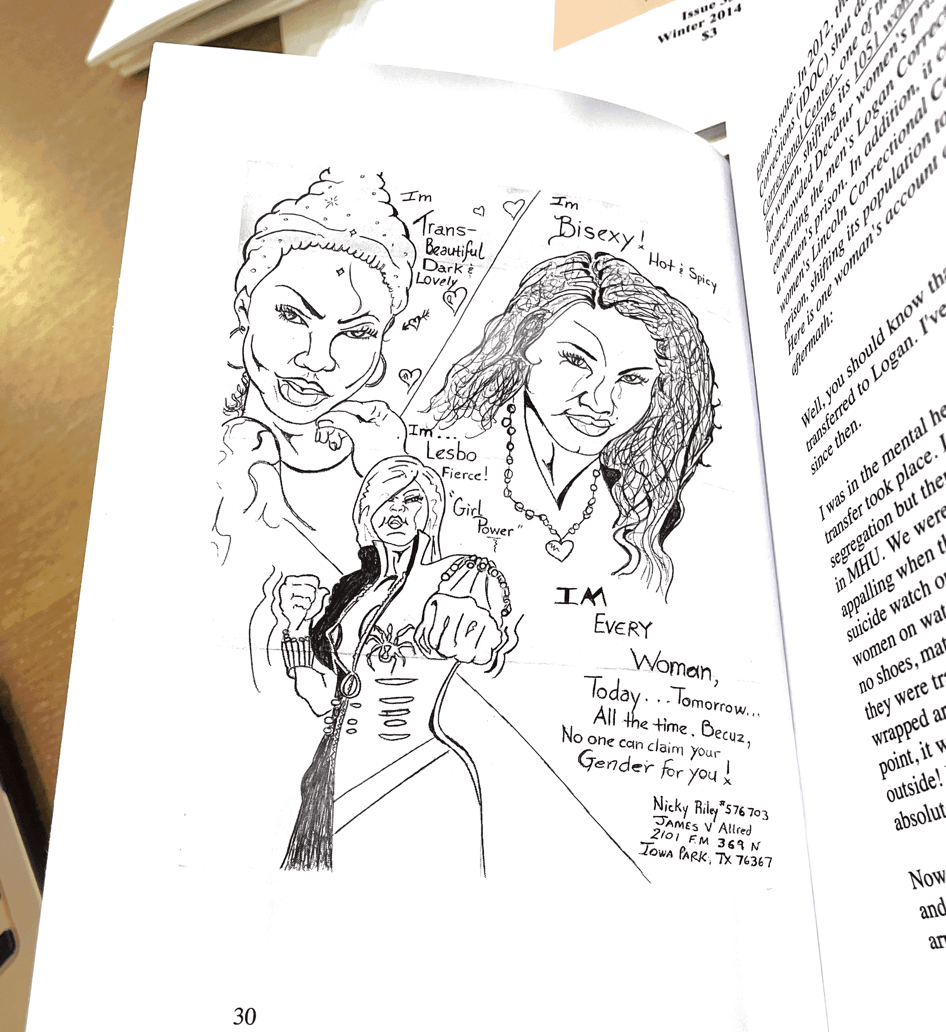
Tenacious Zine, Issue 29, 2013

The Rubenstein Human Rights Archive’s collection of incarceration zines elucidates varied prison experiences, and in particular the institutional responses to political writing. The recently acquired Tenacious Zine collection has provided an invaluable insight into the experiences and writing of incarcerated women and non-binary people. Commonalities in incarcerated experiences of ableism, discrimination against LGBTQIA+ people, and the difficulties of parenthood are evident across the country. These collections have been pivotal to my research on two counts: firstly, in exposing shared contemporary experiences of prisoners over the past twenty years, and secondly, in prioritizing the voices of marginalized identities within prison activism.

Primarily, what can be drawn from the hundreds of experiences recounted in the Tenacious Zine Collection, the Inside-Outside Alliance Records, and the Incarceration Zine Collection at the Rubenstein, is a resounding and unrelenting commitment to fight back against the systemic oppression seen in the carceral state. These sources come from prisons across the country, and from the 1960s right through to the 2020s, yet exhibit similarly oppressive experiences despite continued efforts to organize. Incarcerated activists have started writing campaigns, hunger strikes, work stoppages, and collaborated with ‘outside’ protesters to form a robust prisoners’ rights movement over the years. This chain of personal knowledge exchange moving within and stemming from prisons combines political theory and understanding of systemic oppression with communication of everyday lived experience.

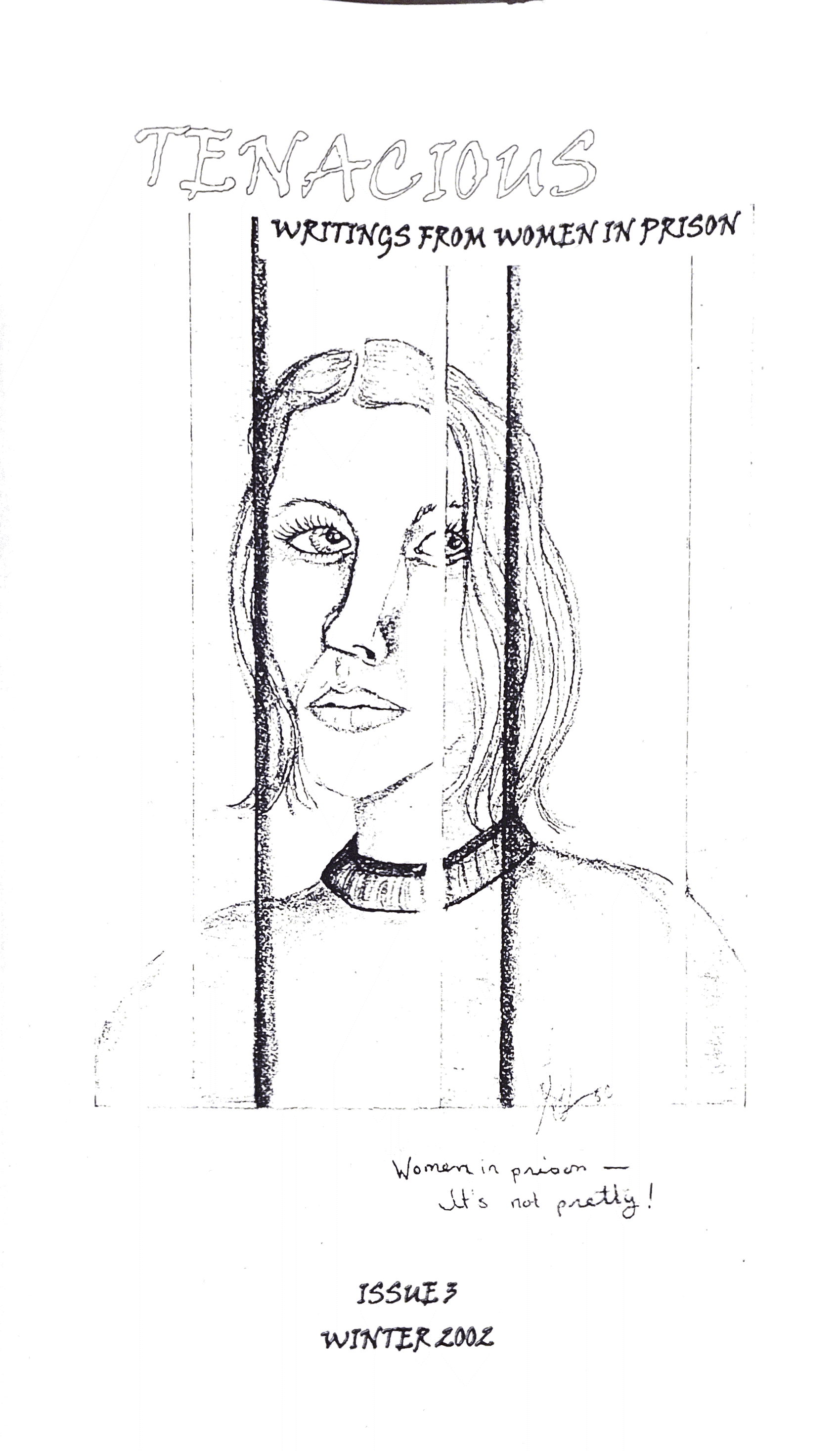
Tenacious Zine, Issue 3, Winter 2002

Rachel Galindo wrote in Tenacious Zine in 2011: ‘Over these years of incarceration, I have realized the value in writing with the purpose of sharing with others my experiences in a women’s prison. I hope my stories stand as examples that can be applied to a broader consideration of the role of prisons—locally, nationally, and globally—and their collective effort.’ She continued ‘This is the importance of writing. It is neither static nor a one-sided activity. It lends a forceful hand of connection through reaching out and receiving. In reading others’ writing, I am provoked, informed and inspired. This dynamic exchange is a part of our ongoing exploration and forward movement as a people… When we write we are participants engaged in change and building something better together.’[i]


Galindo’s perception of writing as a valuable tool to engage activists outside and build community amongst prisoners with shared experiences reflects long-standing approaches to prison protest from decades prior. Another Tenacious Zine writer recalled realizing that ‘just because we are in prison doesn’t mean that we don’t have a voice,’ when formerly incarcerated poet and writer Jimmy Santiago Baca came to visit at Mabel Bassett Correctional Center.[ii] Baca’s influence here exhibits the vital impact of activist networks and writerly collaboration, and the importance of words as a tool for organization, community, and resistance within the constraints of the penal system.

Yet this political writing, and activists’ repeated demands for core rights and respect have been met consistently with resistance and suppression from prison authorities. Vocal dissenters have been repeatedly placed in extensive periods of solitary confinement, hunger strikers force fed, labour strikers inadequately fed, visitations stopped, activists transferred, letters withheld and reading censored. Patterns in prison responses focus on blocking political activism and knowledge exchange through physical barriers and manipulation. The zine collections at the Rubenstein have unveiled these barriers, with writers exposing the ‘immediate surveillance,’ interception and censorship of prison writing.

One account in Tenacious Zine exposed escalating responses from prison officials to their writing on prison abuse. Beginning with interception of mail containing a drawing for a manuscript on sexual assault in prison, Barrilee Bannister recounted continued efforts by prison staff to prevent their writing from leaving the prison. Officers filed misconduct reports, searched Bannister’s bunk to find the manuscript, faked allegations of violent threats, removed privileges and transferred Bannister to an increased security wing.[iii]  Bannister’s experience marks just one in a sustained effort to inhibit political expression and freedom in writing from prison, with many other instances recounted in the Rubenstein’s collections and beyond. On 26th September 2022, thousands of Alabama prisoners began a labor strike to protest understaffing, violence, sexual assault and unpaid labor within the carceral system.[iv] Prison authorities responded with withheld meals and visitation stoppages, and prisoners were forced to mobilize outside communities to help fundraise for commissary supplies to ensure protesters were fed.

Prisons continue to remove all but the most basic of rights and necessities from those within, and so the need for adequate avenues for political expression remains pivotal. Yet what has been seen in varied forms throughout this period is a system which functions to prevent this and which ignores or prohibits prisoners’ voices from being heard. The rise of mass incarceration coupled with the growth of supermax prisons has vastly increased the scale of this issue, to the point where this can now be seen as widespread political suppression. As prisoners across the country continue to take action against these injustices, it is important to identify the mechanisms that have long been employed to silence incarcerated political voices and how these have shifted.

*Molly Carlin’s grant project for the 2022 Marshall Meyer Human Rights Travel Grant  is entitled, “How to Jail a Revolution: Theorising the Penal Suppression of American Political Voices, 1964-2022.”

[i] Tenacious Zine, Issue 23, Summer 2011

[ii] Tenacious Zine, Issue 23, Summer 2011

[iii] Tenacious Zine, Issue 11, Spring 2007

[iv] Blakinger, K., ‘Alabama Said Prison Strike Was ‘Under Control.’ Footage Shows System in Deadly Disarray’, The Marshall Project, October 2022

2023-2024 Research Travel Grants Open

The David M. Rubenstein Rare Book & Manuscript Library is now accepting applications for our 2023-2024 research travel grant program. Our program is open to all kinds of researchers– artists, activists, students, and scholars—whose work would be supported by sources from the Rubenstein Library’s research centers.

Research travel grants of up to $1500 are offered by the following Centers and research areas:

Archive of Documentary Arts
Eve Kosofsky Sedgwick Travel Grants
Harry H. Harkins T’73 Travel Grants for Lesbian, Gay, Bisexual, and Transgender History
History of Medicine Collections
Human Rights Archive
John Hope Franklin Research Center for African and African American History and Culture
John W. Hartman Center for Sales, Advertising & Marketing History
Sallie Bingham Center for Women’s History and Culture (Mary Lily Research Grants)

Each grant offering is specific to the associated subject area and collection holdings, and our archivists can help you determine eligibility for your project. We encourage applications from students at any level of education; faculty and teachers; visual and performing artists; writers; filmmakers; public historians; and independent researchers. Applicants must reside beyond a 100-mile radius of Durham, N.C., and may not be current Duke students or employees. Awards are paid as reimbursement after completion of the research visit(s). The deadline for applications will be Friday, February 24, 2023, at 6:00 pm EST. Recipients should be announced by the end of April 2023, and grants will be for travel during May 2023-June 2024.

An online information session will be held Thursday, January 19, 2023, 1-2 EST.  This program will review application requirements, offer tips for creating a successful application, and include an opportunity for attendees to ask questions. This program will be recorded, and posted online afterwards.  Register for the session here. Further questions may be directed to AskRL@duke.edu with the subject line “Travel Grants.”

[An earlier version of this post had the incorrect date for the info session. It will be held Thursday, January 19.]

Forceps, Women’s Rights, and Professional Turf War: American Pregnancy and Childbirth in the Twentieth Century

Post contributed by Haleigh Yaspan, Independent Researcher

Pregnancy and birth, as universal and unvarying phenomena, can offer a revealing and reflective view into a specific historical chapter. Careful attention to the dynamic nature of the circumstances that have historically defined the experiences of pregnant and birthing women can help us contextualize and better understand our present moment. The relationship is bidirectional: so too does an exploration of historical factors help shed light on the rationale for trends in the medicalization of birth. The aid of a generous History of Medicine travel grant allowed me to spend time with a number of fascinating collections at Duke’s David M. Rubenstein Rare Book & Manuscript Library that can offer such insight. These included, for example, the collection of medical instruments from the practice of Dr. LM Draper, the Louise Hortense Branscomb papers, and the Wilton G. Fritz Collection Artifacts.

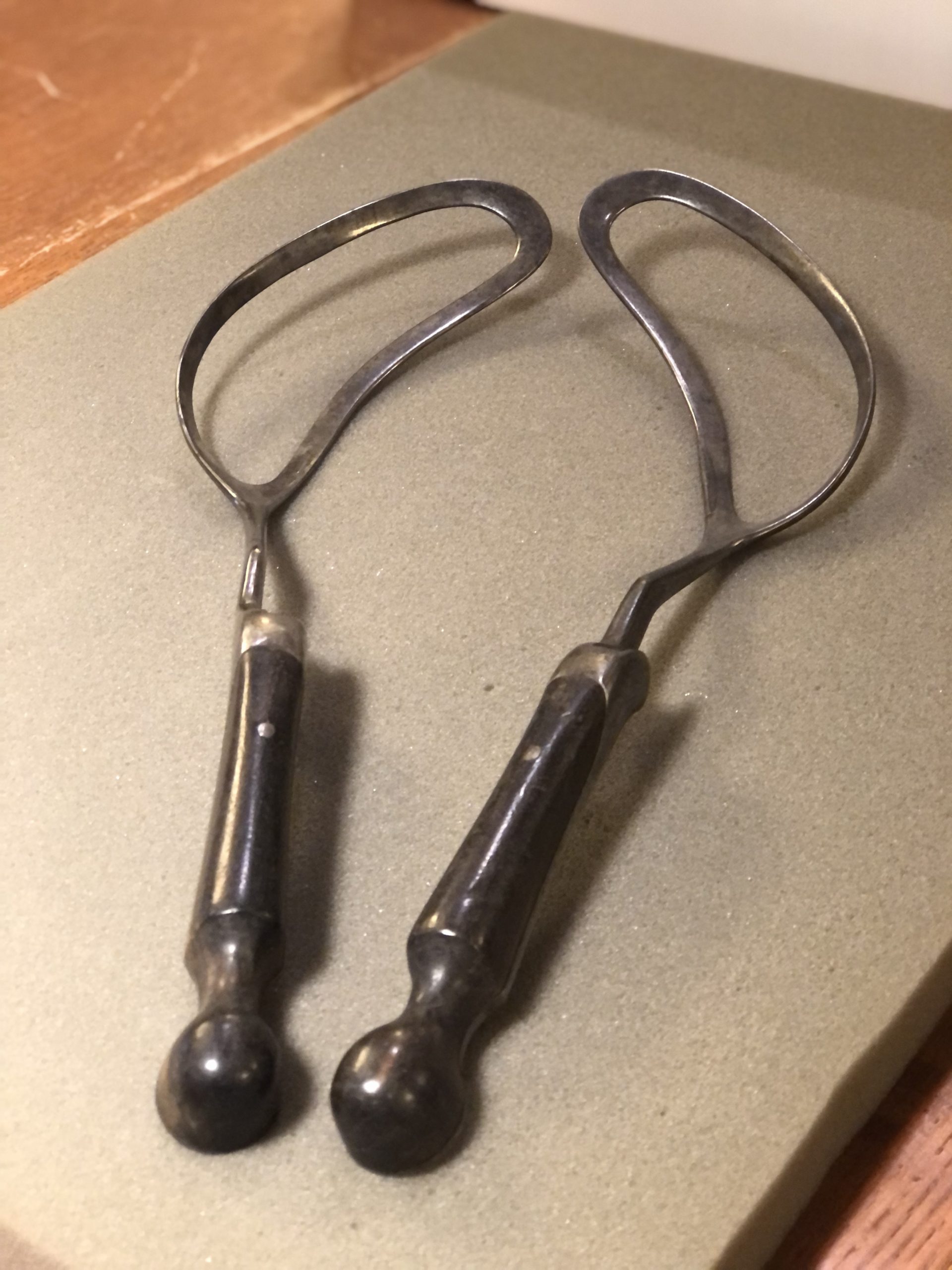
In the United States, the circumstances of birth changed dramatically toward the end of the Progressive Era. Prior to the twentieth century, the care of pregnant and birthing women was most commonly the domain of midwives and other female practitioners, who were not incorporated into a recognized professional body. The shift toward a physician-centric approach can be traced back to a revolution within the medical profession, beginning in the late 1800s and continuing well into the following century. The wide variety of obstetrical tools surviving from Dr. LM Draper’s twentieth-century collection offers insight into standard practices of American physicians of the day. I was particularly intrigued by the array of various iterations of forceps, insinuated as they are in the medical profession’s early- and mid-century proclivity toward instrumental intervention in labor, an intentional move to set physicians apart from low-interventionist midwives.

a pair of metal forceps
Obstetrical forceps had been invented in the seventeenth century, although their use was not widespread until much later.


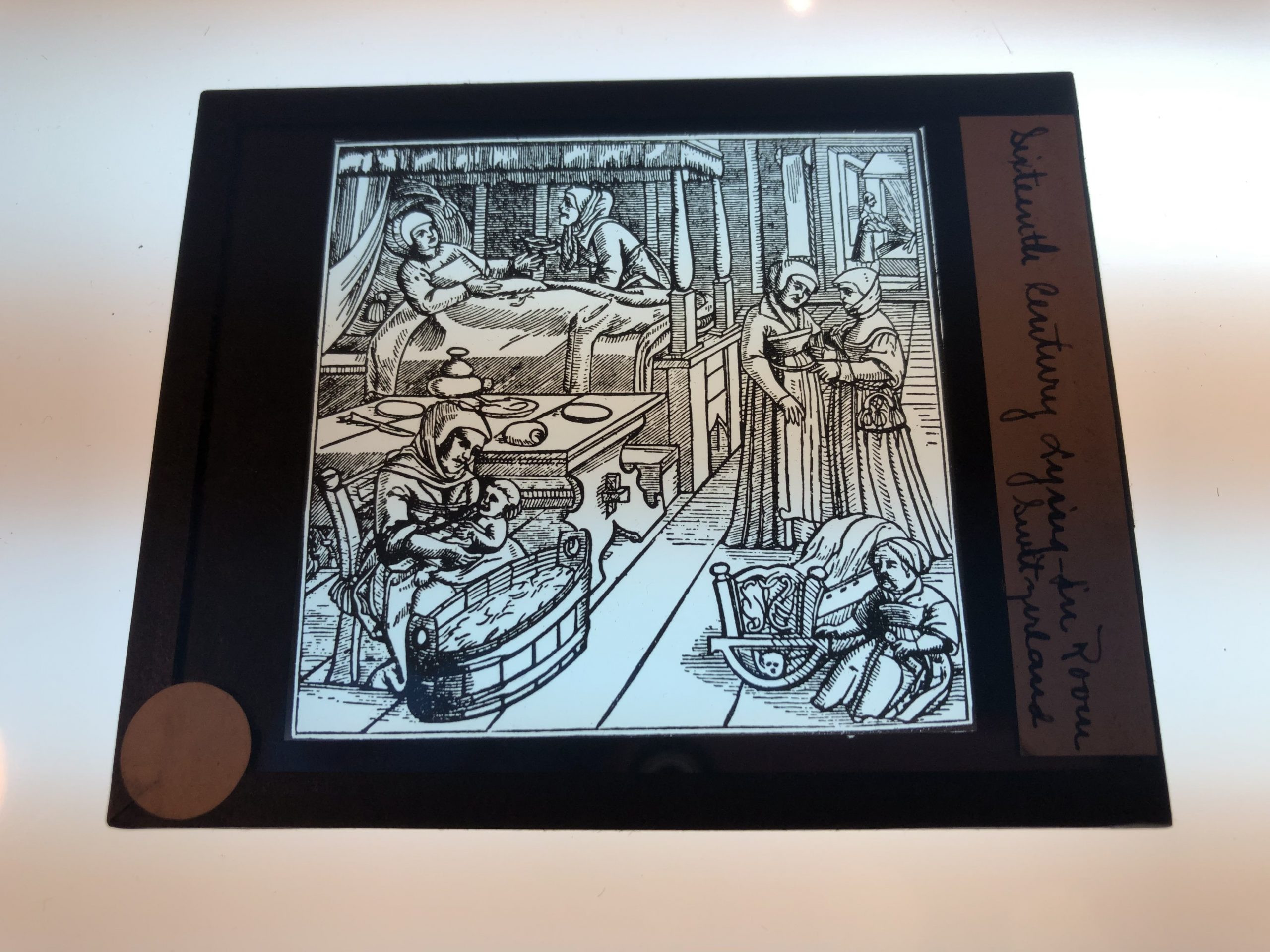
The glass slides for Dr. Carter’s OB/GYN lectures provided a window into the education aspect of the medical approach to obstetrics. Such primary sources set forth the gold standard of mid-century medical education of the day. The use of visuals in the slides informs an understanding of the historical pedagogical practices in this field, while the language employed clues us into the sociocultural milieu that circumscribed and defined medical education of the day.

American medical students learned about the history of childbirth, which had not traditionally been considered the purview of medical practitioners.


The medicalization of birth that took shape in the early twentieth century has attracted both celebration and criticism. Many have critiqued physicians, both in this period and since, for their quickness to instrumentally intervene in birth and their failure to outperform more hands-off midwives in terms of clinical outcomes. In the early twentieth century, Abraham Flexner, under the aegis of the Carnegie Foundation, set out to survey the state of medical education in the United States and Canada. His 1910 report eviscerated the medical profession, suggesting that a vast majority of American doctors were woefully unqualified and had received what little education they possessed from institutions of highly dubious rigor and quality. “But the very worst showing,” he noted, “is made in the matter of obstetrics.”

The Rubenstein Library’s disruptive copy of A Curious Herbal

Post contributed by Janet Stiles Tyson, independent researcher.

colored picture of fig plant
Hand-colored etching of fig, from Rubenstein copy of A Curious Herbal. Photo credit Janet Stiles Tyson.

This blog post concerns a copy of a historically significant English herbal, held by the Rubenstein Library. Along with its producer Elizabeth Blackwell, A Curious Herbal[1] comprised the topic of my PhD thesis for Birkbeck College, University of London. It remains the focus of my post-doctoral research.

She was born in London in 1699 as Elizabeth Simpson, and married to a Scotsman named Alexander Blackwell. She made 500 life-size watercolor drawings of medicinal plants and translated those drawings on to etching plates, which were then sent to a printer to be produced as black-and-white multiples. After printing, Blackwell used watercolor paint to color many of the imprinted images. Between mid-1735 and mid-1739, those images were sold in fascicules or gatherings of four pages each. Each fascicule also included a page of text explaining the use of the four illustrated plants. Gatherings that contained four uncolored images cost one shilling; each group containing four colored images cost two shillings. Buyers compiled their pages (along with title pages, indexes, and other leaves that were printed and distributed) and had them bound—typically into two folio-format volumes.

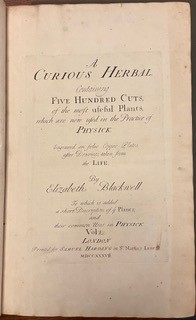
Image showing text from title page of A Curious Herbal
Volume One title page from Rubenstein copy of A Curious Herbal. Photo credit Janet Stiles Tyson.

Blackwell’s first publisher was Samuel Harding, whose name is found on title pages dated 1737. The name of Blackwell’s second publisher, John Nourse, is found on title pages dated 1739 and 1751. Copies also exist that were published under the name of Charles Nourse and dated 1782. However, composition and dating of extant copies isn’t as straightforward as this summary suggests, which is why much of my ongoing research involves finding and viewing as many copies as I can. Thus far, I have found about 110 copies, and have examined every single page of about sixty-five.

This brings me to the Rubenstein Library copy, which I visited in early August of this year [2022]. I first learned of it from catalogues for auctions held by Sotheby’s and Christie’s between 1981 and 2017. Online color photographs and verbal descriptions left me in no doubt about its beauty and importance. It was printed on extra-large folio sheets of paper, such that it measured about 18-by-12 inches in height and breadth. Pictures showed that its two volumes were bound in gold-stamped black morocco leather, and that the edges of its pages had been finished in gold. It also was evident that the plates had been colored with great care and subtly.

It originally had been owned by a London apothecary named Josiah Messer (1753-1830), whose signature was inscribed on the verso of the title page. A watercolor drawing and a hand-colored etching had been inserted at the back of volume one. Bookplates for another, presumably later, owner named George Hubbard were affixed to the marble endpapers in each volume. Assuming that its last sale at auction had been to a private collection, it seemed that I would never see Josiah Messer’s copy of A Curious Herbal.

Thus I watched, incredulously, as Rubenstein librarians removed the two volumes of the Messer copy from their archival boxes.

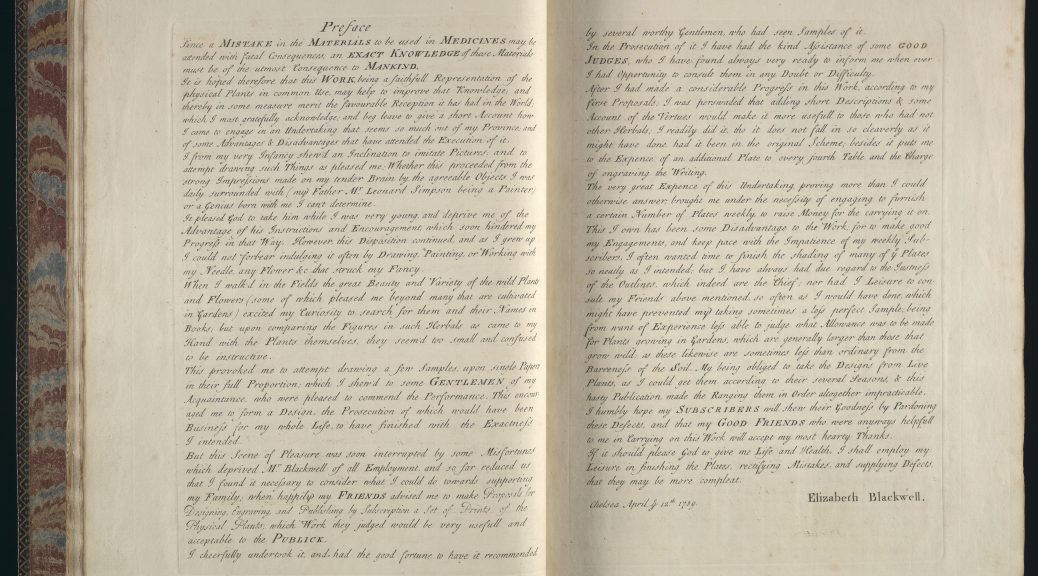
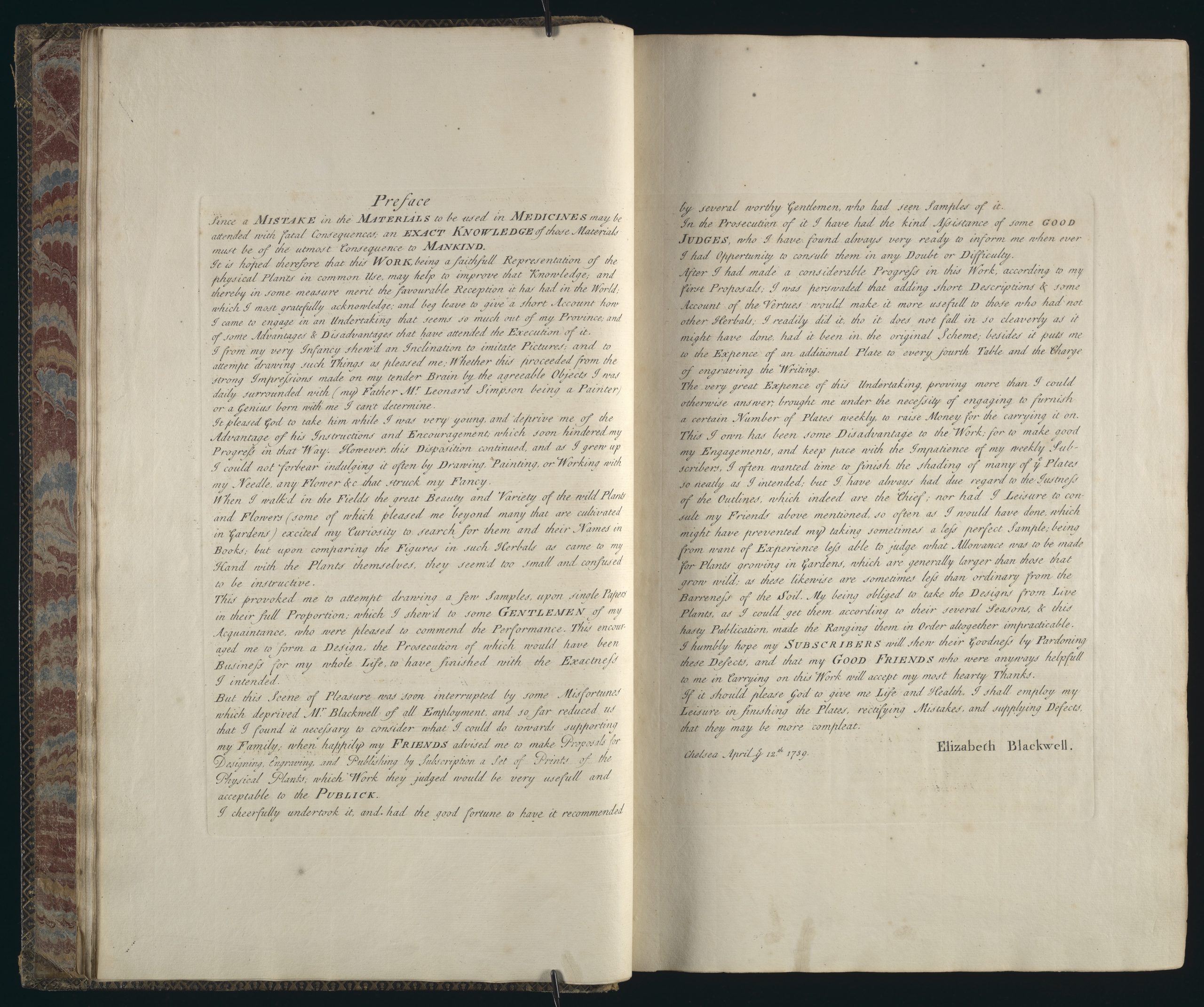
image showing page of text from preface
Blackwell preface from Rubenstein copy of A Curious Herbal.

I began carefully turning its pages. Messer’s signature was on the reverse of the title page. There were the customary two pages of endorsements by various medical men. There were five lavishly etched and engraved dedicatory leaves that I knew from other copies. And there was a blank leaf where the first explanatory page should have been. Briefly perplexed, I decided that explanatory pages had been arranged to face the first image of each group of four. I’d seen that in other copies and would duly note.

I turned the page to find its verso filled with words from top to bottom, facing the front of another densely printed page. The word ‘Preface’ topped the first, and at the bottom of the second was the name ‘Elizabeth Blackwell’, and the legend: ‘Chelsea April ye 12th 1739’. After some preliminaries were the words:

I from my very Infancy shew’d an Inclination to imitate Pictures and

to attempt drawing such Things as pleased me; Whether this

proceeded from the strong impressions made on my tender Brain by

the agreeable Objects I was daily surrounded with (my Father Mr.

Leonard Simpson being a Painter) or a Genius born with me I can’t

determine.

A shiver of excitement shot from my head to my fingertips at ‘my Father Mr. Leonard Simpson being a Painter’. Hurriedly I told the librarians about this discovery, then returned to my table to email my Birkbeck supervisors, Vanessa Harding and Carmen Mangion. Both promptly messaged their kudos. Then, as I finished reading Blackwell’s preface and proceeded to examine and photograph further pages, Harding sent me another email.

Applying decades of research experience, Harding quickly found two other documents that cited Leonard Simpson by name. One announced the birth of a daughter to ‘Mr Leonard Simpson Designer in Paintings’, who lodged with a ‘Mr Simpson shoomaker of the Parish of St Mary Woolchurchhaw’. Dated ‘Aprill 1699’, it stated that daughter Elizabeth was born on the ‘three and twentith day of this moneth’ and  ‘baptized the 4th of May following’. The second document further noted that shoomaker Simpson’s dwelling was ‘next door to the White Horse in Poultry’.

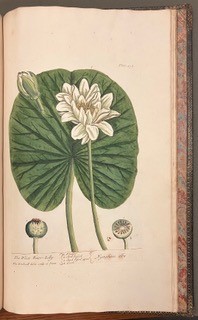
color image of white waterlilly against a green lily pad
Hand-colored etching of white waterlily from Rubenstein copy of A Curious Herbal. Photo credit Janet Stiles Tyson.

Over the years, I’ve found other Simpson references, including information that identified Blackwell’s mother’s name as Alice. But the Rubenstein copy holds the key to confirming Elizabeth Blackwell’s birth date and place. So much more could be said about this book and its illustrations, and the myriad curious tales of Elizabeth Blackwell. And perhaps further research will find further copies of that preface. For now, however, I hope that I have communicated the importance of this object at Duke University.

Works cited

Blackwell, Elizabeth (1737). A Curious Herbal. Containing Five Hundred Cuts of the most useful Plants, which are now used in the Practice of Physick. Engraved on folio Copper Plates, after Drawings, taken from the Life. By Elizabeth Blackwell. To which is added a short Description of ye Plants; and their common Uses in Physick. London: Printed for Samuel Harding in St Martin’s Lane, MDCCXXXVII (1737) Rubenstein QK99.A1 B53 1737 folio v.1 c.1.

London Metropolitan Archives. Parchment register of the parish of St Mary Woolnoth, 1686-1726: LMA, P69/MRY15/A002/MS07636.

London Metropolitan Archives. Paper register of the parish of St Mary Woolnoth, 1695-1706: LMA, P69/MRY15/A/002/MSo7636.

[1] Full title: A Curious Herbal. Containing Five Hundred Cuts of the most useful Plants, which are now used in the Practice of Physick. Engraved on folio Copper Plates, after Drawings, taken from the Life. By Elizabeth Blackwell. To which is added a short Description of ye Plants; and their common Uses in Physick.


Announcing our 2022-2023 Travel Grant Recipients

The Rubenstein Rare Book & Manuscript Library is pleased to announce the recipients of the 2022-2023 travel grants. Our research centers annually award travel grants to students, scholars, and independent researchers through a competitive application process. We extend a warm congratulations to this year’s awardees. We look forward to meeting and working with you!

Archive of Documentary Arts

Rebecca Bengal, Independent Researcher, “‘Bad Roads Ruin Even the Best of Cars’: William Gedney’s Kentucky.”

Alexandra Le Faou, Independent Researcher, “James H. Karales European Exhibition.”

Sallie Bingham Center for Women’s History and Culture (Mary Lily Research Grants)

Brianna Anderson, Ph.D. candidate, Department of English, University of Florida, “‘A Smidgeon of Ecofeminism’: Envisioning Environmental Issues and Activism in Women’s Zines.”

Rachel Corbman, Faculty, Mount Holyoke College, “Conferencing on the Edge: A Queer History of Feminist Field Formation, 1969-1989.”

Benjamin Holtzman, Faculty, Lehman College, “’Smash the Klan’: Fighting the White Power Movement in the Late Twentieth Century.”

Cindy Lima, Ph.D. candidate, Northwestern University, “Transnational Latinas: A Twentieth Century History of Latina Politics.”

Molli Spalter, Ph.D. candidate, Department of English, Wayne State University, “”Feeling Wrong and Feeling Wronged: Radical Feminism and ‘Feeling Work’.”

Emily Hunt, Ph.D. candidate, Emily Hunt, Georgia State University, “‘We are a Gentle Angry People and We are Singing for Our Lives’: A Story of Women’s Music, 1975-1995.”

Felicity Palma, Faculty, Department of Film and Media Studies, University of Pittsburgh, “of flesh and feelings and light and shadows.” (Grant sponsored jointly with the Archive of Documentary Arts.)

Lara Vapnek, Faculty, Department of History, St. John’s University, “Mothers, Milk, and Money: A History of Infant Feeding in the United States.” (Grant sponsored jointly with the John W. Hartman Center for Sales, Advertising, and Marketing History.)

John Hope Franklin Center for African and African American History and Culture

William Billups, Ph.D. candidate, Department of History, Emory University, “”Reign of Terror”: Anti-Civil Rights Terrorism in the United States, 1955-1976.”

Thomas Cryer, Ph.D. candidate, Institute of the Americas, University College London, “’Walking the Tightrope’: John Hope Franklin and the Dilemmas of African American History in Action.”

Mikayla Harden, Ph.D. candidate, Department of History, University of Delaware, “Remnants: Captive African Children in the Black Atlantic World.”

Frances O’Shaughnessy, Ph.D. candidate, University of Washington, “Black Revolution on the Sea Islands: Empire, Property, and the Emancipation of Humanity.”

Emily Tran, Ph.D. candidate, University of Wisconsin-Madison, “American Reckonings: Confronting and Repressing the Racist Past and Present, 1968-1998.”

Evan Wade, Ph.D. candidate, Department of History, University of Connecticut,” Henrietta Vinton Davis: From Teacher to Black Nationalist– an examination of a Black Woman’s Politics.”

Elizabeth Patton, Faculty, Department of Media and Communication Studies, University of Maryland Baltimore County, “Representation as a Form of Resistance: Documenting African American Spaces of Leisure during the Jim Crow Era.” (Grant sponsored jointly with the John W. Hartman Center for Sales, Advertising, and Marketing History.)

Harry H. Harkins T’73 Travel Grants for Lesbian, Gay, Bisexual, and Transgender History

Mori Reithmayr, Ph.D. candidate, University of Oxford, “Community Before Liberation: Theorizing Gay Resistance in San Francisco, 1953-1969.”

Cathleen Rhodes, Faculty, Department of Women’s Studies, Old Dominion University, “Touring Tidewater: An Immersive Virtual Walking Tour of Southeastern Virginia’s Queer History.”

John W. Hartman Center for Sales, Advertising, and Marketing History (John Furr Fellowship)

Jennifer Hessler, Faculty, Department of Media, Journalism, and Film, University of Huddersfield, “Television Ratings: From Audimeter to Big Data.”

Conrad Jacober, Ph.D. candidate, Department of Sociology, Johns Hopkins University, “Debt Prophets: American Bankers and the Origins of Financialization.”

Jeannette Strickland, Independent Researcher, “Lever Brothers Advertising and Marketing, 1900-1930, in the J. Walter Thompson Archives.”

John W. Hartman Center for Sales, Advertising, and Marketing History (Alvin Achenbaum Travel Grants)

Anne Garner, Ph.D. candidate, Department of History and Culture, Drew University, “Recovering Throwaway Histories: Patent Medicine, Black Americans and the Blues in the Postbellum Piedmont.”

Rachel Plotnick, Faculty, Department of Cinema & Media Studies, Indiana University Bloomington, “License to Spill: Where Dry Devices Meet Liquid Lives.”

Elizabeth Patton, Faculty, Department of Media and Communication Studies, University of Maryland Baltimore County, “Representation as a Form of Resistance: Documenting African American Spaces of Leisure during the Jim Crow Era.” (Grant sponsored jointly with the John Hope Franklin Center for African and African American History and Culture.)

Lara Vapnek, Faculty, Department of History, St. John’s University, “Mothers, Milk, and Money: A History of Infant Feeding in the United States.” (Grant sponsored jointly with the Sallie Bingham Center for Women’s History and Culture.)

History of Medicine Collections

Jessica Dandona, Faculty, Minneapolis College of Art and Design, “Skeletons in the Drawing Room: Popular Consumption of Flap Anatomies, 1880-1900.”

Jeremy Montgomery, Ph.D. candidate, Department of History, Mississippi State University, “‘Look To Your Map’: Medical Distinctiveness and the United States, 1800-1860.”

Haleigh Yaspan, Master’s candidate, School of Medicine and Dentistry, University of Rochester, “Forceps, Women’s Rights, and Professional Turf War: Pregnancy and Childbirth in the United States, 1914-1962.”

Human Rights Archive

Molly Carlin, Ph.D. candidate, School of Media, Arts and Humanities, University of Sussex, “How to Jail a Revolution: Theorising the Penal Suppression of American Political Voices, 1964-2022.”

Tyler Goldberger, Ph.D. candidate, Department of History, College of William & Mary, “”Generalísimo Franco is Still Alive!”: Transnational Human Rights and the Anti-Fascist Narrativization of the Spanish Civil War and Francisco Franco Dictatorship within the United States, 1936-Present.”

Thomas Maggiola, Master’s candidate, Department of Latin American Studies and History, University of California San Diego, “Guatemala’s Transnational Civil War, 1970-1996.”

Eve Kosofsky Sedgwick Research Travel Grants

Jennifer Doyle, Faculty, University of California Riverside, “Alethurgy’s Shadows: Harassment, Paranoia, and Grief.”

Annie Sansonetti, Ph.D. candidate, Department of Performance Studies, New York University, “Feminine Boyhood and Trans Girlhood Onstage.”

Post compiled by Roshan Panjwani, Staff Assistant, Rubenstein Library